Updated
Gorilla Trekking With Kids: Family Safari Tips for Uganda The age limit Uganda Wildlife Authority sets the minimum age for gorilla trekking, and for the Gorilla Habituation Experience, at 15. Children must be at least 15 to go gorilla trekking in Uganda, but a family safari with younger children still works well: parents can trek on different days or take turns, while children enjoy community walks, Batwa cultural visits, lake days and savannah game drives. The key is planning the trip so that everyone has something to look forward to, not only the members of the family who can see the gorillas.
Uganda is a rewarding destination for families: English is widely spoken, wildlife is varied and people are welcoming to children. Here is how to plan a gorilla safari when some of your children are under 15.
Gorilla Trekking With Kids: Family Safari Tips for Uganda
The age limit
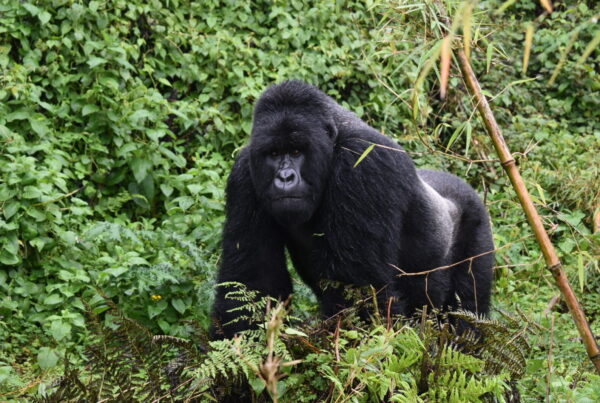
Uganda Wildlife Authority sets the minimum age for gorilla trekking, and for the Gorilla Habituation Experience, at 15. The rule protects gorillas from childhood illnesses and protects children, who are more likely to run or shout during a silverback’s display. It is strictly enforced: rangers check passports at the briefing, and a child who is not yet 15 on the trek date will not be allowed in. Teenagers aged 15 and over pay the full permit price. For older children, see taking teenagers gorilla trekking.
How parents can both trek
With children under 15, the simplest plan is for parents to trek on different days, one staying with the children at the lodge each time. This adds a night near Bwindi but means both parents see the gorillas and nobody misses out.
Alternatively, both parents can trek on the same day while the children stay at the lodge with a trusted guide or caregiver; many family-friendly lodges can arrange supervised activities, but discuss this in advance and make sure you are comfortable with the arrangement. If you have one teenager over 15, they can trek with one parent while the other stays with younger siblings.
What younger children can do near Bwindi
There is plenty for children while others trek. Community walks around Buhoma and other villages visit local homes, schools and craft groups, and many include a demonstration of how banana beer or local medicines are made. The Batwa cultural experience shows how the forest people lived, hunted and gathered before the park was created, often through songs, games and demonstrations that children enjoy. Lodges near the forest often have gardens, walking trails and birdlife, and some offer short nature walks at the forest edge. See activities near Bwindi.
Lake Bunyonyi, a couple of hours from southern Bwindi, is a favourite family stop, with canoe trips between islands and swimming in a lake that is free of bilharzia and hippos. In Mgahinga, golden monkey tracking is a shorter, easier primate walk with its own age rules; check the current limit when you book.
Building a family-friendly itinerary
Long drives are the hardest part of a Uganda safari for children, so plan shorter driving days or use domestic flights between Entebbe and the airstrips near Bwindi. A good family route combines Bwindi with Queen Elizabeth National Park, where children love the Kazinga Channel boat trip past hippos, elephants and crocodiles, and the chance of tree-climbing lions in Ishasha. Ngamba Island’s rescued chimpanzees and the Uganda Wildlife Conservation Education Centre in Entebbe are good additions at the start or end of the trip. See wildlife day trips from Kampala and Entebbe.
Choose lodges with family rooms or connecting cottages, flexible meal times and space for children to play. Tell your operator the ages of your children when you book, as some smaller lodges and tented camps have age restrictions of their own. Our family gorilla safari shows a ready-made route.
Health and safety for children
Children need their own passports and visas, and a yellow fever vaccination certificate, generally from the age of one. Ask your doctor about antimalarial medicine suitable for each child’s age and weight, and pack child-safe insect repellent, sun cream and a small first-aid kit. Use mosquito nets, which most lodges provide. If a child is travelling with only one parent, carry a consent letter from the other parent. See vaccinations for Uganda and entry requirements.
Making it meaningful for children
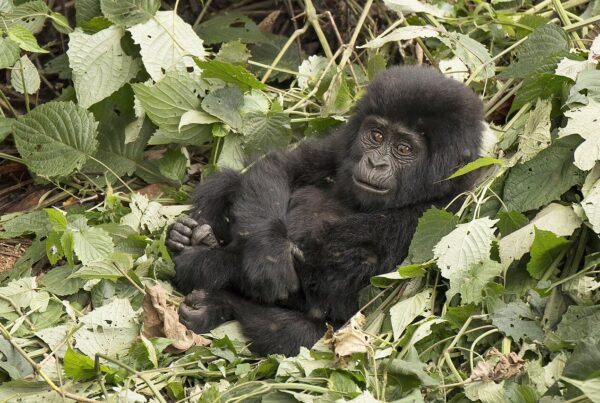
Even children who are too young to trek can share in the gorilla story. Read about mountain gorillas together before the trip, let them help pack the trekking bag, and ask the trekking parent to bring back photos and stories for an evening slideshow. Many trekking certificates and ranger stories become treasured souvenirs. If a child will turn 15 within a year or two, some families wait so that everyone can trek together.
Frequently asked questions
15 years on the date of the trek, with no exceptions. Rangers check passports at the briefing.
Not mountain gorillas. Younger children can see rescued chimpanzees at Ngamba Island and animals at the Uganda Wildlife Conservation Education Centre in Entebbe.
Some can arrange supervised activities or a trusted caregiver. Agree the details in advance; many families prefer one parent to stay with the children.
Yes, with planning. Shorter drives, boat trips, lake days and cultural visits suit children well. Allow rest days between long journeys.