Age Is Not the Barrier People Assume
The question of whether older travellers can participate in gorilla trekking arises frequently, often from adult children considering the trip for ageing parents or from retirees themselves who refuse to let age define the boundaries of their adventure. The short answer is that gorilla trekking is absolutely possible for elderly travellers, provided they have reasonable mobility, manageable health conditions, and appropriate expectations about what the experience involves.
UWA does not impose a maximum age limit for gorilla trekking. The mandatory briefing health screening focuses on contagious illness, not age. Rangers and guides are experienced at accommodating trekkers across the age spectrum, and they regularly lead groups that include travellers in their seventies and occasionally even their eighties. What matters is not the number on your passport but your physical capability and your honest communication with rangers about any limitations.
Physical Realities for Older Trekkers
The physical demands of gorilla trekking do not discriminate by age. A steep, muddy slope challenges a twenty-five-year-old and a seventy-five-year-old equally, though they may respond differently. Older trekkers often bring advantages that compensate for reduced cardiovascular capacity: patience, pacing awareness, and a willingness to take rest stops without ego-driven embarrassment about slowing the group.
The most common physical limitations among older trekkers involve joint mobility, balance, and endurance. Knees and hips that have served decades of use may protest on steep descents. Balance on uneven terrain may be less reliable than in youth. Stamina for sustained uphill hiking may be reduced. None of these limitations is prohibitive if acknowledged and accommodated.
How We Accommodate Elderly Trekkers
Professional tour operators have extensive experience tailoring gorilla treks for older travellers. The most important accommodation is guide selection. Rangers can allocate elderly trekkers to gorilla families known to be closer to trailheads, reducing hiking distance and duration. They can also select routes that minimise steep sections and technical terrain.
Porters become essential rather than optional for most older trekkers. A porter carries your pack, assists on difficult sections, provides physical stability, and effectively reduces the trek’s cardiovascular demand by half. For travellers with significant mobility limitations, the sedan chair option, in which four porters carry you through the forest in a modified stretcher, makes gorilla trekking possible even for those who cannot walk the trail independently.
Health Considerations for Older Trekkers
Older travellers should consult their physician before booking a gorilla trek, particularly if they have cardiovascular conditions, respiratory issues, joint problems, or mobility limitations. A pre-travel medical consultation can identify potential risks and recommend precautions such as medication adjustments, physical therapy exercises to prepare joints, or realistic assessments of which trekking sectors are appropriate.
Medications should be packed with extra supplies in case of travel delays. The altitude at Bwindi, while moderate, can affect how certain medications metabolise. Blood pressure medications, in particular, may need dosage adjustments at elevation. Discuss these considerations with your physician rather than making assumptions.
The Emotional Rewards for Older Trekkers
Elderly travellers who complete gorilla treks consistently describe the experience as among the most meaningful of their later years. For those who have spent decades building careers and raising families, the trek represents a return to adventure, a demonstration that life’s extraordinary experiences are not reserved for the young. The encounter with gorillas, whose genetic closeness to humans becomes more poignant with age, carries philosophical weight that younger trekkers may not fully appreciate.
Many older trekkers also find that the experience strengthens family bonds when undertaken with adult children or grandchildren. The shared challenge, the mutual support on difficult sections, and the collective wonder of the gorilla encounter create intergenerational memories that become part of family lore.
Final Thoughts
Gorilla trekking is not an experience reserved for the young and athletic. It is an encounter with wildness that belongs to anyone who can reach the forest, regardless of age. The key is honest assessment of your capabilities, thoughtful preparation, and working with operators and guides who understand how to accommodate the specific needs of older travellers.
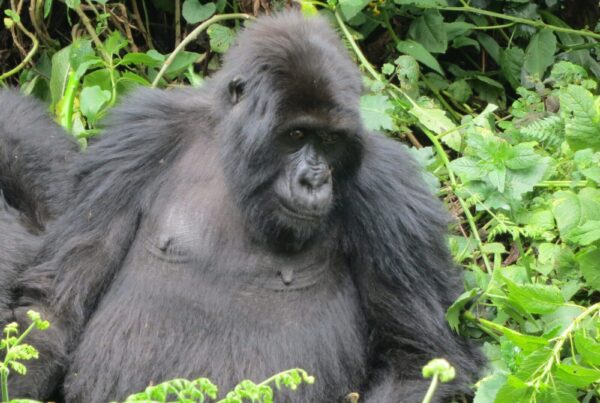
When you sit before a silverback at seventy or seventy-five, you are not merely seeing a gorilla. You are affirming that wonder does not expire, that adventure does not have an age limit, and that some of life’s most profound experiences are worth pursuing even when the body requires more assistance than it once did. The gorilla does not know how old you are, and he does not care. He meets you as a fellow inhabitant of the forest, and that meeting is as meaningful at seventy as it would have been at thirty.
- Gorilla Safaris for Elderly Travelers
- Adventure Travel Experiences for 18–30’s Travellers in Africa
- Uganda Gorilla Trekking: The Experience 3,000 Travellers Rated 5 Stars
- Uganda Gorilla Trekking for Solo Travellers: The No-Group Option
- Uganda Gorilla Trekking from Amsterdam: Dutch Travellers Complete Guide
- While the World Watches the War, These Travellers Are Quietly…
- Why Savvy Travellers Are Ditching Middle East Holidays for Uganda Safaris in 2026
- Gorilla Trekking for Disabled Travellers: Accessibility Options in Uganda
- Gorilla Trekking for Seniors: Tips for Older Travellers in Uganda
- Gorilla Trekking for Solo Travellers: A Complete Guide