Gorilla trekking in Uganda is one of the world’s finest wildlife experiences — and one of the most logistically specific. Getting the details right before you book determines the quality of what happens when you arrive. This page covers everything essential: the permit, the sectors, the physical demands, the costs, and what the encounter actually involves. Read it once, save it, and share it with your travel partner before you make any bookings.
The Permit: USD 700, Booked in Advance
The gorilla trekking permit costs USD 700 per person and is issued by Uganda Wildlife Authority. It allows one person to visit one gorilla family for one hour on one specific date. Permits cannot be purchased directly by international visitors — they must be booked through a licensed operator. For peak-season dates (June to August, December to January), book three to six months in advance. Permits sell out for popular dates and sectors. The permit is the most important logistical element of your trip; secure it before booking anything else.
The Sectors: Four Options in Bwindi, One in Mgahinga
Bwindi Impenetrable National Park has four trekking sectors: Buhoma (northern, most accessible from Kampala), Ruhija (eastern, most remote, best birding), Rushaga (southern, most gorilla families, best permit availability), and Nkuringo (southwestern, most dramatic terrain). Mgahinga Gorilla National Park has one habituated family. For first-time trekkers, Buhoma or Rushaga are the standard recommendation. The gorilla encounter quality is comparable across all sectors — the differences are in terrain, accommodation, and access logistics.
The Physical Demands: Moderate to Challenging
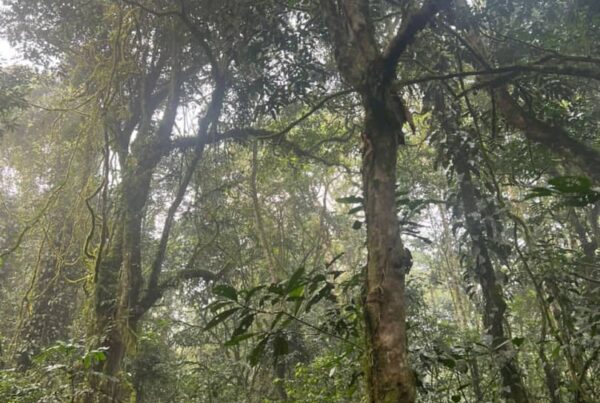
Gorilla trekking requires moderate physical fitness. Treks range from 45 minutes to seven hours depending on where the gorilla family has moved. Terrain is steep, uneven, and often wet. The altitude at Bwindi ranges from 1,160 to 2,600 metres. You will be walking through dense forest — not on maintained paths. Porters are available at all sectors and strongly recommended for anyone with limited mobility, any medical condition affecting physical capacity, or uncertainty about managing a long, steep forest walk while carrying a daypack.
The Costs: What to Budget
Permit: USD 700 per person (fixed, non-negotiable). Transport from Entebbe to Bwindi (Buhoma sector): approximately USD 250 to 400 per person by shared or private vehicle. Lodge accommodation: USD 80 to 600+ per person per night depending on tier. Guide fee: typically included in operator package. Porter: USD 15 base plus USD 15 to 25 tip (strongly recommended). Total for a 3-night Bwindi trip including permit, transport, lodge (mid-range), and guide: approximately USD 1,800 to 2,800 per person. Add international flights from origin point separately.
The Timing: Year-Round, Dry Season Preferred
Gorilla trekking is available year-round. Dry seasons (June to September, December to February) offer easier trail conditions. Wet seasons (March to May, October to November) bring heavier rain but lower crowds and accommodation costs. The gorilla encounter itself is not significantly affected by season — the family is found and observed regardless of weather. For first-time trekkers: June to September is the most comfortable time for the trek and combines well with a Tanzania Serengeti component for Migration season.
The Day: What Happens
Arrive at the briefing point between 7:00 and 8:00 AM. Thirty-minute pre-trek briefing covering gorilla behaviour, rules, and safety protocol. Depart into the forest with guide, ranger escort, and optional porter. Trek until you find the gorilla family (anywhere from 45 minutes to seven hours). One hour with the family — maintain seven-metre minimum distance, no flash photography, follow guide instructions. Return to briefing point. Certificate of completion awarded. Rest, reflect, and contact us to tell us how it went.
The Pack: What to Bring
Waterproof boots with ankle support (broken in — not new). Long trousers and long-sleeved shirt (nettles and insects). Lightweight waterproof jacket. Hat and sun cream. At least 2 litres of water and high-energy snacks. Camera without flash. Insect repellent. Personal medications. Walking poles (optional but useful on steep descents). Leave everything else at the lodge.
The Health Requirements
Yellow fever vaccination: required for Uganda entry. Malaria prophylaxis: recommended for the Bwindi area. Do not trek if you are unwell with respiratory symptoms (gorillas are susceptible to human respiratory infections — this is a genuine conservation concern, not a formality). Travel insurance with emergency medical evacuation coverage: essential. Complete the pre-booking health declaration honestly.
The Operator: Choose a UTB-Licensed Company
Book with a Uganda Tourism Board-licensed operator. Verify their license number. Read specific, detailed reviews (not just star ratings). Ask for the name of your guide before booking. Ask what is included and excluded. We are a UTB-licensed operator with 15 years of gorilla trekking experience and a 99.7 percent permit procurement success rate. Contact us to book your 2027 trek — we will handle every detail covered in this guide.
Frequently Asked Questions
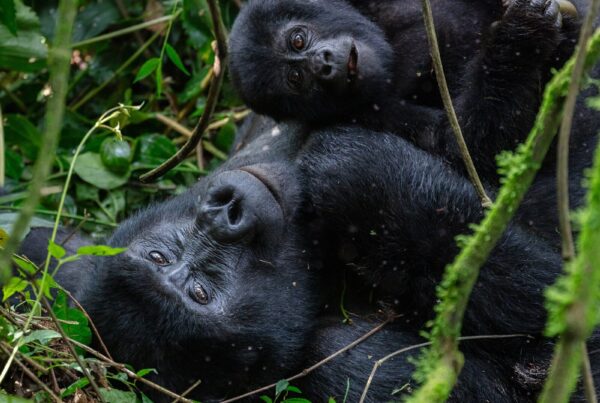
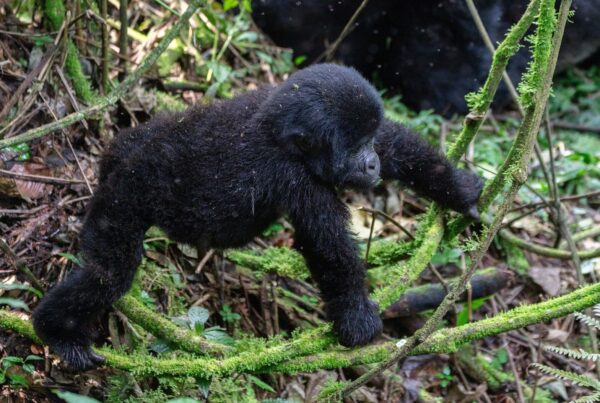
Uganda is home to the mountain gorilla (Gorilla beringei beringei), one of two subspecies of eastern gorilla. They live exclusively in the Virunga volcanic highlands (Uganda/Rwanda/DRC) and Bwindi Impenetrable Forest (Uganda only). Mountain gorillas are the only gorilla subspecies that cannot survive in captivity — every individual you can trek is a wild animal.
The standard gorilla trekking permit gives you exactly 1 hour with the gorilla family. This time begins when you make first contact with the family — the ranger signals the start. The Gorilla Habituation Experience gives 4 hours with a semi-wild family. The walk to find the gorillas can take 30 minutes to 5 hours depending on where the family has moved.
Stay calm, crouch down slowly, avoid direct eye contact, and remain quiet. Do not run — running triggers a chase response. Rangers accompanying your group manage close approaches. Habituated gorillas are accustomed to humans and almost never make contact, but a charging silverback is managed by staying still and following ranger instructions immediately.
A maximum of 8 visitors per habituated gorilla family per day for standard trekking. The Gorilla Habituation Experience has a maximum of 4 visitors per family per day. These limits are set by UWA to minimise stress on the gorilla families and maintain the quality of the experience.
Uganda is home to the mountain gorilla (Gorilla beringei beringei), one of two subspecies of eastern gorilla. They live exclusively in the Virunga volcanic highlands (Uganda/Rwanda/DRC) and Bwindi Impenetrable Forest (Uganda only). Mountain gorillas are the only gorilla subspecies that cannot survive in captivity — every individual you can trek is a wild animal.