The Gorilla Most People Have Never Heard Of
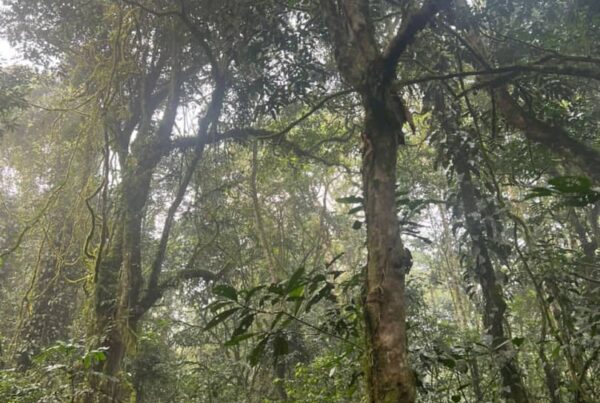
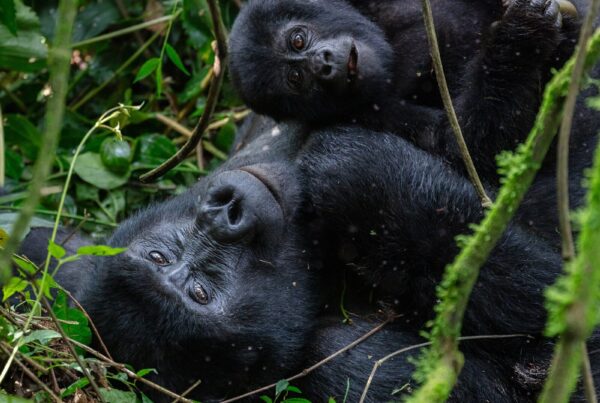
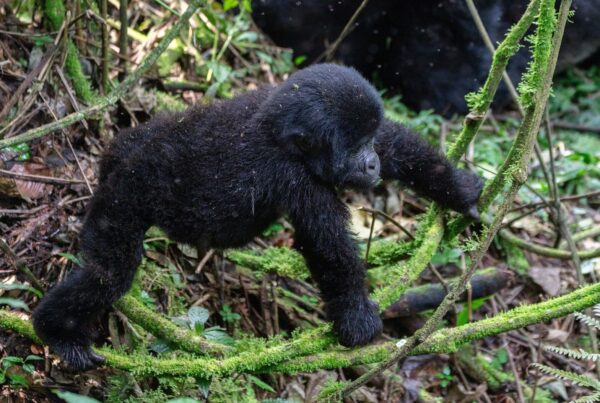
When gorillas are discussed in conservation contexts, mountain gorillas and their dramatic recovery story dominate the narrative. But Africa has four gorilla subspecies, and the rarest of all is not the mountain gorilla — it is the Cross River gorilla (Gorilla gorilla diehli), a critically endangered western gorilla subspecies inhabiting a tiny patch of highland forest on the Nigeria-Cameroon border. With fewer than 300 individuals and essentially no viable tourism programme, the Cross River gorilla exists at the edge of extinction with far less global attention than its eastern cousin.
Taxonomy and Classification
The Cross River gorilla is a subspecies of the western gorilla species (Gorilla gorilla), placing it in a different species from mountain gorillas (Gorilla beringei). The western gorilla species also includes the western lowland gorilla (Gorilla gorilla gorilla) — the subspecies most commonly seen in zoos worldwide. Cross River gorillas were formally described as a distinct subspecies by John Oates and colleagues in 2003, based on morphological and genetic evidence from specimens and field surveys.
The subspecies designation reflects genuine biological distinction: Cross River gorillas show morphological differences from western lowland gorillas in skull dimensions, dental morphology, and limb proportions that distinguish them from the broader western gorilla population. Genetic analysis confirms that they represent a genetically distinct population with a significant period of isolation from other western gorilla populations.
Population and Range
The Cross River gorilla population is estimated at 250 to 300 individuals, distributed across approximately 11 forest patches in the highland forest zone straddling the Cameroon-Nigeria border. These forest patches are isolated from each other by agricultural land, roads, and human settlements, making the population effectively fragmented into sub-populations with limited connectivity.
The total range of the Cross River gorilla — the area encompassing all known and suspected gorilla habitat — is approximately 12,000 square kilometres, though effective gorilla habitat within that range is considerably smaller. The fragmented distribution means that individual patches support only small numbers of gorillas, with some patches holding fewer than 10 individuals — a group size potentially too small for long-term social viability.
Why So Few?
The Cross River gorilla’s extreme rarity is the product of decades of hunting, habitat loss, and isolation. The Nigeria-Cameroon highland forest region is heavily populated, and the expansion of agriculture, logging, and settlement has reduced and fragmented gorilla habitat substantially over the past century. Direct hunting for bushmeat and the live animal trade — targeting gorillas along with other wildlife — has reduced the population to its current critical level.
Unlike mountain gorillas, which benefit from intensive international conservation investment, tourism revenue, and a well-developed management infrastructure, Cross River gorillas have received far less attention and funding. The countries where they occur — Nigeria and Cameroon — have less developed conservation institutions for great apes than Uganda and Rwanda, and the absence of tourism revenue (the animals are too shy and unhabituated for viable trekking programmes) reduces the financial incentive for protection.
Conservation Challenges
The primary conservation challenge for Cross River gorillas is their extreme shyness. Unlike mountain gorillas, which have been habituated to human presence over decades of careful research, Cross River gorillas have historically been hunted extensively and show intense flight responses to human approach. Attempts to habituate individuals for research or tourism have made limited progress, partly because the disturbance of frequent approach attempts stresses already-vulnerable animals.
The absence of habituation makes monitoring difficult — researchers cannot observe specific individuals or family groups systematically. Camera traps, faecal DNA sampling, and indirect sign surveys (nest counts, footprints) provide the primary data on population distribution and size. The picture these methods produce is inevitably less precise than the individual-level monitoring available for habituated mountain gorilla populations.
Landscape-level habitat management — securing connectivity between isolated forest patches, reducing hunting pressure, and working with local communities on alternative livelihoods — represents the best available strategy for Cross River gorilla conservation in the absence of viable habituation and tourism. The Wildlife Conservation Society, the Wildlife Conservation Society Nigeria, and the Cross River State Forestry Commission have been working on these approaches, with some documented successes in reducing hunting and establishing community monitoring programmes.
Comparison with Mountain Gorillas
The contrast between Cross River gorilla conservation and mountain gorilla conservation illustrates the importance of the specific conditions that have enabled mountain gorilla recovery. Mountain gorillas benefited from early, sustained investment in habituation research (beginning with Dian Fossey in the 1960s), the development of high-value tourism (beginning in the 1980s), and the political and institutional stability in Uganda and Rwanda that allowed long-term conservation programmes to operate continuously.
Cross River gorillas have had none of these advantages. Without tourism revenue and without the habituation that tourism requires, their conservation is dependent on external funding and the goodwill of range country governments and local communities who have fewer direct financial incentives to protect the animals. This comparison argues strongly for expanding the mountain gorilla conservation model — tourism-funded, community-integrated, intensive protection — to other great ape subspecies where political and ecological conditions allow.
Final Thoughts
The Cross River gorilla is a conservation crisis that receives a fraction of the attention its rarity deserves. With fewer than 300 individuals in a fragmented landscape, hunted historically and neglected in terms of conservation investment, it faces a far grimmer prognosis than the mountain gorilla whose recovery story is celebrated globally. Raising awareness of the Cross River gorilla’s situation — alongside celebrating the mountain gorilla’s recovery — is part of the fuller picture of great ape conservation that responsible gorilla tourism should contribute to.