Updated
All-Inclusive Gorilla Safari Uganda: What Is Included and What Is Not
Understanding the All-Inclusive Promise
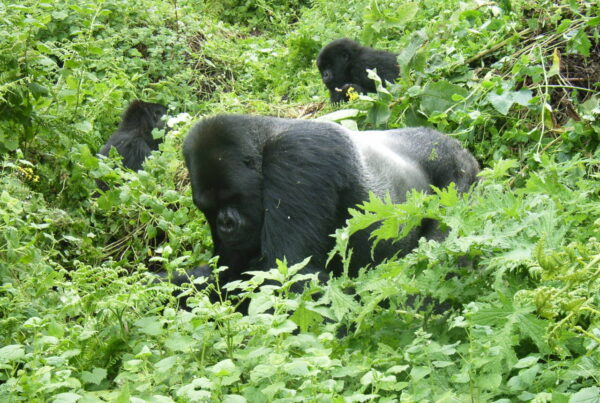
all inclusive gorilla safari Uganda is one of Africa’s most extraordinary wildlife experiences, connecting travellers with mountain gorillas in their natural forest habitat. The term all-inclusive means different things to different operators, and travellers booking gorilla safaris in Uganda often discover that the inclusions they assumed were standard are actually additional charges. Some operators use all-inclusive to describe packages that cover only accommodation and transport, excluding permits, meals, and activities. Others use it more comprehensively, including virtually every expense from arrival to departure. Understanding exactly what is included in your safari package, and more importantly what is not, prevents budget surprises and ensures that your planning aligns with reality.
This guide examines the components of all-inclusive gorilla safaris in Uganda, explaining what the term typically covers, what commonly falls outside the package, how to compare quotes from different operators, and the questions you should ask before booking. It provides the clarity needed to interpret safari proposals accurately and to budget for expenses that your all-inclusive package may not include.
What All-Inclusive Typically Includes
A genuinely comprehensive all-inclusive gorilla safari package generally covers several core components. The gorilla permit is the largest single expense and should be explicitly included in any package claiming all-inclusive status. Current permit prices are eight hundred dollars for foreign non-residents, seven hundred dollars for foreign residents, and three hundred thousand Ugandan shillings for East African citizens.
Accommodation for the nights before and after the trek is typically included, ranging from budget lodges to luxury properties depending on the package tier. Most packages specify the lodge names or categories, allowing you to research the properties independently.
Transport from Kampala or Entebbe to Bwindi and return, usually in a private four-wheel-drive vehicle with driver, is standard in all-inclusive packages. Some packages also include airport transfers on arrival and departure days.
Meals are generally included, though the specifics vary. Full board, all meals, is common at lodges, but some packages specify only breakfast and dinner, leaving lunches during travel days as exclusions. Alcoholic beverages are rarely included and represent a significant additional expense at lodge bar prices.
Park entrance fees for the trekking day are included within the gorilla permit, but additional park visits, such as game drives in Queen Elizabeth National Park, may incur separate entrance fees that are not always included.
Common Exclusions to Watch For
Even packages marketed as all-inclusive frequently exclude certain expenses. International flights to Uganda are almost never included. Visas, currently fifty dollars for most nationalities, are personal expenses. Travel insurance, strongly recommended, is your responsibility.
Porter fees, fifteen to twenty dollars per trek, are often excluded. Tips for guides, rangers, drivers, and lodge staff are almost never included and can accumulate to fifty to one hundred dollars across a multi-day safari. Personal equipment, hiking boots, rain gear, and camera accessories, are your purchases.
Additional activities beyond gorilla trekking, chimpanzee tracking, boat cruises, cultural visits, are sometimes included in comprehensive packages but frequently excluded in basic all-inclusive offerings. Always verify whether specific activities you want are covered.
Single room supplements, charged when a solo traveller occupies a double room, are common exclusions. If you are travelling alone, confirm whether your quoted price assumes shared accommodation or includes the single supplement.
Comparing Operator Quotes
When comparing all-inclusive packages from different operators, look beyond the total price to understand what each package actually includes. A cheaper package that excludes permits, porters, and tips may cost more in total than a more expensive package that includes these items.
Create a spreadsheet listing every component: permits, accommodation, transport, meals, porters, tips, additional activities, and miscellaneous expenses. Enter what each operator includes and estimate costs for exclusions. The true comparison emerges from total estimated cost, not from the quoted package price alone.
Pay attention to accommodation quality. Two packages may quote similar prices while including significantly different lodge categories. A package at two thousand five hundred dollars with mid-range accommodation may represent better value than a two thousand dollar package with basic guesthouses, depending on your priorities.
Vehicle quality also varies. Older vehicles with questionable maintenance may be cheaper but create discomfort and reliability risks. Ask operators about vehicle age, air conditioning, and maintenance records.
The Budget Safari Alternative
For travellers who find all-inclusive packages beyond their budget, assembling a safari independently is possible though more complex. Booking your own permit directly with UWA, arranging public transport to Bwindi, and staying at budget lodges or community campsites can reduce costs significantly.
The trade-off is convenience and support. Independent travellers must manage all logistics themselves, from permit booking to transport coordination to problem resolution if things go wrong. In remote southwestern Uganda, where English may be limited and infrastructure basic, this self-reliance can be challenging.
Semi-independent travel offers a middle ground. Book your own permits and accommodation, then hire a driver or use public transport. This approach reduces costs while maintaining some logistical support, though it requires more planning than a fully packaged tour.
Red Flags in Safari Packaging
Certain warning signs indicate that an all-inclusive package may not be as comprehensive as it appears. Vague descriptions of inclusions, all meals without specifying which meals or where, should prompt detailed questioning. Operators who are reluctant to provide written itineraries with specific lodge names and meal plans may be concealing limitations.
Prices significantly below market rates suggest corner-cutting on vehicle maintenance, guide qualifications, or accommodation standards. Remember that permits alone cost eight hundred dollars. Any package priced below one thousand dollars for foreign non-residents is mathematically impossible without excluding permits or using unsustainably cheap components.
Pressure to pay large deposits before receiving detailed written confirmation is another concern. Reputable operators provide comprehensive proposals before requesting significant payment. They specify exactly what is included, what is excluded, and what happens if plans change.
Questions to Ask Before Booking
Before committing to any all-inclusive package, ask specific questions. Which lodges are included, and can I see their websites? Is the gorilla permit definitely included, and will I receive the permit voucher before travel? Which meals are included, and are drinks with meals covered? Is transport private or shared? What vehicle will be used? Are porter fees included? What is the tipping policy? What happens if I need to cancel or reschedule? Are there any additional fees not mentioned in the quote?
The thoroughness of the operator’s responses reveals their professionalism and transparency. Operators who answer clearly and comprehensively are likely to deliver what they promise. Operators who are evasive or vague should be approached with caution.
Final Thoughts
The all-inclusive gorilla safari is a convenient and often cost-effective way to experience Uganda’s most extraordinary wildlife encounter. But convenience should not replace due diligence. Understanding exactly what your package includes, what it excludes, and how it compares to alternatives ensures that your investment produces the experience you expect.
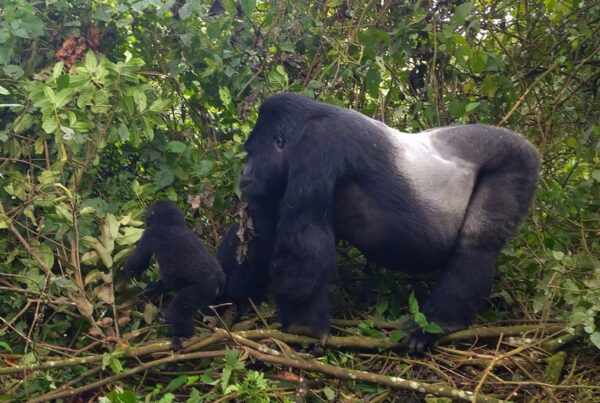
When you stand before a silverback in Bwindi’s forest, the quality of your lodge, the comfort of your vehicle, and the comprehensiveness of your package fade into irrelevance. What matters is the encounter itself, the connection across species, the privilege of sharing space with a wild mountain gorilla. A well-chosen all-inclusive package delivers you to that moment without distraction. A poorly chosen one leaves you worrying about unexpected costs when you should be present for wonder. Choose wisely, ask questions, and let your package serve the experience rather than overshadow it.