Updated
Is Uganda Safe for Tourists in 2026?. Most visitors on organised gorilla safaris in Uganda travel without problems, but Uganda is not risk-free, and you should check your government’s current travel advice before you book and again before you fly. The main risks are road accidents, petty crime in Kampala, a terrorism threat focused on crowded places and the western border with Congo, and health risks such as malaria. In 2026, an Ebola outbreak led some governments to raise their warnings; the World Health Organization declared Uganda’s outbreak over on 27 August 2026.
This guide gives an honest picture as of October 2026: what the official advice says, where the real risks are, how gorilla trekking is protected and what you can do to travel safely. Advisories change, so always read the latest version yourself.
Is Uganda Safe for Tourists in 2026? An Honest Travel Safety Guide
What government travel advice says
Different governments assess Uganda differently, and their advice changes with events. During the 2026 Ebola outbreak in Uganda and the Democratic Republic of Congo, the World Health Organization declared a public health emergency of international concern in May, and the United States raised Uganda to its highest level, “Do Not Travel”, in June 2026, citing health risks alongside crime, terrorism and unrest. The UK’s Foreign, Commonwealth and Development Office noted in September 2026 that the WHO had declared Uganda’s outbreak over on 27 August 2026.
Check the current advice from your own government — for example the US State Department, the UK FCDO, or the Australian, Canadian or German foreign ministries — before booking, and make sure your travel insurance remains valid for your destination. Some policies do not cover travel against official advice. A good operator will also tell you honestly about current conditions on the ground.
Safety on a gorilla trek
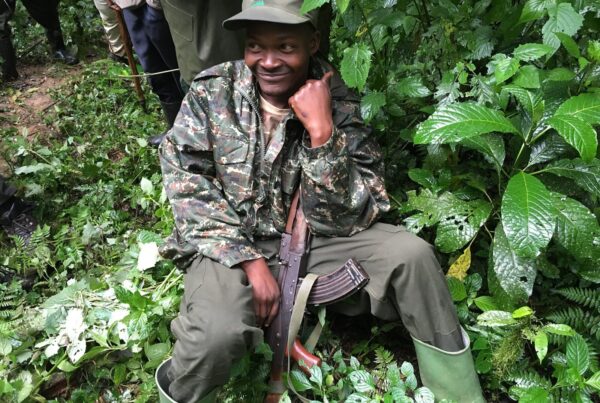
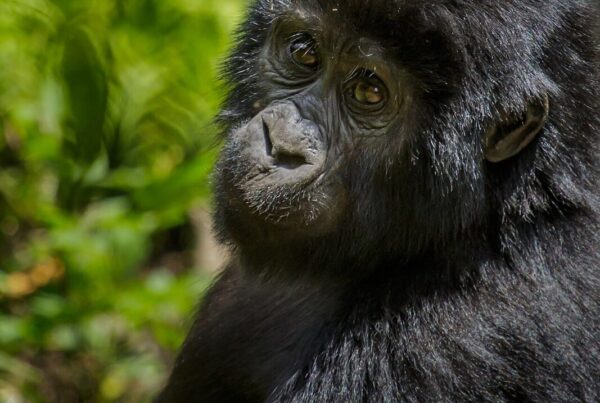
Gorilla trekking itself is well controlled. Every group of up to eight visitors goes into the forest with a Uganda Wildlife Authority ranger guide and armed rangers, and trackers stay with each gorilla family. Serious incidents with habituated mountain gorillas are extremely rare; the main risks on the trail are slips and falls on steep, wet slopes. Good boots, a walking stick and a porter reduce that risk. For what to do if a silverback displays, read what to do if a gorilla charges.
Bwindi and Mgahinga lie close to the border with the Democratic Republic of Congo, where armed groups operate in the eastern provinces. Security forces and park rangers maintain a strong presence in the tourism areas. The UK government notes that terrorist attacks have occurred in western Uganda near the Congo border, including in national parks: in October 2023, two tourists and their driver were killed in Queen Elizabeth National Park. Follow your guide’s advice, avoid unplanned travel near the border and stick to established routes and lodges.
Road safety
For most visitors, the biggest real risk is the road. Driving standards are poor, accident rates are high and long journeys are common on a gorilla safari — Bwindi is 8–10 hours from Entebbe. The UK government highlights the Kampala–Jinja and Kampala–Masaka roads as particularly hazardous. Travel with a professional driver-guide in a well-maintained vehicle, wear a seatbelt, avoid driving after dark outside towns, and plan itineraries that break long journeys into shorter stages. Domestic flights to Kihihi or Kisoro cut road time considerably.
Crime in Kampala and Entebbe
Crime in Uganda is mostly opportunistic: pickpocketing, bag snatching and theft from vehicles, particularly in busy parts of Kampala and after dark. Do not walk around at night, keep phones and cameras out of sight in crowds, carry only the cash you need, and use a car arranged by your hotel or operator rather than hailing a vehicle in the street. Entebbe is calmer than Kampala and a good base for first and last nights. In rural areas around the parks, crime against tourists is rare, and people are generally welcoming.
Health risks
Malaria is present across most of Uganda, so take antimalarial tablets, use repellent and sleep under a net. A yellow fever vaccination certificate is required to enter the country. Drink bottled or filtered water, and eat freshly cooked food. Outbreaks of diseases such as Ebola occur from time to time in the region; when they do, follow official health advice, and expect extra screening at airports and parks. Mountain gorillas are also vulnerable to human diseases, which is why visitors with any signs of illness are not allowed to trek. See vaccinations for Uganda.
Laws and personal safety
Some Ugandan laws differ sharply from those in Europe or North America. Same-sex relationships are criminalised, most recently under the Anti-Homosexuality Act of 2023, and LGBTQ+ travellers should read their government’s advice carefully. Civilians may not wear military-style camouflage, and you must not photograph military or police sites. Political demonstrations can turn violent, so avoid rallies and large gatherings, particularly around elections. Solo travellers, including women, travel widely in Uganda, usually with a guide; the normal precautions of any unfamiliar country apply. Our guide to cultural etiquette in Uganda covers local customs.
How to travel more safely
A few habits make the biggest difference:
- Check your government’s travel advice before booking and before flying
- Book with a licensed operator and an experienced driver-guide
- Buy travel insurance with medical evacuation cover that is valid for your trip
- Avoid road travel after dark and break up long drives
- Keep valuables out of sight in Kampala and avoid walking at night
- Register with your embassy’s traveller service if it offers one
If you are planning your first visit, our guide for first-time visitors to Africa covers the practical side of travel in Uganda.
Frequently asked questions
Treks are run with ranger escorts and are generally well controlled, but check your government’s current advice first. Advisories changed during 2026 because of Ebola.
The World Health Organization declared Uganda’s 2026 outbreak over on 27 August 2026. Check official health advice before travel, as the situation in the region can change.
The tourism areas have a strong ranger and security presence and receive visitors daily. Follow your guide, use established lodges and avoid travel near the border itself.
Check carefully. Some policies exclude travel to countries under a “do not travel” advisory. Choose cover that includes medical evacuation and trip cancellation.