A chimpanzee safari at Kibale Forest produces a genuinely extraordinary encounter, but Kibale and the surrounding Fort Portal area contains more ecological and cultural depth than any single morning’s trekking can access: the adjacent Bigodi Wetland Sanctuary (community-managed, 200+ bird species, four primate species visible from the boardwalk path, entrance fee supporting local families directly), the Amabere Caves and Fort Portal crater lakes (geological formations with local cultural significance within 30 minutes of Kibale), the Kibale Forest night walk for nocturnal species (tree hyrax, African civet, porcupine, owls), and the overland route from Kibale to Queen Elizabeth National Park that passes through some of Uganda’s most dramatic highland scenery before descending to the Rift Valley floor — all of which complement the morning chimpanzee encounter in ways that produce a richer, more contextually complete day than returning to the lodge after the trekking briefing and waiting for dinner. This guide covers the most rewarding activities available alongside a Kibale chimpanzee safari, organised by type and time commitment, so you can build a full day from available options regardless of which Kibale activity you complete in the morning. For the gorilla trekking permit that most Kibale visitors combine with the chimp trek, see the permit guide.
Best Activities to Complement Kibale Chimp Trekking
- Bigodi Wetland Sanctuary: 3km community boardwalk, 200+ birds, 4 primate species — 2–3 hours, afternoon
- Kibale Night Walk: nocturnal species including tree hyrax, porcupine, civets — 2 hours, departs 7–9pm
- Amabere Caves: geological cave system with crater lake views — 2 hours, accessible from Fort Portal
- Fort Portal crater lakes: 40 lakes in volcanic craters — scenic drive with swimming, birding, or picnic options
- Gorilla trekking at Bwindi: the natural completion of the double-primate circuit, 4–5 hours drive south
- Queen Elizabeth National Park: 3 hours drive from Kibale — Kazinga Channel boat safari is the linking activity
Enhance Your Primate Adventure with Culture, Nature, and Wildlife
A chimpanzee safari in Uganda—especially in biodiversity hotspots like Kibale Forest, Budongo, or Kalinzu—is without question one of the most moving wildlife encounters on the continent. But Uganda, ever rich in its diversity, has a way of drawing travelers into deeper, more layered experiences. To simply come for the chimps and leave would be to sip only the foam of a rich, steaming cup. The real depth lies in what you choose to complement your trek with—activities that stretch across landscapes, cultures, and conservation efforts.
Activities to Complement Uganda Chimpanzee Safaris — Whether you have a few extra hours or several days, there’s a world of discovery awaiting you that beautifully enhances the emotional and ecological value of your chimpanzee safari. These activities aren’t mere add-ons—they are immersive windows into the living story of Uganda’s people, wildlife, and breathtaking environments.
Bigodi Wetland Sanctuary – A Community Gem Beside Kibale
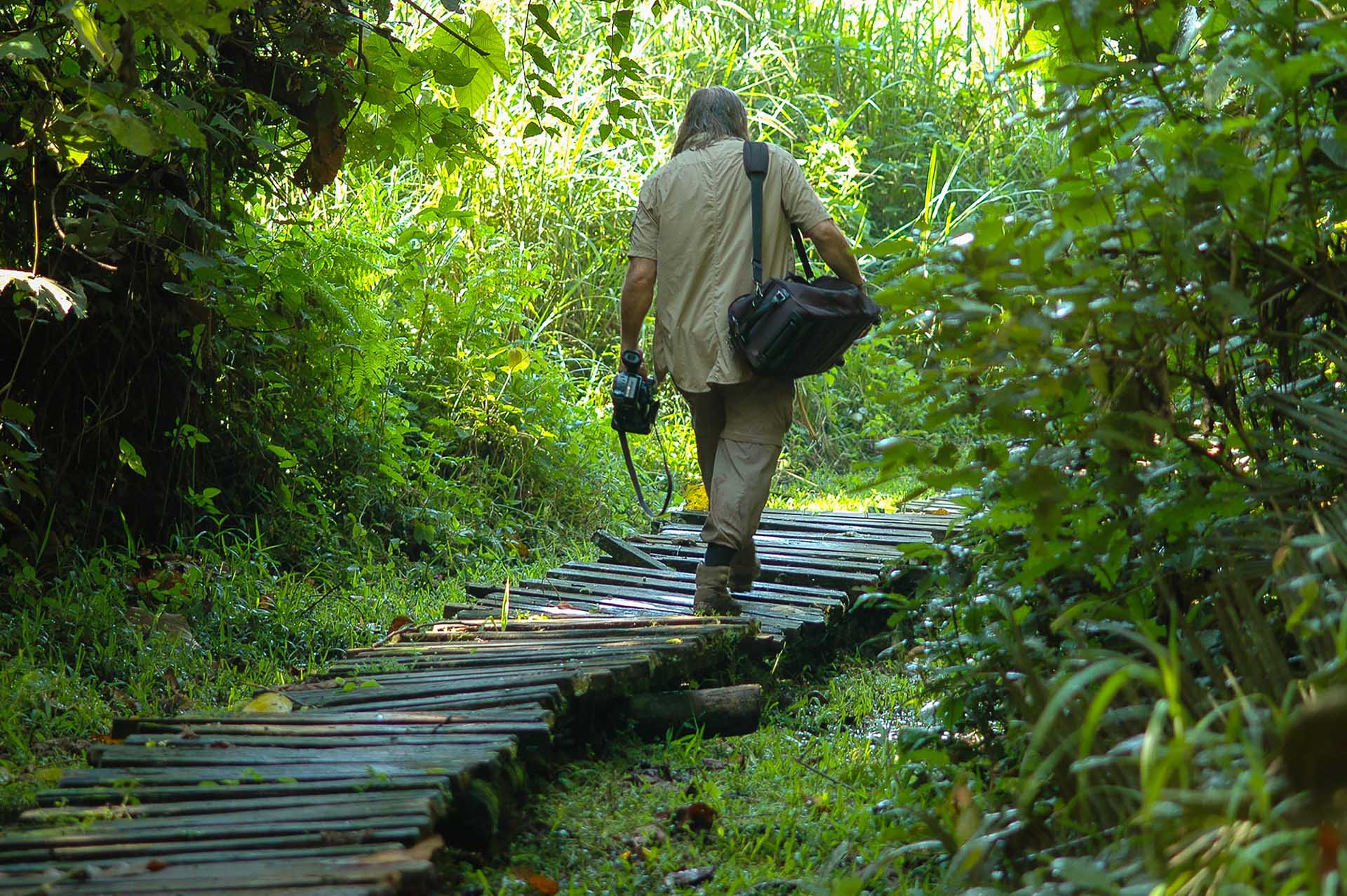
Located just a short drive from Kibale Forest National Park, Bigodi Wetland Sanctuary is the most logical and rewarding extension of any chimpanzee tracking itinerary. This lush, papyrus-filled wetland is managed by the local community and is teeming with biodiversity. A guided walk here is not only tranquil but eye-opening—over 200 bird species, including the rare great blue turaco, call it home, along with primates like the red colobus, black-and-white colobus, and vervet monkeys. As you move quietly along wooden boardwalks and leafy trails, you’ll be amazed by how alive the forest edges feel.
But what makes Bigodi unforgettable isn’t just the wildlife. It’s the guides themselves—locals with deep ecological knowledge, heartfelt storytelling, and pride in their conservation success. By visiting, you contribute directly to a model of community-led ecotourism that’s transforming lives and protecting nature side by side.
Crater Lake Exploration – Hiking Among Earth’s Oldest Secrets
The region around Fort Portal and Kibale is dotted with some of the most scenic crater lakes in East Africa. Formed by long-extinct volcanic eruptions, these deep, emerald-colored lakes are framed by rich farmland, rainforests, and panoramic viewpoints that feel suspended between earth and sky. Hiking between crater lakes like Lake Nyinambuga, Lake Nkuruba, or Lake Kigere is a peaceful and grounding experience. The trails wind through banana plantations, eucalyptus groves, and remote villages, allowing you to interact with locals and soak in the quiet beauty of rural Uganda.
Some lodges even sit directly above crater rims, offering unmatched sunrise and sunset views. Whether you choose to walk, kayak, or simply relax by the shores, these crater lakes give a poetic pause after the intensity of chimp trekking.
Tea Plantation Visits – A Taste of Uganda’s Green Gold
Driving through western Uganda, you’re sure to notice the endless waves of bright green that roll like velvet over the hills—tea plantations. These are not just photogenic landscapes but working estates that offer insightful tours. Visiting a tea plantation allows you to understand how tea is grown, picked, and processed, with the chance to taste it straight from the source. Some estates around Fort Portal and Kibale even allow visitors to try hand-plucking with local workers or explore old colonial-era factories.
It’s a peaceful cultural encounter and a reminder that the economy of Uganda pulses as vibrantly as its wildlife. Pairing this visit with chimpanzee tracking offers a complete picture of Uganda’s green heart—both wild and cultivated.
Queen Elizabeth National Park – Wildlife Safari Just a Drive Away
If your chimpanzee safari is in Kibale or Kalinzu, you are already near Queen Elizabeth National Park—Uganda’s most diverse savannah park. Here, you can balance the forest’s close, intimate encounters with the wide, open thrill of lions, elephants, and buffalo. The park is especially famous for its tree-climbing lions in Ishasha and for the Kazinga Channel boat cruise, where herds of hippos, crocodiles, and buffalo line the shores as fish eagles cry overhead.
This makes an excellent follow-up or prelude to chimp trekking. The contrast between rainforest primates and savannah mammals deepens your understanding of Uganda’s ecological variety and leaves you with a fuller safari story.
Cultural Encounters – Meeting the People of the Land
To walk through Uganda’s forests without meeting its people is to miss half the story. Complement your chimpanzee safari with a visit to surrounding communities, especially the Batooro, Bakonzo, or Batwa people depending on your tracking location. You can attend traditional dance performances, visit rural homesteads, participate in craft-making, or learn about medicinal plants and ancestral rituals from community elders.
These aren’t staged shows for tourists—they’re respectful, informative exchanges that allow you to engage with the human fabric of the land. In particular, Batwa cultural experiences near Kibale or Bwindi provide insight into Uganda’s indigenous heritage, as the Batwa were once forest dwellers before being displaced by conservation efforts. Today, many of them work as conservation educators and storytellers, offering a deeply emotional and restorative connection to the land.
Nocturnal Forest Walks – Enter the Forest After Dark
Kibale is one of the few national parks in Uganda that allows guided night forest walks, and they are nothing short of spellbinding. Starting around 7:30 pm, these treks take you deep into a world where different characters take center stage—bush babies leap between trees, tree hyraxes cry like banshees, and if you’re lucky, you might catch the glowing eyes of a nocturnal civet or genet cat. Walking through a living forest under moonlight, guided only by soft voices and rustling leaves, is an experience that’s both primal and poetic.
This activity pairs beautifully with your chimpanzee safari because it literally extends your relationship with the forest across time—from sunrise to starlight.
Forest Birding – A Feathered Paradise
Uganda is a dream destination for birders, and its chimpanzee forests are some of the most productive habitats in the country. Kibale alone hosts over 370 bird species, including the rare green-breasted pitta, African grey parrot, and blue-breasted kingfisher. Joining a birding walk either early in the morning or late in the afternoon allows you to slow down and see the forest from a more delicate perspective—where every trill, flutter, and call paints a picture of balance and survival.
Even for non-birders, the experience can be meditative and deeply enriching, especially with expert local guides who help you hear what you might otherwise miss.
Frequently asked questions about Uganda chimpanzee safari activities
What is the Bigodi Wetland Sanctuary and is it worth visiting after chimp trekking?
Bigodi Wetland Sanctuary is a community-managed wetland adjacent to Kibale Forest, operated by Kibale Association for Rural and Environmental Development (KAFRED) since 1992. A guided 2–3 hour walk along the 3km boardwalk trail through the papyrus and forest-edge habitat consistently produces sightings of red colobus, black-and-white colobus, olive baboon, and vervet monkey, plus excellent birding — the great blue turaco, white-throated bee-eater, brown-breasted barbet, and African fish eagle are among the more than 200 recorded species. The sanctuary entrance fee goes entirely to the community association, making it one of the most direct community benefit contributions available to a Kibale visitor. Bigodi is the most consistently recommended Kibale afternoon activity across all visitor experience levels — it is accessible, wildlife-rich, community-beneficial, and brief enough to complete after the morning chimp trek without overfatigue. The combination of morning Kibale chimpanzee trekking and afternoon Bigodi walk produces a full, satisfying wildlife day without driving anywhere.
What can you see on the Kibale Forest night walk?
The Kibale Forest night walk is a guided 2-hour forest walk departing at 7pm or 9pm that specifically targets nocturnal species in the forest edge and secondary forest adjacent to Kanyanchu. Common sightings include: tree hyrax (heard before seen — their calls are the most alarming nocturnal sound in any African forest); African civet; porcupine; genets; bush babies (galagos); several owl species including the African wood owl; various nightjars; and an assortment of insects, amphibians, and reptiles whose diversity is striking for visitors unaccustomed to tropical forest nights. The walk uses red-filtered torches (which reduce disturbance to nocturnal animals) and is led by forest guides trained in nocturnal species identification. The night walk is a good complement to the morning chimp trek — the same forest seen in completely different ecological conditions, with a different set of species and an entirely different atmosphere. Book through the Kanyanchu Visitor Centre — it does not require advance booking for individuals, though groups should arrange in advance.
How do you combine Kibale chimpanzee trekking with gorilla trekking at Bwindi?
The most efficient route from Kibale to Bwindi passes through Fort Portal, Kasese, and Queen Elizabeth National Park (via the southern Ishasha sector), totalling approximately 4–5 hours of driving. A common double-primate itinerary structure is: Days 1–2 at Kibale (chimpanzee trek on Day 2); Day 3 drive to Queen Elizabeth via Kasese for an afternoon Kazinga Channel boat safari; Day 4 Queen Elizabeth game drive or drive Ishasha for tree-climbing lion then continue to Bwindi; Days 5–6 at Bwindi (gorilla trek on Day 6). This sequence gives both primate treks adequate time, connects them via Queen Elizabeth’s wildlife as an experientially rich transit, and builds toward the gorilla encounter as the emotional culmination. The two primate encounters are genuinely complementary rather than redundant — chimp trekking and gorilla trekking are so different in character that visitors who have done both consistently describe them as producing different categories of wildlife experience.
What are the Fort Portal crater lakes and are they worth visiting?
The Fort Portal crater lakes are a series of approximately 40 volcanic explosion craters filled with water, most of them within 30–60 minutes of Fort Portal town. The lakes vary in colour from deep blue to bright green depending on their algal chemistry — several lakes in the Kasenda area are visually striking enough to justify a morning visit independently of any wildlife activity. The most visited for their scenic combination of crater lake, tea estate terraces, and Rwenzori Mountain backdrop are Lakes Nyinambuga, Kyaninga, and Nyabikere. Kyaninga Lodge sits above one of the most dramatic crater lake positions available anywhere in Uganda and is worth a lunch or coffee stop even for non-guests. Birding on the crater lake shores is productive — several species associated with papyrus swamp and forest edge are accessible at multiple lakes. The crater lakes are best used as a scenic lunch or transit stop on the drive between Kibale and the next destination rather than as a dedicated half-day activity.
What is the Chimpanzee Habituation Experience (CHEX) at Kibale and how is it different?
The Chimpanzee Habituation Experience at Kibale (CHEX) is the equivalent of Bwindi’s Gorilla Habituation Experience — a full-day (6–8 hours) experience with a chimpanzee community still in the multi-year habituation process, managed by Kibale’s research team and limited to 4 visitors. The CHEX begins at 6am (earlier than the standard trekking briefing), spends the full morning and midday period with the community, and ends in early afternoon. The extended time produces behavioural observation that is impossible in the standard 1-hour format: territorial boundary interactions, hunting sequences (chimpanzees actively hunt other primates including red colobus), tool use for termite extraction, male social hierarchy dynamics, and infant development sequences. The CHEX permit is priced above the standard chimpanzee trekking permit and is available by advance booking through licensed operators. For visitors whose primary interest is behavioural observation of chimpanzees rather than a structured encounter, the CHEX is the better choice than the standard trek.
Plan your full Kibale and Uganda western circuit
- Gorilla Permit Guide — the Bwindi permit that completes the double-primate itinerary
- Uganda Gorilla Families — the gorilla families at the end of the Kibale–Bwindi circuit
- Bwindi Sector Guide — Bwindi endpoint of the western Uganda primate route
- Full Safari Cost Guide — combined Kibale, Queen Elizabeth, and Bwindi trip cost
- Safari Itineraries — full western Uganda circuit including chimp and gorilla trekking
- Top Activities to Complement Your Uganda Gorilla Safari
- How to Get Your 3-Day Ngamba Island Chimpanzee Tour On the Go
- Self-Drive Safaris in Uganda
- How to Plan a 2-Day Chimpanzee Safari in Uganda
- Uganda Primate Safaris: Journey Into the Forests Where We First Belonged
- Wildlife Safaris: What to See, Expect, Prepare & Plan — Plus Where to Go in Africa
- What to Wear for Gorilla Safaris When You’re Over 40: Style, Comfort & Wisdom on the Trail
- Uganda Cycling Safaris: Pedal into the Heart of Africa’s Untamed Beauty
- Safaris That Offer Unique Wildlife Experiences in Uganda: Beyond the Ordinary
- The Gorilla and Chimpanzee Trekking Adventure in Uganda