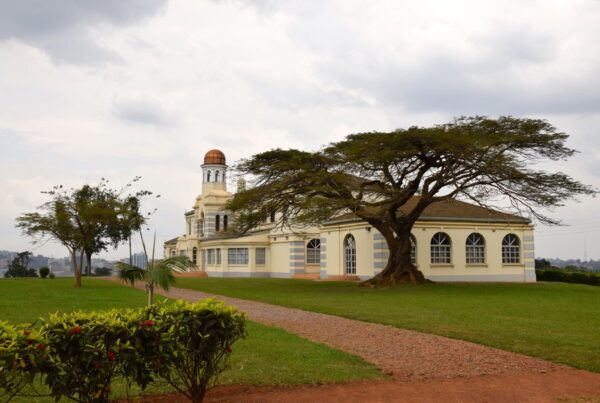
The Uganda Museum in Kampala, founded in 1908, is the oldest museum in East Africa. Its galleries cover the country’s ethnography, history, natural history and archaeology, and its traditional musical instrument collection is a highlight, with some instruments visitors can try. Outside, reconstructed traditional houses from different regions show how Uganda’s peoples have lived.
What to see
Displays include tools, weapons, clothing, crafts and ritual objects from Uganda’s many ethnic groups, fossils and archaeological finds, and natural history exhibits. The music gallery has drums, harps, xylophones and thumb pianos from across the country. The cultural village outside has homesteads in regional styles.
Visiting
The museum is on Kira Road, a short drive from central Kampala. Allow one to two hours, and a guide is worthwhile to explain the collections. It is a good introduction to Ugandan culture before travelling to the parks.
Combining your visit
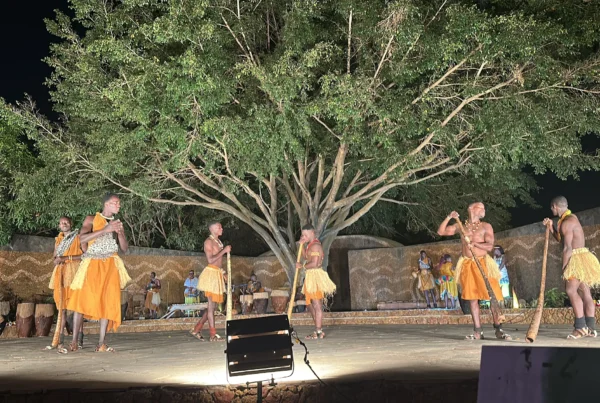
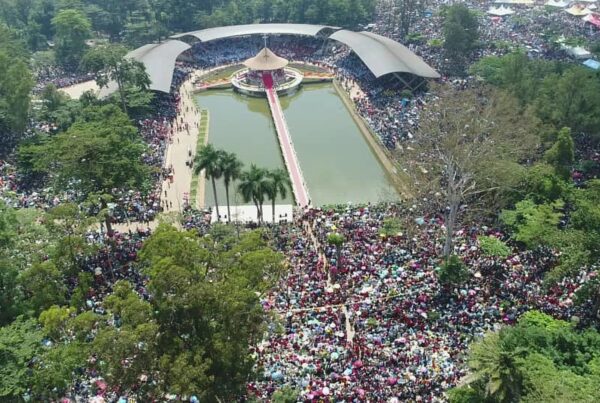
Combine the museum with other Kampala sights such as the Kabaka’s Palace or the Ndere Cultural Centre. The gorilla permit costs US$800, or US$600 in April, May and November. See our guides to Kampala’s religious landmarks and Kampala’s art scene.
Frequently asked questions
In 1908; it is the oldest museum in East Africa.
On Kira Road, Kampala.
The collection of traditional musical instruments.
One to two hours.
What the Uganda Museum Contains
The Uganda Museum in Kampala, established in 1908 and relocated to its current Kitante Road site in 1954, holds one of the most comprehensive collections of Ugandan cultural material in any institution — bark cloth samples from every historical period of the Buganda craft tradition, ethnographic objects from the full range of the country’s 56 ethnic communities, the natural history specimens that the colonial-era naturalists collected, and the historical documentation of Uganda’s transition from pre-colonial kingdoms through the British Protectorate to independence. The ethnographic galleries provide the contextual material for understanding the cultural communities that the visitor encounters in the safari itinerary — the pastoral tools and cattle iconography of the Ankole community, the bark cloth items of the Baganda, and the beadwork objects of the highland communities each have display cases that contextualise the living culture that roadside and market encounters provide only in fragments.
The natural history section’s bird and mammal specimens — including mounted examples of the gorilla and chimpanzee species that most visitors come to Uganda specifically to see in the wild — provide a physical encounter with the animals’ scale and morphology that the forest encounter’s distance and brevity sometimes leaves underappreciated. The museum’s archaeology section documents the Iron Age smelting cultures that the Bantu migrations established across the Great Lakes region, providing the material evidence for the historical depth that the landscape’s contemporary appearance does not immediately communicate.
The museum’s location in central Kampala makes it a practical half-day activity for visitors whose Kampala transit includes an afternoon free before an early morning departure to the western Uganda national parks. Admission is affordable and the guided tour that museum staff provide on request adds the interpretive layer that the display labels alone do not fully provide for visitors without specialist knowledge of the cultural and natural history context.
The Museum’s Cultural Exhibits in Detail
The bark cloth exhibit in the Uganda Museum is the most historically significant single collection in the building — the manufactured fabric that the Buganda Kingdom produced from the fig tree (Ficus natalensis) bark and that was simultaneously the dominant textile, the ceremonial item, the currency medium, and the mortuary wrapping that underpinned Buganda society is represented across the full range of its production techniques and historical periods. The oldest bark cloth pieces in the collection predate the colonial period and show the production quality that the specialised craftsmen in the Buganda royal workshops maintained across generations; the contemporary pieces show the continuity and adaptation that kept the craft alive through the colonial period’s fabric imports and the political disruptions of the 20th century. The musical instrument section — which covers the full range of the xylophone (amadinda and akadinda), the tube fiddle (endingidi), and the royal drum ensembles whose protocols governed their use — provides the sensory dimension that the ethnographic objects alone cannot deliver, and the museum staff will sometimes demonstrate instruments on request for visitors whose group interest justifies it. The archaeology section’s interpretation of the Bigo earthworks — the massive system of ditches in western Uganda that the Cwezi civilisation constructed and whose scale rivals the medieval European castle constructions — is among the most intellectually stimulating components of the museum for visitors with an interest in Africa’s pre-colonial history.