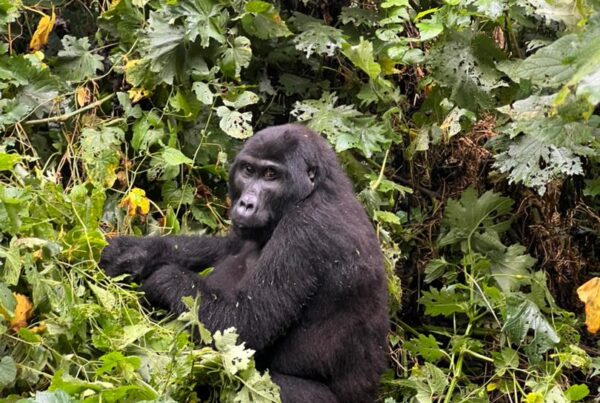
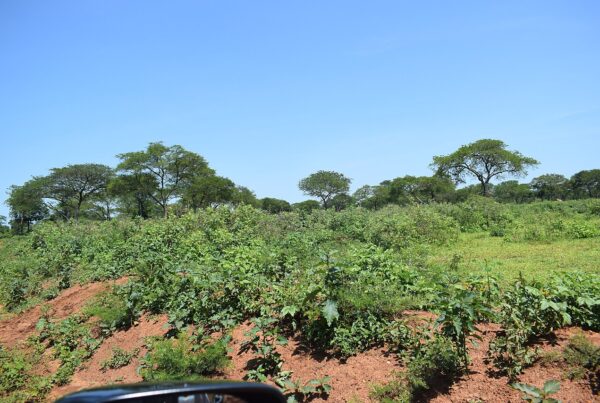
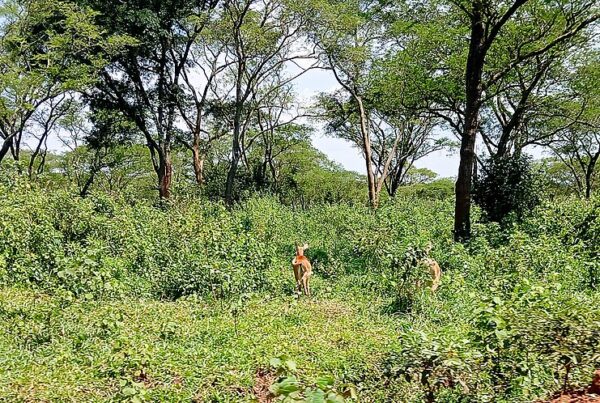
Self-driving in Uganda is possible in 2027, and appeals to independent travellers who want to set their own pace — but it requires more preparation than self-driving in Europe or North America, starting with the fact that Uganda drives on the left, roads vary from excellent tarmac to rough unpaved forest tracks, and the road to Bwindi demands a capable 4WD vehicle in all conditions. For gorilla trekking specifically, self-driving means you hold an active permit and must arrive at the Bwindi Impenetrable National Park briefing point by 7:30am — the forest road conditions, fuel availability, and distance from the nearest town all affect whether this is realistic. See driver-guided gorilla safari packages for a comparison with the fully guided experience.
- Driving side: left (same as UK, Kenya, Tanzania)
- Vehicle needed: 4WD essential for Bwindi, Kidepo, and unpaved national park roads
- Licence: valid home country driving licence accepted; international driving permit recommended
- Fuel: available in all major towns; fuel up before leaving Kabale for Bwindi — no stations on the forest road
- Speed limits: 80km/h on open roads, 50km/h through towns — enforced by police checkpoints
- Night driving: not recommended on unpaved roads or in national parks
Self-driving in Uganda is possible in 2027 and appeals to independent travelers who want the freedom to set their own pace without a driver. However, it requires more preparation than self-driving in Europe or North America. Road conditions vary significantly, navigation can be challenging in rural areas, and hiring a vehicle involves navigating a local car hire market that operates differently from international chains. This guide covers the rules, practical realities, and key tips for self-driving in Uganda.
Driving License Requirements
Uganda recognizes foreign driving licenses issued in English. If your license is not in English, you need an International Driving Permit (IDP) to accompany it. IDPs are issued in your home country and must be obtained before you travel — they cannot be issued in Uganda. Uganda drives on the left side of the road, which is the same as the UK and most Commonwealth countries. Visitors from right-hand-drive countries (USA, most of continental Europe) need to adjust to left-hand traffic.
Car Hire in Uganda
International car hire chains have limited presence in Uganda. Most car hire is through local operators in Kampala and Entebbe. Quality and pricing vary widely. For self-drive safaris to national parks, you need a 4WD vehicle — a standard sedan is not appropriate for unpaved park roads. 4WD self-drive hire costs approximately $80 to $150 per day in 2027 depending on vehicle age and specification. Most reputable operators also offer roof tents, camping gear, and navigation aids for self-drive safari setups.
Recommended Hire Operators
When hiring from a local operator, verify that the vehicle has current road license, insurance, and third-party cover. Ask for these documents and check dates. Inspect the vehicle for existing damage and photograph it before signing the hire agreement. Confirm whether the hire rate includes unlimited kilometers or has a daily mileage cap. Ask what happens in the event of a breakdown and whether roadside assistance is included. Reputable Kampala operators will have answers to all of these questions readily available.
Road Conditions in 2027
Uganda’s main national highways are generally good quality tarmac. The Kampala-Masaka-Mbarara-Kabale corridor is well maintained and navigable in a 4WD without difficulty. The road to Bwindi from Kabale transitions to unpaved tracks for the final stretch that can be muddy in wet season. Park interior roads are unpaved and require a capable 4WD. In the north, roads to Kidepo Valley are significantly rougher and only appropriate for experienced off-road drivers. Never underestimate how road conditions change with rainfall — what is passable in dry season may require a winch in wet season.
Navigation and Mobile Data
Google Maps works well in Uganda for main roads and larger towns. In rural areas and national parks, coverage becomes patchy. Download offline maps for your entire itinerary before leaving Kampala. Apps like Maps.me also work well offline and cover Uganda’s road network including dirt tracks. Physical paper maps are a useful backup. Road signage in Uganda is adequate on main highways but sparse on minor roads — GPS navigation is essential for self-drive visitors unfamiliar with the country.
Fuel and Range Planning
Fuel is widely available in Ugandan towns but becomes scarce near parks and remote areas. Fill up at every opportunity when approaching park zones. Keep a fuel range buffer — do not let the tank drop below one quarter when in rural areas. For long drives to places like Kidepo in the far north, carry a 20-liter jerry can as backup. Fuel quality is generally reliable from branded stations in towns; avoid purchasing from roadside vendors with unmarked containers.
Self-Drive vs Driver-Guide
For gorilla trekking specifically, self-drive has limitations. You cannot take your vehicle inside Bwindi on the trek itself — a park ranger guides you on foot. Self-drive works well as transport to the park and between lodges. However, most visitors find that a driver-guide adds significant value: local knowledge, wildlife spotting from the vehicle, navigation confidence, and someone who can handle mechanical issues or road emergencies without involving an unfamiliar foreign traveler in a stressful situation. Self-drive is for experienced Africa travelers who have done it before and know what they are handling.
Self-driving in Uganda in 2027 is rewarding for those who come prepared. The roads are better than many visitors expect, the scenery is spectacular, and the freedom to stop anywhere is genuinely valuable. Do the paperwork correctly, hire the right vehicle, download your offline maps, and fill up before you get remote — and Uganda will reward you with one of the best self-drive experiences in East Africa.
Can tourists self-drive to Bwindi for gorilla trekking?
Yes — Uganda does not require a driver-guide for gorilla trekking. You can hold an independent permit and drive yourself to Bwindi, where a park ranger guide is assigned to your group for the trek itself. However, the practical challenges are significant: the road from Kabale to Bwindi is unpaved and requires 4WD engagement after rain; you must arrive at the briefing point by 7:30am regardless of road conditions; and fuel is not available between Kabale and Bwindi. Most self-drivers stay at lodges within walking distance of the Buhoma or Rushaga briefing points to ensure punctual arrival the next morning.
What type of car hire is available in Uganda for self-drive?
Several car hire companies in Kampala and Entebbe offer 4WD vehicles for self-drive — Toyota Land Cruisers, RAV4s, and similar. Rates vary but typically include comprehensive insurance (check the excess carefully), and most companies require a credit card deposit. Some operators offer the vehicle with optional rooftop tents for budget camping. For Bwindi specifically, request a vehicle with proper ground clearance and 4WD low-range capability — compact SUVs without proper 4WD are not suitable for the forest access road in wet conditions. Confirm your drop-off location in advance if returning from a different national park than your starting point.
What are Uganda’s main road rules for visitors?
Uganda drives on the left, consistent with Kenya and Tanzania. Speed limits are 80km/h on open highways and 50km/h through towns and trading centres — police checkpoints are common and speed limits are enforced. Seat belts are mandatory for all occupants. Mobile phone use while driving is illegal. At police checkpoints, stop calmly, present your licence and vehicle registration documents, and be polite. Uganda’s road police are generally professional with tourists who are driving properly. International visitors should carry their original driving licence; an International Driving Permit is additionally useful in case of queries.
What are the risks of self-driving in Uganda compared to a guided safari?
The primary risks are road navigation, breakdowns on remote routes, and unfamiliarity with local driving norms. Uganda’s larger roads are well-signed but secondary and forest roads can be confusing — offline maps (Maps.me or OsmAnd with Uganda data downloaded) are essential. A breakdown on the road to Bwindi could mean missing your gorilla trekking permit, which is non-refundable except in exceptional circumstances. A guided safari eliminates all these logistics: the operator handles permits, timing, vehicle maintenance, and route knowledge. Self-drive suits experienced Africa travellers comfortable with improvising; first-time Uganda visitors typically prefer the security of a guide and driver.
Is self-driving in Uganda’s national parks allowed?
Self-driving is permitted in Queen Elizabeth, Murchison Falls, and Lake Mburo National Parks — you pay park entrance fees and drive the game-viewing circuits independently. Bwindi Impenetrable is different: the gorilla trekking itself requires a Uganda Wildlife Authority ranger guide assigned at the briefing point, so while you can drive yourself to the briefing, the trek is never truly unguided. Kidepo Valley National Park in the far north is technically self-driveable but very remote, and guided tours are far more practical given the distance and road conditions. For wildlife viewing in parks like Queen Elizabeth, self-drive gives great flexibility but means no expert wildlife identification — binoculars and a good field guide are essential.
- Uganda Road Conditions: What to Expect on Safari Drives
- Top 5 Car Hire Companies for Self-Drive Gorilla Trekking in Uganda
- Self-Drive Safaris in Uganda
- Self-Drive vs Guided Gorilla Tours in Uganda: Which Is Better?
- The Day a Gorilla Group Crossed the Road: Drivers Stopped and Watched
- The Road to Bwindi: What You See on the 8-Hour Drive From Kampala
- Entebbe to Bwindi by Road: The Scenic 8-Hour Drive Guide 2027
- Uganda Road Conditions 2027: Which Routes Are Paved and Which Are Not
- The Kampala to Bwindi Road: Exactly What You Drive Through 2027
- Fuel Costs Driving to Bwindi: How to Budget for a Self-Drive Trip 2027