

Where the soul of the forest whispers in the mist
The Kahungye family is one of the long-established local families closely associated with the Rushaga sector of Bwindi Impenetrable National Park. Rushaga, located in the southern part of Bwindi, is renowned for its high concentration of habituated gorilla families and its strong integration of community participation within conservation and tourism. The Kahungye family’s history reflects the broader human story of this region, where forest dependence, cultural identity, and conservation transformation intersect.
For generations, the Kahungye family lived adjacent to the Bwindi forest, relying on its natural resources for food, medicine, shelter, and cultural continuity. Their ancestral relationship with the forest predates the gazettement of Bwindi as a national park in 1991. Today, the family plays an important role in community-based tourism and conservation awareness in Rushaga, offering visitors a grounded understanding of how local lives have adapted alongside gorilla protection and sustainable tourism development.
So lace up your boots, grab your camera, and prepare to meet the wild — this is where your gorilla trekking dreams and unforgettable safari adventures truly begin.
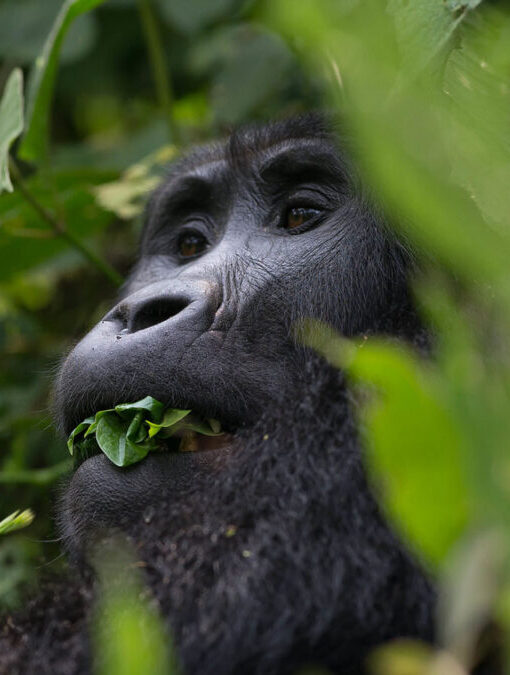
Truly Iconic Highlights in Uganda

Trek through Bwindi’s mystical rainforest and meet the endangered mountain gorillas in their breathtaking natural home.
Encounter mountain gorillas and golden monkeys on Mgahinga’s misty volcanic trails, where culture and alpine wildlife thrive together.
Unwind after your trek with a peaceful canoe ride across Lake Bunyonyi, Uganda’s most tranquil and scenic highland lake.
Enhance your gorilla trekking safari with an optional chimpanzee encounter in Uganda’s lush forests, adding depth and diversity to your primate adventure
Gorilla Trekking Tours in Uganda – Our Most Popular Itineraries.
Explore our gorilla trekking safaris for every traveler—solo, family, budget, or luxury. All tours include permits, transport, accommodation, meals, and park fees. Whether for a quick trip or a deeper adventure, we’ve got you covered.
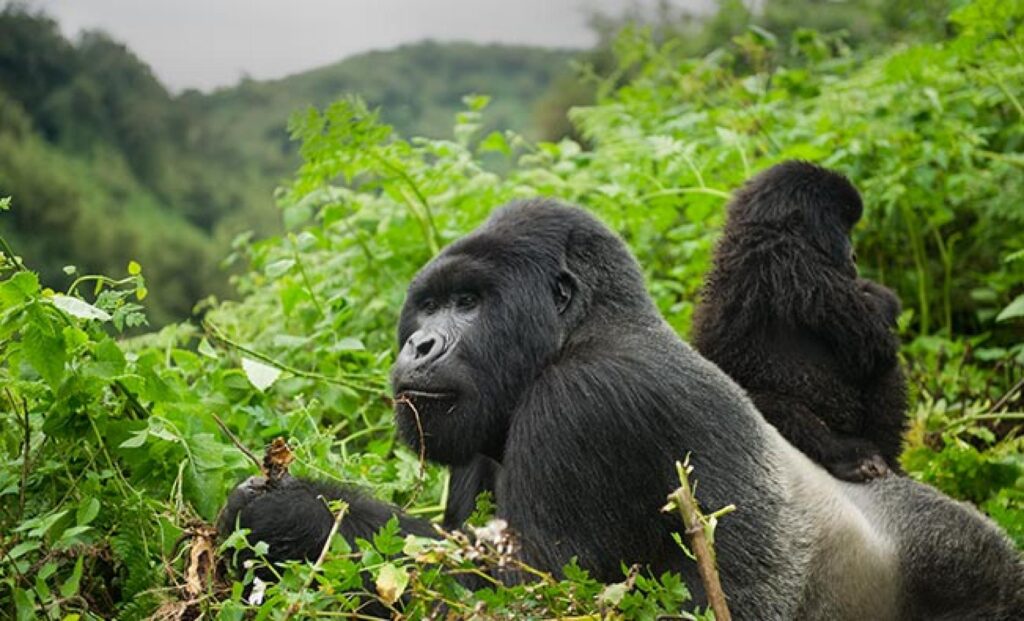
3-Day Bwindi Gorilla Trekking Safari
3-Day Bwindi Gorilla Trekking Safari
4-Day Uganda Gorilla Trekking Safari
4-Day Uganda Gorilla Trekking Safari
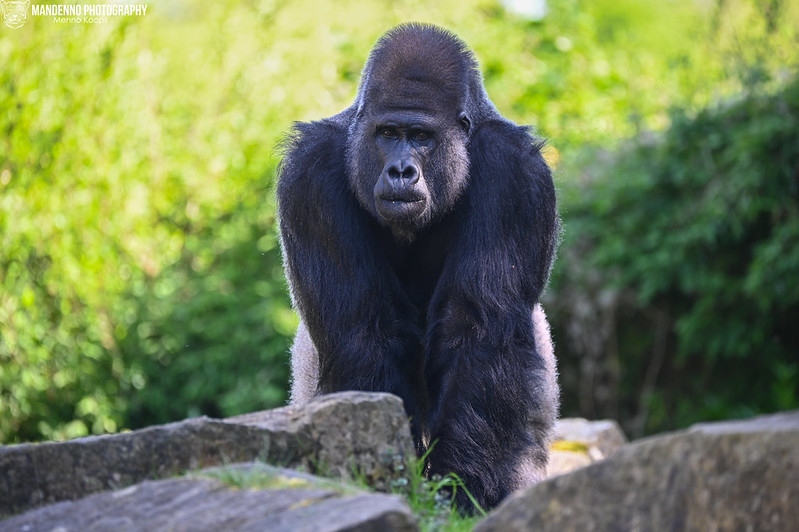
5-Day Gorilla Tracking and Wildlife Safari
5-Day Gorilla Tracking and Wildlife Safari
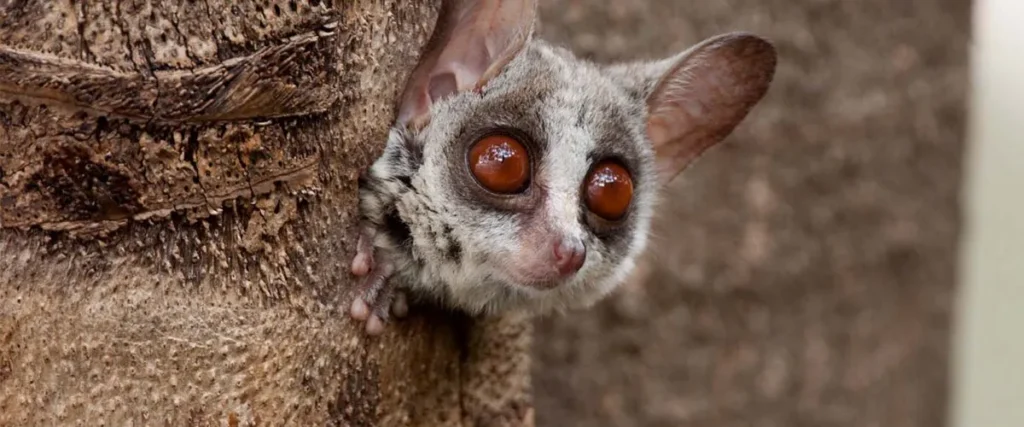
7-Day Uganda Primate Adventure & Wildlife Safari
7-Day Uganda Primate Adventure & Wildlife Safari
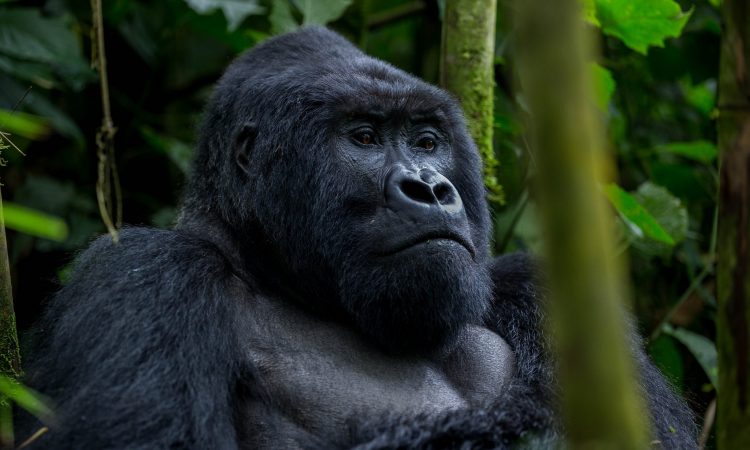
10-Day Gorilla Trekking & Big Five Safari in Uganda
10-Day Gorilla Trekking & Big Five Safari in Uganda
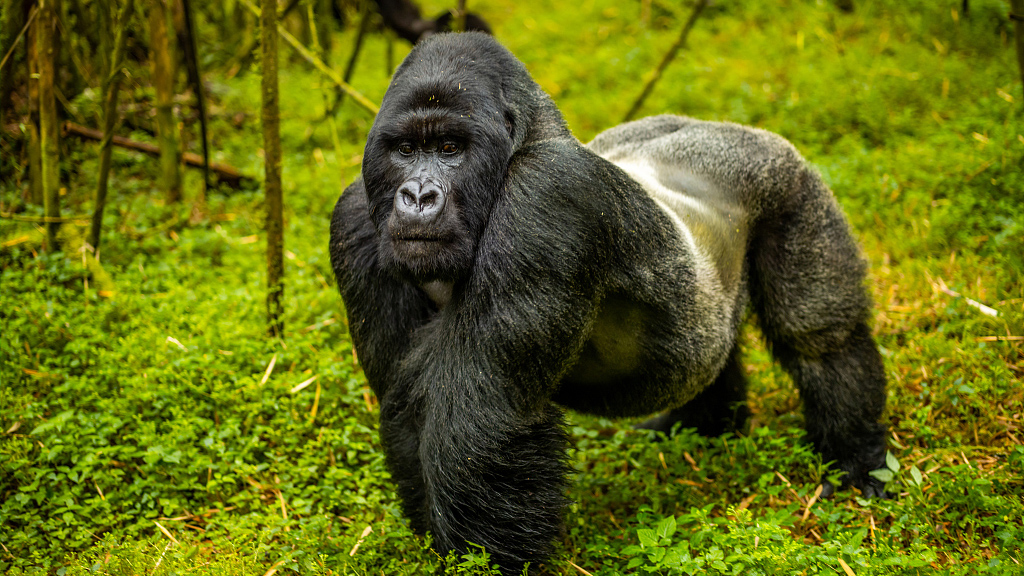
12-Day Uganda Gorilla Trekking, Chimp Tracking & Cultural Safari
12-Day Uganda Gorilla Trekking, Chimp Tracking & Cultural Safari
14-Day Best of Uganda Safari – Gorillas, Wildlife, Cultures
14-Day Best of Uganda Safari – Gorillas, Wildlife, Cultures
A DETAILED STUDY OF THE KAHUNGYE FAMILY – RUSHAGA SECTOR
Geographical location and landscape setting
The Kahungye family homestead is situated in the Rushaga sector, along the southern boundary of Bwindi Impenetrable National Park. This area is characterized by steep hills, deep valleys, and thick montane forest that transitions into cultivated farmland. Rushaga lies at a higher altitude than northern sectors of Bwindi, resulting in cooler temperatures and frequent mist that shapes both agricultural practices and forest ecology.The landscape surrounding the Kahungye family reflects the dramatic terrain of southern Bwindi, where narrow footpaths connect villages, gardens, and forest edges. The proximity to multiple gorilla trekking trailheads has positioned Rushaga as a key tourism hub, and families such as the Kahungye have become integral to the human infrastructure that supports conservation and visitor experiences.
Historical background and forest livelihood
Historically, the Kahungye family depended heavily on the Bwindi forest for survival. The forest provided wild fruits, small game, medicinal plants, firewood, and materials for housing. Knowledge of the forest ecosystem was passed down orally, with elders teaching younger generations how to identify edible plants, navigate forest trails, and coexist with wildlife.The creation of Bwindi Impenetrable National Park brought significant changes to this way of life. Restrictions on forest access altered traditional livelihoods, requiring families to transition toward agriculture and alternative income sources. The Kahungye family’s experience during this period mirrors the broader community adjustment in Rushaga, where adaptation was necessary to align daily life with conservation regulations.
Transition into conservation and tourism
As gorilla tourism expanded in the Rushaga sector, members of the Kahungye family became involved in conservation-related activities such as portering, guiding support, and community tourism initiatives. Their deep familiarity with the forest environment made them valuable contributors to early tourism operations and conservation awareness programs.This involvement helped shift perceptions of wildlife conservation from a source of loss to a source of opportunity. The family came to recognize that gorilla protection could directly support livelihoods through employment, education funding, and community development projects. Their participation strengthened trust between local residents, park authorities, and tour operators, reinforcing Rushaga’s reputation as a community-engaged trekking sector.
Cultural identity and family life
The Kahungye family belongs to the Bakiga community, whose cultural traditions emphasize hard work, resilience, and strong family bonds. Daily life revolves around shared responsibilities, including farming, household management, and community cooperation. Oral storytelling remains central to preserving family history, particularly stories about life before the park and the cultural importance of the forest.Traditional values continue to guide social organization, marriage practices, and respect for elders. Visitors engaging with the Kahungye family gain insight into how Bakiga culture has adapted while maintaining continuity in the face of conservation-driven change. These interactions provide cultural depth to the Rushaga trekking experience.
Agriculture and present-day livelihoods
Today, the Kahungye family relies primarily on small-scale agriculture, supplemented by income from tourism-related activities. Crops such as bananas, beans, Irish potatoes, maize, and vegetables are grown on terraced hillsides to reduce soil erosion. Livestock keeping, including goats and chickens, contributes to household food security and income diversification.Farming near the forest edge requires careful land management to minimize human–wildlife conflict. The family applies soil conservation techniques and respects park boundaries, demonstrating how agriculture and conservation can coexist. These practices reflect the broader adaptation strategies adopted by Rushaga communities living close to Bwindi.
Community tourism and cultural engagement
The Kahungye family participates in community tourism initiatives that allow visitors to experience everyday life in Rushaga beyond gorilla trekking. Cultural visits focus on conversation, demonstration of daily activities, and sharing personal histories rather than staged performances. Guests learn about traditional farming methods, household routines, and the family’s evolving relationship with the forest.These interactions foster mutual respect and understanding while generating supplementary income for the family. Tourism revenue supports education, healthcare, and household development, reinforcing the tangible benefits of conservation-aligned livelihoods. The Kahungye family’s openness contributes to Rushaga’s reputation for meaningful cultural exchange.
Relationship with conservation authorities
Over time, the Kahungye family has developed a cooperative relationship with Bwindi Impenetrable National Park management. Through conservation education programs, revenue-sharing schemes, and employment opportunities, the family has become actively involved in protecting the forest ecosystem.Family members often share insights into changing attitudes toward gorillas, describing a shift from fear and competition to pride and stewardship. They also discuss ongoing challenges such as crop raiding and land pressure, offering visitors a balanced perspective on conservation realities. This transparency enhances visitor understanding and appreciation of community-based conservation.
Education and future aspirations
Education has become increasingly important within the Kahungye family, supported by improved access to schools and income from tourism. Younger family members are encouraged to pursue formal education while maintaining respect for cultural heritage and environmental responsibility.Elders emphasize the importance of passing down traditional knowledge, ensuring that cultural identity remains strong even as opportunities expand. This balance between education and tradition reflects the evolving aspirations of communities surrounding Bwindi, where future livelihoods are increasingly diversified.
Visitor experience and cultural impact
Visits to the Kahungye family provide visitors with an intimate and human-centered understanding of Rushaga’s conservation landscape. Guests often describe these encounters as insightful and emotionally resonant, offering perspectives that deepen their appreciation of gorilla trekking experiences.The authenticity and simplicity of the interaction make it accessible to visitors of all backgrounds. By engaging directly with local families, guests gain a clearer understanding of how conservation success is linked to community well-being.
Role within Rushaga’s conservation story
The Kahungye family contributes to Rushaga’s identity as a sector where conservation and community involvement are closely intertwined. Their participation in tourism and conservation initiatives supports local development while reinforcing positive attitudes toward wildlife protection.Their story also provides valuable lessons for conservation planning, highlighting the importance of integrating local voices and histories into protected area management. This influence extends beyond Rushaga, offering a model for people-centered conservation approaches across the region.
Custodians of culture and adaptation
The Kahungye family represents the resilience and adaptability of communities living alongside Bwindi Impenetrable National Park. Their journey from forest dependence to conservation participation reflects the broader transformation of the Rushaga sector. Through cultural openness, agricultural adaptation, and tourism engagement, they embody the human dimension of conservation success.For visitors, engaging with the Kahungye family adds depth and meaning to the Rushaga experience, reminding them that Bwindi’s forests are not only ecological treasures but also cultural landscapes shaped by generations of human connection.
More Gorilla Trekking Information to Know.
Gorilla trekking goes far beyond just the hike — it’s a deep, emotional journey into the heart of Africa’s last wild rainforests. Knowing the right timing, permits, fitness tips, and park details can turn your experience from good to unforgettable.
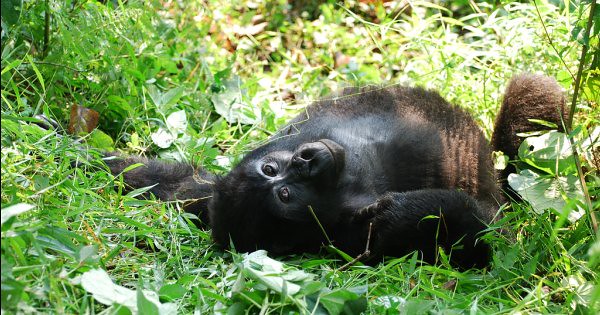
Gorilla Trekking in Bwindi Impenetrable Forest
Gorilla Trekking in Bwindi Impenetrable Forest
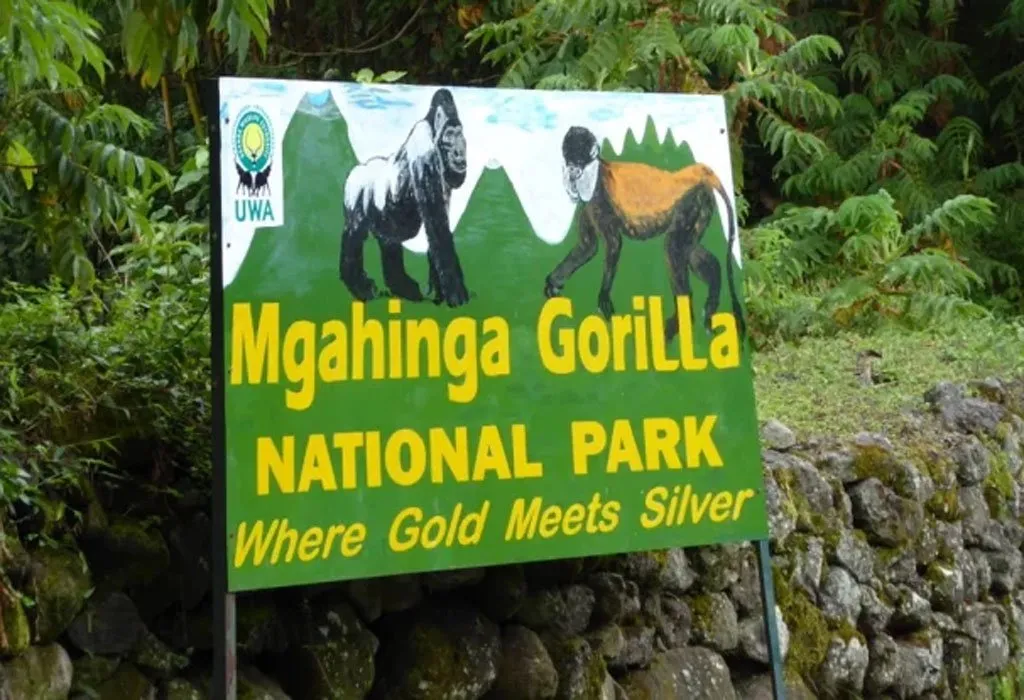
Trekking Gorillas in Mgahinga National Park
Trekking Gorillas in Mgahinga National Park
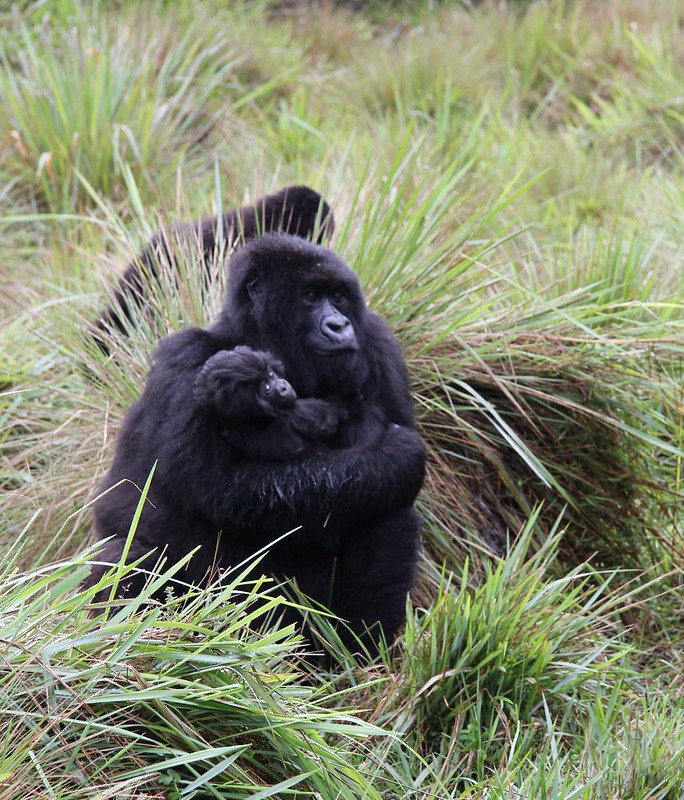
Uganda Gorilla Trekking Permits – Prices, Booking, & Travel Tips
Uganda Gorilla Trekking Permits – Prices, Booking, & Travel Tips
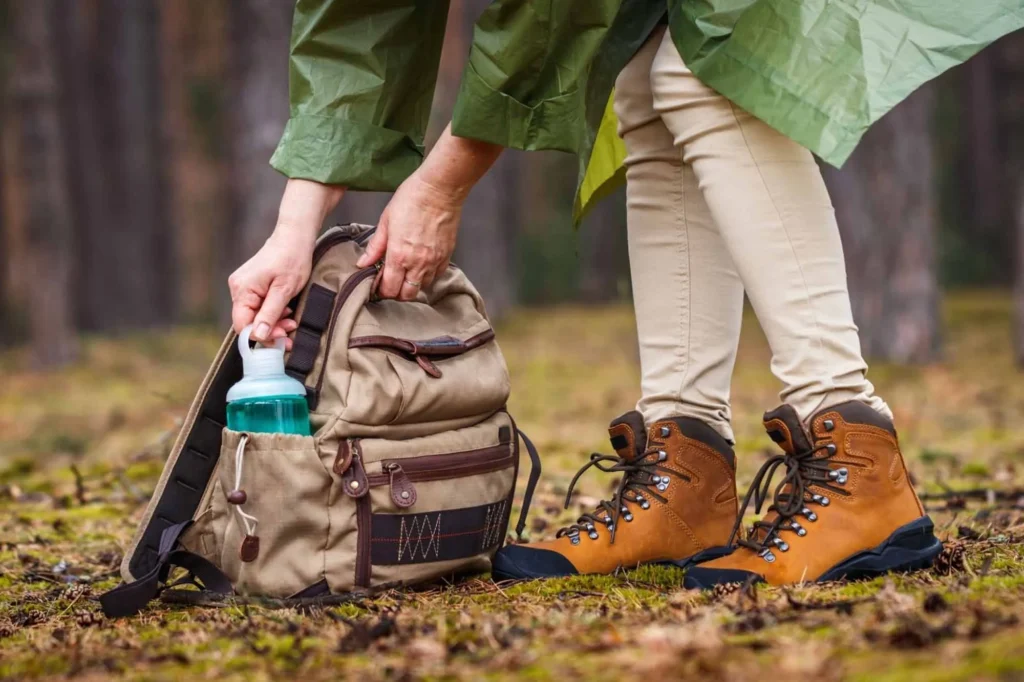
What to Pack for Gorilla Trekking in Uganda – Expert Checklist
What to Pack for Gorilla Trekking in Uganda – Expert Checklist
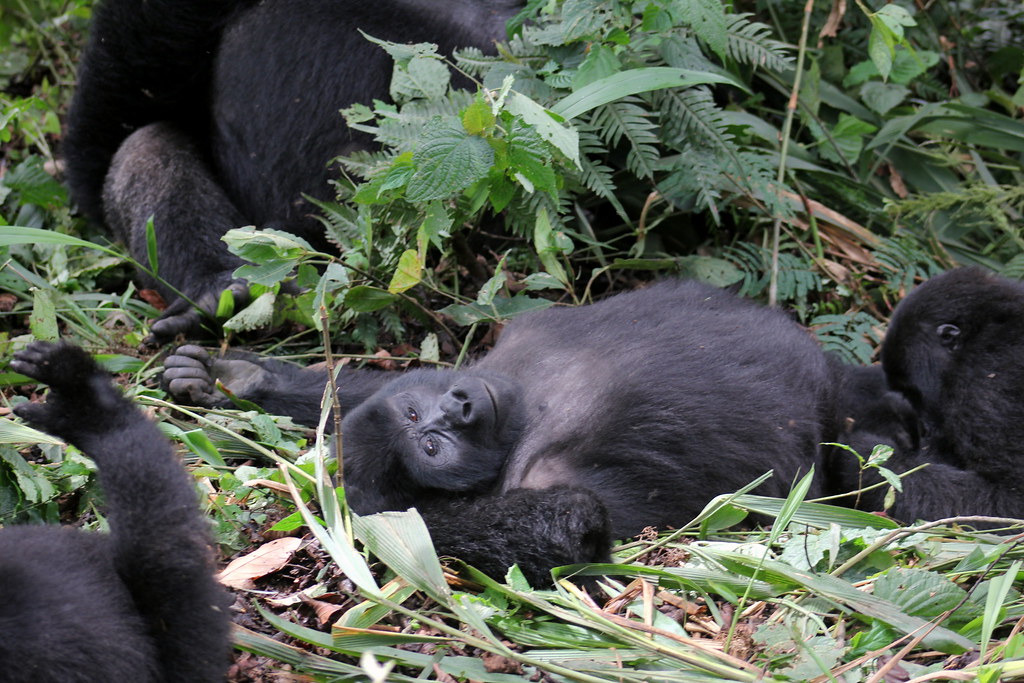
Best Time to Go Gorilla Trekking in Uganda – Weather & Seasons
Best Time to Go Gorilla Trekking in Uganda – Weather & Seasons
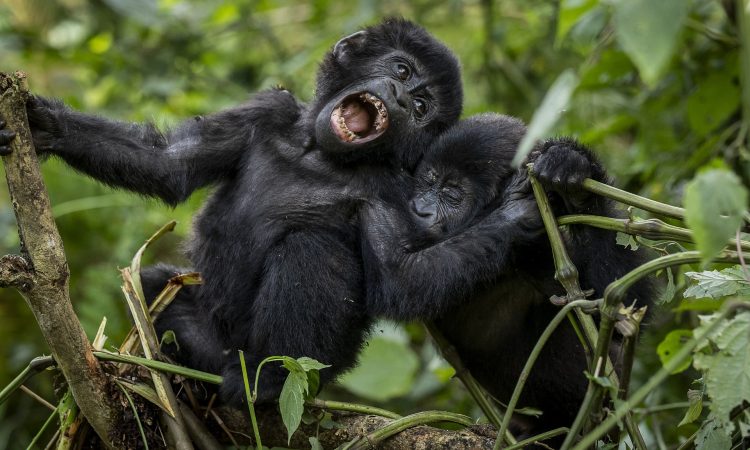
Gorilla Trekking Difficulty in Uganda – Fitness & Trail Guide
Gorilla Trekking Difficulty in Uganda – Fitness & Trail Guide
Gorilla Trekking Rules in Uganda – Safety, Respect & Ethics
Gorilla Trekking Rules in Uganda – Safety, Respect & Ethics
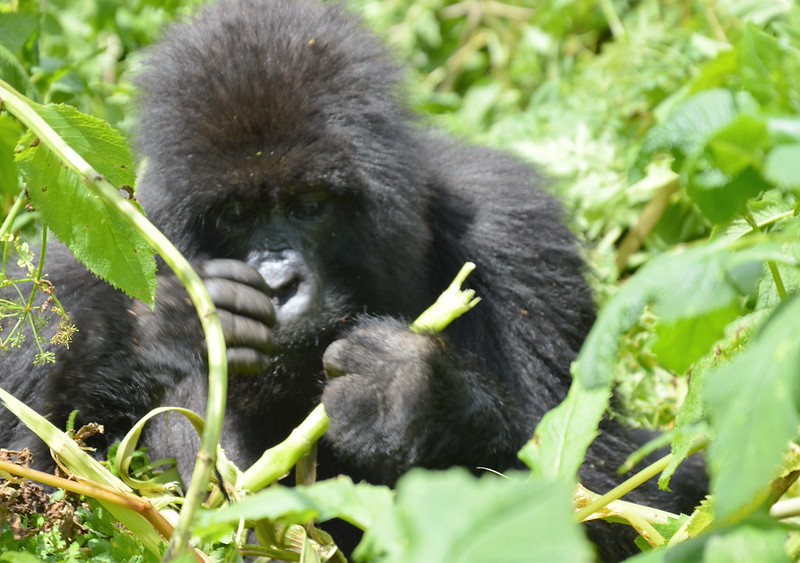
Gorilla Conservation in Uganda – Protecting the Mountain Giants
Gorilla Conservation in Uganda – Protecting the Mountain Giants
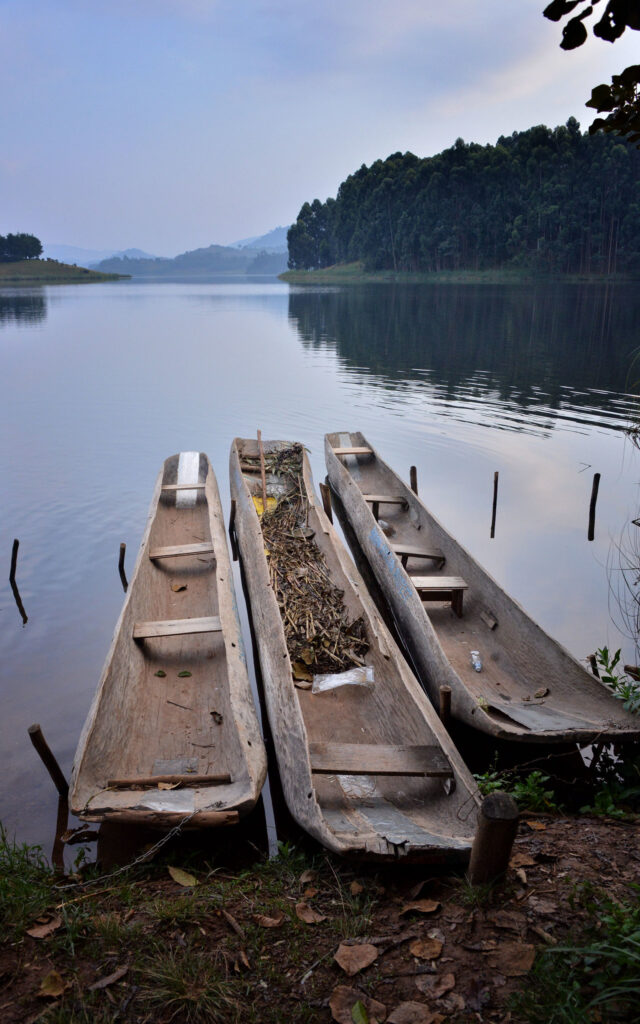
Bwindi vs. Mgahinga – Which One to Choose For Gorilla Trekking?
Bwindi vs. Mgahinga – Which One to Choose For Gorilla Trekking?
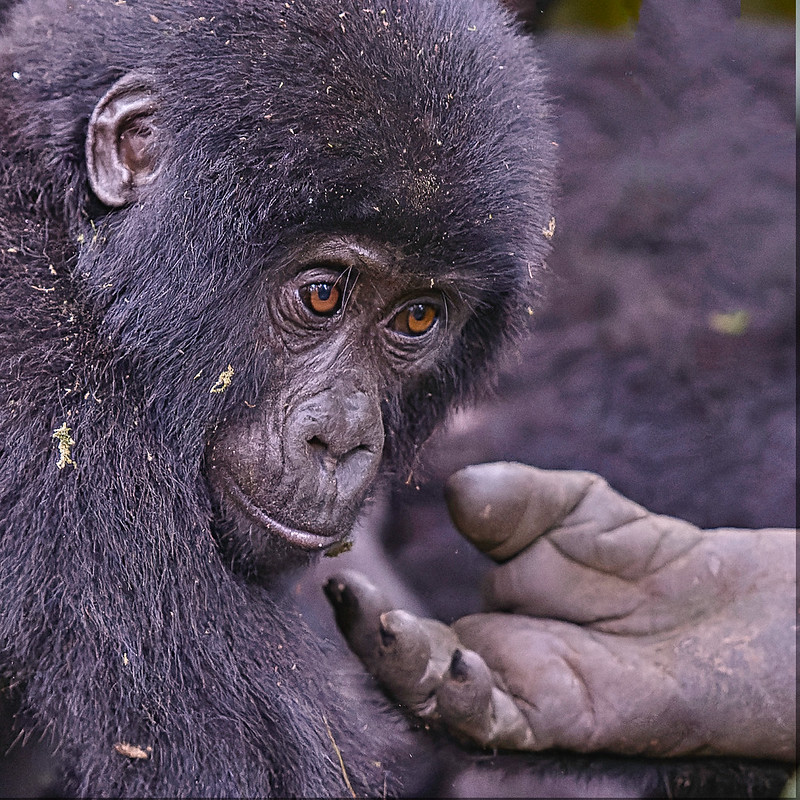
How to Stay Safe and Healthy While Traveling in Uganda
How to Stay Safe and Healthy While Traveling in Uganda
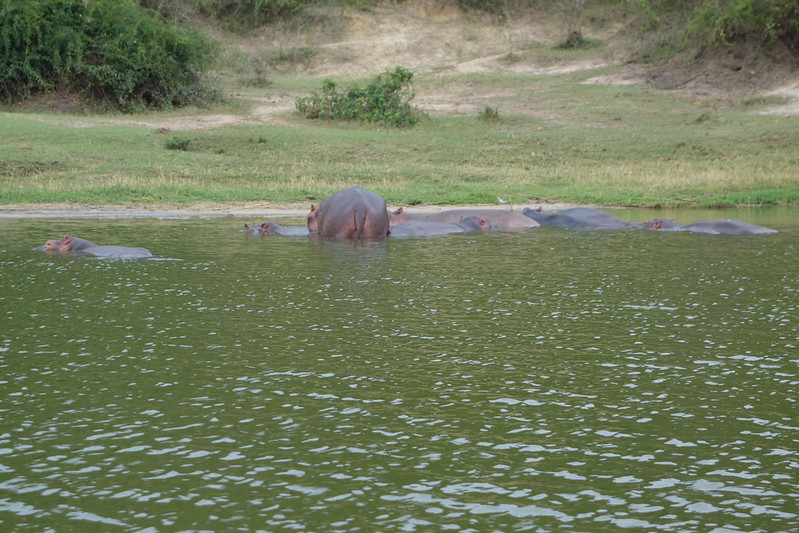
Routes, Tips & Travel Wisdom for Getting to Bwindi or Mgahinga
Routes, Tips & Travel Wisdom for Getting to Bwindi or Mgahinga
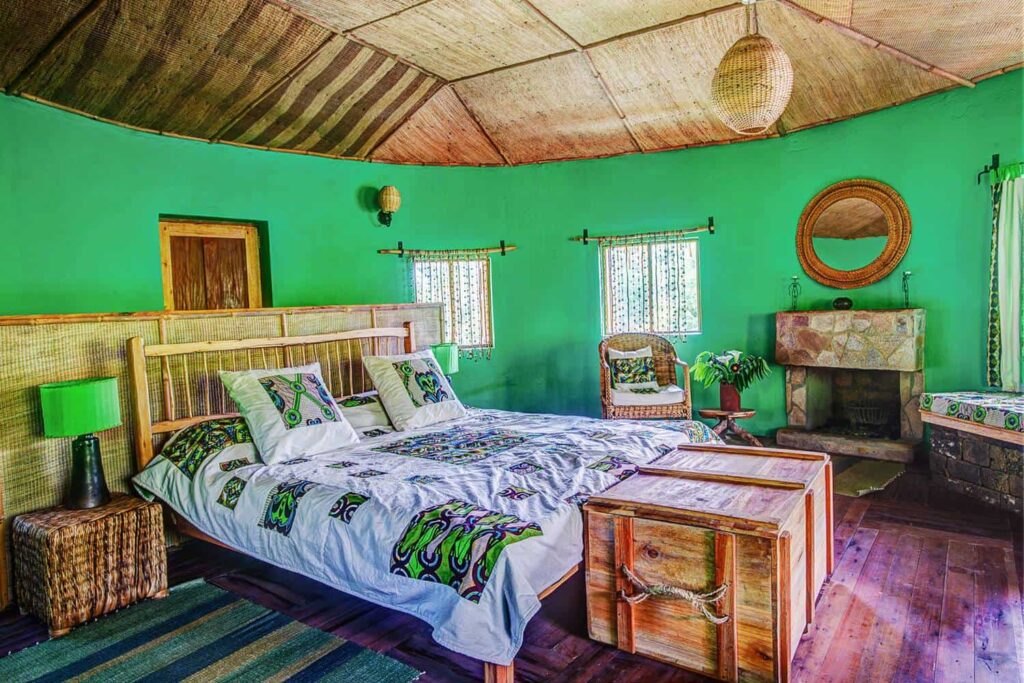
Accommodation Options: Lodges & Camps in Bwindi and Mgahinga
Accommodation Options: Lodges & Camps in Bwindi and Mgahinga
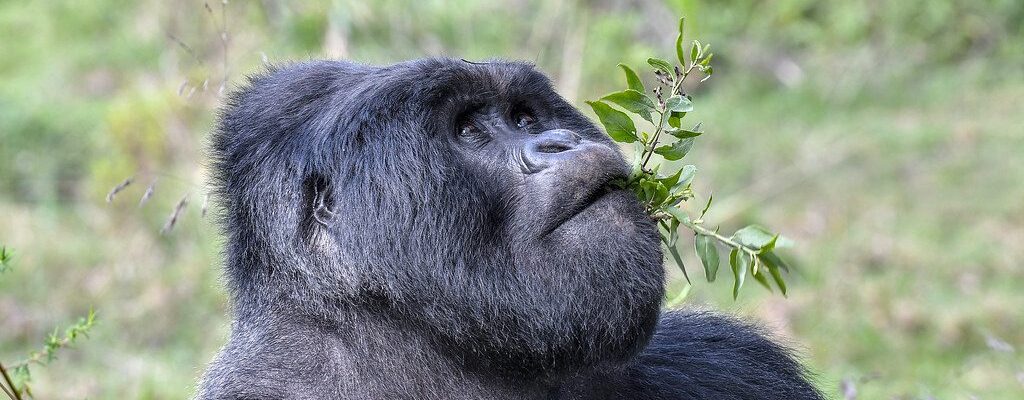
Protecting What You Came to See: Gorilla Conservation & Ethics
Protecting What You Came to See: Gorilla Conservation & Ethics
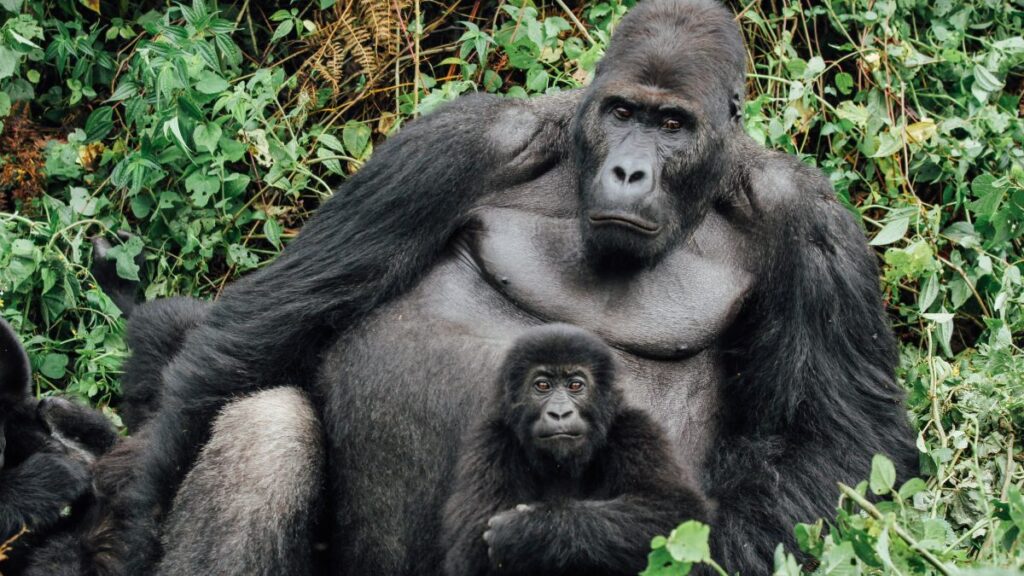
Travel Insurance for Gorilla Treks: Before You Go
Travel Insurance for Gorilla Treks: Before You Go
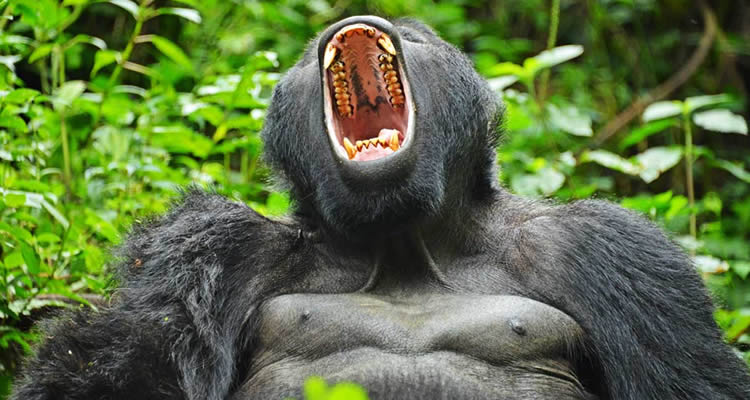
First Time Gorilla Trekking? Here’s Everything I Wish I Knew
First Time Gorilla Trekking? Here’s Everything I Wish I Knew
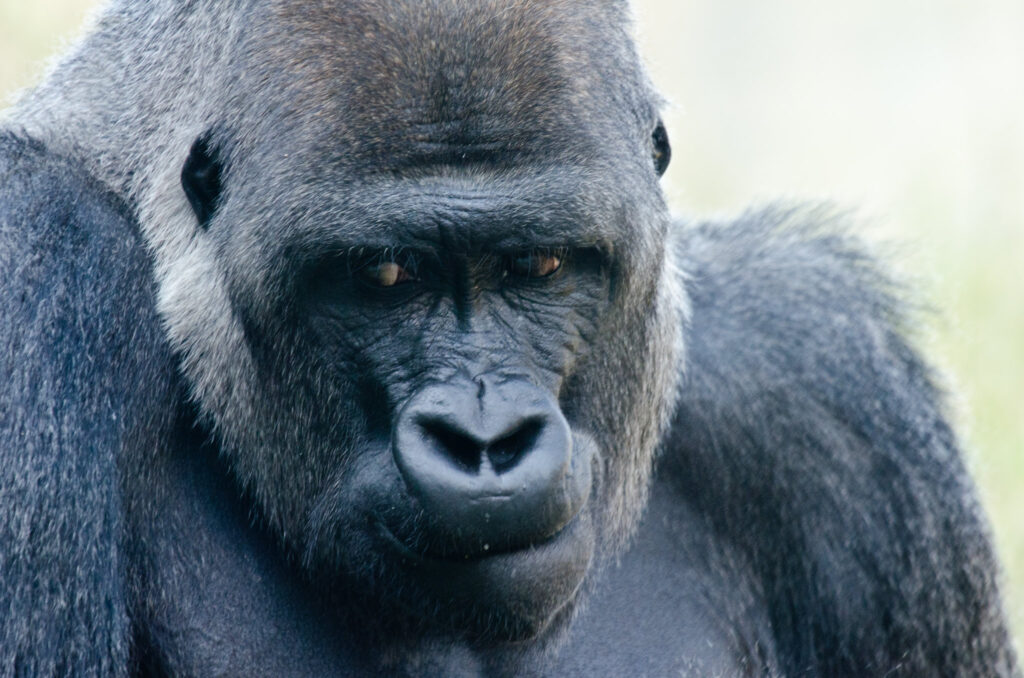
Step by Step: What Happens During a Gorilla Trekking Day
Step by Step: What Happens During a Gorilla Trekking Day
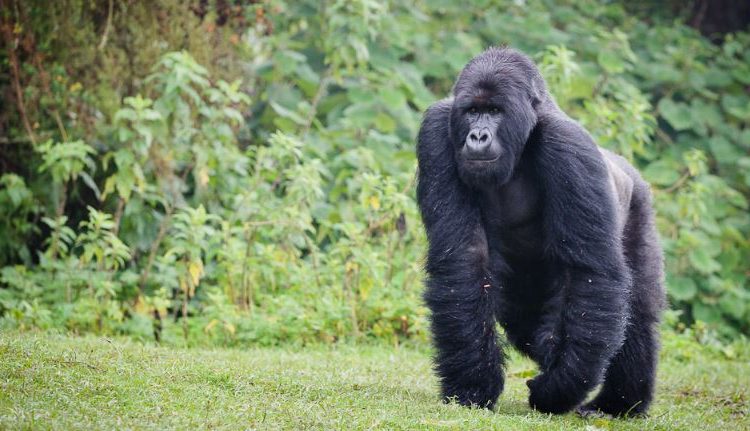
Gorilla Trekking vs. Gorilla Tracking – What’s the Real Difference?
Gorilla Trekking vs. Gorilla Tracking – What’s the Real Difference?
Beyond Gorillas: Other Wildlife You Can See During Your Trek
Beyond Gorillas: Other Wildlife You Can See During Your Trek
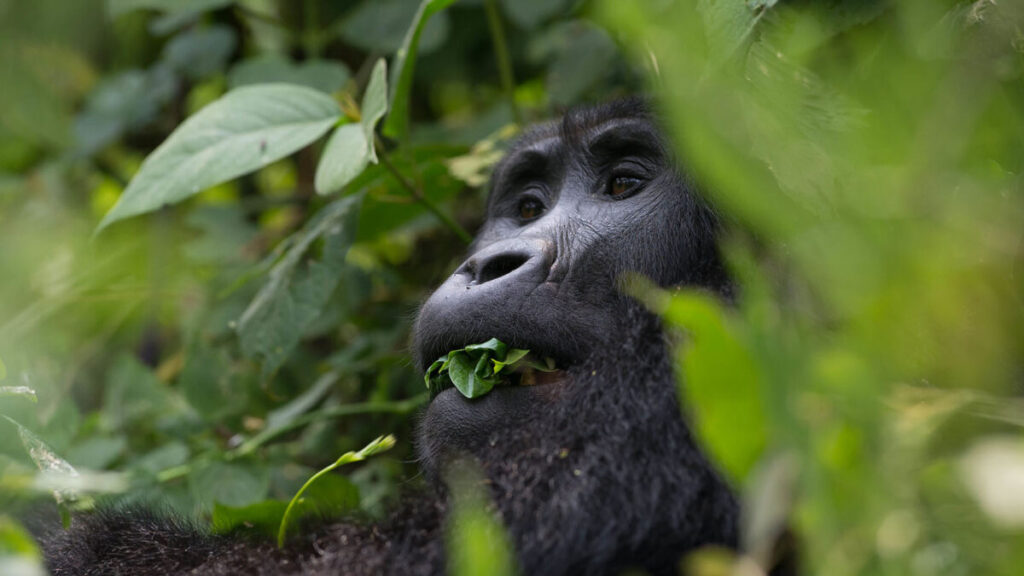
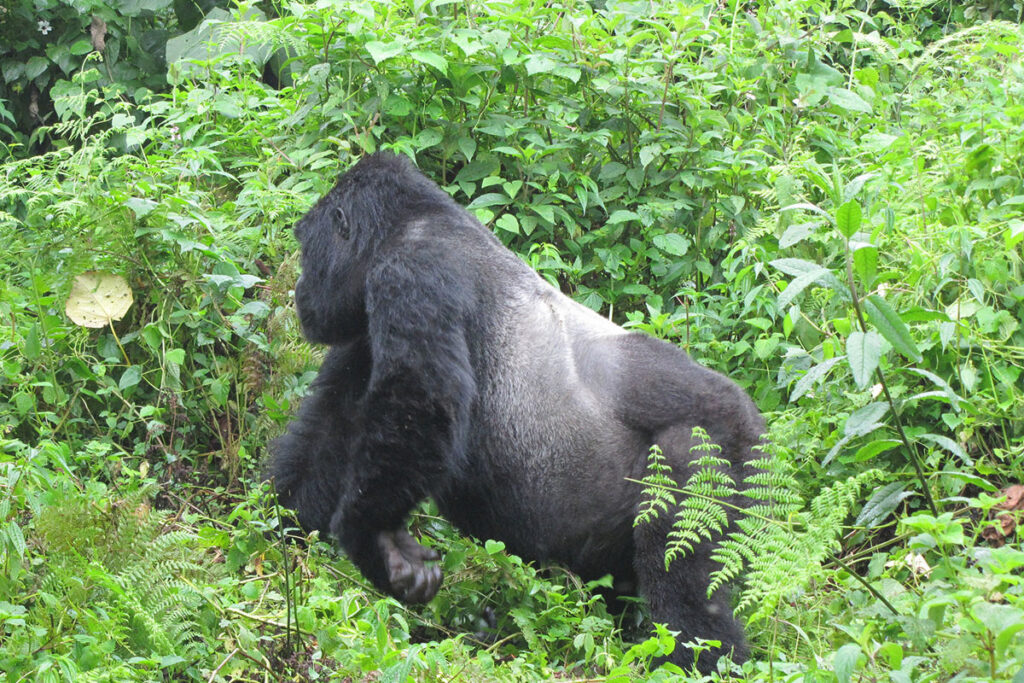
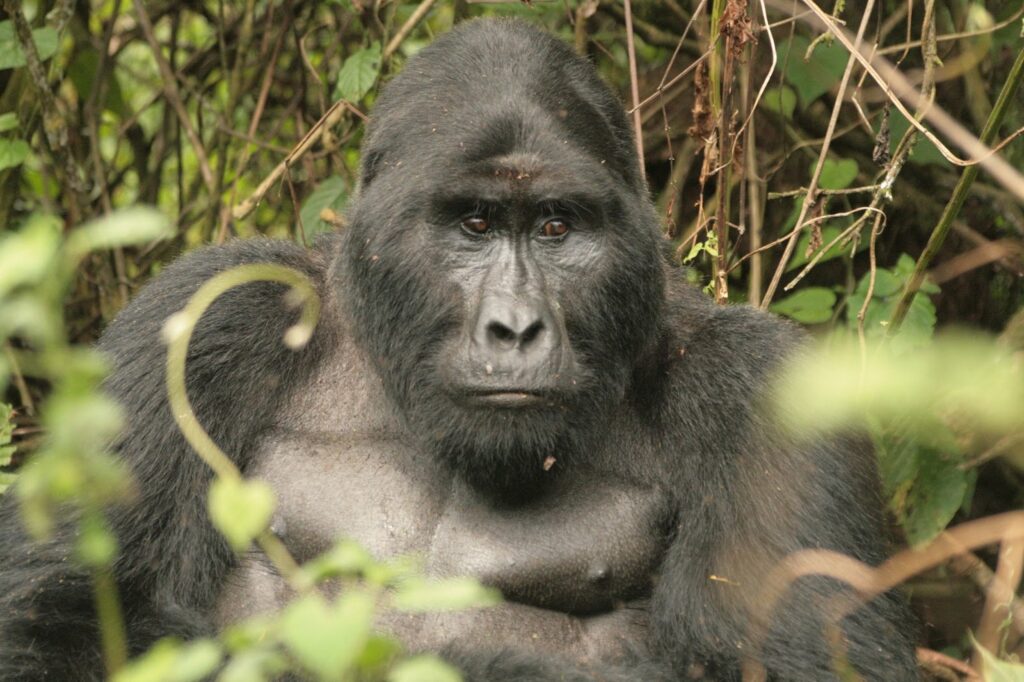
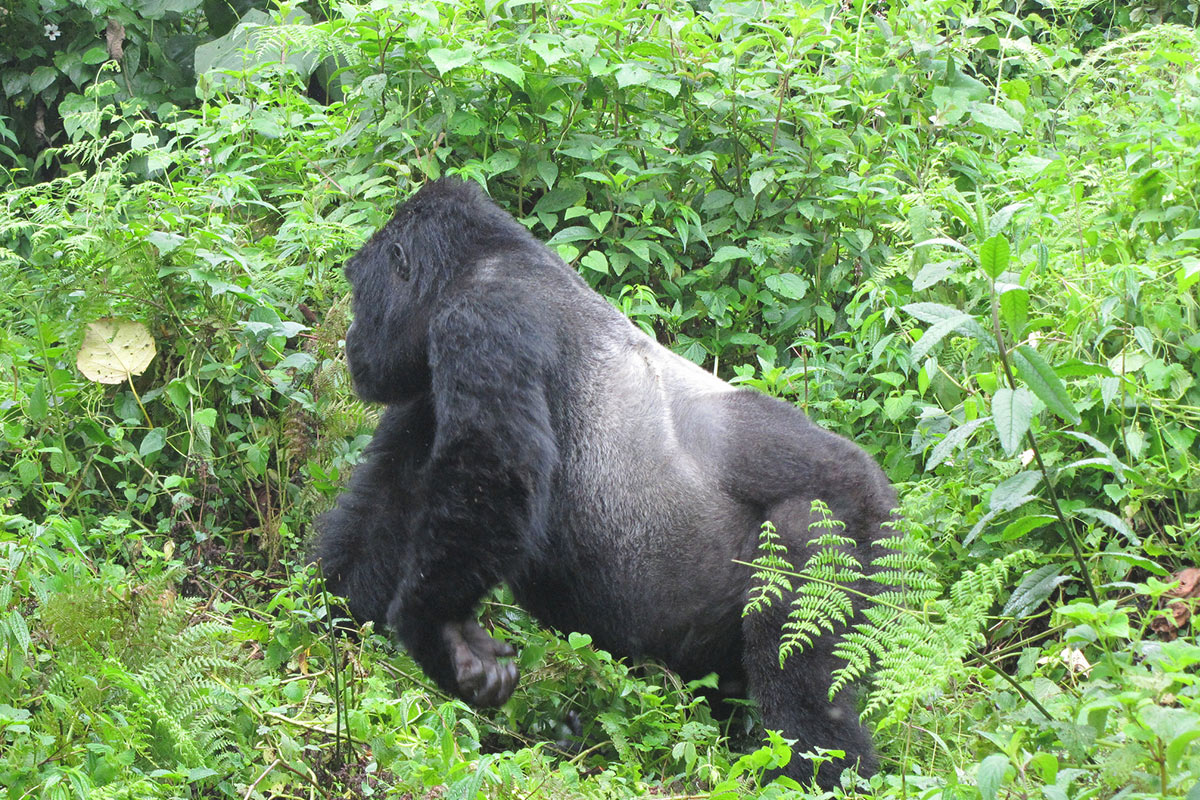
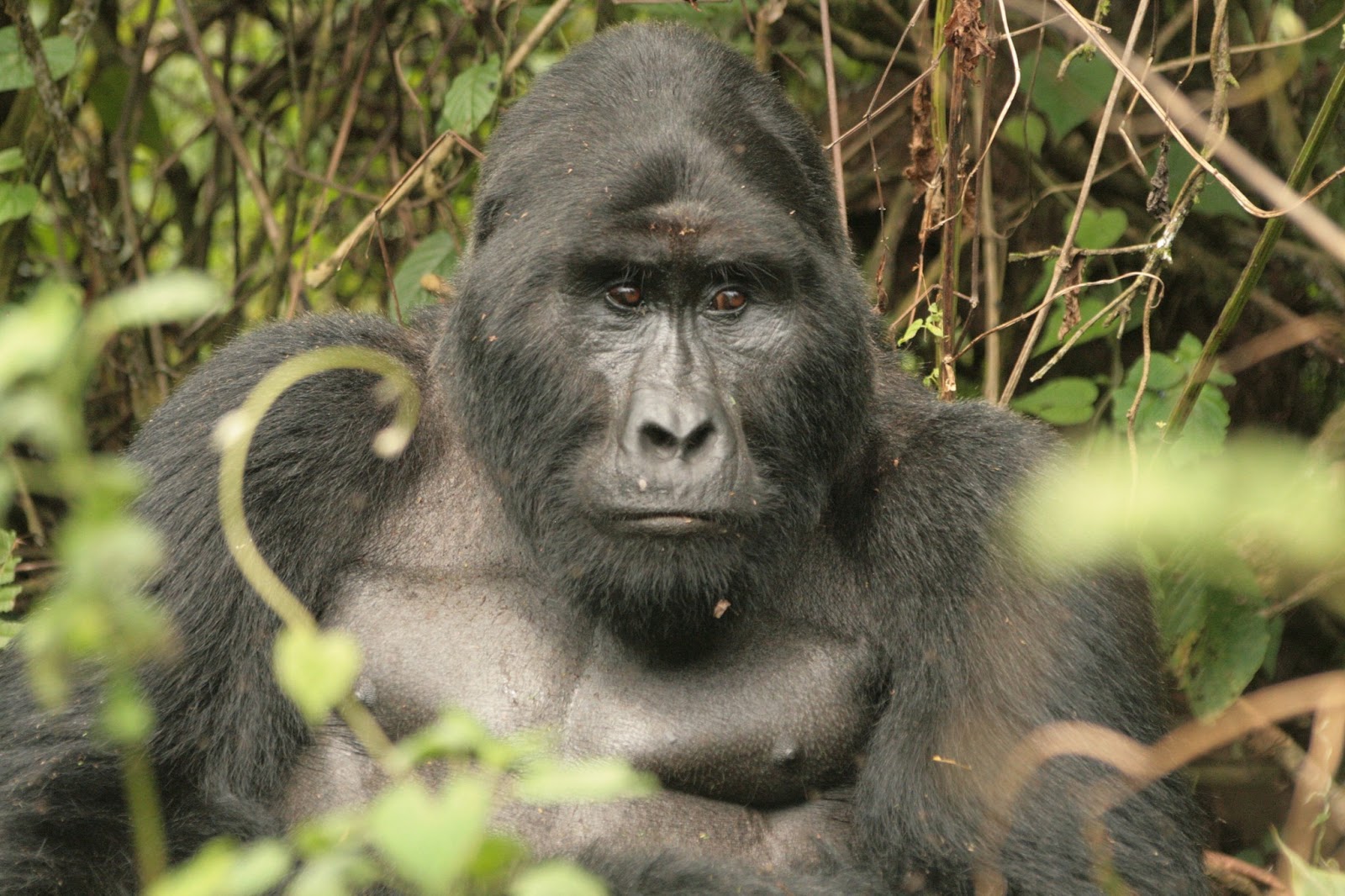
In the Realm of Giants – Bwindi & Mgahinga in Frames.
Wander through an elegant gallery capturing Uganda’s most exclusive gorilla sanctuaries, where ancient forests cradle the last mountain gorillas in a world of mist, mystery, and majesty.
Essential Planning Tips for Visiting Uganda’s National Parks.
Get ready for the wild heart of Africa with expert travel tips on when to visit, what to pack, where to go, and how to make the most of your safari across Uganda’s breathtaking national parks.
Why Uganda for Gorilla Trekking?
Uganda is not just a destination — it's the very soul of gorilla trekking. With over half of the world’s remaining mountain gorillas calling its misty forests home, Uganda offers the rarest encounters in their most authentic setting. Here, your journey is not rushed or crowded. Instead, you’re guided by experienced rangers through pristine jungles where gorillas live as they always have — wild, free, and magnificent
From insider travel insights to unforgettable trekking guides, our blog is your trusted path into Uganda’s wild heart — connecting you with mountain gorillas, breathtaking landscapes, and the soul-stirring adventures that make this land unlike any other.