Southwest Uganda is one of the most topographically dramatic regions in East Africa — and one of the most susceptible to landslides. The Kigezi highlands, which encompass the areas around Bwindi, Kabale and Kisoro, combine steep slopes, high rainfall and intensively cultivated hillsides in ways that create periodic, sometimes deadly, landslide events. For visitors travelling through the region, understanding the risk, its seasonal pattern and the practical precautions that responsible operators take is a reasonable component of pre-trip preparation.
The geology and topography that create the risk
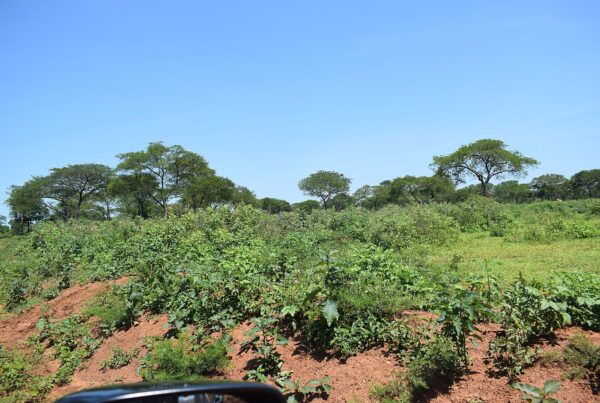
The Kigezi highlands are geologically ancient — Precambrian basement rock that has been tectonically uplifted and intensively eroded. The soils developed over this basement are generally deep but weakly cohesive when saturated. The hills are steep — gradients of 30–45 degrees are common in the farmed landscape visible from any vehicle window in the region — and the natural vegetation that once held soils in place has been cleared for agriculture across most of the landscape outside the national park boundaries. When prolonged rainfall saturates these steep, deforested slopes, the water-laden soil can shear away from the bedrock in events ranging from small debris flows on single hillsides to large mass movements affecting multiple villages.
Historical events and their scale
Major landslide events in southwest Uganda have been recorded throughout recent decades, with several events causing significant casualties and infrastructure damage in the hills around Bududa, Kasese and Kigezi districts. The 2010 Bududa landslides — triggered by heavy rainfall — caused hundreds of deaths and displaced thousands of households in a single event. These are extreme occurrences, not routine hazards for travellers, but they establish that the risk in this landscape is real and periodic rather than theoretical. Smaller debris flows and road sections washing out in heavy rain are considerably more common and represent the practical travel risk most relevant to visitors.
Road risk during and after heavy rainfall
The most direct landslide risk for gorilla trekking visitors is on mountain roads, particularly during or immediately after heavy rainfall in the wet seasons. The road sections most susceptible are those cut into steep hillsides — where the road itself has removed the lateral support from the slope above — and river crossings where culverts may block or overflow. The approach roads to Nkuringo and Ruhija sectors are the highest-elevation routes in the Bwindi area and receive the most rainfall; these are also the routes where road sections have historically been affected by debris flows. Responsible drivers working for established operators monitor weather conditions and adjust routes or timing accordingly.
How reputable operators manage the risk
Established Uganda safari operators factor weather conditions into transfer timing — avoiding the highest-risk mountain sections during or immediately after heavy overnight rainfall, carrying satellite communication devices for remote stretches, and maintaining relationships with local contacts at lodges who report on road conditions in real time. A driver who pauses a transfer to wait for a road section to be confirmed clear is not being overly cautious; they are applying standard risk management in an environment where the cost of a wrong decision is severe. Visitors should trust this judgement rather than pressure drivers to proceed when weather conditions have raised concerns.
The forest as protection versus the farmed landscape as risk
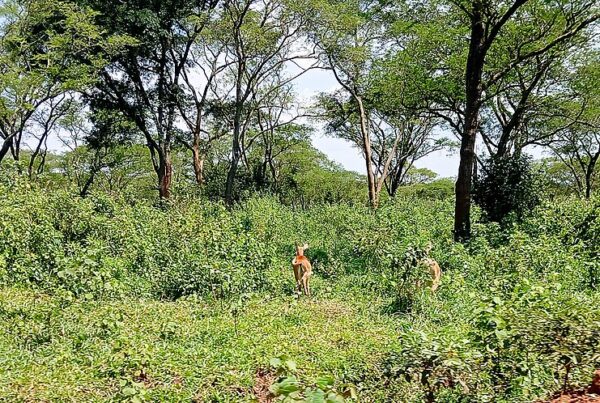
Bwindi Impenetrable Forest itself provides a striking illustration of landslide risk reduction. Within the park boundaries, where forest cover is intact, the deep root systems of trees bind the soil, the canopy intercepts rainfall and the forest floor absorbs and regulates water movement. Landslides within the intact forest are rare. The sharp boundary between forest and farmland visible from viewpoints above Bwindi — intact forest on one side, intensively cultivated steep hillsides on the other — is simultaneously a conservation boundary and a landslide risk boundary. The forest’s protection is measured partly in watershed stability and the lives not disrupted by landslide events in the communities that surround it.
Practical advice for visitors
For practical travel planning, the key considerations are: travel during daylight hours on mountain roads so that road conditions are visible; follow your driver’s assessment of conditions rather than insisting on a schedule that overrides safety judgement; plan overnight stops in Kabale or near Bwindi that eliminate pressure to push through mountain sections after dark or during heavy rain; and carry a means of communication that works in areas with limited mobile coverage. Travel insurance that covers emergency evacuation is relevant to this context — a road blocked by a debris flow that requires a rescue response is a scenario that basic travel insurance policies may not fully cover. Comprehensive policies that include emergency evacuation from remote locations address this gap.
- Hailstorms and extreme weather events near Bwindi: what travellers should know
- Uganda Gorilla Trekking Near Kanungu: The Least Known Gateway
- Gorilla Trekking Refund Policy: What You Should Know Before You Book
- Best Gorilla Trekking Lodges in Uganda: Where to Stay Near Bwindi
- What to Do After Gorilla Trekking: Top Activities Near Bwindi
- Luxury Lodges near Bwindi: Uganda’s Finest Gorilla Accommodation
- The Gorilla Sanctuary That Just Opened Near Bwindi: What It Offers
- Amsterdam to Bwindi Gorilla Trek: Dutch Travellers Price Guide
- What to Do the Day After Your Gorilla Trek: Activities Near Bwindi
- Gorilla Trekking Uganda for Pensioners and Senior Travellers: What to Know