The Great Migration is the most marketed wildlife event in Africa. Every tour operator website, every travel magazine, every Africa safari booking platform leads with the Migration during its season (June to October). The images are iconic: tens of thousands of wildebeest streaming across the Mara River, crocodiles surging, dust rising, photography opportunities measured in minutes rather than hours. It is a genuine spectacle. It is also, in the experience of many veteran Africa travellers, one of the most overhyped wildlife experiences in the world — not because it is not extraordinary, but because the gap between the marketing and the reality is larger than in almost any other wildlife destination. Gorilla trekking in Uganda has the opposite problem: it is consistently underrated relative to what it actually delivers. This post makes both arguments honestly.
The Great Migration: What the Marketing Does Not Tell You
The Great Migration is one of the most crowded wildlife experiences in Africa. During peak river crossing season (July to October), the Masai Mara — particularly the areas around the main crossing points at the Mara River — can see dozens of safari vehicles competing for the same viewpoint during a crossing event. The crossing you photograph over the hood of a Land Cruiser is the same crossing being photographed by 60 other Land Cruisers parked beside you. The wildebeest do not notice. The photos look the same as everyone else’s. The experience is magnificent and simultaneously compromised by the sheer number of other people having it at the same time.
River crossings also do not happen on schedule. You may wait four hours at the crossing point for a crossing that never comes. Or a crossing may happen somewhere else on the river while you are at the main point. Peak Migration season guarantees wildebeest in the Mara. It does not guarantee a river crossing, a close lion sighting, or any specific dramatic wildlife event. The gap between what is implied in marketing and what is reliably delivered on a specific safari day is significant.
Gorilla Trekking: The Underrated Experience
Gorilla Trekking: What the Marketing Undersells
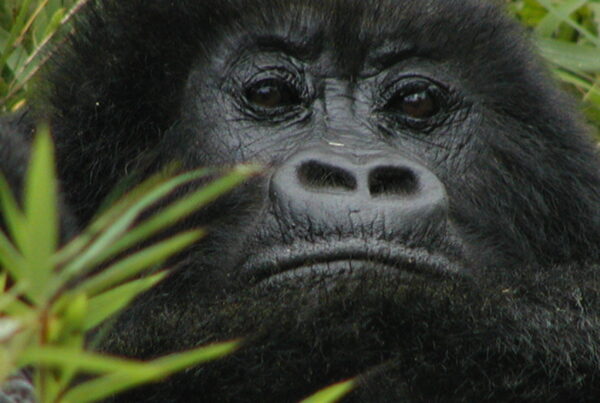
Gorilla trekking is the opposite. The marketing challenge for gorilla trekking is that photographs of gorillas in the forest do not capture the quality of the encounter. They show an animal. They do not show the quality of looking into a silverback’s eyes at five metres’ distance, or the emotional overwhelm of watching a juvenile tumble and play with the casual grace of a being in its element. The gap between what gorilla trekking marketing shows and what gorilla trekking actually delivers goes the other way: the reality is significantly better than the marketing suggests.
Gorilla trekking also delivers its promise reliably. The gorilla families are habituated, tracked daily, within known ranges. Your guide knows approximately where they are each morning. The encounter is not uncertain. You will not wait four hours for something that does not come. You will trek, possibly for a long time, and then you will be with gorillas for an hour that will not be forgotten. This reliability is the antithesis of the Migration’s unpredictability — and for most travellers, the guaranteed extraordinary experience is more valuable than the potentially extraordinary, potentially disappointing one.
Exclusivity vs Spectacle
Gorilla trekking limits each family visit to eight people. The group you share the encounter with is known to you — you meet them at the briefing, you trek together, you share the hour in the forest. There is no crowd. There are no other vehicles. The encounter is exclusive in a way that no popular savanna safari can be. The Great Migration is a crowd experience — magnificent but shared with large numbers of other observers. Gorilla trekking is an intimate experience — profound precisely because it is not shared with a crowd.
The Conclusion
The Great Migration is real and spectacular. See it if you can. But go with calibrated expectations about what any given day in the Mara will and will not deliver. Gorilla trekking should be on your list with significantly higher expectations than the marketing has set. Contact us to plan a Uganda gorilla trek for 2027 that will exceed whatever expectations you arrive with.
Frequently Asked Questions
Uganda is home to the mountain gorilla (Gorilla beringei beringei), one of two subspecies of eastern gorilla. They live exclusively in the Virunga volcanic highlands (Uganda/Rwanda/DRC) and Bwindi Impenetrable Forest (Uganda only). Mountain gorillas are the only gorilla subspecies that cannot survive in captivity — every individual you can trek is a wild animal.
The standard gorilla trekking permit gives you exactly 1 hour with the gorilla family. This time begins when you make first contact with the family — the ranger signals the start. The Gorilla Habituation Experience gives 4 hours with a semi-wild family. The walk to find the gorillas can take 30 minutes to 5 hours depending on where the family has moved.
Stay calm, crouch down slowly, avoid direct eye contact, and remain quiet. Do not run — running triggers a chase response. Rangers accompanying your group manage close approaches. Habituated gorillas are accustomed to humans and almost never make contact, but a charging silverback is managed by staying still and following ranger instructions immediately.
A maximum of 8 visitors per habituated gorilla family per day for standard trekking. The Gorilla Habituation Experience has a maximum of 4 visitors per family per day. These limits are set by UWA to minimise stress on the gorilla families and maintain the quality of the experience.
Uganda is home to the mountain gorilla (Gorilla beringei beringei), one of two subspecies of eastern gorilla. They live exclusively in the Virunga volcanic highlands (Uganda/Rwanda/DRC) and Bwindi Impenetrable Forest (Uganda only). Mountain gorillas are the only gorilla subspecies that cannot survive in captivity — every individual you can trek is a wild animal.