Updated
why gorilla trekking Uganda everyone should go is one of Africa’s most extraordinary wildlife experiences, connecting travellers with mountain gorillas in their natural forest habitat. This is not a travel recommendation in the ordinary sense. It is an argument. The argument is that standing in the presence of a wild mountain gorilla — specifically, in the forests of Uganda, within seven metres of a habituated family going about their lives with complete unconcern for your presence — is one of the few experiences available to human beings in 2027 that produces a specific, lasting, and valuable change in how you understand yourself and the world you belong to. I am going to make this argument as clearly and honestly as I can.
Why Every Person Should Stand in the Presence of a Wild Gorilla Once
The Argument for Rarity
There are approximately 1,060 mountain gorillas in the world. They live in three countries — Uganda, Rwanda, and the Democratic Republic of Congo — in a range of mountain forest that covers a fraction of a fraction of the earth’s surface. They are not accessible by accident or proximity. Getting to them requires a specific decision, specific resources (the permit costs $800 USD per person), and a specific journey. The rarity is part of the point. Experiences that require effort and intention produce different and more durable changes than experiences that happen by default. You do not forget things you worked to arrive at.
The Argument for Proximity
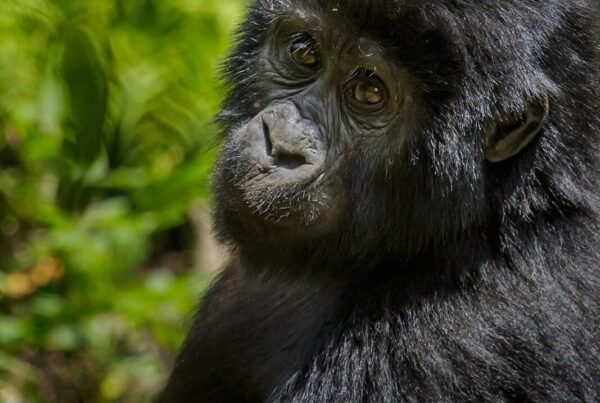
Wildlife documentaries are good. They are also not the same as proximity. The specific changes in understanding that the gorilla encounter produces require physical presence in a way that no screen can substitute for. The scale of the silverback at seven metres is information your body processes differently from information your eyes process on a screen. The smell of the forest. The sound of the gorillas’ movement in the undergrowth. The specific quality of the silverback’s gaze when he looks in your direction. These are sensory facts that a documentary cannot transmit and that proximity provides without effort.
The habituation that makes the encounter possible — the years of daily human presence that have made the gorilla family comfortable with observers at close range — is itself a remarkable human achievement. You are in the presence of an animal that could, by every evolutionary logic, perceive you as a threat and respond accordingly. It does not. It has been patiently, carefully taught to tolerate your presence, and this teaching is a gift that both the gorillas and you receive from the people who have invested years in making it possible.
The Argument for Recognition
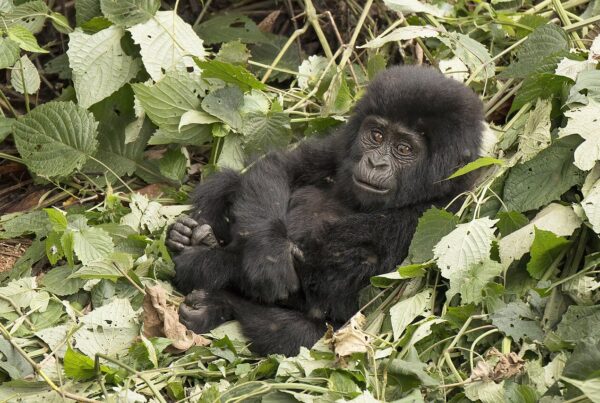
Mountain gorillas share approximately 98.3 percent of their DNA with humans. This is a number that most people know and that most people experience as a trivia fact rather than a living reality. Standing in the presence of a gorilla family makes it a living reality. The social structure is recognisable. The mother-infant bond is recognisable. The authority of the dominant male and the specific quality of his relationship with the group are recognisable. The juveniles playing are recognisable in a way that requires no interpretation. You are watching your closest wild relatives going about family life, and the recognition — the actual, felt sense of relatedness — is not something you can produce by reading about it.
This recognition matters because it changes something about how you understand your place in the living world. You are not a separate category of being who observes nature from outside. You are a primate species, one of the great apes, related to this family and to this forest in ways that are real and specific. Feeling this, even once, changes the relationship between the human observer and the observed world in ways that last.
The Argument for Conservation
In 1981 there were 254 mountain gorillas. In 2027 there are over 1,060. This recovery happened because of specific decisions made by specific people over forty years to keep these animals alive. Your $800 permit funds the continuation of those decisions. It pays for rangers, research, community programmes, and the economic model that makes conservation viable for the communities who live alongside the park. Going is not merely a personal experience. It is a direct contribution to the continued existence of the thing you are going to experience. This is unusual. Most travel spending does not produce conservation outcomes. This does.
The Argument for Now
Mountain gorilla habitat is under pressure from climate change, land use change, and the ongoing instability of the DRC portion of their range. The conservation model that has driven the population recovery is robust but not invulnerable. The specific quality of the habituated encounter — the result of decades of patient habituation work — exists now. The gorillas exist now. The forest exists now. The decision to go is available now. Deferring it in the expectation of better timing is a decision made against the evidence of how finite things work.
The permit is $800. The experience is irreplaceable. The argument for going is the argument that some things in the world are worth the specific effort required to experience them directly, and that you will not regret having made the effort. I have not met anyone who made the trek to Bwindi and came back wishing they had stayed home. I have met many people who delayed going and are still regretting the delay.
Contact us to plan your 2027 gorilla trek. The families are there. The forest is there. The hour is waiting.