Updated
Bwindi Forest life plan must visit is one of Uganda’s outstanding natural or cultural attractions, drawing visitors in search of wildlife, scenery, and authentic African experiences. The concept of a life plan is unfashionable in an era that values spontaneity and the curated authenticity of “unplanned” experience. But behind the rejection of formal planning, most people carry an informal list of the things they intend to do and see before their life is over — the places they mean to visit, the experiences they are saving, the things they are building toward. Bwindi Impenetrable Forest belongs on that list. Not as a luxury or an aspiration, but as a categorical argument: if you are a human being alive on Earth in the early twenty-first century, there is a case that you should see what is in Bwindi before it becomes impossible.
Why Bwindi Forest Should Be on Every Person’s Life Plan
What Bwindi Actually Is
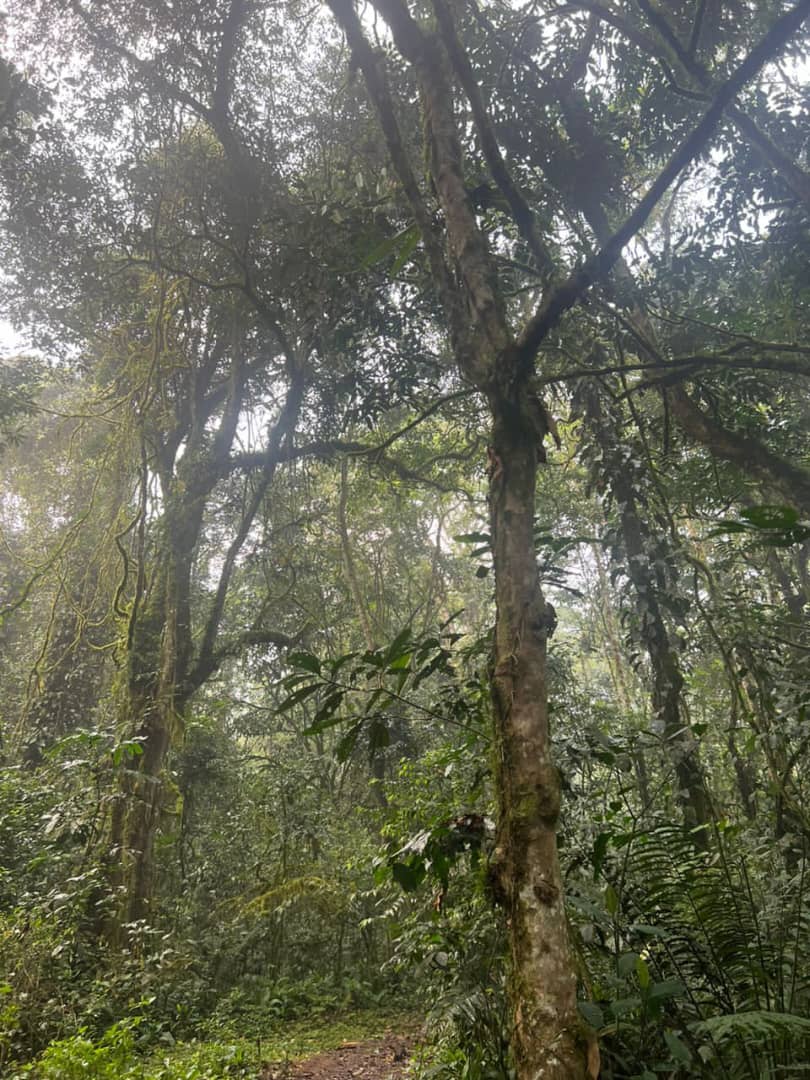
Bwindi Impenetrable National Park is a 331-square-kilometre patch of ancient montane forest in the Kigezi Highlands of southwestern Uganda. It has been continuously forested for more than 25,000 years — through the ice ages, through the climate fluctuations that reduced most of East Africa’s forests to fragments, through the Holocene, through the entire known history of human settlement in the region. The forest survived because of the specific combination of altitude, rainfall, and soil that makes it the ecological refuge it has always been.
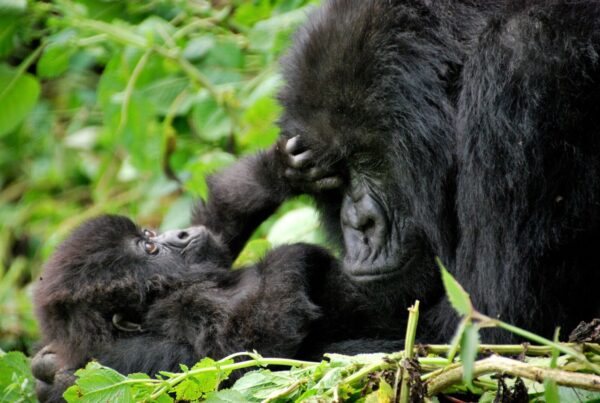
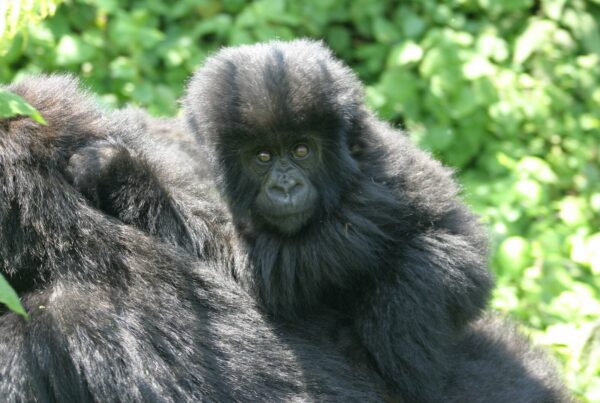
Within this forest live approximately 500 mountain gorillas — roughly half of all the mountain gorillas alive on Earth. The forest also contains over 350 species of birds, including dozens found nowhere else in the world, as well as 120 mammal species, more butterfly species than any equivalent area on the continent, and a plant diversity that has not been fully catalogued despite decades of botanical research. Bwindi is not simply a gorilla habitat. It is one of the most biodiverse ecosystems in Africa.
Why It Belongs on a Life Plan
Most things on informal life plans are experiences of human creation — cities, cultural institutions, performances, culinary traditions. They are extraordinary and worth visiting. But they are also, in an important sense, replaceable: the particular masterpiece in the particular museum is an instance of a class of experiences (great art, significant human achievement) that has many instances. Missing one is unfortunate; it does not represent the loss of an unrepeatable encounter with a specific natural phenomenon.
Bwindi is not replaceable. There is only one Bwindi. The mountain gorilla population that lives there represents a specific evolutionary lineage that has existed in one form or another for several million years and now exists in approximately 1,000 individuals. The combination of forest, gorilla, and conservation system that makes the Bwindi experience possible in 2027 is a specific configuration of circumstances that exists now and will not exist in exactly this form later. Visiting now is different from visiting in 2040, and both are different from the option that is available if the conservation fails — which is no visit at all.
The Conservation Reality
The mountain gorilla recovery is one of conservation’s most remarkable achievements, but it is not an irreversible achievement. The factors that threaten the population — habitat loss from agricultural pressure on park boundaries, disease transmission from human contact, political instability in the DRC section of the gorilla range, and climate change affecting the highland forest ecology — are ongoing and require sustained response.
The conservation system that has produced the recovery is funded significantly by gorilla trekking revenue. The $800 permits paid by visitors in 2027 fund the rangers, the community benefit-sharing, the veterinary care, and the research that keep the gorilla population growing. Visiting Bwindi is not merely benefiting from conservation — it is contributing to it in one of the most direct ways available to a non-specialist.
Putting It on the Plan
Adding Bwindi to your life plan is not a commitment to next month or next year. It is a commitment to prioritising the experience within a reasonable time frame — because the combination of its irreplaceability, its conservation significance, and its experiential quality makes it a strong claim on whatever portion of your discretionary life plan is available for genuinely extraordinary experiences. Contact us for 2027 permit availability and itinerary options. The list gets shorter every year you do not go. Bwindi should not be left on the list.
Frequently Asked Questions
Minimum: 3 days (arrive, travel to Bwindi, trek, return — very rushed). Recommended: 5–7 days to include proper travel time and a buffer day. If combining with Kibale chimps or a game park, allow 8–12 days. The 8-hour road journey from Kampala to Bwindi means a 3-day trip involves almost no rest.
A popular 7-day itinerary: Day 1 — Arrive Entebbe, transfer to Kampala or Entebbe hotel. Day 2 — Fly or drive to Bwindi. Days 3–4 — Gorilla trekking (one or two treks), forest walks. Day 5 — Return to Entebbe via Kampala or direct charter. Days 6–7 — Optional Entebbe or Kampala city time before departure.
Yes, but they are in different countries. A combined itinerary typically routes Entebbe (Uganda gorillas) → Nairobi or Kilimanjaro (Tanzania/Kenya safari) with a connecting flight between legs. Allow 10–14 days total. Alternatively, Uganda’s own Queen Elizabeth National Park offers excellent big game alongside the gorilla experience without the international connection.
Near Bwindi: Batwa Cultural Experience (indigenous forest walk with the Batwa community), guided birding walks (350+ species), forest nature walks, waterfall hikes, community village visits. Within 2–3 hours of Bwindi: Lake Bunyonyi (canoeing, island walks), Mgahinga (golden monkey trekking, Virunga volcano hiking).
Uganda is home to the mountain gorilla (Gorilla beringei beringei), one of two subspecies of eastern gorilla. They live exclusively in the Virunga volcanic highlands (Uganda/Rwanda/DRC) and Bwindi Impenetrable Forest (Uganda only). Mountain gorillas are the only gorilla subspecies that cannot survive in captivity — every individual you can trek is a wild animal.