Updated
what happens if it rains gorilla trekking is one of Africa’s most extraordinary wildlife experiences, connecting travellers with mountain gorillas in their natural forest habitat. If it rains on your gorilla trekking day, the trek goes ahead. Treks in Bwindi and Mgahinga are not cancelled for rain, and your permit is not refunded or moved because of the weather. What changes is the walking: trails get muddy and slippery, the trek can take longer, and the gorillas may huddle under cover for part of your hour with them. With the right gear and a porter, many visitors find a rainy trek every bit as memorable as a dry one.
Bwindi is a rainforest, and it can rain in any month, so it makes sense to be ready for it whenever you travel. Here is what actually happens on a wet trekking day and how to make it comfortable.
What Happens If It Rains on Your Trekking Day?
Does rain ever stop a trek?
Very rarely. Rangers and trackers go into the forest every day of the year, rain or shine. The only time weather changes a trek is when it creates a real safety risk, such as a flooded stream crossing or a landslide on the route; in that case the ranger may take a different path, wait for the water to drop or, in extreme cases, turn the group back.
If your group does not reach the gorillas for reasons outside your control, any second attempt is at Uganda Wildlife Authority’s discretion and depends on space the next day; permits are non-refundable. Turning back by choice because of the rain does not qualify. See can you see gorillas every day.
What the trail is like in the rain
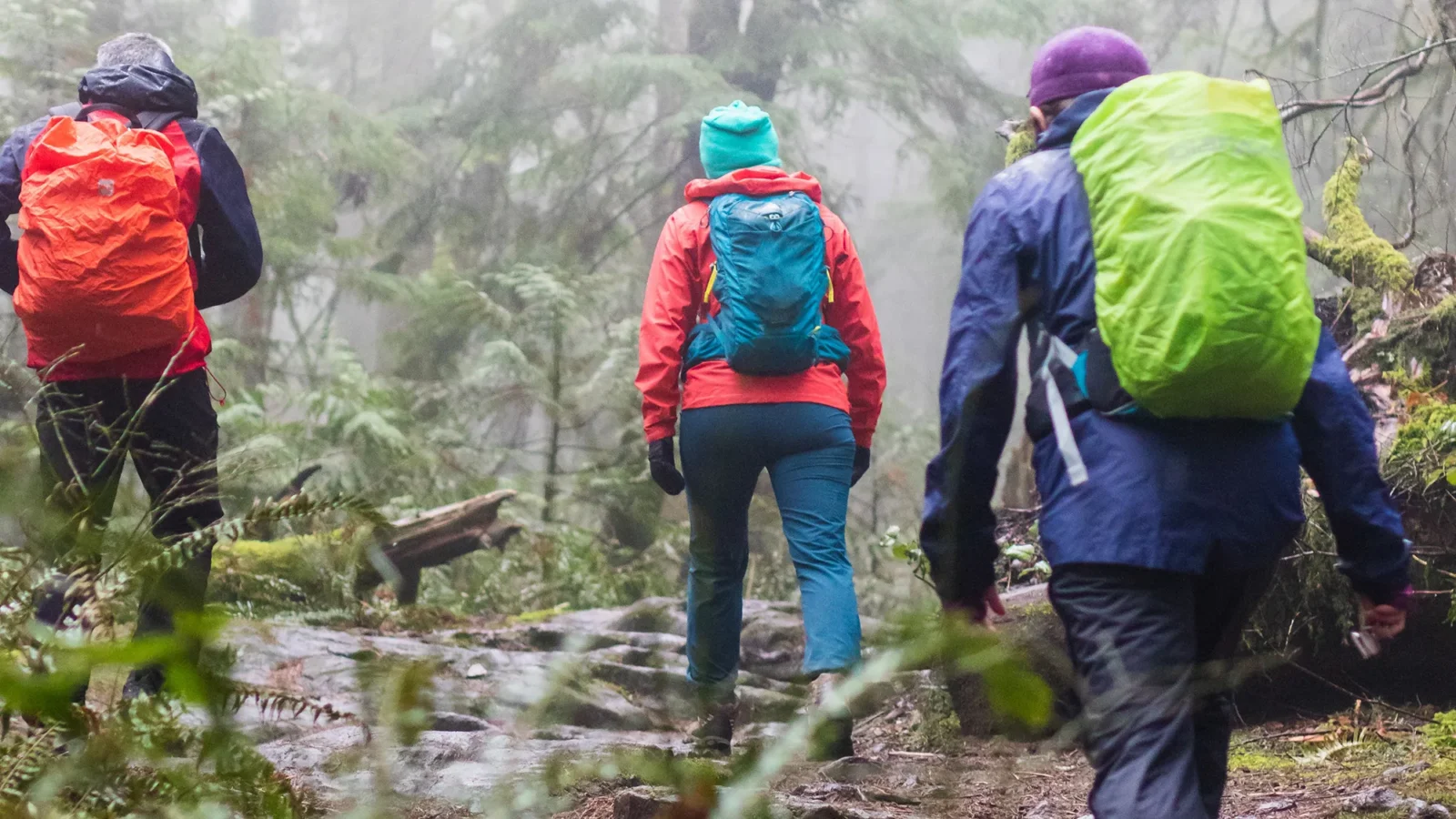
Bwindi’s soil is red clay, and after rain it turns slick and sticky. Steep descents become the hardest part of the day, and many trekkers slide or sit down at least once. Small streams rise, vegetation is wet and heavy, and the last stretch off the trail, where guides cut a path with machetes, can be muddy up to the ankles. As a result, the same distance can take noticeably longer than in dry weather — an hour or more on a long trek.
Rangers adjust. They slow the pace, choose safer lines down slopes and stop more often. A porter, around US$15–20, is especially valuable on wet days: carrying your bag leaves both hands free, and a steady hand on a muddy slope prevents most falls. The free walking stick from headquarters helps too. For more on walking times, see how far you walk on a gorilla trek.
How gorillas behave in the rain
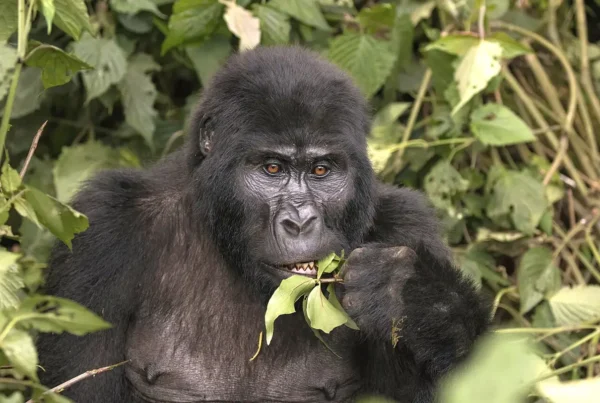
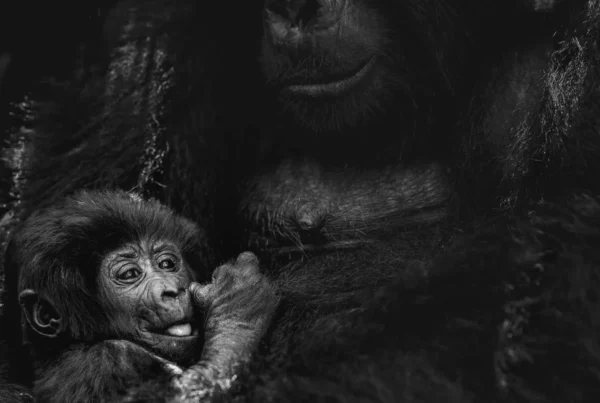
Gorillas do not like heavy rain. When a downpour starts, they often stop feeding and sit hunched under a tree or dense vegetation, arms folded, waiting for it to pass. Mothers pull infants close, and the group can go quiet and still. That means you may see less play and movement during the worst of the rain, but it also often brings the family together in one place, and the images of gorillas sitting in the mist and drizzle are some of the most atmospheric of all.
Rain usually falls in heavy bursts rather than all day, especially in the afternoon, and many groups reach their gorilla family in the morning before the heaviest showers. Once the rain eases, the gorillas usually return to feeding and moving. Your one-hour visit runs as normal either way.
What to wear and carry
The right gear turns a rainy trek from miserable into fine. A hooded waterproof jacket is far better than a poncho, which catches on branches and hides your feet. Waterproof boots with deep grip and gaiters keep you upright and dry from the knees down. Gardening gloves help you grip wet vines. Pack a dry bag inside your daypack for your camera, phone and a spare dry layer, and keep spare socks in the vehicle for the drive back. See rain gear for gorilla trekking and our packing list.
Photography in the rain
Rain is hard on cameras but often good for pictures. Overcast skies give soft, even light on the gorillas’ dark fur, without the harsh contrast of sunshine breaking through the canopy. Keep your camera in a dry bag or under a rain cover until you reach the family, bring a microfibre cloth for the lens and do not change lenses in the open rain. Flash is never allowed. Spare batteries matter more when it is cold and wet; see camera batteries for gorilla trekking.
When rain is most likely
Rain is possible all year, but it is heaviest from March to May and from September to November. April and May are usually the wettest months. The drier months of June–August and December–February bring fewer and shorter showers. If you trek in April, May or November, you pay US$600 for your permit instead of US$800 — a worthwhile saving for many visitors who are happy to deal with some mud. See the best time for gorilla trekking in Uganda.
Frequently asked questions
No. Treks run in the rain, so weather alone is not grounds for a refund. Gorilla permits are non-refundable in any case.
Not on the day. Changing the date in advance is sometimes possible through Uganda Wildlife Authority, subject to availability and fees, but forecasts in Bwindi are unreliable.
It is more slippery, so falls are the main risk. Good boots, a walking stick, a porter and following the ranger’s route keep it safe.
They do not hide from people, but they shelter under trees and sit still in heavy rain. You still see them, often grouped closely together.