Can You See Gorillas Every Day in Uganda? Understanding Trekking Schedules and Success Rates
The short answer is that gorilla trekking in Uganda operates every single day of the year, including weekends and public holidays, and the success rate for finding habituated gorilla families is extraordinarily high at well over 95 percent. However, seeing gorillas is not absolutely guaranteed, and understanding how the daily scheduling works, what factors can affect your chances of a sighting, and what happens if the gorillas prove elusive will help you set realistic expectations and appreciate the remarkable achievement that reliable gorilla tracking represents in one of Africa’s most challenging forest environments.
Daily Trekking Operations
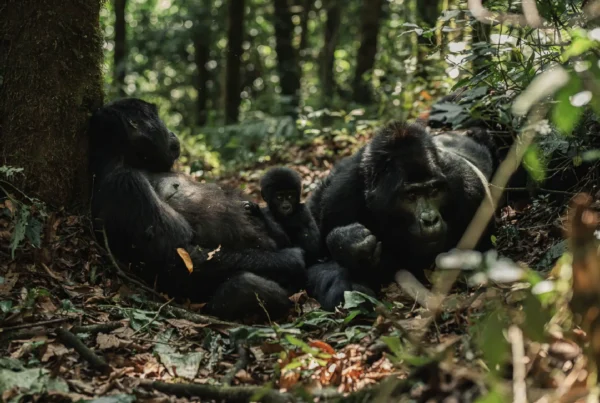
Gorilla trekking in Bwindi and Mgahinga operates 365 days a year, with no closures for weather, weekends, or holidays. Each morning, multiple groups of up to eight trekkers each depart from the park headquarters after a compulsory briefing. Each group is assigned to track a specific habituated gorilla family, and Uganda Wildlife Authority trackers have already been in the forest since before dawn locating the groups. This coordinated system means that by the time tourists begin their trek, the gorillas have usually already been found.
Why the Success Rate Is So High
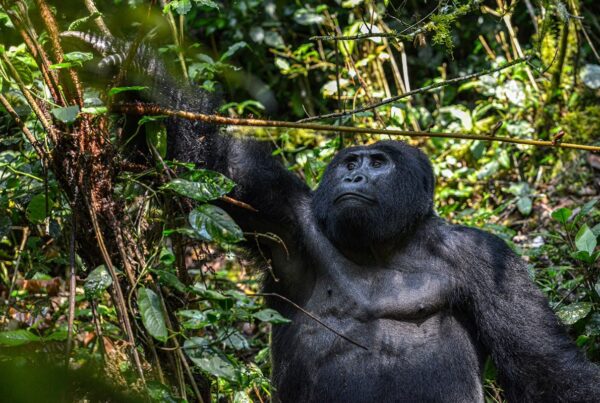
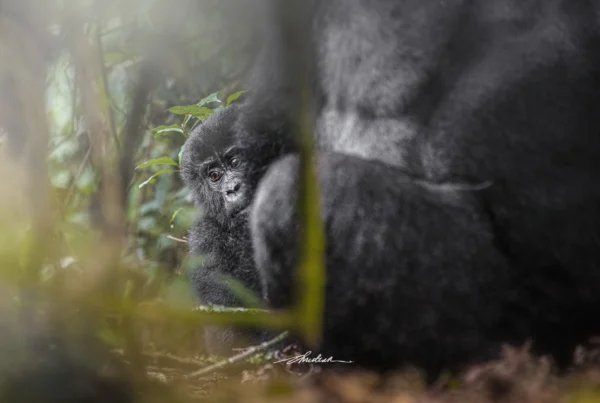
The success rate for finding gorillas exceeds 95 percent because of the intensive tracking system. Experienced trackers follow each habituated family daily, know their ranging patterns, understand their food preferences, and can interpret the subtle signs of their movement through the forest. Habituated gorillas are also more predictable than wild groups because they have learned that humans are not a threat and do not actively avoid areas where trekking occurs. The combination of skilled trackers and habituated behaviour creates an remarkably reliable wildlife encounter.
What Happens If Gorillas Are Not Found
On the rare occasions when gorillas cannot be located within a reasonable timeframe, guides have several options. They may extend the trek duration, consult with other tracking teams, or redirect the group to a different gorilla family if permits and logistics allow. Uganda Wildlife Authority has a policy of offering a partial refund or rescheduling in genuine cases where no gorillas are found, though this is extremely rare. Visitors should be prepared for treks lasting up to eight hours and trust their guides’ expertise.
Factors That Can Reduce Sighting Chances
Several factors can make gorilla tracking more challenging on particular days. Heavy rain can wash away trails and make tracking more difficult. If a gorilla family has moved unusually far from their previous night’s location, the trek may be longer. During certain seasons when food is abundant in remote areas, gorillas may range further. However, these challenges are precisely why the tracker system exists, and even on difficult days, the success rate remains remarkably high.
Final Thoughts
While no wildlife encounter can ever be 100 percent guaranteed, gorilla trekking in Uganda comes as close as any wildlife activity on Earth. The combination of habituated gorillas, expert trackers, daily monitoring, and decades of accumulated knowledge means that your chances of seeing mountain gorillas are excellent on any day of the year. Prepare for a physical challenge, trust your guides, and look forward to one of the most reliable and extraordinary wildlife encounters available anywhere.
Frequently Asked Questions
The standard gorilla trekking permit costs $800 per person for foreign non-residents (FNR). EAC foreign residents pay $700. During low season — April, May, and November — the FNR rate drops to $600. The Gorilla Habituation Experience permit (4 hours, Rushaga sector only) costs $1,800 per person.
Permits are issued by Uganda Wildlife Authority (UWA). Most visitors book through a licensed Uganda tour operator, who handles the UWA reservation, permit transfer, and sector logistics. Direct booking via the UWA eTourism portal is available but operators handle the complexity of sector assignment and date changes.
During peak season (June–September, December–February): book 3–6 months ahead. During low season (April, May, November): 4–8 weeks is usually sufficient. The AFCON 2027 period (June–July 2027) will see unusually high demand — book at least 6 months ahead for any date in that window.
UWA gorilla permits are non-refundable but can be rescheduled to another date subject to availability and sufficient advance notice. Your tour operator handles this process. Travel insurance that covers trip cancellation and curtailment is strongly recommended for all Uganda gorilla bookings.
Yes. The permit price is set by Uganda Wildlife Authority and is fixed regardless of which operator you use. No operator can offer a discount on the $800 permit — only their service fees (accommodation, transport, guiding) vary between companies.