Updated
Uganda vs Tanzania safari comparison 2027 is a subject we explore in depth in this guide, drawing on direct experience and expertise from Uganda’s wildlife and safari industry. Uganda and Tanzania are East Africa’s two most wildlife-rich countries. Tanzania has the Serengeti — the most famous wildlife destination in the world — plus Ngorongoro Crater, Selous, Ruaha, and Mahale Mountains chimpanzees. Uganda has gorilla trekking in Bwindi, chimpanzee tracking in Kibale, Queen Elizabeth National Park, and more bird species per square kilometre than any other African country. Choosing between them, or deciding how to combine them in a limited-time itinerary, requires understanding what each does distinctively well. This honest 2027 comparison covers every dimension a serious safari traveller needs to consider.
Uganda vs Tanzania Safari: What Each Does Better
What Tanzania Does Best: Scale and Spectacle
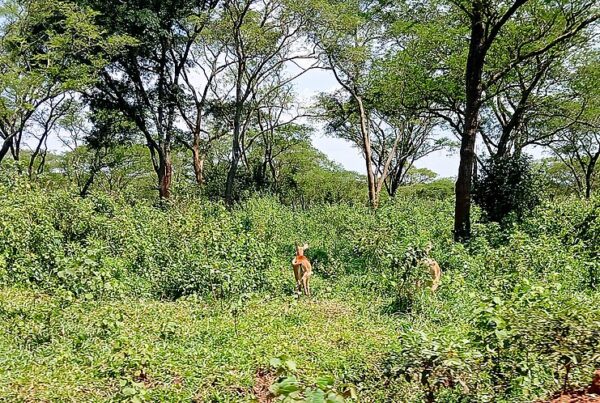
Tanzania’s strengths are defined by scale. The Serengeti is one of the largest protected wildlife ecosystems in Africa, supporting animal densities and diversity that no other protected area matches. The annual Great Migration — 1.5 million wildebeest and 250,000 zebra circling the Serengeti-Mara ecosystem — is the greatest wildlife spectacle on earth. Ngorongoro Crater — a collapsed volcanic caldera 20 kilometres across, supporting approximately 25,000 large animals in a self-contained ecosystem — offers the highest density Big Five viewing available anywhere in Africa. Tanzania is the gold standard of open-plains safari; no country does it better.
What Uganda Does Best: Great Apes and Primates
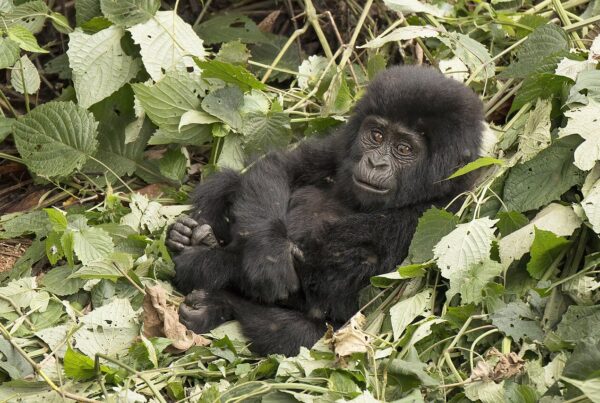
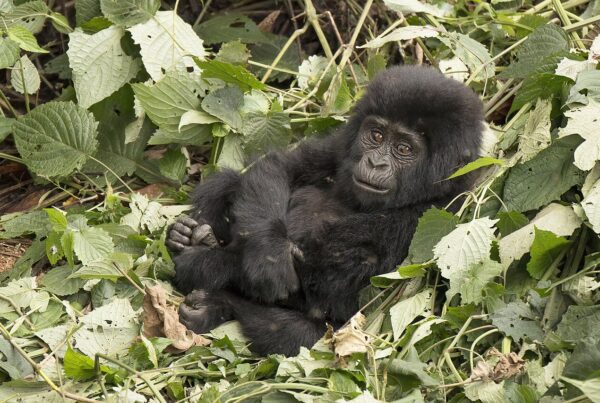
Uganda’s strengths are defined by depth and rarity. Gorilla trekking in Bwindi Impenetrable National Park is categorically unavailable in Tanzania. Chimpanzee tracking in Kibale National Park — which has the highest density of chimpanzees in East Africa and offers the best habituation conditions for close encounters — is Uganda’s second unmatchable experience. Tanzania has chimpanzees at Mahale Mountains on the shores of Lake Tanganyika, and the experience there is exceptional. But Kibale’s accessibility (a half-day drive from Bwindi, well-managed habituation, reliable encounters) makes it more consistently excellent for first-time chimp tracking experiences.
Birding: Uganda’s Decisive Advantage
Uganda has over 1,060 recorded bird species in a country smaller than Great Britain. Tanzania has approximately 1,100 species in a country 15 times Uganda’s size. Species density is dramatically higher in Uganda. The Albertine Rift zone, which includes Bwindi and the western parks, has the highest density of Albertine Rift endemic species in East Africa. For birders, Uganda is the primary East Africa destination; Tanzania is excellent but secondary for the most sought-after species.
Conservation Quality
Both countries have strong protected area systems. Tanzania’s Selous-Mikumi ecosystem, now largely renamed Nyerere National Park, is the largest protected area in Africa. Uganda’s western parks (Queen Elizabeth, Bwindi, Mgahinga, Kibale) are part of the Albertine Rift system, one of the most biodiverse regions on earth. In terms of conservation success stories, Uganda’s mountain gorilla recovery is singular — Tanzania has no comparable species-specific conservation triumph with equivalent international resonance.
Infrastructure and Cost
Tanzania has the more developed international tourism infrastructure, particularly in the Northern Circuit (Serengeti, Ngorongoro, Tarangire, Arusha). International connections to Kilimanjaro and Dar es Salaam airports are extensive. Tanzania is also more expensive: quality Serengeti lodges cost USD 500 to 1,500 per person per night in peak season. Uganda is generally 20 to 35 percent cheaper for equivalent accommodation quality, and the gorilla trekking permit at USD 700 is half the price of Rwanda’s equivalent.
The Recommendation
Tanzania for the best classic savanna safari on earth. Uganda for gorilla trekking, chimpanzee tracking, and the world’s finest primate experience overall. The best East Africa itinerary combines both: gorilla trekking and Kibale in Uganda, then fly to Kilimanjaro and drive to the Serengeti. Two weeks of this itinerary represent the finest safari experience available to any traveller in 2027. Contact us to plan the Uganda component.
Frequently Asked Questions
Uganda is significantly cheaper. Uganda’s standard permit costs $800; Rwanda’s costs $1,500. For 4-hour gorilla habituation, Uganda charges $1,800 — Rwanda has no equivalent experience. The $700 saving on a standard permit is the primary reason most budget-conscious travellers choose Uganda.
Uganda. Bwindi and Mgahinga together have 20+ habituated gorilla families and issue more daily permits than Rwanda’s Volcanoes National Park. Uganda also offers the Gorilla Habituation Experience, which Rwanda does not. Rwanda’s advantage is accessibility — Volcanoes NP is 2 hours from Kigali airport.
Yes — this is a popular combination. The Kigali to Bwindi road journey takes approximately 4 hours via Kabale. Some visitors trek in Mgahinga (Uganda) one day and cross into Rwanda for Volcanoes the next. Note that your Uganda permit cannot be used in Rwanda and vice versa — separate permits are required.
Rwanda’s Volcanoes National Park offers easier access (2 hours from Kigali airport), high-end lodge infrastructure, and the Dian Fossey research legacy. Rwanda also offers golden monkey trekking in the same park. However, at $1,500 per permit, it costs nearly double Uganda’s $800 rate for the same 1-hour trek.
Uganda is home to the mountain gorilla (Gorilla beringei beringei), one of two subspecies of eastern gorilla. They live exclusively in the Virunga volcanic highlands (Uganda/Rwanda/DRC) and Bwindi Impenetrable Forest (Uganda only). Mountain gorillas are the only gorilla subspecies that cannot survive in captivity — every individual you can trek is a wild animal.