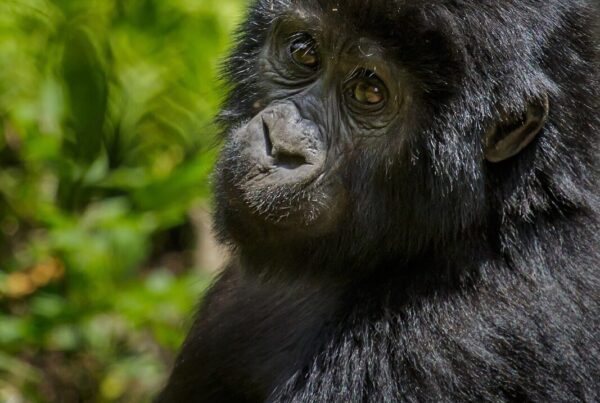
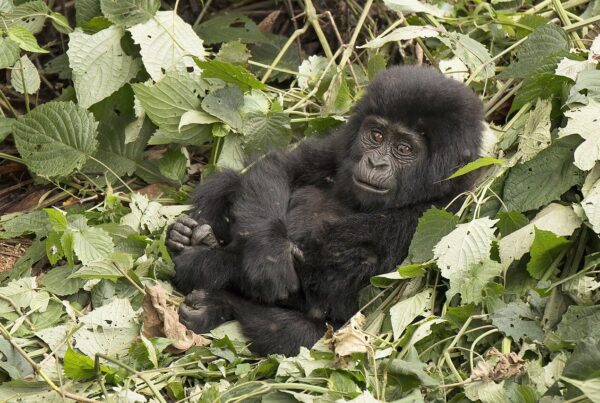
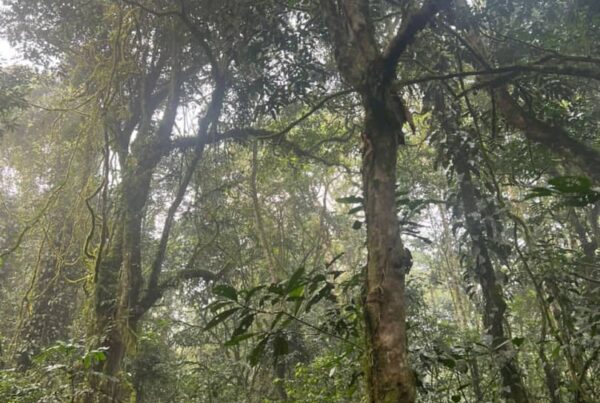
One of the less-discussed aspects of gorilla trekking in Uganda is what happens when a planned trek cannot proceed as expected. Trekking visits to habituated groups are suspended when the Gorilla Doctors veterinary team is conducting a medical intervention — the presence of a trekking group would add stress to an already managed situation and could compromise the intervention. The account below describes what happened to a trekking group at Rushaga sector in 2021 when their assigned visit was suspended mid-approach due to an active veterinary intervention on a group member, and what the guides told them while they waited.
The Morning
The group had departed the Rushaga briefing point at the normal time and had been walking for approximately ninety minutes when their guide received a radio communication from the ranger monitoring the Nshongi group ahead. A juvenile female in the group had been observed the previous day with signs of respiratory distress — laboured breathing, reduced activity, separation from her mother. The Gorilla Doctors team had been monitoring overnight and had made the decision that morning to intervene. The intervention — darting, assessment, and treatment if required — was in progress.
The guide halted the group and explained the situation. The trekking visit was suspended until further notice. They would wait at a safe distance from the group’s current location while the veterinary team completed their work. The estimated wait was two to three hours.
What the Guide Told Them
What happened over those two hours was, by the accounts of the trekkers present, something they had not anticipated when they planned their gorilla trek. The guide — a man named Richard who had been leading Rushaga treks for eleven years — used the waiting period to tell the group about the Nshongi family in more depth than the briefing allows. He told them about the group’s history, the individual animals he knew from years of observation, the veterinary interventions he had witnessed over the years and what each had meant for specific animals.
He told them about the juvenile who was being treated — a female he had known since her birth, whom he could identify at a hundred metres by her movement pattern. He told them about her mother, and about the specific family dynamics that meant the mother would be staying close to her daughter during the intervention, and why that was both a complication for the vet team and a sign of the bond that made the family function as a family. He was describing a world that the permit and the one-hour visit had not, until that morning, fully admitted them to.
The Outcome
The veterinary intervention was completed. The juvenile had been sedated, assessed, and treated for a respiratory infection. The reversal agent was administered. By the time the trekking group was cleared to proceed, the juvenile was ambulatory and with her mother. The visit that followed was quieter than most — the group had been given a context for what they were seeing that most gorilla trek visitors do not have — and several trekkers described it as the best gorilla trek they had ever taken, despite, or because of, the two hours they spent waiting in the forest.
The gorilla permit costs $800. Occasionally the visit does not go as planned. Sometimes what happens instead is better than what was planned. The juvenile the group eventually visited is alive today because the same infrastructure that manages the trekking visits also maintains the veterinary response capability that treated her that morning.
Frequently Asked Questions
Yes. The gorilla trekking zones — Bwindi and Mgahinga in southwestern Uganda — have no security concerns. Standard travel precautions apply for Kampala. Uganda Wildlife Authority rangers accompany all trekking groups. Check your government’s current travel advisory before departure and ensure you have comprehensive travel insurance.
Required: Yellow fever vaccination (mandatory for entry — carry the certificate). Recommended: Typhoid, Hepatitis A, Hepatitis B, Rabies (pre-exposure if handling wildlife), Meningococcal. Consult a travel health clinic 6–8 weeks before departure. Malaria prophylaxis is strongly recommended for all Uganda travel.
Yes, though reduced. Bwindi sits at 1,600–2,600m altitude — higher elevations reduce (but do not eliminate) malaria transmission. Malaria prophylaxis is recommended. Common options include atovaquone-proguanil (Malarone), doxycycline, or mefloquine. Consult your doctor for the most appropriate option based on your health history.
Uganda Wildlife Authority requires all gorilla trekkers to be 15 years or older. No exceptions are made regardless of operator, permit type, or family circumstances. Children under 15 cannot participate in gorilla trekking or the Gorilla Habituation Experience.
Yes — comprehensive travel insurance is essential. Look for policies that cover: medical evacuation (critical given Bwindi’s remote location), trip cancellation, and ideally Cancel for Any Reason cover. Ensure your policy explicitly covers high-altitude trekking and wildlife activities. Providers including Battleface, World Nomads, and Campbell Irvine offer policies suitable for Uganda.