Updated
Uganda receives approximately 1.5 million international visitors per year in 2027. Among those who come specifically for gorilla trekking — a subset that represents the highest-spending and most intentional visitor segment — there is a consistent pattern in what they say when they return home. It is not that the gorillas were bigger than expected, or the forest more beautiful, or the guides more knowledgeable. It is something more fundamental and harder to articulate. The thing that every gorilla trekking traveller says when they come home from Uganda is some version of: “I was not prepared for how it made me feel.” This post examines what is behind that statement and why it is so universal.
The Pre-Trip Expectation
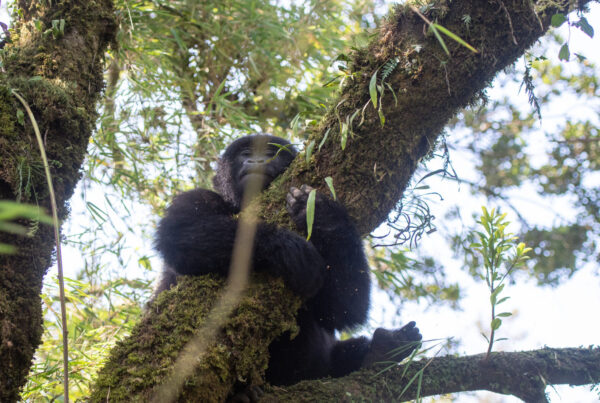
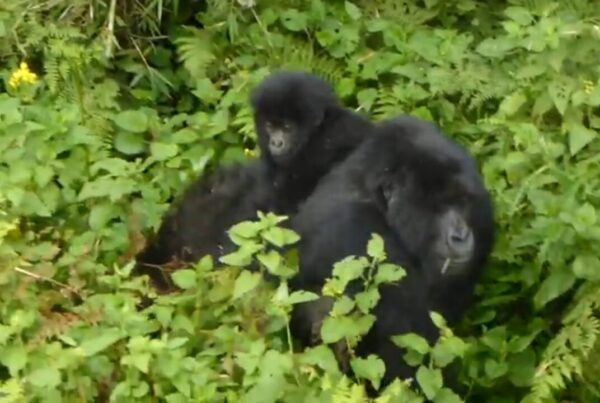
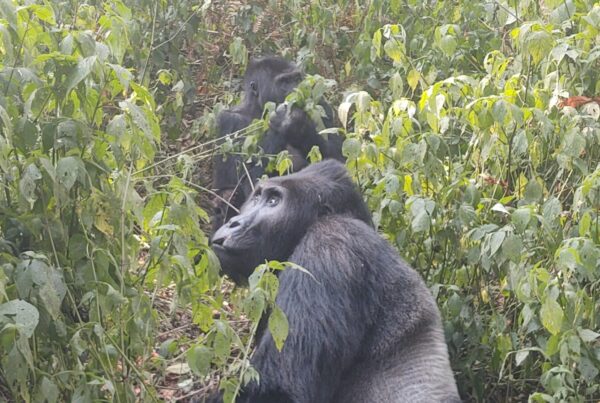
Most people who book gorilla trekking in Uganda have done significant research. They have watched documentary footage of mountain gorillas. They have read accounts by previous trekkers. They have seen photographs. They arrive at the Bwindi briefing point with a reasonably accurate picture of what they are about to do: a physical trek through tropical forest, an hour with a habituated gorilla family, an experience that most people describe as extraordinary. They are prepared for the extraordinary.
What they are not prepared for is the specific quality of the extraordinary. They expected to be impressed. They were not expecting to be changed — to have the encounter operate at a level below conscious processing, to produce emotional responses they did not plan for and cannot fully account for afterward. The preparation that research provides is accurate as far as it goes. It does not reach the thing that actually happens.
What “Not Prepared for How It Made Me Feel” Means
When trekkers say they were not prepared for how the encounter made them feel, they typically mean some combination of the following: they cried unexpectedly (and could not explain why); they felt a specific quality of recognition in looking at the gorillas that had no frame of reference in previous wildlife experience; they felt humbled in a way that lasted beyond the forest; they found themselves thinking about the encounter days and weeks later with an intensity that other wildlife experiences had not produced; and they found themselves unable to adequately explain to friends and family what had happened.
All of these responses point to the same underlying phenomenon: the gorilla encounter operates at a level of emotional and cognitive experience that people have not been prepared for by prior wildlife encounters, prior travel, or prior exposure to gorilla imagery. It is not just more intense than expected. It is qualitatively different from other forms of wildlife encounter in ways that exceed the categories of ordinary travel experience.
The Conversation at Home
The conversation that returning gorilla trekkers have with people who have not been is consistently reported as frustrating. You try to explain what happened. You describe the forest, the trek, the first sight of the family, the silverback’s gaze. The people listening understand what you are saying at a factual level. They do not understand what you are trying to say at an experiential level. You resort to “you have to go.” This is not a failure of description on your part. It is the nature of the experience: it cannot be transferred through language or image because it is not primarily a cognitive experience. It is a bodily and emotional one that language was not built to carry.
What Changes Afterward
Some gorilla trekkers report specific changes in their attitudes and behaviour after the encounter. Increased conservation activism. Dietary changes (reduced meat consumption, particularly primate relatives in dietary tradition). Career pivots toward wildlife or conservation work. Repeat visits to Uganda and other gorilla range states. A sustained interest in great ape research and conservation news that did not exist before the trek. These are not universal, but they are common enough to be pattern rather than coincidence. The encounter, for some people, is genuinely life-altering in ways that most wildlife experiences are not.
The one thing every traveller says when they come home from Uganda gorilla trekking is that they were not prepared. That is the most honest and useful thing that can be said by way of preparation. You will not be prepared either. Contact us to plan your 2027 trek and find out precisely how.
The thing travellers say when they come home from Uganda — ‘I didn’t expect it to be like this’ — reflects the gap between Uganda’s global perception and the reality of visiting. The perception is shaped by distance, outdated media, and selective coverage; the reality is a welcoming, visually spectacular, and logistically straightforward country with world-class wildlife and a tourism infrastructure that is significantly more developed than the country’s international profile suggests.