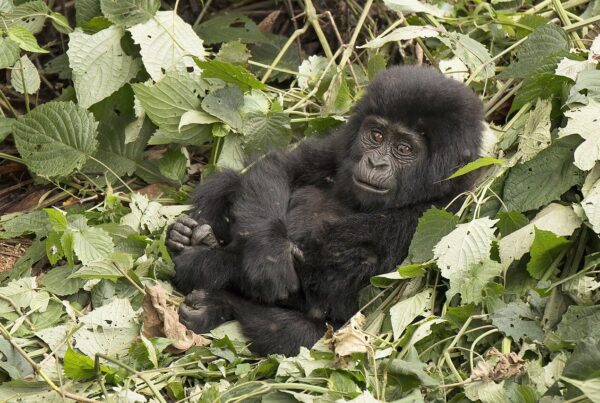
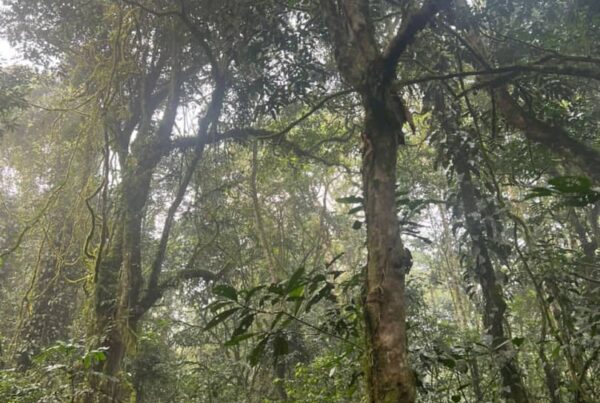
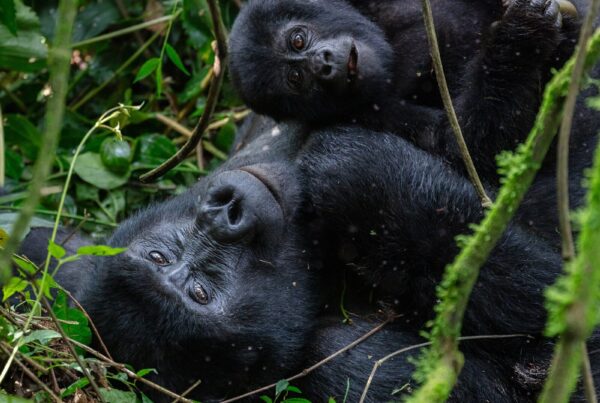
Most gorilla trekking itineraries are structured around the trek itself — the early morning briefing, the forest walk, the hour with the gorillas, the afternoon rest before the next day’s activities. What they rarely include is any attention to what happens the day before, and specifically to what happens in Kisoro, the small town in southwestern Uganda’s Kigezi Highlands that serves as the gateway to Mgahinga Gorilla National Park and is within easy reach of Bwindi’s Rushaga and Nkuringo sectors.
On market day in Kisoro — held twice weekly, drawing traders and farmers from across the Kigezi Highlands and from across the borders with Rwanda and the Democratic Republic of Congo — the town transforms from a quiet administrative centre into one of East Africa’s most vibrant and atmospheric markets. For travellers arriving a day before their trek, market day in Kisoro is an immersion in the daily life of the communities that make gorilla conservation possible.
The Geography of Kisoro
Kisoro sits at approximately 1,890 metres above sea level, surrounded by the extinct volcanoes of the Virunga chain — Muhabura, Gahinga, and Sabinyo — that mark the point where Uganda, Rwanda, and the DRC meet. The landscape is spectacular in a way that becomes ordinary only after several days of constant exposure: green hills terraced with cultivation, cloud-catching volcanic peaks, the small blue rectangle of Lake Mutanda visible to the north. It is one of the most densely populated rural areas in Uganda, and the density is visible in the patchwork of small farms that covers every cultivable slope.
The town itself is modest — a main street, several guesthouses, a few restaurants that serve a mixture of Ugandan and international food for the growing number of gorilla trekkers who stop here, a fuel station, a hospital, a collection of shops selling the supplies that rural communities need. The market, which spreads across several blocks in the centre of town, is what gives Kisoro its energy and its colour.
What the Market Sells
The Kisoro market sells everything that the farming communities of the Kigezi Highlands produce and everything they need. The agricultural section is extraordinary in its variety: Irish potatoes (Kigezi is Uganda’s potato heartland), sweet potatoes, cassava, beans of a dozen different varieties, maize, sorghum, millet, groundnuts, pumpkins, cabbages, onions, tomatoes, avocados, passion fruits, and bananas of numerous types. The livestock section has goats, chickens, and occasionally cattle. The manufactured goods section has everything from mobile phone accessories to agricultural tools to synthetic fabrics imported from China via Kampala.
The prices at the Kisoro market are a fraction of those in Kampala for equivalent goods, reflecting the immediate proximity to production. The fresh produce is genuinely excellent — picked within the previous day, grown in the high-altitude soils that produce potatoes and vegetables of exceptional quality. Kigezi Irish potatoes are sold across Uganda and into Rwanda and DRC as premium product; the same potatoes bought at source in Kisoro taste noticeably different from anything available in a city supermarket.
The Cross-Border Character
The Kisoro market draws traders from Rwanda and the DRC as well as from Uganda, giving it a multilingual, multicultural character that reflects the borderland geography. You hear Kinyarwanda, Kirundi, French, Swahili, and Rukiga alongside English. The Rwandan traders typically bring manufactured goods and processed foods that are cheaper or better quality than their Ugandan equivalents; the Congolese traders often bring agricultural products from the DRC’s forest edges and forest-edge communities.
The cross-border trade is officially regulated but practically complex — the border posts at Cyanika and Bunagana process significant volumes of informal trade that exists in the grey zone between formal customs and outright smuggling. For market traders who cross regularly, the borders are permeable facts of commercial life rather than absolute barriers. The community of people who trade across the Uganda-Rwanda-DRC triangle shares an economic geography that national boundaries only partially interrupt.
The Gorilla Trekking Connection
For travellers arriving in Kisoro the day before a gorilla trek at Mgahinga Gorilla National Park — where permits cost $800 in 2027 — the market provides context that the trek itself cannot. The farmers selling potatoes in the market live adjacent to the same national park boundaries that generate the conservation revenue that funds community development. The woman selling crafts near the market entrance may be a member of the same women’s cooperative that participates in revenue-sharing from gorilla tourism. The bodaboda rider who offered to take you to your guesthouse may have worked as a porter on gorilla treks until he had saved enough to buy his motorcycle.
These connections are rarely made explicit, but they become visible to travellers who arrive with curiosity and time. A morning in the Kisoro market, before any gorilla-related activity, establishes the human context in which gorilla conservation operates — the livelihoods, the market relationships, the daily calculations of farming families who live with wild animals as economic partners and agricultural competitors simultaneously.
What to Do on Market Day
The practical advice for spending market day in Kisoro is straightforward: arrive early, walk slowly, and resist the urge to photograph without asking. The early hours of the market have the best energy and the freshest produce. The middle of the day, when the heat builds and the initial transactional urgency subsides, is better for conversation — traders and buyers who have completed their main business of the morning are often willing to talk at length about their work, their communities, and their relationship with the landscape.
Buying something — even a small purchase of fresh fruit or a locally woven basket — transforms the interaction from tourism to commerce in ways that matter. Market traders are not there to be observed; they are there to sell. Engaging as a buyer, even modestly, changes the dynamic and creates a form of reciprocity that makes subsequent conversations more genuine.
The Evening Before the Trek
After the market, Kisoro’s pace slows. The guesthouses and small restaurants around the town centre serve food that reflects the Kigezi agricultural economy — excellent potatoes in various preparations, beans, local vegetables, and, at the better establishments, fresh fish from Lake Mutanda. The portions are large, the prices are low, and the ambience is entirely unlike anything available at the premium lodges near the park gates.
Staying in Kisoro town rather than at a lodge adjacent to the park is a choice that few gorilla trekking itineraries include but that many experienced Uganda travellers recommend. The extra distance to the park in the morning is real but manageable. What you gain is an evening in a real Ugandan town — a place with a life of its own that has nothing to do with gorilla tourism — before the carefully managed experience of the national park takes over the following day.
The volcanoes are visible from Kisoro at dusk on clear evenings, their silhouettes darkening against an orange sky. The gorillas are up there somewhere, a few kilometres away, going through their evening routines entirely indifferent to the trekkers who will follow their trail in the morning. The market is closing, the traders are packing up, and the town is settling into the quieter rhythm of an evening in the highlands. It is, in its own way, as memorable as the trek itself.