If you are planning gorilla trekking in Uganda in 2027, this guide covers everything you need to know before you book. It is written by operators who have been running gorilla trekking expeditions since 2010 and who answer the same questions, correctly, thousands of times per year. Read it before you contact any operator, before you book any flights, and before you commit to any permit purchase. It will save you time, money, and the specific frustration of discovering something important after it is too late to adjust.
The Permit: The Most Important Element
A gorilla trekking permit in Uganda costs USD 700 per person and is issued by Uganda Wildlife Authority. It permits one person to trek one gorilla family for one hour on one specific date. Permits are non-transferable, non-refundable except in exceptional circumstances, and cannot be moved to a different date without forfeiting the original and paying for a new one. They must be booked in advance — for peak dates (June to August, December to January), advance booking of three to six months is recommended. For low-season dates, one to two months advance is usually sufficient, though for specific family or sector preferences, earlier is always better.
You book permits through a licensed Uganda Tourism Board operator — you cannot purchase permits directly from UWA as an international visitor. This is why choosing your operator carefully is the first and most important decision in planning your gorilla trek.
Choosing Your Operator
Choose a UTB-licensed operator. Verify their license number. Check their reviews on TripAdvisor and Google — not the quantity of reviews but the quality of specific detail in them. Ask which guides will lead your trek (a named guide, with experience you can verify, is a sign of an operator who plans specifically rather than generically). Ask how they handle permit failure (it is rare but happens; an operator with no protocol for this is not adequately prepared). Ask what is and is not included in the quoted price.
Price is not the primary selection criterion. The cheapest gorilla trekking packages often exclude the permit from the advertised price, use shared vehicles, book budget accommodation that adds significant discomfort to what is already a physically demanding trip, and provide minimal guide quality. The price difference between a budget and a quality gorilla trekking experience is typically USD 500 to 1,000 per person over the whole trip. For an experience costing USD 2,500 to 4,000 all-in, this difference is relatively small and its impact on experience quality is large.
Choosing Your Sector
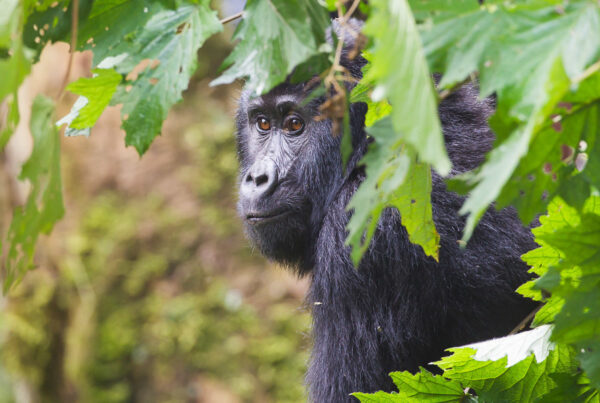
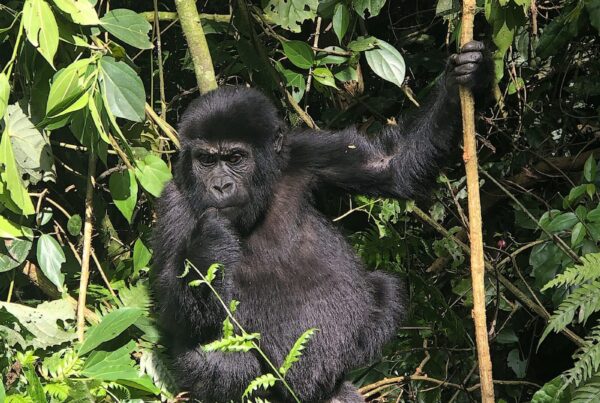
Bwindi Impenetrable National Park has four trekking sectors: Buhoma (northern), Ruhija (eastern), Rushaga (southern), and Nkuringo (southwestern). Mgahinga Gorilla National Park has one sector with a single habituated family (the Nyakagezi group, which moves between Uganda and Rwanda). Each sector has different gorilla families, different terrain, and different accommodation options.
Buhoma: Best for first-time trekkers, best infrastructure, most accessible from the north (Kampala via Kabale). Moderate terrain. Ruhija: Most remote, fewest tourist crowds, best birding, terrain more demanding. Rushaga: Most gorilla families, best permit availability, southern Uganda access. Nkuringo: Most dramatic scenery, most physically demanding terrain, small sector with a limited number of families. For most first-time trekkers without specific reasons to prefer another sector, Buhoma or Rushaga are the starting recommendation.
Timing Your Trip
Gorilla trekking is possible year-round in Uganda. There is no bad season — the forest is always accessible and the gorillas are always present. However, dry season conditions (June to September, December to February) make forest trails less muddy, mornings crisper, and photography cleaner. Wet season (March to May, October to November) brings heavier rain but also greener, more photogenic forest and fewer tourists. The gorilla encounter itself does not change significantly with season — the family is found wherever they have moved, rain or shine.
For families travelling with school-age children: school holidays (July-August, December-January) are peak demand periods — book very early. For budget-conscious travellers: the low season (March to May) offers the same experience at lower accommodation rates and with easier permit availability. For photographers: dry season mornings in Bwindi have the best light conditions.
What to Expect on Trek Day
You will receive your permit and meet your guide at the sector briefing point, usually arriving between 7:00 and 8:00 AM. The pre-trek briefing (approximately 30 minutes) covers gorilla behaviour, proximity rules, photography guidelines, and what to do if a gorilla approaches your group. After the briefing, you depart with your guide, optional porter, and a UWA ranger escort into the forest.
The trek can last anywhere from 45 minutes to seven hours depending on how far the gorilla family has moved since the previous day’s tracking. The average trek time to reach the family is two to three hours, and the time walking out is typically shorter because you have already broken trail. Once you find the gorillas, you have one hour with them. This hour does not start until you are physically with the family. Use every minute.
During the hour: keep the seven-metre minimum distance unless a gorilla approaches you (in which case, stand still and let it pass or retreat). Do not eat, make sudden movements, or raise your voice. Follow guide instructions immediately and without discussion. Flash photography is not permitted. You may take as many photos as you like without flash.
Physical Preparation
Prepare your body for the trek in the months before departure. Regular hiking on uneven terrain is the most specific preparation. Stair climbing and cardiovascular fitness work are helpful. Altitude is a factor at Bwindi (1,160 to 2,600 metres) — if you are coming from sea level, allow 24 hours at altitude before your trek if possible. Good walking boots with ankle support and broken-in soles are essential — do not trek in new boots. Hire a porter if there is any doubt about your ability to manage a long, steep trek with a daypack.
What to Pack for the Trek
For the trek itself: waterproof boots (ankle support), long trousers (protects against nettles and insects), long-sleeved shirt, lightweight waterproof jacket, hat, sun cream, insect repellent, at least 2 litres of water, high-energy snacks (you may trek for several hours before reaching the gorillas), camera without flash, binoculars (optional but useful for other wildlife on the approach), and any personal medications. Leave valuables, large bags, and non-essential items at your lodge.
Health and Safety
Gorilla trekking is safe for healthy, reasonably fit adults. Complete the pre-booking health declaration honestly — this is for your safety, not a barrier to participation. Do not trek if you are unwell, particularly with respiratory symptoms (gorillas are susceptible to human respiratory infections). Ensure your travel insurance covers emergency medical evacuation — it is inexpensive to add to a standard policy and covers the scenario (helicopter evacuation from a remote forest) that would otherwise be catastrophic in cost. Yellow fever vaccination is required for entry to Uganda. Malaria prophylaxis is recommended for the Bwindi area.
Contact Us to Book Your 2027 Trek
We are a UTB-licensed gorilla trekking operator with over 15 years of experience running gorilla trekking expeditions in Uganda. Our guides are experienced, named, and available to answer questions before your departure. Our permit procurement success rate is 99.7 percent. Contact us today to begin planning your 2027 gorilla trekking expedition — we will answer every question in this guide in the context of your specific dates, budget, and preferences.