BBC gorilla documentary Uganda 2026 — everything we know so far
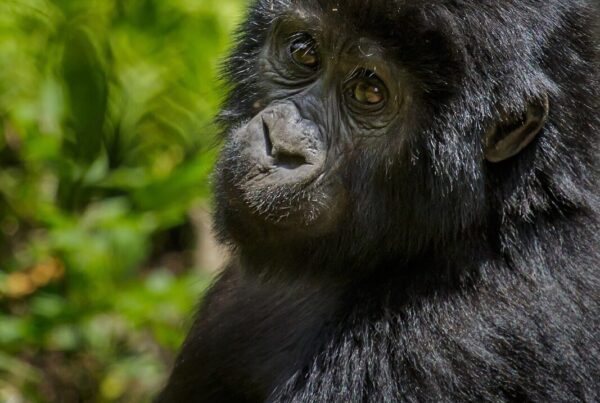
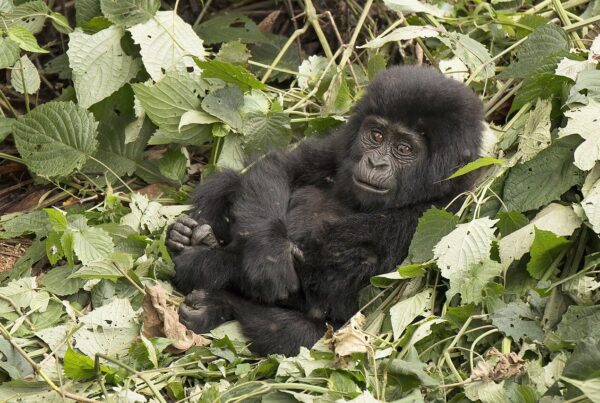
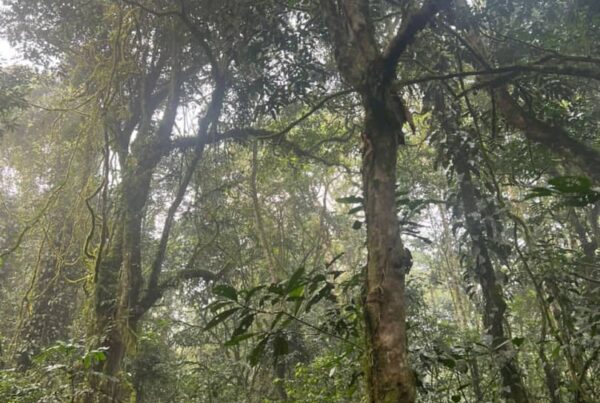
A new BBC gorilla documentary filmed in Uganda in 2025 and 2026 has been generating substantial advance interest in the wildlife and conservation communities since Uganda Wildlife Authority confirmed the production’s presence in Bwindi Impenetrable Forest last year. The production — which used extended access periods beyond the standard one-hour trekking permit — was granted special research permits that allowed the crew to spend multiple consecutive days with specific habituated gorilla families in Bwindi’s Ruhija sector, building the extended continuity of footage that defines the best wildlife documentary work. Here is what we know about the production and what viewers and visitors can expect when it airs.
The production: scale and access
BBC Natural History Unit productions of this scale represent some of the most significant investments in wildlife documentary filmmaking in the world. The team working in Bwindi included specialists in natural history cinematography, wildlife sound recording, and behavioural biology, working alongside Uganda Wildlife Authority rangers and researchers from multiple institutions. The extended access permitted for the production — substantially beyond what standard trekking permits allow — created conditions for the kind of sustained, intimate behavioural observation that produces documentary footage of exceptional quality and scientific value. Extended access of this kind is granted rarely by Uganda Wildlife Authority and only to productions that can demonstrate both the conservation benefit of their presence and the capacity to manage their access without disrupting the gorilla families they are filming.
Why Bwindi and why 2026
The production’s choice of Bwindi for this period reflects both the conservation story available in the forest — a population at its highest recorded level, a conservation system demonstrably working — and the improving logistics that make extended film production in Bwindi more feasible than it was a decade ago. The combination of luxury accommodation that can house a film crew comfortably, helicopter access for aerial footage, and the infrastructure of Uganda Wildlife Authority’s ranger monitoring programme — which provides the production with daily intelligence on gorilla family locations — creates conditions that support sustained documentary work without the logistical improvisation that characterised earlier production in the area.
What content the documentary is expected to contain
Based on information from sources within Uganda Wildlife Authority and the conservation community who have observed or been briefed on the production, the documentary is expected to include extended footage of the Bitukura family in Ruhija — known for its multi-silverback social structure and for containing one of Bwindi’s few sets of gorilla twins — and at least one other habituated family in the sector. The extended access periods reportedly produced footage of gorilla birth, infant development, silverback display behaviour, and inter-group encounters — all events that standard trekking permits rarely capture in the quality and duration that documentary production requires.
The conservation context
Major wildlife documentary productions about mountain gorillas have historically had a significant and measurable impact on conservation awareness and funding. The production that most transformed public understanding of mountain gorilla conservation — the BBC’s original Gorillas in the Mist coverage following Dian Fossey’s work in the 1980s — is widely credited with galvanising the international donor support that underpinned the early years of the gorilla conservation programme. A major 2026 production on the Bwindi population, at a moment when the conservation success story is at its most compelling, has the potential to drive a similar wave of awareness and support for the next phase of the programme’s development.
What the documentary means for gorilla trekking visitors
Major gorilla documentary releases have a consistent and predictable effect on gorilla trekking enquiries and bookings: they drive a substantial increase in demand, particularly in the months immediately following broadcast, as audiences who have watched the documentary are inspired to experience the encounters they have seen on screen. Visitors who want to avoid the booking difficulty that typically follows a major documentary release — and who want to trek in Bwindi before it becomes even more popular than it already is — would be well-advised to secure their permits ahead of the broadcast date. Contact our team for current permit availability and to arrange your gorilla trekking safari before the documentary drives the next wave of demand.