Updated
The idea that travellers should consider the conservation impact of their tourism choices — rather than simply selecting destinations based on price, convenience, and scenery — has moved from a niche ethical position to mainstream travel culture over the past three decades. Understanding how this shift happened, which early examples drove it, and what it means in practice for travel planning in 2027 is useful context for anyone choosing to visit Africa with a genuine concern for what their visit enables and what it costs.
The Origins in East Africa
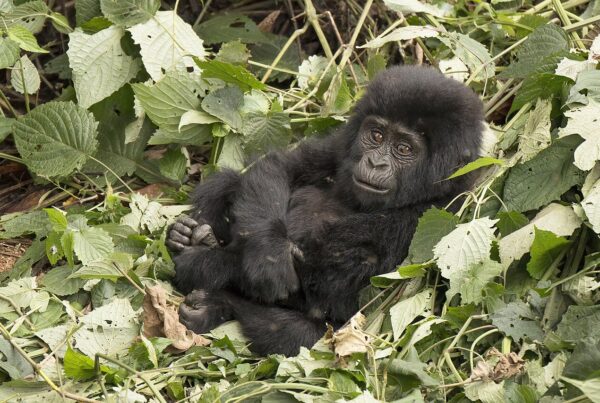
The roots of conservation-focused travel in Africa can be traced to the development of gorilla trekking tourism in Rwanda and Uganda in the 1980s and early 1990s. The Mountain Gorilla Project in Rwanda, established in 1979 and involving the African Wildlife Foundation, WWF, and the Fauna and Flora Preservation Society, explicitly designed gorilla tourism as a conservation mechanism rather than a tourist amenity. The framing was clear: the tourism revenue would fund protection, and protection would make the tourism possible. It was a conservation strategy that used tourism as its primary economic lever.
This model — designing tourism to generate conservation outcomes rather than treating conservation as a marketing backdrop — was innovative at the time. Most African national park tourism in the 1970s and 1980s was designed to generate government revenue, with conservation as a secondary consideration. The Mountain Gorilla Project’s explicit integration of tourism into conservation planning influenced how conservation organisations and park authorities thought about the relationship between visitors and the wildlife they came to see.
Community-Based Conservation Tourism
The second major development in conservation-focused African travel was the emergence of community-based conservation tourism in the 1990s. The model, developed most visibly in southern Africa and progressively adopted across the continent, allocated tourism benefits directly to communities living alongside wildlife rather than to central governments or outside investors. Community conservancies in Namibia, Kenya, Tanzania, and Uganda created arrangements where local landowners received income from wildlife tourism on their land, creating economic incentives to maintain wildlife habitat rather than convert it to agriculture.
The community revenue-sharing programme at Bwindi, which allocates a percentage of park fees to community development projects in the surrounding parishes, is an expression of this model applied to a national park setting. The principle is the same: tourism creates income, income creates community stake in wildlife survival, community stake reduces human-wildlife conflict and encroachment. The model has been refined and replicated across Africa, but the Bwindi community programme remains one of its most studied and cited examples.
The Ecotourism Label and Its Complications
“Ecotourism” as a formal category emerged in the 1990s and was defined by the International Ecotourism Society as responsible travel to natural areas that conserves the environment, sustains the well-being of local people, and involves interpretation and education. The label was quickly adopted by operators who recognised its marketing value, leading to a proliferation of self-described ecotourism products that did not meet the standard’s intent. The dilution of the term created both cynicism about conservation claims and genuine confusion among travellers about what they were actually supporting.
The response, over time, has been the development of more specific certification systems and the preference among conservation-focused operators for demonstrable metrics over labelling. Operators who can demonstrate that their permit fees reach park authorities, that their lodge employment includes meaningful community benefit, and that their activities do not degrade the habitats they use are increasingly distinguishable from those who apply conservation language to conventional tourism products.
What Conservation-First Travel Means in Practice
For a traveller planning a gorilla trekking trip to Uganda in 2027, conservation-first travel means choosing a licensed operator whose permit fees go through the Uganda Wildlife Authority’s official system, staying in lodges with genuine community employment programmes, and engaging with the guides and rangers as professionals rather than service staff. It means understanding that the $800 permit fee is a conservation investment with a documented impact history, not just a ticket price.
It also means — less obviously — choosing to go rather than not going. The conservation-first travel movement is sometimes interpreted as implying that the most ethical choice is to reduce travel. But for gorilla conservation, the opposite is true. The gorillas’ survival depends on tourism revenue. An empty Bwindi is not a protected Bwindi. The most effective conservation action available to most people who care about mountain gorillas is to pay the permit, make the trip, and participate in the economic system that makes protection possible.
The conservation-first travel movement is growing precisely because it asks more of travellers than conventional tourism does. Being genuinely useful to conservation — not just as a permit fee, but as an advocate, a word-of-mouth source, and a repeat visitor — requires the willingness to engage with complexity rather than consume a polished experience. That requirement is, paradoxically, what makes the travel more meaningful.