January is one of Uganda’s quieter gorilla trekking months — the holiday rush of December fades quickly in the first weeks of the year, leaving a window of relatively good permit availability, shoulder-season lodge pricing, and the short dry season conditions that make Bwindi’s trails firm and accessible. If you missed booking for December or simply prefer to begin the year with a significant experience rather than end it, January 2027 gorilla trekking offers conditions that many visitors prefer to the peak months.
January Conditions in Bwindi
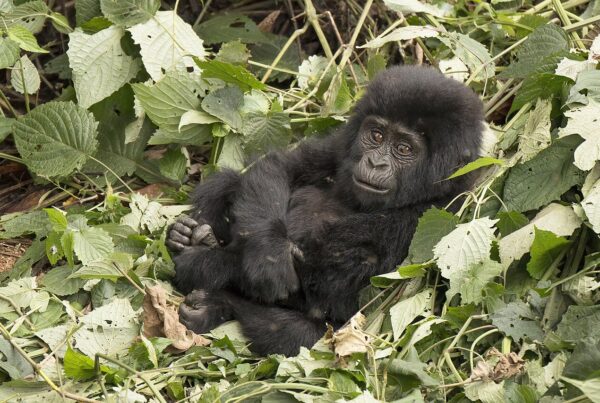
January falls in Uganda’s short dry season. In Bwindi’s mountain forest, the weather is clear and cool in the mornings — ideal conditions for a trek that begins at 7am. The trails are firm and relatively dry. The gorillas are active in the forest, feeding on the vegetation that the previous rains have refreshed. Photography conditions are good, with filtered light through the forest canopy rather than the dense overcast of the rainy months. For first-time trekkers who want the most comfortable physical conditions, January is a very good month.
The Permit
The gorilla permit costs $800 USD for international visitors in 2027. January availability is generally good compared to December, July, and August — the three months when competition for permits is highest. Most gorilla families have available slots in January with reasonable advance notice. Booking two to three months in advance is sufficient for most January dates, though the first week of January (when some visitors extend New Year trips) and school holidays in the Southern Hemisphere may tighten availability at specific sectors.
The January Mindset
January has a particular quality for travel that is distinct from the festive rush of December and the anticipation of summer. It is a month of intention — of beginning rather than continuing. Gorilla trekking in January 2027 is an appropriate response to that quality: a deliberate choice to begin the year with something genuinely significant, something that creates a reference point for the rest of the year. Many visitors who trek in January describe it as the right start — the experience that calibrates their year rather than simply occupying a holiday slot. Contact us to plan the January 2027 itinerary that works for your schedule and interests.
Frequently Asked Questions
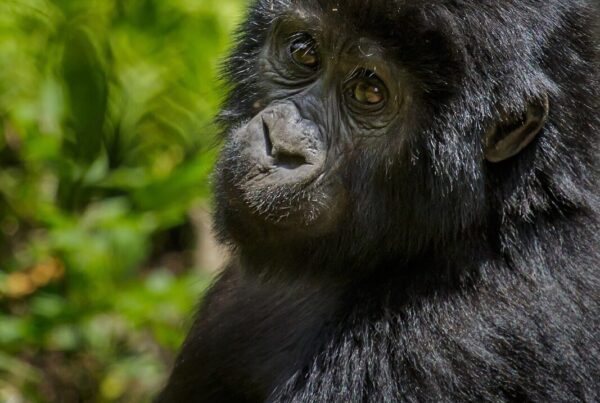
Uganda is home to the mountain gorilla (Gorilla beringei beringei), one of two subspecies of eastern gorilla. They live exclusively in the Virunga volcanic highlands (Uganda/Rwanda/DRC) and Bwindi Impenetrable Forest (Uganda only). Mountain gorillas are the only gorilla subspecies that cannot survive in captivity — every individual you can trek is a wild animal.
The standard gorilla trekking permit gives you exactly 1 hour with the gorilla family. This time begins when you make first contact with the family — the ranger signals the start. The Gorilla Habituation Experience gives 4 hours with a semi-wild family. The walk to find the gorillas can take 30 minutes to 5 hours depending on where the family has moved.
Stay calm, crouch down slowly, avoid direct eye contact, and remain quiet. Do not run — running triggers a chase response. Rangers accompanying your group manage close approaches. Habituated gorillas are accustomed to humans and almost never make contact, but a charging silverback is managed by staying still and following ranger instructions immediately.
A maximum of 8 visitors per habituated gorilla family per day for standard trekking. The Gorilla Habituation Experience has a maximum of 4 visitors per family per day. These limits are set by UWA to minimise stress on the gorilla families and maintain the quality of the experience.
Uganda is home to the mountain gorilla (Gorilla beringei beringei), one of two subspecies of eastern gorilla. They live exclusively in the Virunga volcanic highlands (Uganda/Rwanda/DRC) and Bwindi Impenetrable Forest (Uganda only). Mountain gorillas are the only gorilla subspecies that cannot survive in captivity — every individual you can trek is a wild animal.