Solo travelers can book gorilla trekking permits in Uganda entirely independently — Uganda Wildlife Authority accepts direct bookings online and through their Kampala offices, and on trek day you are assigned to a group of up to eight visitors regardless of how you booked. The permit costs $800 per person whether you book solo or through a tour operator, and the experience on the mountain is identical. The harder logistics challenge is getting from Entebbe to Bwindi and back without a guide — 7–10 hours of road transfer each way through southwest Uganda. See the permit guide for booking steps and sector options to plan which trailhead suits your itinerary.
- Permit booking: available direct from UWA or through any licensed operator
- Permit cost: $800 per person — same regardless of group size or booking method
- Trek groups: assigned on trek morning, maximum 8 visitors per gorilla family
- Main logistics challenge: Entebbe/Kampala to Bwindi (7–10 hrs each way by road)
- Recommended: hire a private driver even if you book the permit solo
- Tips: porter $15 USD, guide $20–$30 USD (standard expectations)
Solo travel has surged in popularity over the past decade, with more travellers than ever choosing to explore the world independently rather than waiting for companions whose schedules, budgets, or interests align with their own. Gorilla trekking, however, presents unique challenges for solo travellers that do not arise in more conventional solo destinations. The permit system, the remote location, the physical demands, and the social dynamics of trekking groups all create considerations that solo travellers must navigate thoughtfully.
This guide addresses every aspect of solo gorilla trekking in Uganda, from the practical logistics of permit booking and transport to the emotional experience of sharing one of life’s most profound moments with strangers rather than loved ones. Whether you are a seasoned solo traveller or contemplating your first independent adventure, this comprehensive guide will help you plan, execute, and savour a solo gorilla trekking experience that is safe, rewarding, and genuinely transformative.
The Permit System and Solo Travellers
UWA’s permit system allocates eight trekkers per gorilla family per day, and these groups are typically composed of individuals and couples who have booked separately. As a solo traveller, you will be assigned to a group with seven other trekkers, plus guides, rangers, and trackers. You will not trek alone, which is a safety requirement and a conservation measure.
This group assignment is generally straightforward and rarely problematic. However, during peak season when demand is high, solo travellers sometimes face challenges securing permits for specific dates because operators prioritise couples and groups who book multiple permits. Booking directly with UWA eliminates this potential bias, though it requires more administrative effort on your part.
If you prefer a more private experience, you can book all eight permits for a specific gorilla family on a specific date, effectively creating a private trek. This costs six thousand four hundred dollars at standard rates and is only feasible if permits are available. For most solo travellers, joining a standard group is the practical and economical choice.
Transport Options for Solo Travellers
Transport is the most significant logistical challenge for solo gorilla trekking. Private vehicle hire costs the same whether the vehicle carries one person or seven, making solo road transport disproportionately expensive. A ten-hour drive from Entebbe to Bwindi in a private vehicle costs approximately two hundred to three hundred dollars each way, plus fuel, a substantial outlay for a single traveller.
Several alternatives exist. Scheduled group safaris allow solo travellers to join pre-arranged departures, sharing transport costs with other participants. These departures run regularly during peak season and less frequently during low season. The downside is reduced flexibility in dates and itineraries.
Public transport offers the cheapest option but the least comfort and convenience. Buses from Kampala to Kisoro cost approximately fifteen to twenty-five dollars and take ten to twelve hours. From Kisoro, you must arrange local transport to your lodge. This option is only recommended for experienced independent travellers who are comfortable with African public transport.
Domestic flights from Entebbe to Kisoro or Kihihi, followed by road transfer, offer a middle ground. The flight costs approximately two hundred to three hundred dollars each way, and road transfers add fifty to one hundred dollars. While still expensive for one person, this option saves a full day of road travel each way and is significantly more comfortable than bus transport.
Accommodation and Solo Travellers
Most lodges near Bwindi price rooms based on double occupancy, meaning solo travellers often pay a single supplement or the full double rate for a room. This can add substantially to your total cost. Some budget properties offer dormitory beds or single rooms at reduced rates, but these are limited in number and quality.
When booking accommodation, ask explicitly about solo traveller rates. Some lodges waive or reduce single supplements during low season or for last-minute bookings. Others offer shared accommodation options where you can split costs with another solo traveller, though this requires flexibility and willingness to share with a stranger.
Camping is a budget option for adventurous solo travellers. Some community campsites near Bwindi offer basic facilities at very low cost, though you must bring your own tent and sleeping equipment. This option is only suitable for experienced campers who are comfortable with minimal amenities.
Safety Considerations for Solo Travellers
Uganda is generally safe for solo travellers, including women, provided that standard precautions are observed. The Bwindi region, in particular, has an excellent safety record for tourists, with virtually no incidents of violent crime against visitors. However, solo travellers should take sensible precautions that groups might not need to consider as carefully.
Inform your lodge and family members of your daily plans. Carry a charged mobile phone with local SIM card for emergency communication. Avoid walking alone at night outside lodge grounds. Keep valuables secure and avoid displaying expensive jewellery or electronics in public areas. Trust your instincts; if a situation feels uncomfortable, remove yourself from it.
Women travelling solo may encounter curiosity or attention, but harassment is rare and usually mild. Dressing modestly, being assertive but polite in declining unwanted attention, and staying in established lodges rather than remote budget accommodation minimises risk. Many women report that solo gorilla trekking was empowering and confidence-building, despite initial anxiety.
The Social Experience of Solo Trekking
One of the most common concerns prospective solo trekkers express is whether they will feel lonely or isolated during the experience. The reality is almost the opposite. Gorilla trekking is inherently social. You spend hours hiking with seven other trekkers, sharing the physical challenge, the anticipation, and the emotional peak of the encounter. Many solo trekkers report forming strong bonds with their trekking group, sometimes staying in touch with fellow trekkers for years afterward.
Your guides and porters also provide companionship and conversation. Ugandan guides are typically warm, knowledgeable, and genuinely interested in their guests. They will engage you in conversation, share stories about the forest, and ensure that you do not feel isolated.
That said, solo trekkers should be comfortable with their own company during evenings at the lodge. Bring a book, keep a journal, or use the quiet time for reflection. Some solo travellers find that the solitude enhances their connection with the natural environment, allowing deeper observation and contemplation than might be possible in conversation with a companion.
Photography and Solo Trekking
Without a travel companion to take your photograph, solo trekkers may struggle to capture images of themselves during the gorilla encounter. Some solutions include asking your guide or a fellow trekker to take photos of you with the gorillas in the background. Most people are happy to help, and the shared experience creates natural camaraderie that makes such requests comfortable.
Alternatively, bring a small tripod or gorillapod and use your camera’s self-timer or remote control. However, be aware that setting up equipment during the gorilla encounter may distract from the experience itself and may be discouraged by guides who want the group’s attention focused on the animals.
The most important photographs are those that capture the gorillas themselves, and these do not require you to be in the frame. Focus on documenting the encounter, and accept that your own presence in the photographs may be limited. The memories you carry are more important than the images.
Making the Most of Solo Freedom
Solo travel offers freedoms that group travel cannot match. You set your own schedule, change plans on impulse, eat when and where you choose, and spend as much or as little time on any activity as you wish. After the structured experience of gorilla trekking, this freedom allows you to explore the region at your own pace.
Consider extending your solo trip to include Lake Bunyonyi, where you can canoe between islands, hike to viewpoints, or simply read and rest without consulting anyone else’s preferences. Visit local markets, try Ugandan cuisine, and engage with community members in ways that group itineraries might not accommodate. The solo journey becomes not merely a means to reach the gorillas but an integral part of the adventure.
Final Thoughts
Solo gorilla trekking is not only possible but deeply rewarding for those who embrace its unique qualities. The challenges, transport costs, and occasional moments of solitude are outweighed by the freedom, the unexpected friendships, and the profound self-reliance that independent travel cultivates.
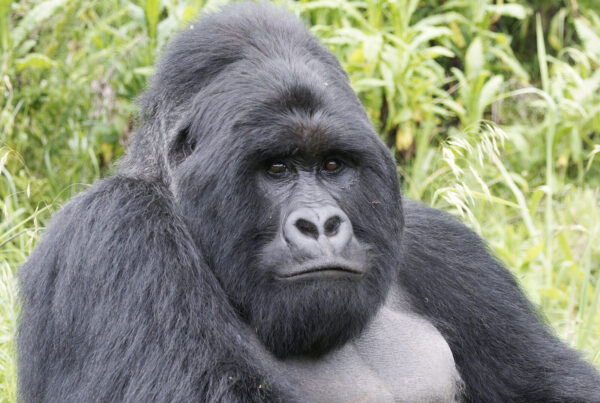
When you stand before a silverback as a solo traveller, you are not alone in the way that matters. You are surrounded by forest, by the presence of wild creatures, and by the knowledge that you have navigated your own path to this extraordinary moment. The gorilla meets your gaze without knowing or caring whether you arrived with a companion or by yourself. He meets only you, and the connection is complete.
Can I book a gorilla trekking permit without a tour operator?
Yes. Uganda Wildlife Authority allows individuals to book gorilla permits directly through their website or Kampala offices. You pay the same $800 USD as you would through an operator. On trek day you are simply assigned to the group alongside other visitors who may have booked through operators or independently. The trek experience itself is no different.
What is the hardest part of doing gorilla trekking solo in Uganda?
Transport to and from Bwindi is the primary challenge. The journey from Entebbe or Kampala is 7–10 hours by road through areas with limited public transport options. Most independent travelers hire a private driver for the Uganda leg even when booking everything else themselves — this costs approximately $150–$200 USD per day for a 4WD with driver, and removes the most complex logistics from the solo experience.
Is Uganda safe for solo female travelers doing gorilla trekking?
Uganda is generally considered one of the safer East African countries for solo female travelers. Bwindi and the gorilla trekking zones are well-managed tourism areas with established lodge infrastructure and experienced guides. Solo female visitors trek regularly without incident. Standard travel precautions apply — research your lodges, share your itinerary with someone at home, and use recommended transport providers rather than random local hires.
Will I be placed with a group if I trek solo?
Yes. On trek morning, rangers assign all permit holders at the briefing to gorilla family groups of up to 8 visitors. Solo travelers are merged with other visitors for the duration of the trek. In practice, many solo travelers meet their trek companions at the lodge the night before and find the shared experience a natural part of the trip.
Can I reschedule a gorilla permit if I arrive late or cannot trek?
Uganda Wildlife Authority does allow permit rescheduling in some circumstances, but the process has conditions and is not guaranteed. Medical rescheduling (with documentation) is more commonly accommodated than simple date changes. If you booked directly through UWA, contact them immediately if your situation changes. If you booked through an operator, they handle rescheduling on your behalf and know the current process.
- Solo Gorilla Trekking Uganda: Tips for Independent Travelers
- Best Places to Travel Solo: Safe, Inspiring & Unforgettable Destinations
- Uganda Gorilla Trekking for Solo Travellers: The No-Group Option
- Solo Female Gorilla Trekking in Uganda: Complete Safety Guide
- Uganda Gorilla Trekking Solo Traveller Guide: Going Alone
- Gorilla Trekking for Solo Travellers: A Complete Guide
- Is Gorilla Trekking Uganda Worth It for Solo Travellers?
- Gorilla Trekking Uganda Solo Traveller Package: Group Joining Option
- The Solo Traveller Gorilla Trekking Uganda Guide: Safe, Easy, Rewarding
- The Solo Trip to Uganda That Made Me Realise I Was Enough