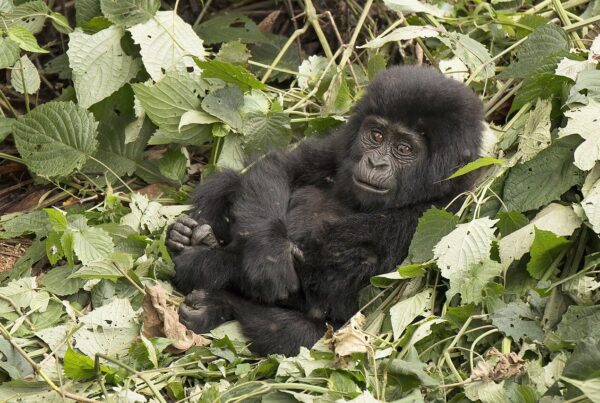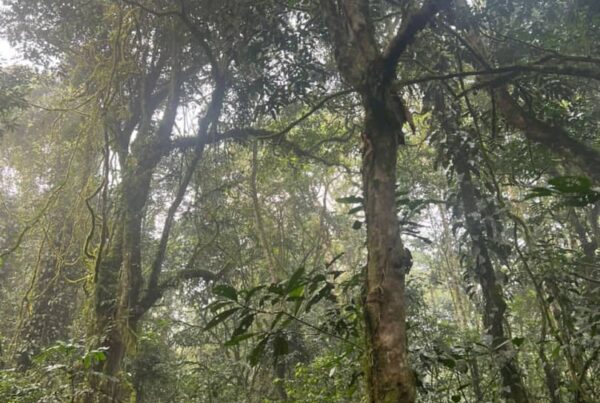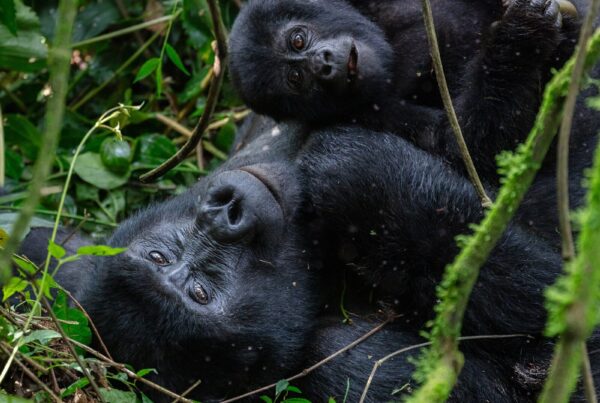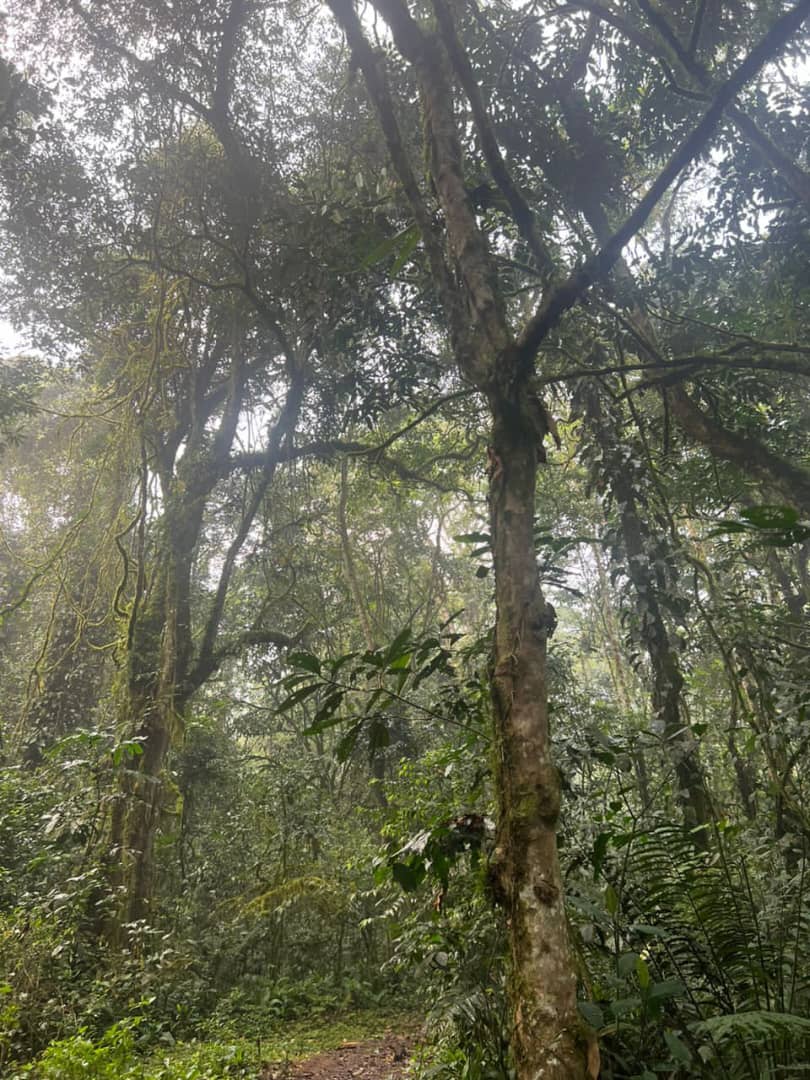
Lonely Planet’s rating of Bwindi Impenetrable National Park as the number one national park in East Africa is one of the most significant editorial endorsements in wildlife tourism. For a publication that covers hundreds of East African parks and reserves and whose researchers have visited each of them, placing Bwindi at the top of the East Africa ranking is a deliberate, evidence-based assessment that deserves examination. Here is what that rating means and why Bwindi earns it.
Lonely Planet’s Criteria for Park Rankings
Lonely Planet’s editorial process for destination rankings combines researcher field visits, traveller feedback, conservation status, accessibility, and the uniqueness of the experience available. For East African national parks, this means evaluating: the wildlife present and its accessibility; the quality of infrastructure and visitor experience; the conservation credentials and management quality; and the distinctiveness of the experience relative to other parks in the region. Bwindi’s ranking reflects all of these dimensions: it offers a wildlife experience (mountain gorilla trekking) unavailable anywhere else in the region, in a forest with exceptional biodiversity, managed by UWA with clear conservation standards, and delivering an encounter that Lonely Planet researchers describe in terms consistent with travellers’ own most extreme assessments.
What Bwindi Offers That No Other East African Park Does
The East African national park landscape is extraordinary: the Maasai Mara in Kenya, Serengeti in Tanzania, Amboseli, Samburu, Ngorongoro, the Okavango Delta (southern Africa), South Luangwa in Zambia. These parks collectively represent some of the finest wildlife viewing on earth. But none of them offer mountain gorilla trekking. The specific experience that Bwindi delivers — one hour with a habituated family of the rarest great ape on earth, in ancient forest, at close range — is not available in the Maasai Mara, the Serengeti, or anywhere outside Uganda and Rwanda. Bwindi’s number-one ranking reflects this irreplaceability: in a region of extraordinary national parks, Bwindi offers the one experience that cannot be found anywhere else.
What Lonely Planet’s Traveller Reviews Say
Lonely Planet’s community review section for Bwindi maintains exceptional average ratings. The reviewer profiles span first-time Africa visitors and experienced safari travellers who have visited multiple East African parks. The consistency across this diverse group is the same consistency seen across all review platforms: the gorilla encounter is consistently described in superlative terms, and the comparisons are always with the traveller’s own previous best wildlife experience, which the Bwindi encounter surpasses. Number one in East Africa, according to Lonely Planet. The same verdict that hundreds of thousands of independent travellers have reached on their own terms. Contact us to book your 2027 Bwindi experience.
Frequently Asked Questions
Minimum: 3 days (arrive, travel to Bwindi, trek, return — very rushed). Recommended: 5–7 days to include proper travel time and a buffer day. If combining with Kibale chimps or a game park, allow 8–12 days. The 8-hour road journey from Kampala to Bwindi means a 3-day trip involves almost no rest.
A popular 7-day itinerary: Day 1 — Arrive Entebbe, transfer to Kampala or Entebbe hotel. Day 2 — Fly or drive to Bwindi. Days 3–4 — Gorilla trekking (one or two treks), forest walks. Day 5 — Return to Entebbe via Kampala or direct charter. Days 6–7 — Optional Entebbe or Kampala city time before departure.
Yes, but they are in different countries. A combined itinerary typically routes Entebbe (Uganda gorillas) → Nairobi or Kilimanjaro (Tanzania/Kenya safari) with a connecting flight between legs. Allow 10–14 days total. Alternatively, Uganda’s own Queen Elizabeth National Park offers excellent big game alongside the gorilla experience without the international connection.
Near Bwindi: Batwa Cultural Experience (indigenous forest walk with the Batwa community), guided birding walks (350+ species), forest nature walks, waterfall hikes, community village visits. Within 2–3 hours of Bwindi: Lake Bunyonyi (canoeing, island walks), Mgahinga (golden monkey trekking, Virunga volcano hiking).
Uganda is home to the mountain gorilla (Gorilla beringei beringei), one of two subspecies of eastern gorilla. They live exclusively in the Virunga volcanic highlands (Uganda/Rwanda/DRC) and Bwindi Impenetrable Forest (Uganda only). Mountain gorillas are the only gorilla subspecies that cannot survive in captivity — every individual you can trek is a wild animal.