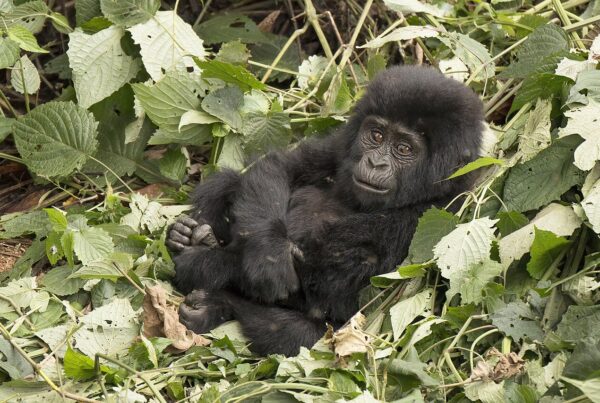
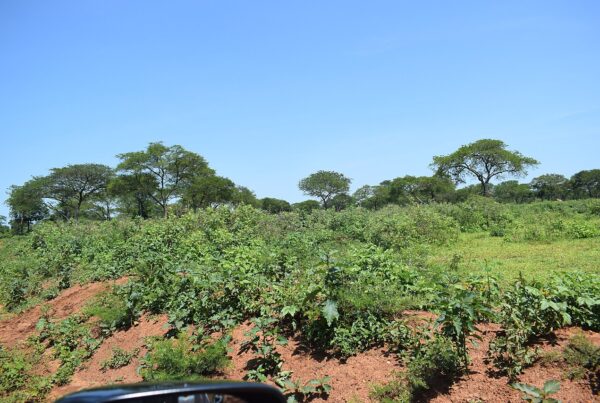
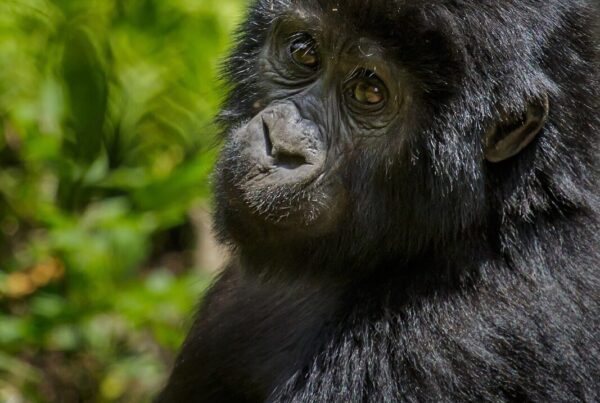
The October half-term school break — typically one week in late October — is one of the underused windows for gorilla trekking in Uganda. October falls in Uganda’s short rainy season, which runs from October to November, but the rain in Bwindi is rarely continuous or day-long, and the forest is beautiful and green in a way that the dry season months are not. Permit availability in October is generally better than in the peak July-August period, and prices at some lodges are lower in the shoulder season. For families with teenagers meeting the minimum trekking age who want to spend the October break doing something genuinely extraordinary, Uganda is a compelling and achievable option.
Is October Good for Gorilla Trekking?
October is Uganda’s short rainy season. Rainfall in Bwindi during this period tends to come in afternoon showers rather than continuous all-day rain. Morning treks — which is when all gorilla trekking is scheduled, with a 7am briefing — are generally not affected by afternoon rain. Trail conditions are wetter and muddier than the dry season, which makes the physical demands higher, but it is the same forest with the same gorillas under the same basic conditions. Many experienced trekkers prefer the shoulder season precisely because the forest is less crowded, the light for photography is different, and the freshness of the rainy season vegetation gives Bwindi a particular character.
The gorilla permit costs $800 USD for international visitors in 2027. Permit availability for October half-term is better than the peak summer months, but booking should still be done two to three months in advance to ensure the specific dates you need are available.
The Family Itinerary
A one-week October half-term itinerary from Europe works as follows: fly out on the Saturday before half-term, arrive Entebbe Sunday, transfer to Bwindi Monday (eight hours by road or 45 minutes by charter flight), trek on Tuesday or Wednesday, return to Entebbe Thursday, fly home Friday or Saturday. This gives the family the core experience within the half-term week with one day of buffer on each side.
The minimum age for gorilla trekking in Uganda is typically 15 years, per Uganda Wildlife Authority guidelines. Families with children below this age should plan an alternative activity for younger members while parents trek, or wait until children are old enough to participate. Contact us to plan the October 2027 half-term itinerary that works for your family’s ages and interests.