Two Ways to Meet the Mountain Gorillas
Visitors to Bwindi Impenetrable National Park face a choice between two extraordinary gorilla experiences: standard gorilla trekking and the gorilla habituation experience. Both bring you face-to-face with wild mountain gorillas, but they differ significantly in duration, group size, cost, physical demands, and the nature of the encounter itself. Choosing between them requires understanding what each offers, what each demands, and which aligns with your priorities, budget, and travel style.
This guide provides a comprehensive comparison of standard trekking and habituation experiences. It examines the practical differences, the emotional qualities of each encounter, the factors that should guide your decision, and why some visitors choose to do both. By the end, you will have the clarity to select the experience that best serves your expectations.
Standard Gorilla Trekking: The Classic Experience
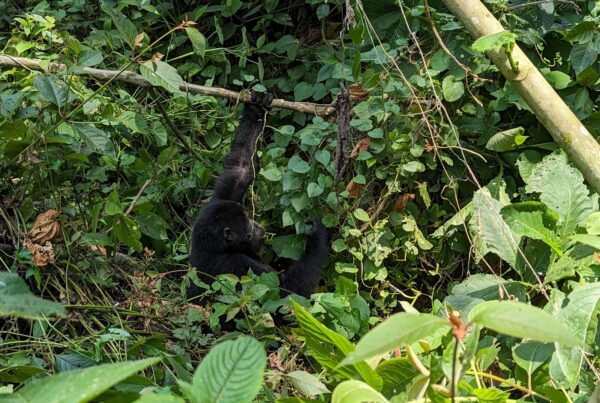
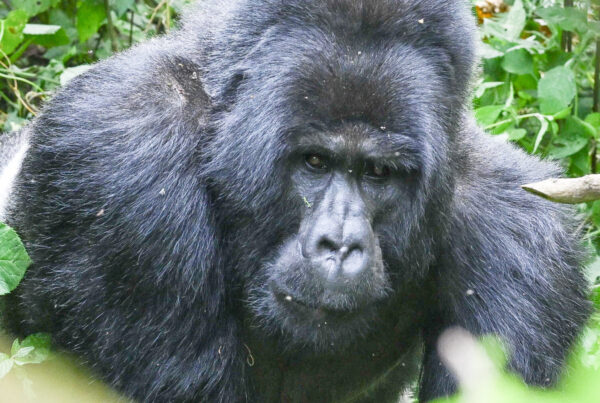
Standard gorilla trekking is the experience most travellers know. You join a group of up to eight visitors, accompanied by UWA guides and trackers, and hike into the forest to locate a habituated gorilla family. Once found, you spend one hour observing the gorillas from a minimum distance of seven metres. After the hour, you hike back to the trailhead.
The trek duration varies enormously, from thirty minutes to six hours or more, depending on where your assigned family is located. The group size of eight creates a social dynamic; you share the experience with strangers who may become temporary friends. The guides manage the group, ensuring everyone has viewing opportunities and follows the rules.
The one-hour limit is strictly enforced. This brevity creates intensity; every minute matters, and photographers in particular may feel pressure to capture their shots quickly. The time passes with extraordinary speed, leaving many trekkers wishing for more.
Standard trekking permits cost eight hundred dollars for foreign non-residents, seven hundred dollars for foreign residents, and three hundred thousand Ugandan shillings for East African citizens. Permits are limited to eight per gorilla family per day, creating scarcity during peak seasons.
The Gorilla Habituation Experience: Deeper Immersion
The gorilla habituation experience, available only in the Rushaga sector of Bwindi, offers a fundamentally different encounter. Instead of one hour, you spend four hours with a gorilla family that is in the process of being habituated to human presence. Group size is limited to four visitors, creating a more intimate and flexible experience.
Habituation involves UWA researchers and trackers working daily with a wild gorilla family to accustom them to human observers. The process takes approximately two to three years before a family is ready for standard tourism. During habituation visits, you accompany the research team, observing their work while also watching the gorillas.
The four-hour duration transforms the encounter. You have time to settle in, to observe behavioural patterns, to watch relationships unfold. The gorillas may move, feed, rest, play, and interact socially during your visit, and you witness the full range of their daily activities rather than a brief snapshot.
The smaller group size of four means fewer people to manage, quieter observation, and more flexibility in positioning. Researchers may allow slightly closer approaches than standard trekking, though the seven-metre rule still applies as a safety and health precaution.
Physical Demands: Trekking vs Habituation
Both experiences require hiking through Bwindi’s challenging terrain, but habituation generally involves longer, more demanding treks. The gorilla families undergoing habituation are often located in more remote areas, and the four-hour observation period means you may be following mobile gorillas for extended distances.
Habituation days are longer overall. You depart earlier, hike farther, spend four hours with the gorillas rather than one, and return later. The total time in the forest can exceed eight hours, compared to two to six hours for standard trekking.
For fit, experienced hikers, the physical demands of habituation are manageable and worthwhile. For less fit visitors, or those with limited time, standard trekking may be more appropriate. Be honest about your physical capabilities when making this choice.
Cost Comparison
The gorilla habituation experience costs significantly more than standard trekking. Current prices are one thousand five hundred dollars for foreign non-residents, one thousand dollars for foreign residents, and seven hundred fifty thousand Ugandan shillings for East African citizens. This compares to eight hundred, seven hundred, and three hundred thousand respectively for standard permits.
The higher cost reflects the exclusive nature of the experience: smaller groups, longer duration, and the presence of researchers whose work the visit supports. For many visitors, the additional cost is justified by the depth and quality of the encounter. For others, particularly those on tighter budgets, standard trekking provides sufficient wonder at a more accessible price.
Which Experience Is Right for You?
Choose standard trekking if you have limited time, limited budget, or limited physical fitness. It delivers the essential gorilla encounter efficiently and memorably. Many first-time visitors find standard trekking fully satisfying and do not feel the need for more.
Choose habituation if you have the budget, fitness, and deep interest in gorilla behaviour to justify the extended time. Photographers benefit enormously from the four-hour window. Wildlife enthusiasts appreciate the opportunity to observe complex social interactions. Researchers and conservation professionals value the educational component of accompanying the habituation team.
Some visitors do both, scheduling standard trekking in one sector and habituation in another on separate days. This approach provides comparative perspective and maximises gorilla time, though it requires significant budget and physical stamina.
Booking Considerations
Habituation permits are more limited than standard permits, with only a few families undergoing habituation at any time. Book habituation experiences at least six to nine months in advance, particularly for peak season travel. Standard permits should also be booked in advance but offer slightly more flexibility.
The habituation experience is only available in the Rushaga sector, which requires travelling to southern Bwindi. This location may influence your overall itinerary, particularly if you are combining gorilla trekking with other Ugandan destinations.
Final Thoughts
There is no wrong choice between standard trekking and habituation. Both bring you into the presence of mountain gorillas, and both create memories that last a lifetime. The question is not which is better but which is better for you, given your budget, fitness, interests, and the depth of immersion you seek.
Standard trekking is like attending a symphony: you experience the full performance in a concentrated, structured format. Habituation is like spending the day in a musician’s studio: you see the work behind the performance, the practice, the adjustments, the gradual refinement. Both are valid, both are valuable, and both will leave you changed by the music you have heard.