Updated
gorilla trekking Uganda UN embassy staff Kampala is one of Africa’s most extraordinary wildlife experiences, connecting travellers with mountain gorillas in their natural forest habitat. If you work for the United Nations, an embassy, or an international development organisation in Kampala, you already live closer to the mountain gorillas than most people on earth. Bwindi Impenetrable National Park is approximately eight hours by road from the capital — a journey that is entirely manageable over a long weekend. And yet a significant number of expats who spend years in Uganda leave without ever having made the trip. This is a guide to making sure you are not one of them.
Gorilla Trekking Uganda for UN and Embassy Staff in Kampala
You Are Already There
The single biggest barrier to gorilla trekking for most people is the journey from their home country to Uganda. You have already crossed that barrier. You live here. The remaining logistics — the drive to Bwindi, the permit, the accommodation — are entirely within reach on a standard weekend, a public holiday, or a short period of annual leave.
Many UN and embassy staff in Kampala develop a systematic programme of exploring Uganda during their posting, and gorilla trekking is almost universally the highlight. The question is usually not whether to go but when, and the answer is: sooner rather than later. Permits sell out months in advance, and many Kampala-based expats have found that their posting ended before they got around to booking.
The Options for Getting to Bwindi
The road journey from Kampala to Bwindi takes approximately eight to nine hours, passing through the towns of Masaka and Mbarara before climbing into the mountain landscape of south-western Uganda. The route is scenic and the road is mostly tarmac. Many Kampala residents drive themselves in 4WD vehicles, though hiring a driver is common for the mountain sections.
Charter flights from Kajjansi Airfield or Entebbe International Airport reduce the journey to under an hour. Several Ugandan aviation operators run scheduled charter services to Kihihi and Kisoro airstrips near Bwindi. For a long weekend trip where time is the constraint, the charter option is worth the additional cost.
The Permit Booking Process
Gorilla permits cost $800 USD per person for international visitors (Foreign Non-Resident rate) in 2027. East African Community citizens pay 300,000 UGX. If your passport is from a country in the EAC — Kenya, Tanzania, Rwanda, Burundi, South Sudan, DRC, or Somalia — you may be eligible for the EAC rate. Confirm your eligibility with the Uganda Wildlife Authority or your tour operator.
Permits are issued by the Uganda Wildlife Authority and must be purchased through a licensed tour operator or directly from the UWA office. Booking three to four months in advance is strongly advised, particularly for Friday, Saturday, and Sunday treks when Kampala-based visitors tend to cluster. Your operator handles the permit application on your behalf as part of the package.
Accommodation Near Bwindi
The lodges near Bwindi range from comfortable mid-range options such as Buhoma Lodge and Ruhija Gorilla Safari Camp to higher-end properties including Gorilla Forest Camp, Mahogany Springs, and Clouds Mountain Gorilla Lodge. Kampala-based expats with agency vehicles and flexible schedules sometimes stay in the park’s more basic bandas and campsite, which offer good value for those who are comfortable with a simpler setup.
Many UN and embassy staff choose to go in small groups of colleagues, which makes the logistics simpler and the shared transport more cost-effective. A group of four to six people can often coordinate permit dates, share a vehicle, and split accommodation costs in a way that makes the total per-person cost very manageable.
Long Weekend Itinerary
A typical long weekend gorilla trek from Kampala follows a straightforward pattern. Drive or fly to Bwindi on Friday, arriving in time for an evening at the lodge. Trek on Saturday morning, returning to the lodge by early afternoon. Spend Saturday afternoon resting or doing a short guided walk. Drive or fly back to Kampala on Sunday, arriving by evening.
If you can take Friday as annual leave, the journey is more relaxed. Travelling on Thursday evening and taking an additional night near Bwindi gives you time to recover from the journey before the trek and explore the area around the park more thoroughly.
The Experience Itself
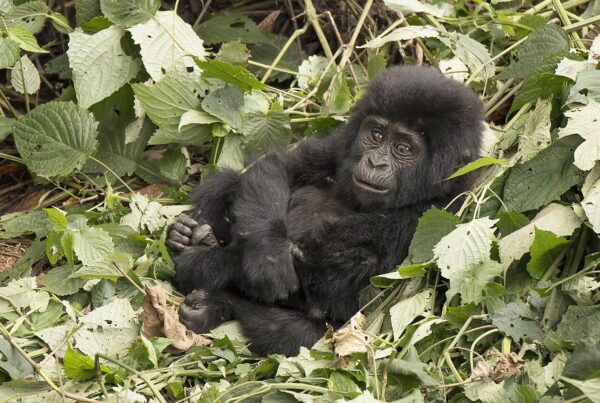
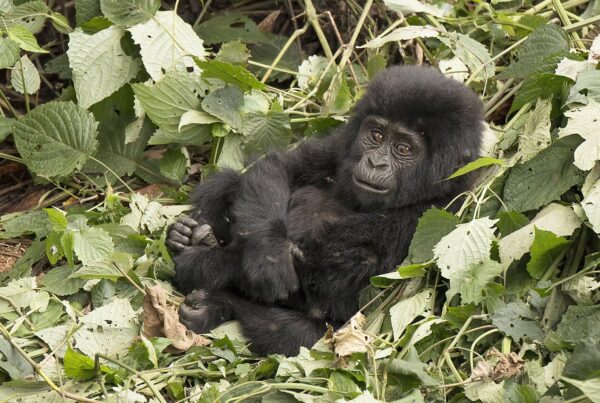
Gorilla trekking in Uganda is genuinely among the world’s most extraordinary wildlife experiences. You walk into Bwindi’s ancient rainforest — a forest that has survived ice ages and survived deforestation — and you spend an hour with wild mountain gorillas that have been habituated to accept human presence. The silverback. The nursing mothers. The juveniles playing in the canopy. All of this is happening in a forest that takes forty-five minutes to reach from your Kampala office.
Many UN and embassy staff who have worked in East Africa for years describe the gorilla trek as the single experience they are most glad they made time for. The ones who left without doing it — and there are many — describe it differently.
Book the permit. Drive the road. The gorillas will be there. Whether you will be is the only variable that matters.