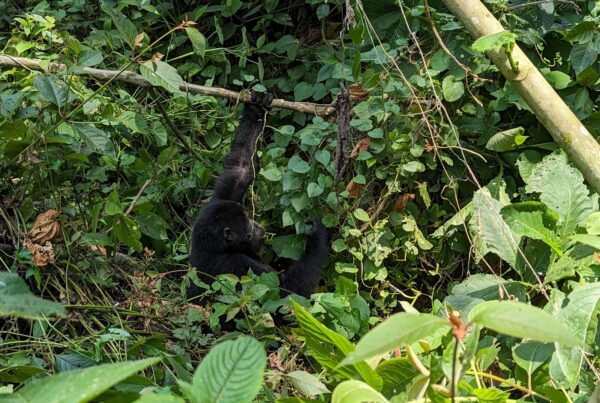
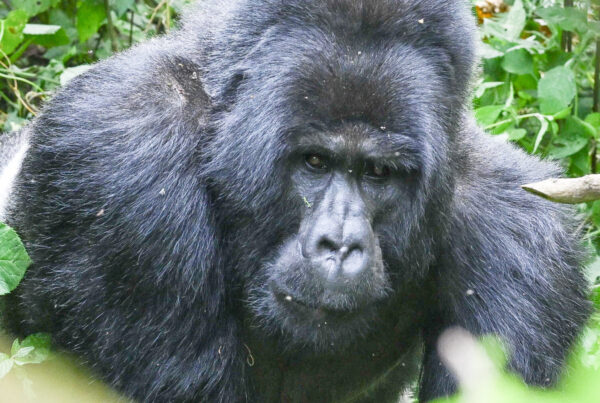
For Ugandan citizens, gorilla trekking in Uganda is an opportunity to experience one of the country’s most extraordinary natural resources at a price point designed to reflect local economic conditions. The Uganda Wildlife Authority tiered pricing system exists specifically to ensure that national parks are accessible to the citizens they belong to — and the Ugandan citizen permit rate for gorilla trekking reflects this principle. This guide explains the pricing, the booking process, and what Ugandan citizens need to know to plan their gorilla trek.
The Ugandan Citizen Permit Rate
Ugandan citizens pay 150,000 UGX (approximately $40 USD at current rates) for a gorilla trekking permit. This is the EAC category rate applied to Ugandan nationals and represents approximately one-twentieth of the international non-resident rate of $800 USD. The rate is set by UWA and is reviewed periodically; the current rate is the 2024-2026 tariff rate. Proof of Ugandan citizenship — a national identity card or a valid Ugandan passport — is required at the briefing point.
The citizen rate applies to all four trekking sectors in Bwindi Impenetrable National Park — Buhoma, Ruhija, Rushaga, and Nkuringo — and to the habituated families available at Mgahinga Gorilla National Park. The permit entitles the holder to a one-hour visit with a habituated gorilla family, identical in content and protocol to the visit experienced by international tourists at the full rate.
Booking Your Permit
Gorilla permits for Ugandan citizens can be booked directly through Uganda Wildlife Authority’s online permit booking system or through licensed tour operators. Booking in advance is strongly recommended — gorilla permits sell out months ahead of peak season (June-September and December-February), and even off-peak availability is limited to eight visitors per gorilla family per day. For citizens planning around school holidays or public holidays, booking three to four months ahead is advisable.
Travel to Bwindi from Kampala takes approximately eight to ten hours by road via the Mbarara-Kabale route. The road is good quality to Kabale and manageable to the park gates; local transport (buses and shared taxis) runs to Kabale from Kampala, with onward transport to Buhoma or Kisoro available from Kabale town. The logistics are straightforward for travellers accustomed to long-distance Ugandan road transport.
What to Bring
The physical requirements and protocols for Ugandan citizen trekkers are identical to those for international visitors: sturdy walking shoes or boots, long trousers and long-sleeved shirts, rain gear, a hat, a small daypack with water and snacks. The trek is physically demanding regardless of your fitness level. Porter services are available at all sectors at a standard rate and are worth using, particularly for the more demanding sectors at Ruhija and Nkuringo.
Bwindi belongs to Uganda and to its citizens. The gorilla families have been protected and grown over forty years partly by the rangers and guides who live in the communities around the park. The permit at 150,000 UGX is the citizen’s entitlement to see what has been protected in their name. Contact us to plan your 2027 gorilla trekking Uganda trip.
Frequently Asked Questions
The standard gorilla trekking permit costs $800 per person for foreign non-residents (FNR). EAC foreign residents pay $700. During low season — April, May, and November — the FNR rate drops to $600. The Gorilla Habituation Experience permit (4 hours, Rushaga sector only) costs $1,800 per person.
Permits are issued by Uganda Wildlife Authority (UWA). Most visitors book through a licensed Uganda tour operator, who handles the UWA reservation, permit transfer, and sector logistics. Direct booking via the UWA eTourism portal is available but operators handle the complexity of sector assignment and date changes.
During peak season (June–September, December–February): book 3–6 months ahead. During low season (April, May, November): 4–8 weeks is usually sufficient. The AFCON 2027 period (June–July 2027) will see unusually high demand — book at least 6 months ahead for any date in that window.
UWA gorilla permits are non-refundable but can be rescheduled to another date subject to availability and sufficient advance notice. Your tour operator handles this process. Travel insurance that covers trip cancellation and curtailment is strongly recommended for all Uganda gorilla bookings.
Yes. The permit price is set by Uganda Wildlife Authority and is fixed regardless of which operator you use. No operator can offer a discount on the $800 permit — only their service fees (accommodation, transport, guiding) vary between companies.