Updated
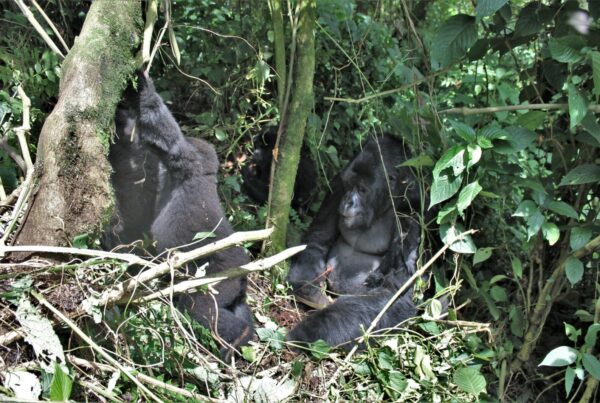
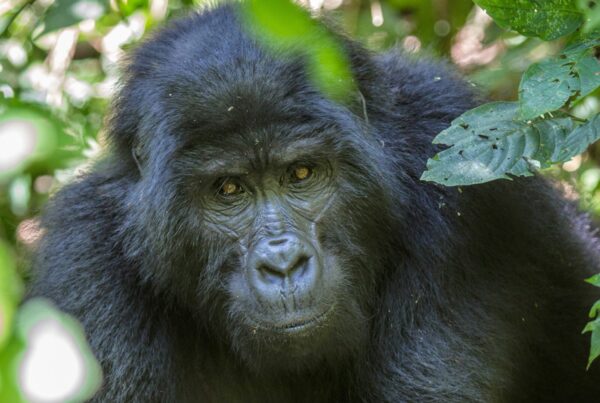
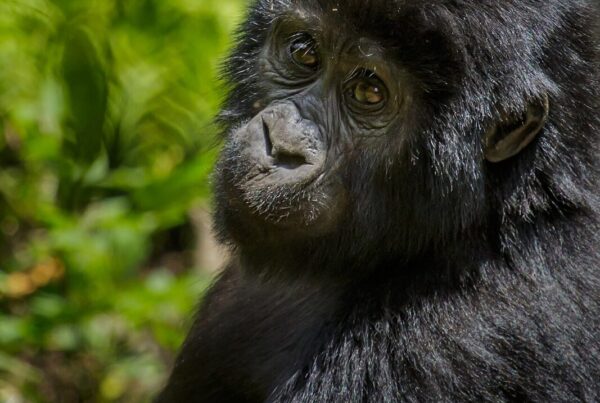
gorilla trekking Uganda running club post-marathon is one of Africa’s most extraordinary wildlife experiences, connecting travellers with mountain gorillas in their natural forest habitat. Running clubs plan group travel with the same collective logic that makes club membership worthwhile: the shared experience is better than the individual one, the social bonds formed through training transfer naturally to travel, and the physical culture of running clubs produces groups that approach demanding physical experiences with a matter-of-fact competence that serves gorilla trekking well. A post-marathon gorilla trekking Uganda trip is a specific category of reward travel that combines athletic achievement with an entirely different category of physical challenge — and produces an experience that running club members consistently describe as the best group trip they have taken.
Gorilla Trekking Uganda for Running Clubs: The Post-Marathon Reward Trip
Why Runners Are Well-Suited to Gorilla Trekking
The physical demands of gorilla trekking — sustained uphill walking at altitude, two to four hours of continuous movement on uneven terrain — are well within the capability range of trained runners. Marathon runners in particular arrive at Bwindi with the cardiovascular foundation, the tolerance for sustained physical effort, and the mental approach to extended physical challenge that makes the trek manageable rather than daunting. The specific athletic quality that running develops — the ability to pace yourself, to manage discomfort without stopping, to find a rhythm and sustain it — transfers directly to the forest terrain.
The gorilla permit is $800 per person. For running clubs planning a group post-marathon trip, the collective investment is significant but the group booking dynamic — everyone committed, everyone contributing, everyone motivated by the shared goal — makes the logistics straightforward. Groups of six to eight fill one gorilla trekking permit allocation; larger running groups need multiple permits across two families, which operators with established UWA relationships can arrange.
The Marathon-to-Trek Connection
The post-marathon period has a specific psychological character: the goal has been achieved, the training cycle is complete, and there is typically a brief window before the next cycle begins during which the question of what to do with athletic capability and club cohesion is genuinely open. The gorilla trek fills this window with a physical challenge that is different in kind from running — shorter in duration, more technically demanding, set in an environment of extraordinary beauty — and provides the club with a shared experience that becomes part of its collective identity.
Running clubs that have done this report that the gorilla trek becomes a recurring event — a post-season tradition that the club builds around. Some clubs build the training season around a specific marathon followed by Uganda; others use Uganda as the annual club trip regardless of race calendar. In both cases the combination of athletic culture and wildlife experience produces a group dynamic that is specifically well-suited to Bwindi’s demands.
Planning the Trip
Allow a recovery window between the marathon and the gorilla trek — at least two weeks, ideally three to four — to ensure that participants are physically restored for the trek rather than still recovering. The trek is not a race and does not require peak running fitness, but it does require the absence of accumulated fatigue from race training. Plan the trip around Buhoma sector for its accessibility and the quality of its lodge infrastructure, which suits group social dynamics well. Contact us to plan your 2027 running club gorilla trekking Uganda trip. The permit is $800. The silverback will not care about your finish time.
Frequently Asked Questions
Uganda is home to the mountain gorilla (Gorilla beringei beringei), one of two subspecies of eastern gorilla. They live exclusively in the Virunga volcanic highlands (Uganda/Rwanda/DRC) and Bwindi Impenetrable Forest (Uganda only). Mountain gorillas are the only gorilla subspecies that cannot survive in captivity — every individual you can trek is a wild animal.
The standard gorilla trekking permit gives you exactly 1 hour with the gorilla family. This time begins when you make first contact with the family — the ranger signals the start. The Gorilla Habituation Experience gives 4 hours with a semi-wild family. The walk to find the gorillas can take 30 minutes to 5 hours depending on where the family has moved.
Stay calm, crouch down slowly, avoid direct eye contact, and remain quiet. Do not run — running triggers a chase response. Rangers accompanying your group manage close approaches. Habituated gorillas are accustomed to humans and almost never make contact, but a charging silverback is managed by staying still and following ranger instructions immediately.
A maximum of 8 visitors per habituated gorilla family per day for standard trekking. The Gorilla Habituation Experience has a maximum of 4 visitors per family per day. These limits are set by UWA to minimise stress on the gorilla families and maintain the quality of the experience.
Uganda is home to the mountain gorilla (Gorilla beringei beringei), one of two subspecies of eastern gorilla. They live exclusively in the Virunga volcanic highlands (Uganda/Rwanda/DRC) and Bwindi Impenetrable Forest (Uganda only). Mountain gorillas are the only gorilla subspecies that cannot survive in captivity — every individual you can trek is a wild animal.