Updated
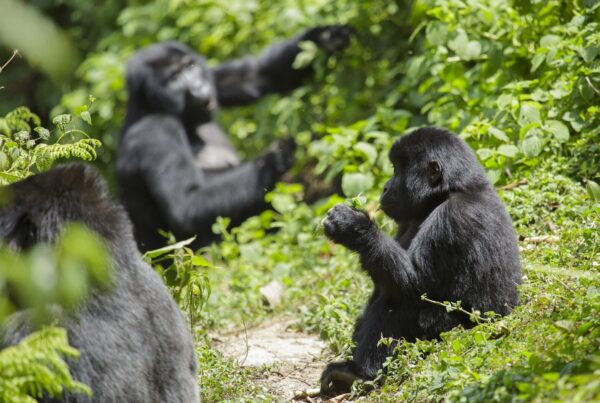
How Much Does a Uganda Gorilla Safari Cost?. A Uganda gorilla safari typically costs US$1,300–1,700 per person for a 3-day budget trip, US$2,500–4,000 for a 5-day mid-range safari, and US$5,000 or more for a luxury trip with domestic flights — based on two people sharing and excluding international flights. Longer safaris that add chimpanzees in Kibale and game drives in Queen Elizabeth National Park cost more in total but less per day, because the transport and driver are shared across more activities.
This guide looks at the whole safari rather than the gorilla trek alone: what different trip lengths cost, what drives the price up or down, and how to judge whether a quote is fair. If you only want the cost of the trek itself — permit, porter, tips — see our gorilla trekking cost breakdown.
How Much Does a Uganda Gorilla Safari Cost? Complete Budget Breakdown
Typical safari prices by length
| Safari (per person, two sharing) | What it usually includes | Budget | Mid-range | Luxury |
|---|---|---|---|---|
| 3 days | Gorilla trek, 2 nights near Bwindi | US$1,300–1,700 | US$1,900–2,800 | US$3,500+ (fly-in) |
| 5 days | Gorillas plus Lake Bunyonyi or Queen Elizabeth | US$1,900–2,600 | US$2,500–4,000 | US$5,000+ |
| 7 days | Gorillas, chimpanzees in Kibale, Queen Elizabeth | US$2,600–3,400 | US$3,800–5,500 | US$7,500+ |
| 10 days | Adds Murchison Falls or a second gorilla trek | US$3,500–4,500 | US$5,500–7,500 | US$10,000+ |
The ranges are wide because the same itinerary can be run with very different lodges and transport. A 7-day safari staying in simple guesthouses and travelling by road might cost less than half of the same route with luxury lodges and flights between parks. The parks, the gorillas and the chimpanzees are the same in both versions; what you pay for is comfort, privacy and time saved on the road.
What drives the price
Accommodation is the biggest variable. Lodges near Bwindi range from about US$50 per person per night in community guesthouses to over US$1,500 at the most exclusive lodges, almost always including meals. On a 7-day safari with six lodge nights, the difference between budget and luxury accommodation alone can be several thousand dollars per person. See our guide to lodges near Bwindi and Mgahinga for what each level offers.
Transport is next. Most safaris use a 4×4 safari vehicle with a driver-guide, which costs roughly US$150–250 per day for the vehicle, shared by everyone in it. That makes group size very important: two people pay half the vehicle cost each, while a solo traveller pays all of it. Domestic flights from Entebbe to Kihihi or Kisoro save long road days but cost about US$300–450 per person each way.
Activity permits add up too — the gorilla permit, chimpanzee tracking in Kibale (around US$250), boat trips on the Kazinga Channel and daily park entry fees in places like Queen Elizabeth and Murchison Falls.
Season matters less than many people think. The gorilla permit drops to US$600 in April, May and November, and some lodges offer lower rates in those wet months, but the rest of the safari costs much the same all year. Christmas, New Year and July–August are the times when the best lodges fill first, so booking early matters more than the price difference.
Shorter or longer: which is better value?
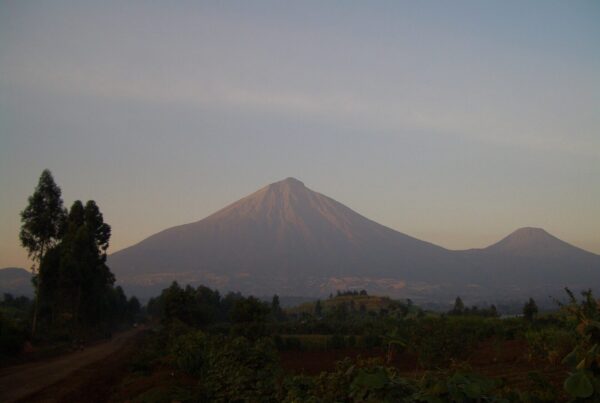
A 3-day trip is the cheapest way to see gorillas, but much of it is spent travelling: Bwindi is 8–10 hours from Entebbe by road, so a 3-day safari from Entebbe is roughly one day driving in, one day trekking and one day driving out. Flying in, or starting from Kigali — about 4–5 hours from the southern Bwindi sectors — makes short trips far more relaxed.
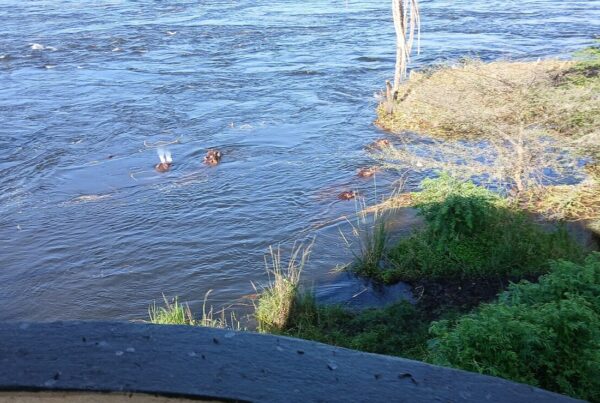
From five days upwards, the cost per day falls, because you have already paid for the long transfer and each extra day adds a new experience rather than more driving. Most first-time visitors find 7 days the best balance: enough time for gorillas, chimpanzees and a savannah park with tree-climbing lions and Kazinga Channel hippos, without the trip becoming a marathon. Our gorilla safari itineraries show how each length fits together.
How to judge a safari quote
When you compare quotes from different operators, look beyond the total. A good quote tells you the name of every lodge, the type of vehicle, which park fees and activities are included and whether the gorilla permit is listed separately at its fixed price. These are the questions worth asking before you choose:
- Which lodge, and is it in the same sector as my gorilla permit?
- Is there an arrival night before the trek, in case of flight delays?
- Are park entry fees and activity permits all included?
- Is drinking water in the vehicle included?
- How many people share the vehicle, and is a pop-up roof included for game drives?
An unusually cheap quote often saves money in places that cost you later, such as a lodge in the wrong sector, which means a pre-dawn drive on trek day, or no buffer day if your flight is late. An unusually expensive one may simply use top-tier lodges. Neither is wrong, but you should know which you are buying.
Costs outside the safari price
A few costs are almost never included in a safari quote. International flights are the largest. The Uganda e-visa costs US$50, or US$100 for the East Africa Tourist Visa if you are also visiting Kenya or Rwanda. Tips for your driver-guide (roughly US$10–20 per day from the group), the ranger team and porters add a little more. Travel insurance with medical evacuation cover is essential, and you will need a yellow fever vaccination certificate and malaria tablets. If your budget is tight, our guide to gorilla trekking on a budget explains where to save without risking the trek.
Frequently asked questions
Mostly because of lodges and transport. The permit is fixed at US$800, so differences come from accommodation level, road or air travel, group size and trip length.
For two or more people, a private safari costs about the same per person. For solo travellers, a group departure is usually cheaper because the vehicle cost is shared.
Usually enough to cover the gorilla permit, which must be paid in full when booked, plus a share of lodge deposits. The balance is normally due 30–60 days before travel.
Day for day, often yes, especially at mid-range. But the gorilla permit adds US$800, so a gorilla safari is not cheaper than a classic Kenya safari of the same length.