Updated
gorilla trekking must-do Africa list Uganda is one of Africa’s most extraordinary wildlife experiences, connecting travellers with mountain gorillas in their natural forest habitat. There are hundreds of incredible wildlife experiences available to travellers in Africa. Lion kills in the Masai Mara. Elephant gatherings at Hwange. Wild dog packs in Ruaha. Cheetah hunts on the Serengeti plains. Great white sharks off the Cape. Flamingo flocks on Lake Nakuru. Africa is a continent of wildlife superlatives, and experienced travellers who have explored it over years could construct many different lists of its finest experiences. But there is one experience that appears on every Africa wildlife list ever assembled by every credible source: gorilla trekking in Uganda. This post examines why — what is it about gorilla trekking that places it above every other Africa wildlife experience on every list, without exception?
Gorilla Trekking Makes Every Single Must-Do Africa List: Here Is Why
The Primate Connection: Why Gorillas Are Different From All Other African Wildlife
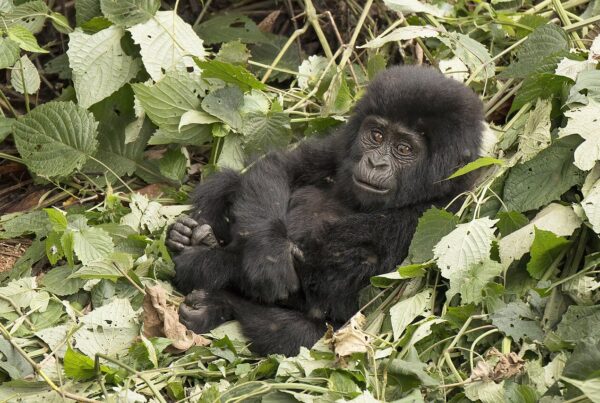
Africa has lions, which are magnificent. It has elephants, which are intelligent and emotionally complex. It has leopards, which are elusive and beautiful. It has chimpanzees, which share 99 percent of human DNA and have been studied for over 60 years. But mountain gorillas occupy a unique position in the hierarchy of African wildlife encounters for a specific reason: they are large enough to be physically imposing, calm enough (when habituated) to be approached safely, socially organised in family structures that are immediately legible to human observers, and close enough to us genetically (98 percent shared DNA) that the encounter carries an almost vertiginous quality of recognition.
Looking into a silverback’s eyes is not like looking into a lion’s eyes (predatory, flat, assessing) or an elephant’s eyes (ancient, sad, deep). It is like looking into the eyes of something that is simultaneously completely other and utterly familiar. This quality — the sense of recognising something of yourself in a non-human being — is what gorilla trekking veterans invariably describe as the defining feature of the encounter, and it is not available from any other animal encounter in Africa.
The Conservation Story: Active Success, Not Passive Preservation
Every credible Africa wildlife experience involves conservation awareness. Elephants are poached. Lions are declining. Rhinos are under siege. The conservation narrative of most Africa wildlife is one of management against ongoing threat. Gorilla conservation tells a different story: the mountain gorilla population has tripled over 30 years, from approximately 320 in the 1990s to over 1,000 in 2027. This recovery is directly attributable to the combination of protected area management, anti-poaching enforcement, community benefit programmes, and gorilla trekking tourism that has made the gorillas more economically valuable alive than dead.
When you trek gorillas in Uganda in 2027, you are visiting an endangered species that is not losing its fight for survival — it is winning it. You are contributing, through your permit fee, to the specific mechanisms that are producing that recovery. This is a conservation narrative without parallel in Africa wildlife tourism, and it adds a dimension to the gorilla trekking experience that no other Africa wildlife encounter can offer.
The Scarcity Factor: Why Permits Intensify the Experience
Gorilla trekking permits are genuinely scarce. Eight trekkers per day per gorilla family, permits sold out months in advance for peak dates, a USD 700 price point that filters casual from committed travellers. This scarcity is a conservation management tool, not a marketing device — limiting visitor numbers protects gorilla families from the stress and disease risk of excessive human contact. But it also means that trekking gorillas requires advance planning, commitment, and a level of intentionality that a Serengeti game drive — where vehicle numbers are less strictly controlled — does not demand. The experience feels rare because it is rare. That rarity is part of what makes it extraordinary.
The Physical Engagement: The Encounter as Earned
Most Africa wildlife encounters are vehicle-based. You are seated, comfortable, driven to the wildlife. The encounter is served to you. Gorilla trekking is different: you walk to the gorillas, through dense forest, uphill, often in heat and sometimes in rain, for anywhere from 45 minutes to seven hours. When you find the family, you have worked for the encounter in a way that no vehicle-based safari demands. The physical engagement shapes the emotional response — the encounter feels earned, not delivered. This is not incidental to the experience’s power. It is central to it.
Why Uganda Is the Best Gorilla Destination
Uganda’s gorilla trekking advantages over Rwanda and the DRC in 2027 are: permit price (USD 700 vs USD 1,500 in Rwanda), sector variety (four trekking sectors with different terrain and gorilla families), community development story (more extensively documented than anywhere else in the gorilla range), and guide quality (Uganda’s long-established guide training system has produced the highest density of deeply experienced gorilla guides on earth). Rwanda offers luxury lodge integration and shorter road distances from Kigali airport. The DRC offers lower crowds and potentially more authentic wildness but carries security considerations that most travellers need to assess carefully. Uganda is, for the majority of travellers planning their first gorilla trek, the optimal balance of experience quality, accessibility, and value.
Contact us to book your Uganda gorilla trekking permit for 2027. We will show you why this experience appears on every Africa list, and why that unanimous consensus is fully deserved.