Updated
Gorilla Trekking and Zanzibar Extension: The Perfect Combo Why Gorillas and Zanzibar Belong Together Gorilla trekking is not a passive activity. Pairing mountain gorilla trekking in Uganda with a Zanzibar beach extension is one of the most popular East Africa combinations — the contrast is deliberate: five days in the highland rainforest of Bwindi, then a short flight to the Indian Ocean coast, shifts the pace entirely. The two destinations share a travel window: June to October is both Uganda’s dry trekking season and Zanzibar’s best beach period. Book your gorilla permit first, then build the Zanzibar leg around it, as permits are the harder item to secure on your preferred dates.
- Uganda leg: 4–6 days (gorilla trek day + Bwindi activities + transfer days)
- Zanzibar leg: 3–5 days (Stone Town, beach, spice tour)
- Connection: Entebbe → Dar es Salaam or Nairobi → Zanzibar (3–5 hours total)
- Best timing: June–October (dry season for both destinations)
- Flight cost: approximately $200–$400 USD Entebbe to Zanzibar (one-way, varies widely)
- Total trip length: 10–14 days recommended
Some holiday combinations are so intuitively perfect that they seem inevitable. Pairing gorilla trekking in Uganda’s misty rainforests with beach relaxation on Zanzibar’s white sand shores is one such combination. The physical intensity and emotional power of encountering mountain gorillas in their natural habitat finds its natural counterpoint in the warm Indian Ocean waters, swaying palm trees, and laid-back island atmosphere of Zanzibar. Together, they create a journey that satisfies every dimension of the African travel experience: adventure, wildlife, culture, and pure relaxation.
Gorilla Trekking and Zanzibar Extension: The Perfect Combo
Why Gorillas and Zanzibar Belong Together
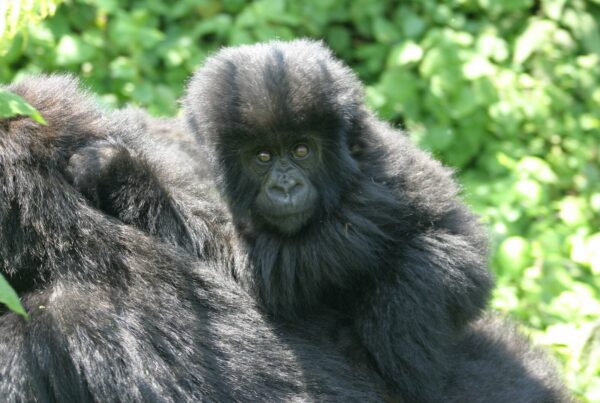
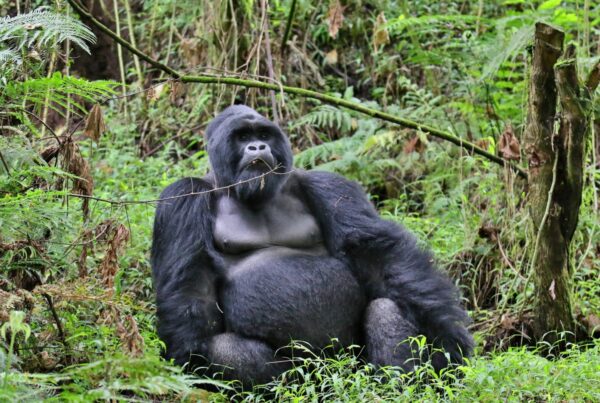
Gorilla trekking is not a passive activity. It demands early mornings, strenuous hiking through dense forest, and an emotional engagement that leaves many travellers physically tired and mentally processing for hours afterward. You return from the forest exhilarated but drained, your muscles aching, your mind replaying the moment a silverback made eye contact with you across the undergrowth. What you need after such an experience is not another activity but a setting that allows your body to recover and your mind to absorb what you have witnessed.
Zanzibar provides exactly that setting. The island’s beaches, particularly on the east and north coasts, are among the finest in Africa: powder-white sand, turquoise water, and coral reefs teeming with marine life. There are no scheduled activities more demanding than deciding whether to swim, snorkel, or simply lie in a hammock with a book. The contrast between Bwindi’s cool, misty highlands at 2,000 metres and Zanzibar’s tropical warmth at sea level creates a sensory journey that feels like travelling between two different continents.
The Logistics: Getting from Uganda to Zanzibar
The distance between Uganda and Zanzibar is approximately 1,200 kilometres, but modern air connections make the transfer surprisingly straightforward. The most efficient routing flies from Entebbe International Airport to Zanzibar’s Abeid Amani Karume International Airport, typically via Nairobi’s Jomo Kenyatta International Airport or Dar es Salaam’s Julius Nyerere International Airport.
Kenya Airways operates the most direct connections, with flights from Entebbe to Nairobi taking approximately one hour, followed by a short hop to Zanzibar. Precision Air and several low-cost carriers also serve the route via Dar es Salaam. Total travel time, including connections, is typically four to six hours. If you are ending your gorilla trek in Kigali rather than Entebbe, RwandAir operates direct flights from Kigali to Zanzibar several times weekly.
An alternative, more adventurous option involves flying from Entebbe to Dar es Salaam and taking the ferry to Zanzibar. The Azam Marine ferry covers the distance in approximately two hours and offers an atmospheric arrival that flying cannot match. However, ferry schedules can be unpredictable, and the sea crossing is occasionally rough. For travellers with limited time, flying directly to Zanzibar is the safer choice.
Sample Itinerary
Days One to Two: Arrive at Entebbe International Airport and transfer to Bwindi Impenetrable National Park. The drive takes eight to ten hours, or you can fly to Kihihi airstrip and transfer to your lodge. Spend the evening attending the pre-trek briefing and preparing your equipment.
Day Three: Gorilla trekking day. After an early breakfast, hike into Bwindi’s rainforest with your guides and trackers. Spend one magical hour with a habituated mountain gorilla family. Return to the lodge for a late lunch and a well-earned rest.
Day Four: Optional second gorilla trek for those who purchased a second permit, or a gentler activity such as a community visit, birding walk, or simply relaxing at the lodge. In the afternoon, transfer back to Entebbe or Kigali for your onward flight.
Day Five: Fly to Zanzibar. Clear immigration, collect your luggage, and transfer to your beach hotel. The contrast between the cool forest air and the warm tropical breeze hits you immediately. Spend the evening watching the sunset over the Indian Ocean.
Days Six to Eight: Beach time. The exact activities depend on your preference and chosen location. Nungwi and Kendwa on the north coast offer beautiful beaches, resort amenities, and lively evening atmosphere. Paje and Jambiani on the east coast are quieter, more authentic, and popular with kite surfers. Mnemba Atoll, off the northeast coast, offers exceptional snorkelling and diving.
Day Nine: Explore Stone Town, Zanzibar’s historic capital. This UNESCO World Heritage Site is a labyrinth of narrow streets, Arab-influenced architecture, spice markets, and the haunting former slave market. Visit the House of Wonders, the Sultan’s Palace, and the Anglican Cathedral built on the site of the slave market. Take a spice tour to learn why Zanzibar is known as the Spice Island.
Day Ten: Departure from Zanzibar International Airport. If your flight departs in the evening, spend your final hours swimming, shopping for souvenirs, or simply absorbing the island’s peaceful atmosphere one last time.
Choosing Your Zanzibar Beach
Nungwi and Kendwa (North Coast): These neighbouring villages offer Zanzibar’s most developed beach infrastructure. Nungwi has numerous hotels, restaurants, and bars, with a lively evening scene. Kendwa, just south, is slightly quieter but equally beautiful. Both beaches experience significant tidal variation, meaning the water recedes dramatically at low tide. Swimming is best at high tide.
Paje and Jambiani (East Coast): The east coast is quieter and more traditionally Swahili than the north. Paje has emerged as Zanzibar’s kite surfing capital, with several schools offering lessons and equipment hire. Jambiani, further south, is a sleepy fishing village with a handful of small guesthouses and a wonderfully authentic atmosphere. The east coast beaches are less affected by tides than the north.
Matemwe and Kiwengwa (Northeast Coast): These beaches offer a middle ground between the developed north and the quiet east. Mnemba Atoll, one of East Africa’s best snorkelling and diving sites, is accessible by boat from Matemwe. The area has several mid-range and luxury lodges.
Best Timing for This Combination
Zanzibar’s dry seasons, June to October and December to February, coincide with Uganda’s best gorilla trekking conditions. July to September offers ideal weather on both ends: dry trails in Bwindi and calm seas in Zanzibar. This is also peak season, so book accommodation and gorilla permits well in advance.
March to May brings the long rains to Zanzibar, making beach time less enjoyable and occasionally restricting boat trips. However, this is low season, meaning lower prices and fewer tourists. If you do not mind occasional showers, the savings can be substantial. Uganda’s rainy season, March to May and October to November, makes gorilla trekking more challenging but still entirely possible.
Costs and Budgeting
This combination spans two countries with different price structures. In Uganda, the gorilla permit ($800) dominates costs. Accommodation near Bwindi ranges from $80 per night for budget lodges to $1,800 for luxury. In Zanzibar, beach accommodation varies from $40 per night for backpacker bungalows to $800 for luxury resorts. Flights between Uganda and Zanzibar cost $300 to $600 return, depending on season and booking time.
A realistic mid-range budget for this 10-day combination, excluding international flights, is $3,000 to $5,000 per person. Budget travellers can reduce this to $1,800 to $2,000 by choosing cheaper accommodation and flying on low-cost carriers. Luxury travellers should budget $6,000 to $10,000 for premium lodges, private transfers, and business-class flights.
Practical Tips
Pack for two climates: warm layers and waterproof gear for Bwindi’s cool highlands, and lightweight beachwear for Zanzibar’s tropical heat. Most travellers leave their bulky trekking gear in Entebbe or Kampala storage rather than carrying it to Zanzibar.
Buy comprehensive travel insurance that covers both gorilla trekking and water activities. Standard policies sometimes exclude adventure sports, so verify your coverage before booking rafting, diving, or kite surfing.
The time difference between Uganda and Zanzibar is minimal, both operating on East Africa Time, so jet lag is not a concern when transferring between the two.
Final Thoughts
The gorilla-Zanzibar combination represents the perfect African holiday formula: intensity followed by tranquillity, mountains followed by ocean, primal encounter followed by peaceful recovery. It is a pairing that understands what travellers actually need, not just what guidebooks say they should see. After the profound emotional experience of looking into a gorilla’s eyes, there is something deeply restorative about floating in warm turquoise water as the sun sets over the Indian Ocean. That is the magic of this combination, and it is why so many travellers who experience it once return to do it again.
How do you get from Uganda to Zanzibar?
The most common routing is a flight from Entebbe to Dar es Salaam (approximately 2.5 hours) followed by a short connecting flight to Zanzibar (around 20 minutes). Some travelers route via Nairobi with a direct connection to Zanzibar. Prices vary significantly by season and how far in advance you book — compare both Dar and Nairobi routings as one is often substantially cheaper than the other on any given date.
Is the Uganda to Zanzibar combination good value?
Uganda’s gorilla permit at $800 USD is the major cost anchor. Zanzibar adds approximately $800–$1,800 for a comfortable 4-night beach stay including accommodation and activities. A complete 12-day combination with decent mid-range accommodation sits around $3,500–$6,000 per person — comparable to or below the cost of a single-country luxury safari in Kenya or Tanzania.
Does Zanzibar require a separate visa?
Most visitors receive a Tanzania visa on arrival at Zanzibar International Airport or Dar es Salaam. The cost is typically $50–$100 USD depending on nationality. If routing through Dar es Salaam first, your Tanzania visa covers Zanzibar as part of the same jurisdiction. Confirm current requirements for your specific passport before travel, as visa policies change periodically.
What is the best area to stay in Zanzibar after gorilla trekking?
Nungwi and Kendwa in the north offer calm swimming waters year-round and suit post-trek recovery well. Paje on the east coast is excellent June–September when trade winds make it one of Africa’s top kitesurfing spots. Stone Town suits travelers who want history and culture alongside the beach — most first-time visitors combine two nights in Stone Town with two to three nights on the beach.
Can the gorilla trek and Zanzibar be booked as a self-planned trip?
Yes, but the Uganda portion is harder to self-arrange. The gorilla permit requires booking through Uganda Wildlife Authority or a licensed operator, and having an operator manage Bwindi ground logistics — vehicle, driver, lodge, transfer times — is strongly recommended for first-time visitors. Zanzibar is straightforward to book independently through standard accommodation platforms.
- Gorilla Trekking Plus Queen Elizabeth Safari: The Perfect Uganda Combo
- Gorilla trekking combined with Zanzibar beach: the perfect East Africa two-centre trip
- Why a 2-Day Uganda Wildlife and Cycling Safari Is the Perfect Business Break
- 3-Day Mgahinga Golden Monkey and Gorilla Combo Trek
- Gorilla Trekking and Masai Mara: The Classic East Africa Combo
- Gorilla Trekking and Rwenzori Mountain Hiking: The Ultimate 2-Week Uganda Combo
- Uganda Gorilla Trekking and the Perfect 2-Week East Africa Trip Itinerary
- We Share 98.3% DNA With Gorillas — And They’re Perfectly Healthy in Bwindi
- 15 Quotes From Travellers That Perfectly Describe Gorilla Trekking
- Gorilla Trekking Plus Jinja Adventure: The Adrenaline-Wildlife Combo