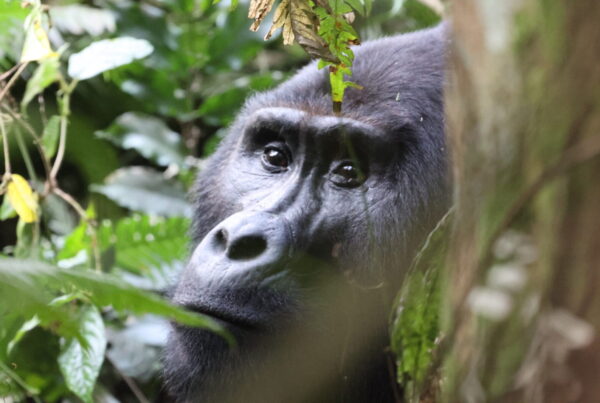
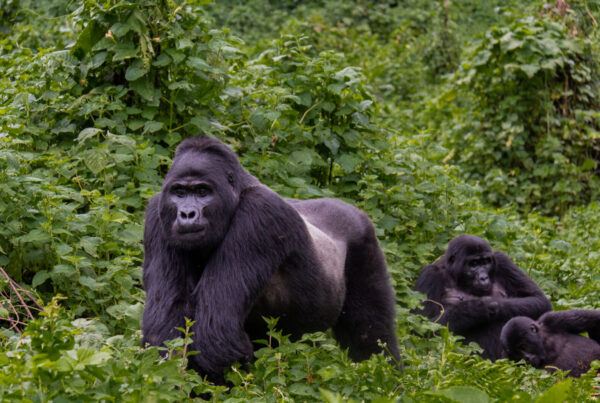
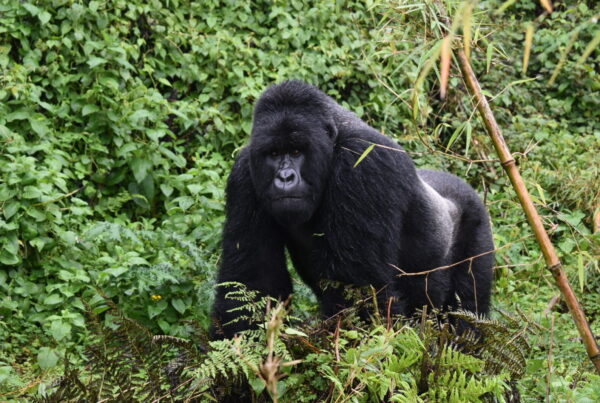
You have saved for months, flown thousands of kilometres, trekked through steep forest, and finally found yourself three metres from a family of mountain gorillas. In your hands sits a camera worth more than some people earn in a year. And a ranger standing beside you says: put down the camera. It happens. Understanding why photography rules exist on gorilla treks — and what rangers are actually enforcing — makes you a better guest, a safer trekker, and a more ethical wildlife photographer.
The rules around photography in mountain gorilla habituated groups are not bureaucratic inconveniences. They exist because gorillas are critically endangered, because their health is genuinely at risk from human behaviour, and because the quality of the experience depends on the gorillas remaining relaxed in human presence. This guide covers every rule rangers enforce, explains the reasoning behind each one, and gives you practical strategies to get the best photographs while staying fully within the guidelines.
No flash photography — ever
Flash photography is absolutely prohibited in mountain gorilla habituated groups across Uganda, Rwanda, and the Democratic Republic of Congo. The rule is enforced without exception by rangers from the Uganda Wildlife Authority. If you fire a flash at a gorilla, the ranger will ask you to leave the group. In extreme cases permits have been cancelled and trekkers escorted from the forest immediately.
The reason is behavioural, not bureaucratic. Gorillas are large primates with highly developed social structures and strong self-preservation instincts. A sudden bright light is interpreted as a threat signal. In gorilla social language, flashing the eyes or producing sudden visual bursts is an aggressive behaviour. A camera flash, particularly multiple rapid flashes from a group of ten photographers, produces a stress response that can cause the dominant silverback to display, charge, or move the family away. Any of those outcomes ends your visit.
The solution is proper preparation: disable your camera’s built-in flash before you enter the forest. If you shoot with an external flash unit, leave it in camp. Learn to expose correctly for low light using high ISO settings and fast lenses. The restriction is not a hardship if you have prepared — it is simply the condition of the access.
The seven-metre distance rule
Uganda Wildlife Authority regulations specify that trekkers must maintain a minimum distance of seven metres from mountain gorillas at all times. Rangers enforce this actively: if a gorilla approaches and reduces the gap, trekkers are moved back. If a photographer steps forward in pursuit of a tighter frame, the ranger will intervene immediately.
The seven-metre rule is a disease prevention measure as much as a safety protocol. Mountain gorillas share approximately 98.3 percent of their DNA with humans and are susceptible to every common human respiratory virus. At close range, respiratory droplets from coughing, sneezing, or even normal breathing can transmit pathogens. Gorilla populations are small enough that an outbreak of human influenza can cause significant mortality in a habituated group. The distance restriction is one of the key tools for managing that risk.
For photography, seven metres at a wide angle lens makes the gorilla appear small in frame. The solution is a telephoto lens of 200mm or longer, which allows tight portrait compositions from the required distance. Photographers who arrive with only a wide zoom lens find themselves frustrated at the distance. Bring real reach: a 100-400mm or 200-600mm zoom gives you full-frame gorilla portraits without approaching closer than the rules permit.
One hour maximum with the gorillas
The time limit with habituated gorilla groups is strictly one hour. Once the ranger signals that the hour is complete, photography ends and trekkers return downhill. Some rangers begin the countdown from when the gorillas are first located; others from when the group is in a position where meaningful observation is possible. The interpretation varies slightly by ranger and by park, but the ceiling is firm.
The one-hour restriction exists to limit the total daily stress load on the gorilla family. Each habituated group may receive one tourist visit per day. The accumulated disturbance of human presence — even well-managed and respectful visits — is a stressor. Limiting that to one hour per day allows the animals to spend the remaining twenty-three hours in their natural social rhythms undisturbed.
Practically, this means arriving prepared to shoot from the first moment. Do not spend the first fifteen minutes figuring out your camera settings. Test exposure, white balance, and focus modes on the forest floor before you reach the gorillas. When the ranger gives the first signal that the group has been located, your camera should be ready to shoot immediately.
No tripods inside the gorilla group area
Tripods are not permitted inside the area where rangers allow trekkers to observe gorillas. The reasons are practical and safety-related. Gorillas move constantly during the one-hour visit. Setting up and repositioning a tripod consumes valuable time and creates noise and movement that disturbs both the gorillas and other trekkers. Tripod legs can become tangled in vegetation or create tripping hazards in steep terrain. If a gorilla charges or the group moves suddenly, a tripod prevents a photographer from moving quickly out of the way.
Monopods occupy a grey area. Some rangers permit them; others do not. Ask your ranger guide before the trek whether a monopod is acceptable at the viewing point. If permitted, use it as a light stability aid rather than a fixed support — keep it mobile and be prepared to step aside immediately if the animal or the ranger requires it.
The solution to camera shake without a tripod is a combination of image stabilisation technology, high ISO performance, and proper handheld technique. Keep elbows tucked, breathe out before pressing the shutter, and lean against a tree trunk if available. These techniques combined with a lens that has effective image stabilisation will produce sharp images at shutter speeds you might not think achievable handheld.
No eating, drinking, or smoking near gorillas
Rangers enforce a strict prohibition on eating, drinking, or smoking within the seven-metre zone and generally within the area where gorillas are present. The disease transmission logic applies here too: food and drink containers may transfer pathogens through handling and then proximity. Smoking produces airborne particles that represent respiratory risk for both gorillas and other trekkers.
This rule has a secondary enforcement logic: gorillas that learn human food is available become food-seeking and begin approaching humans more closely than is safe. Habituated gorillas are comfortable with human presence but should not associate humans with food rewards. Any food-related association creates behaviours that make the animals harder to manage and increases the risk of injury to trekkers.
Carry all food in sealed containers in your pack. Eat lunch at the forest edge before entering or after exiting. This is not a hardship given the richness of what you are about to experience — you will not be thinking about lunch when a gorilla mother and infant are feeding three metres in front of your lens.
Mask requirements for trekkers showing illness symptoms
Uganda Wildlife Authority requires trekkers showing symptoms of respiratory illness — coughing, sneezing, runny nose, fever — to wear a surgical mask during the entire gorilla visit. In some conditions rangers have discretion to deny access to visibly ill trekkers. This policy intensified after the COVID-19 pandemic and has remained in place as standard procedure.
Pack a supply of surgical masks in your camera bag regardless of whether you expect to need them. Mountain weather and altitude affect airways; what begins as mild throat dryness at lower elevation can become a persistent cough at 2,000 metres. Having masks available means you comply immediately if a ranger requests it rather than creating a delay or losing access to the gorillas.
Silent behaviour and voice control
Rangers require trekkers to maintain low voices and avoid sudden loud noises in the presence of gorillas. Shouting, laughing loudly, screaming during a charge, or using mobile phones on loudspeaker are prohibited. The ranger guides the group with hand signals and quiet whispers. Trekkers who ignore noise rules are warned once; persistent offenders are removed from the viewing area.
For photographers, the practical application is to communicate with companions through gestures and quiet signals you have agreed before the trek. A tap on the shoulder and a pointed finger communicates look over there without words. Settle on a system before you reach the forest so you can direct each other’s attention silently during the visit.
Following ranger positioning instructions
Rangers position trekkers deliberately based on wind direction, gorilla movement, and visibility. The ranger places trekkers upwind of the group when possible to prevent the gorillas from smelling human odour directly. When rangers wave you to a different position, they are managing the encounter to keep it productive and safe. Photographers who break rank to get a better angle undermine the positioning logic and can cause the gorillas to move away or become agitated.
Treat the ranger’s positioning as part of your photographic strategy, not a constraint on it. Rangers who guide regularly know where the best light falls, which direction the family is likely to move, and when to hold position versus when to reposition the group. The photographers who get the best images are almost always the ones who listen most closely to the ranger and react fastest to repositioning signals.
Respecting these rules as an ethical photographer
Photography rules on gorilla treks are conservation tools before they are photography regulations. Mountain gorilla populations have grown from approximately 620 individuals in 2008 to over 1,000 today. That recovery is directly attributable to the management systems that include strict visitor protocols. The ranger enforcement you experience is part of the same system that made it possible for these animals to survive.
Respecting the rules also ensures the long-term viability of gorilla tourism. If tourist behaviour causes habituated gorillas to become stressed, aggressive, or disease-affected, access will be restricted or closed. Every trekker who follows the guidelines contributes to the continued availability of the experience for future visitors. That is the kind of photography legacy worth maintaining.