

Where the soul of the forest whispers in the mist
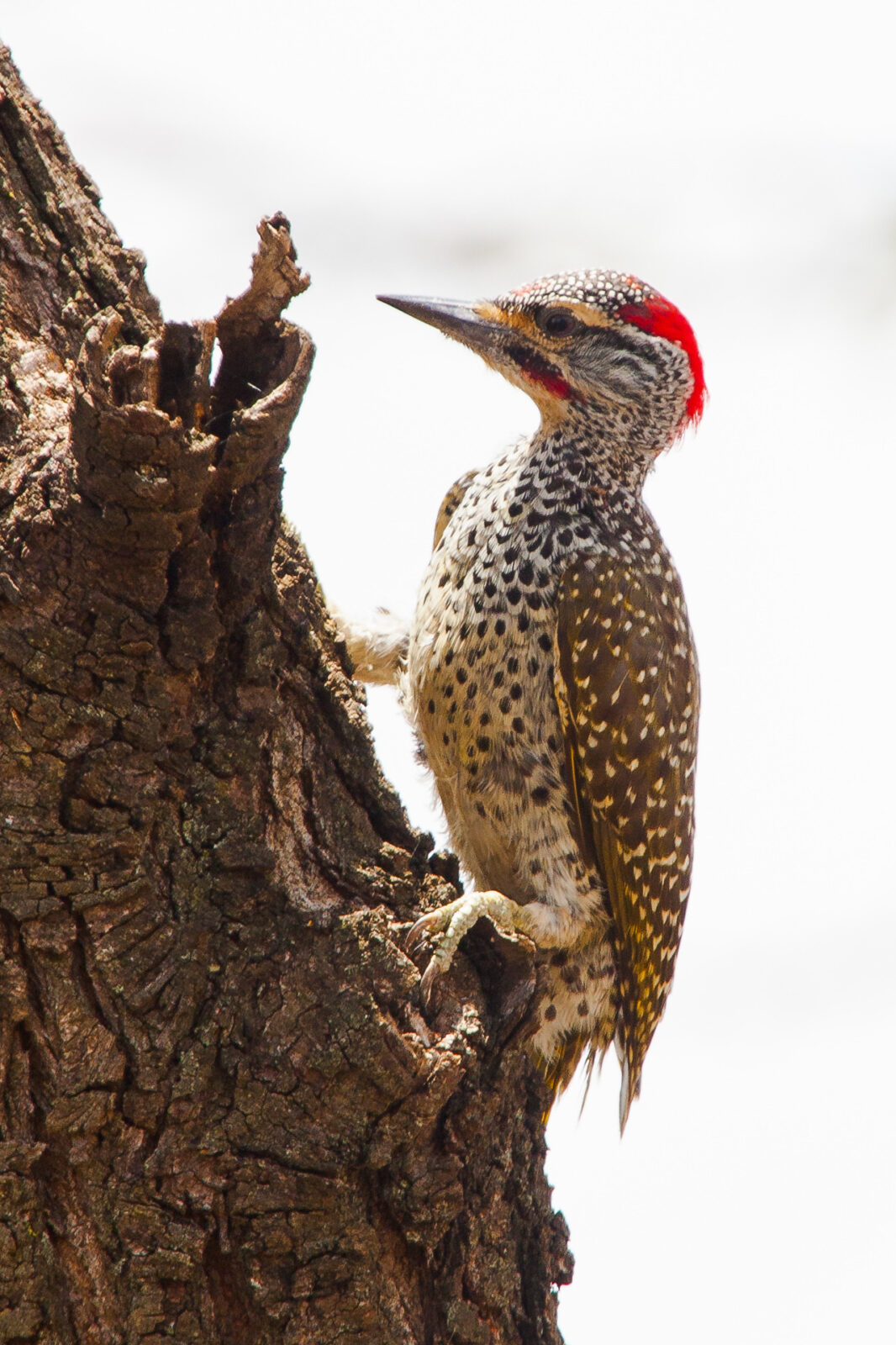
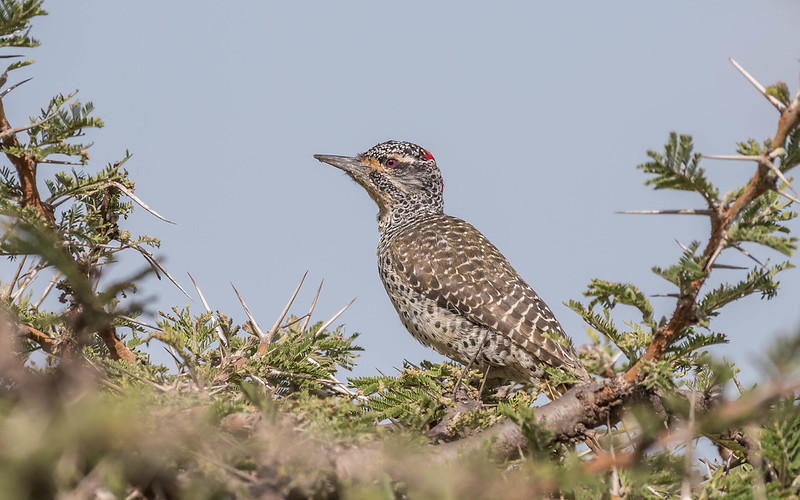
The Nubian Woodpecker is a striking and charismatic bird, quietly inhabiting the open woodlands, savannas, and forest edges of eastern and northeastern Africa. With its vivid plumage, rhythmic drumming, and energetic foraging habits, this species brings life and color to landscapes that might otherwise appear tranquil and muted. Observing the Nubian Woodpecker in its natural habitat is a mesmerizing experience: its red crown flashes against the green foliage, its sharp beak taps methodically on tree trunks, and its calls echo across the woodland, creating a symphony of movement and sound. For birdwatchers and nature enthusiasts, spotting this woodpecker is both a delight and a gateway to understanding the intricate ecological balance of its environment.
Beyond its visual appeal, the Nubian Woodpecker plays a vital ecological role. By excavating holes in trees, it creates nesting sites not only for itself but for a variety of other birds and small mammals. Its diet, consisting mainly of insects and larvae hidden beneath bark, helps regulate insect populations, reducing tree infestations and contributing to forest health. The bird’s presence is an indicator of habitat quality and biodiversity, making it a key species for monitoring the well-being of Africa’s savannas and woodlands. For photographers, researchers, and eco-tourists, the Nubian Woodpecker embodies both the charm and ecological significance of Africa’s avian life.
So lace up your boots, grab your camera, and prepare to meet the wild — this is where your gorilla trekking dreams and unforgettable safari adventures truly begin.
Truly Iconic Highlights in Uganda

Trek through Bwindi’s mystical rainforest and meet the endangered mountain gorillas in their breathtaking natural home.
Encounter mountain gorillas and golden monkeys on Mgahinga’s misty volcanic trails, where culture and alpine wildlife thrive together.
Unwind after your trek with a peaceful canoe ride across Lake Bunyonyi, Uganda’s most tranquil and scenic highland lake.
Enhance your gorilla trekking safari with an optional chimpanzee encounter in Uganda’s lush forests, adding depth and diversity to your primate adventure
Gorilla Trekking Tours in Uganda – Our Most Popular Itineraries.
Explore our gorilla trekking safaris for every traveler—solo, family, budget, or luxury. All tours include permits, transport, accommodation, meals, and park fees. Whether for a quick trip or a deeper adventure, we’ve got you covered.
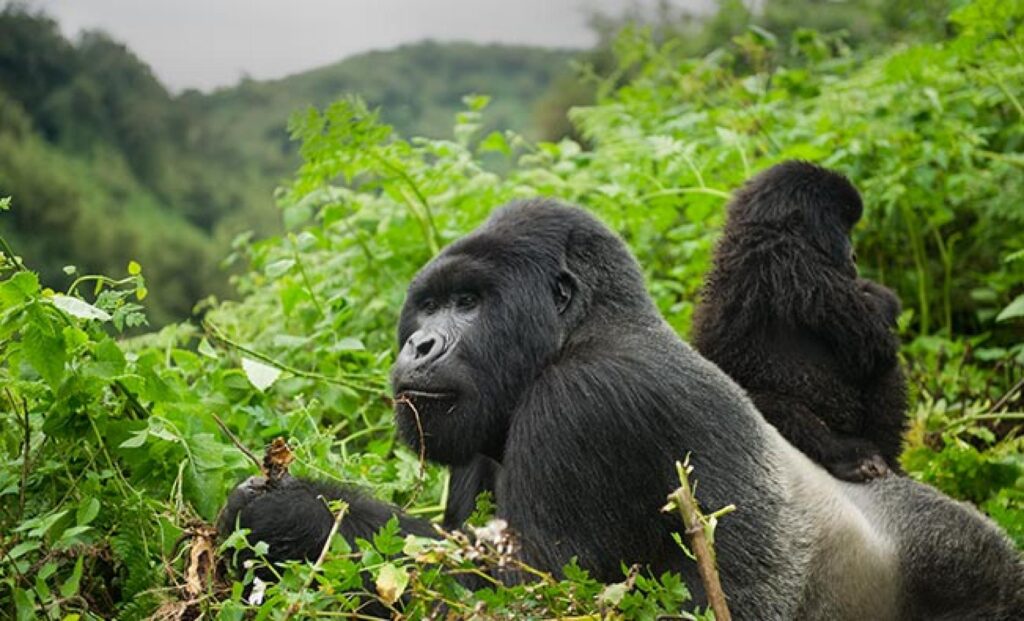
3-Day Bwindi Gorilla Trekking Safari
3-Day Bwindi Gorilla Trekking Safari
4-Day Uganda Gorilla Trekking Safari
4-Day Uganda Gorilla Trekking Safari
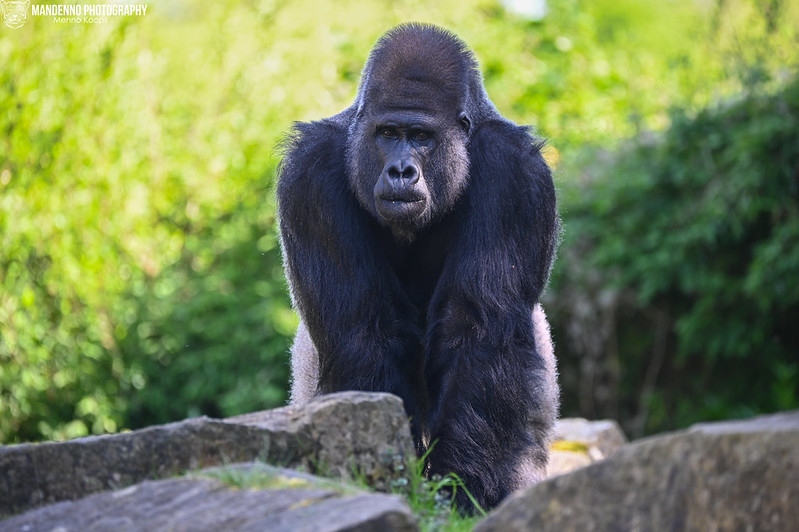
5-Day Gorilla Tracking and Wildlife Safari
5-Day Gorilla Tracking and Wildlife Safari
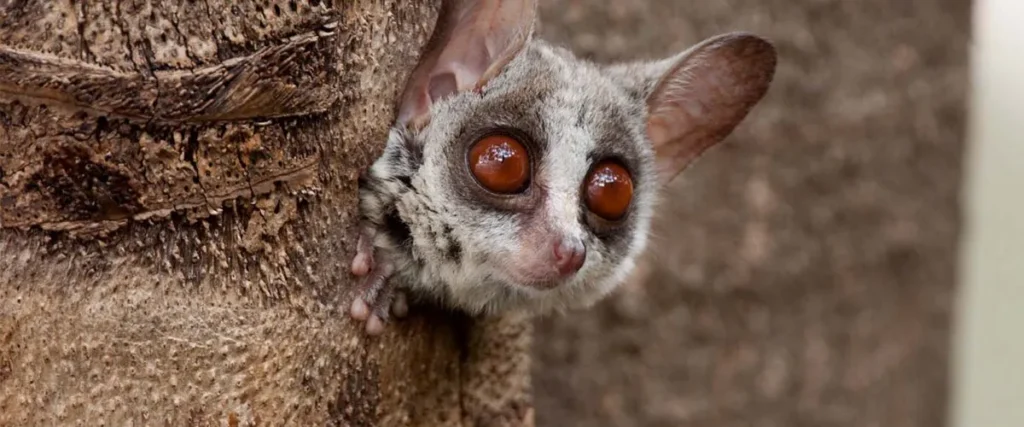
7-Day Uganda Primate Adventure & Wildlife Safari
7-Day Uganda Primate Adventure & Wildlife Safari
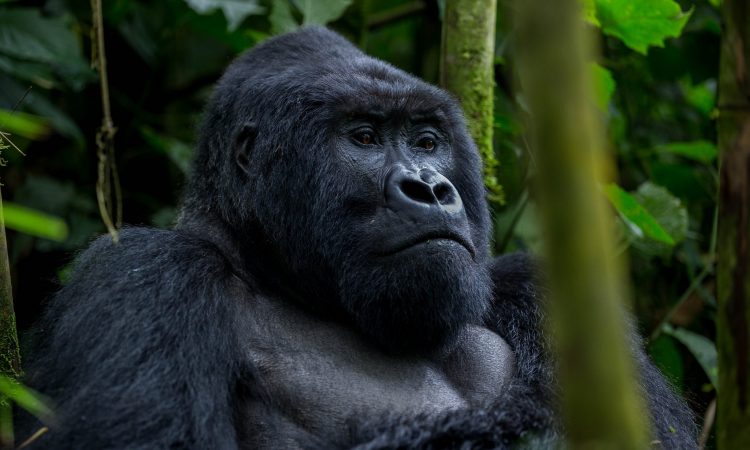
10-Day Gorilla Trekking & Big Five Safari in Uganda
10-Day Gorilla Trekking & Big Five Safari in Uganda
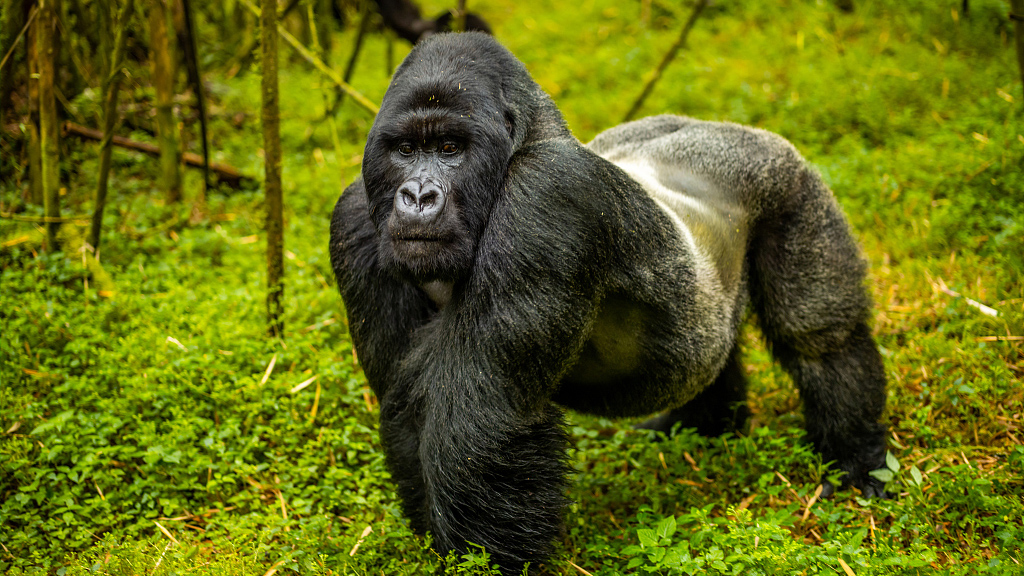
12-Day Uganda Gorilla Trekking, Chimp Tracking & Cultural Safari
12-Day Uganda Gorilla Trekking, Chimp Tracking & Cultural Safari
14-Day Best of Uganda Safari – Gorillas, Wildlife, Cultures
14-Day Best of Uganda Safari – Gorillas, Wildlife, Cultures
Nubian Woodpecker – The Red-Crowned Sentinel of Africa’s Woodlands
Scientific Classification and Physical Characteristics
Scientific Name: Campethera nubica
Family: Picidae (Woodpeckers)
Size: Approximately 20–22 cm in length
Appearance: The male boasts a bright red crown, with contrasting black and white barred patterns on the back and wings. Females are slightly duller, with a red patch limited to the nape or absent entirely. Both sexes have strong, chisel-like bills perfect for drilling into wood.
The Nubian Woodpecker’s sharp claws and stiff tail feathers allow it to cling securely to tree trunks while tapping and foraging, a hallmark of the species’ behavior.
Habitat and Distribution
The Nubian Woodpecker is widely distributed across eastern and northeastern Africa, including Ethiopia, Sudan, Uganda, Kenya, and Tanzania. It favors:
Dry and moist savannas
Open woodlands and forest edges
Riparian forests and cultivated areas with scattered trees
Its adaptability to both natural and semi-modified landscapes makes it relatively common in suitable habitats, though it is sensitive to deforestation and large-scale habitat alteration.
Behavior and Feeding Habits
Diet: Primarily insects such as beetle larvae, ants, termites, and occasionally small fruits or seeds.
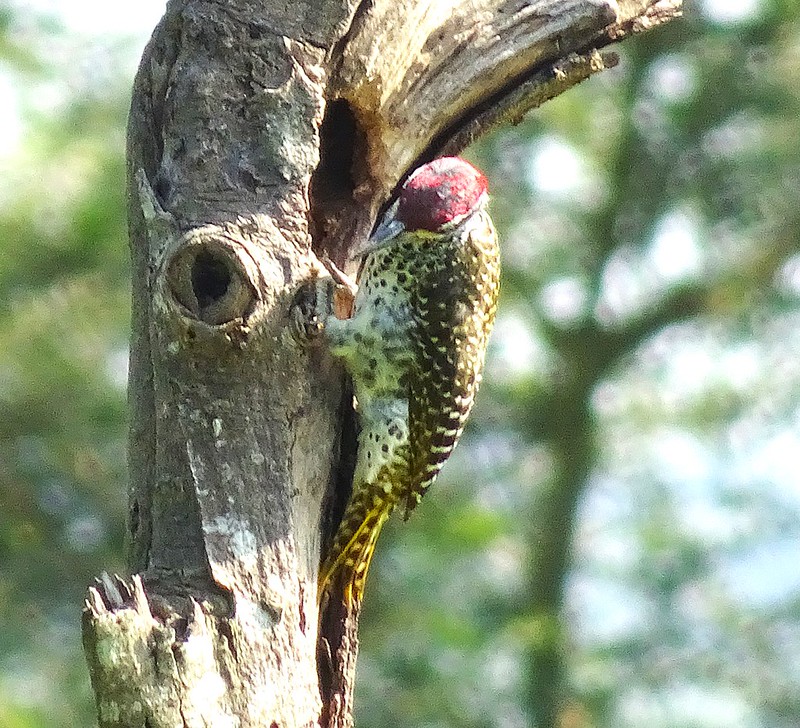
Foraging: Drills and pecks at tree bark to extract insects, often moving vertically along trunks and branches.
Communication: Produces drumming sounds by tapping on resonant wood surfaces; vocal calls are sharp, rhythmic, and used for territorial signaling.
Social Behavior: Typically solitary or in pairs, sometimes joining mixed-species flocks outside the breeding season.
By controlling insect populations, the Nubian Woodpecker contributes to the health and resilience of woodland ecosystems.
Reproduction and Nesting
Nubian Woodpeckers are cavity nesters. They excavate holes in dead or soft wood to lay eggs, usually producing 2–4 eggs per clutch. Both parents participate in incubation and feeding the chicks. The hollowed nests often become essential shelter for other birds and small mammals once vacated, highlighting the species’ role as an ecosystem engineer.
Breeding often coincides with the rainy season when food is abundant, ensuring the young have the best chance of survival.
Conservation Status
Currently, the Nubian Woodpecker is classified as Least Concern by the IUCN, due to its wide distribution and relatively stable population. However, localized threats such as deforestation, habitat fragmentation, and the removal of old trees for fuel or timber can reduce nesting and feeding sites. Conservation of savannas and woodlands, along with sustainable land management, is essential to maintain healthy populations of this iconic bird.
Where to Observe
National Parks and Reserves: Kibale and Queen Elizabeth National Parks in Uganda, Nairobi National Park in Kenya, and Serengeti’s woodland edges in Tanzania.
Habitat Edges: Open woodlands near rivers, farmlands with scattered trees, and forest margins.
Early mornings and late afternoons are optimal for spotting activity, as the woodpecker is most active during cooler parts of the day.
More Gorilla Trekking Information to Know.
Gorilla trekking goes far beyond just the hike — it’s a deep, emotional journey into the heart of Africa’s last wild rainforests. Knowing the right timing, permits, fitness tips, and park details can turn your experience from good to unforgettable.
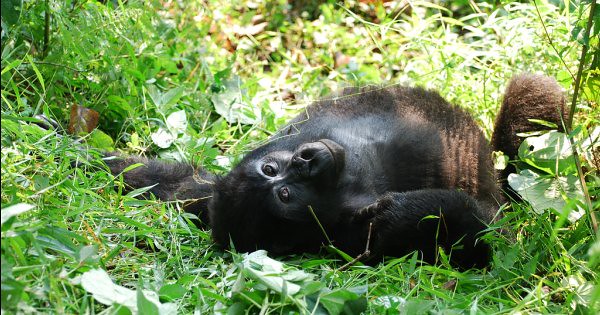
Gorilla Trekking in Bwindi Impenetrable Forest
Gorilla Trekking in Bwindi Impenetrable Forest
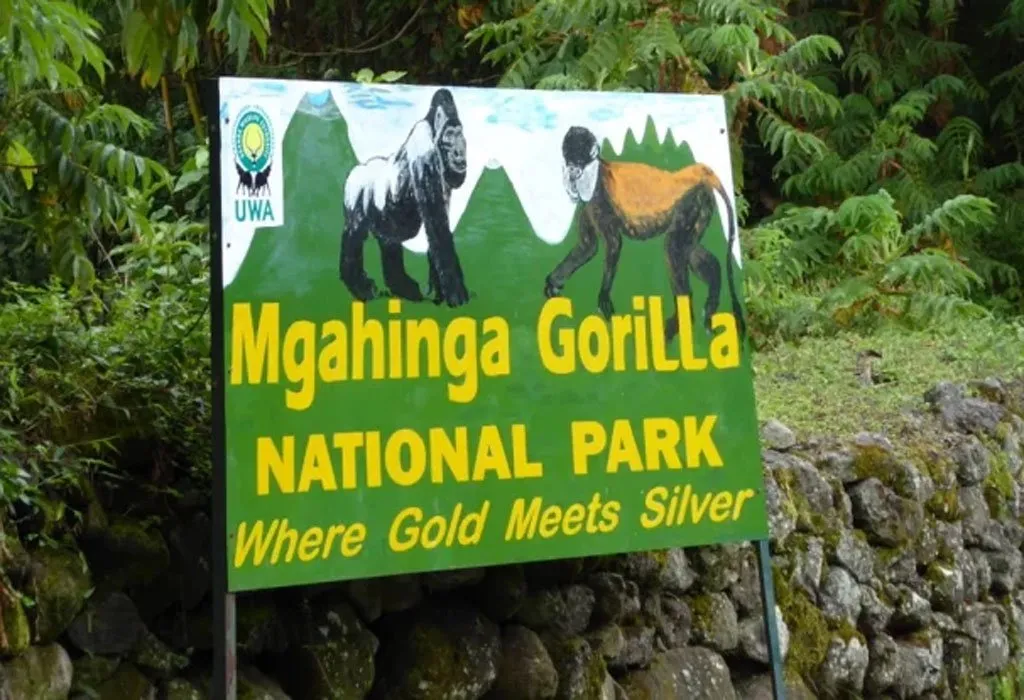
Trekking Gorillas in Mgahinga National Park
Trekking Gorillas in Mgahinga National Park
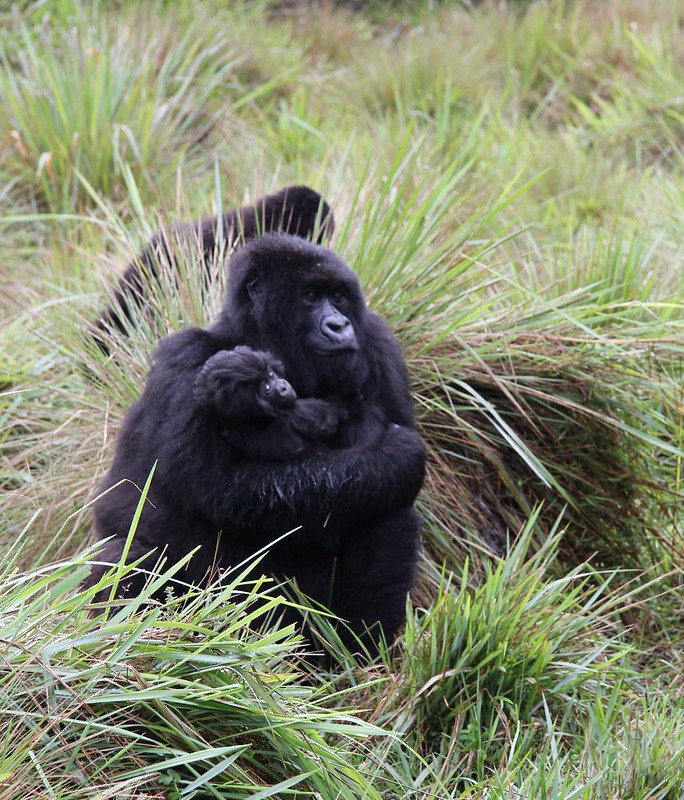
Uganda Gorilla Trekking Permits – Prices, Booking, & Travel Tips
Uganda Gorilla Trekking Permits – Prices, Booking, & Travel Tips

What to Pack for Gorilla Trekking in Uganda – Expert Checklist
What to Pack for Gorilla Trekking in Uganda – Expert Checklist
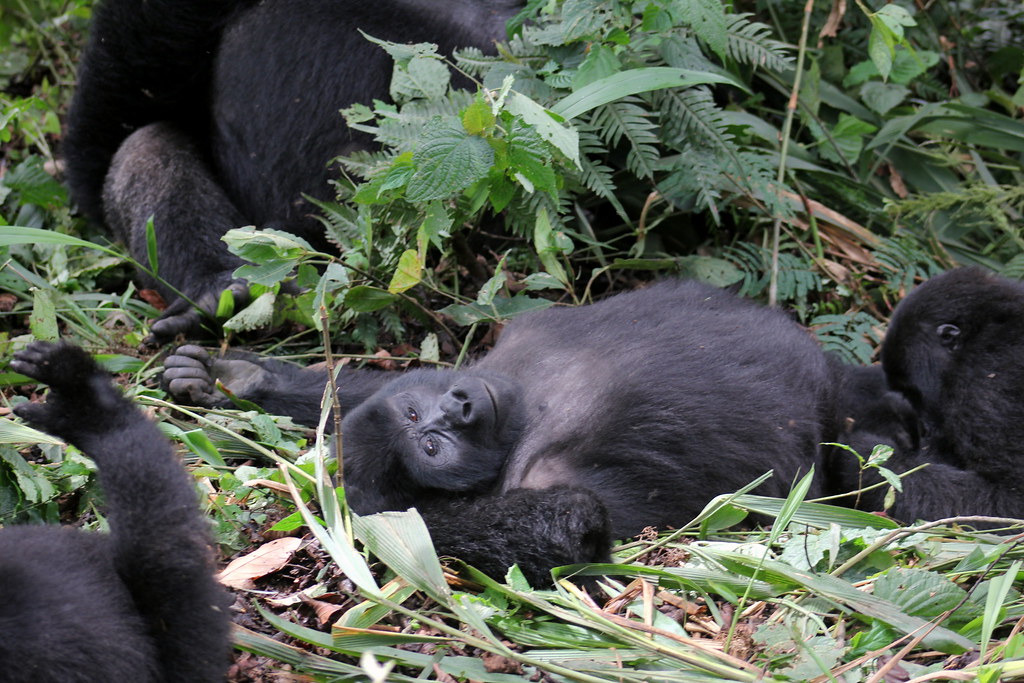
Best Time to Go Gorilla Trekking in Uganda – Weather & Seasons
Best Time to Go Gorilla Trekking in Uganda – Weather & Seasons
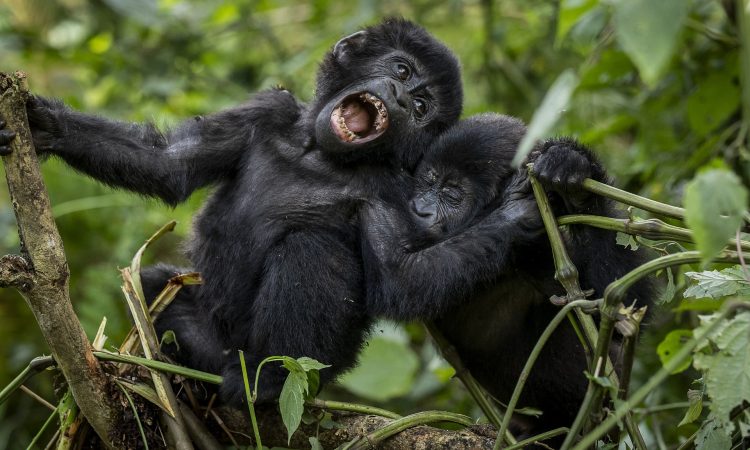
Gorilla Trekking Difficulty in Uganda – Fitness & Trail Guide
Gorilla Trekking Difficulty in Uganda – Fitness & Trail Guide
Gorilla Trekking Rules in Uganda – Safety, Respect & Ethics
Gorilla Trekking Rules in Uganda – Safety, Respect & Ethics
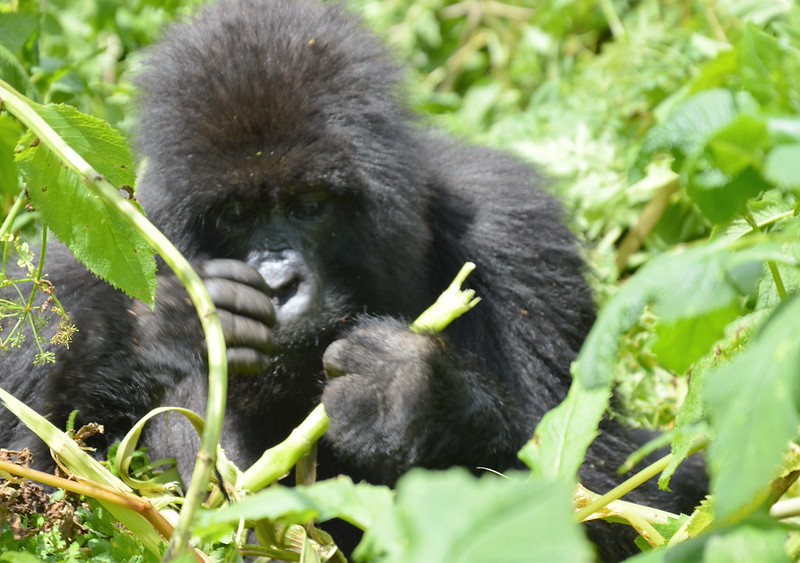
Gorilla Conservation in Uganda – Protecting the Mountain Giants
Gorilla Conservation in Uganda – Protecting the Mountain Giants
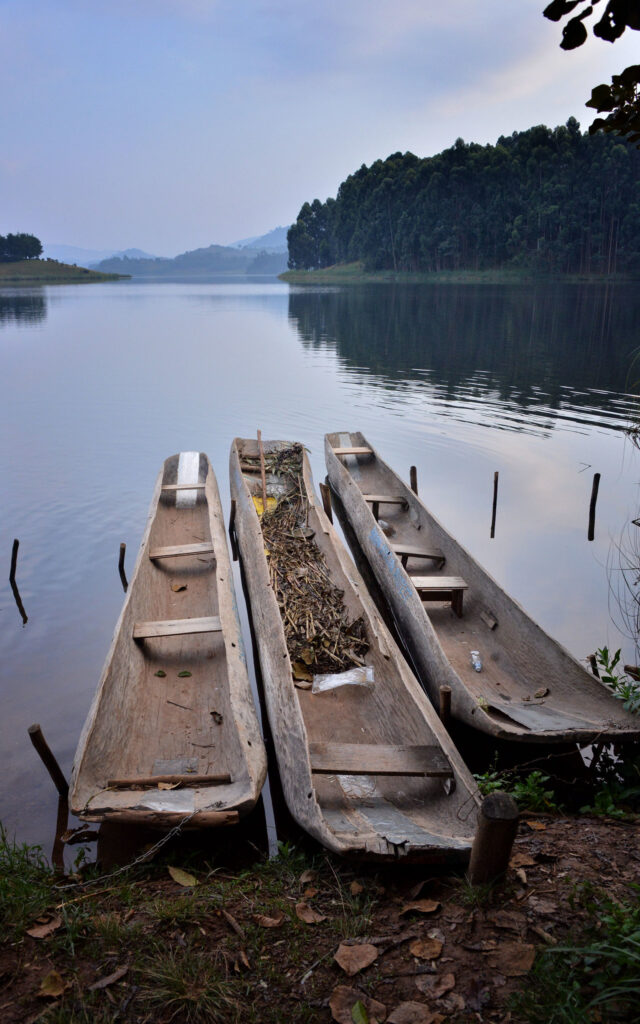
Bwindi vs. Mgahinga – Which One to Choose For Gorilla Trekking?
Bwindi vs. Mgahinga – Which One to Choose For Gorilla Trekking?
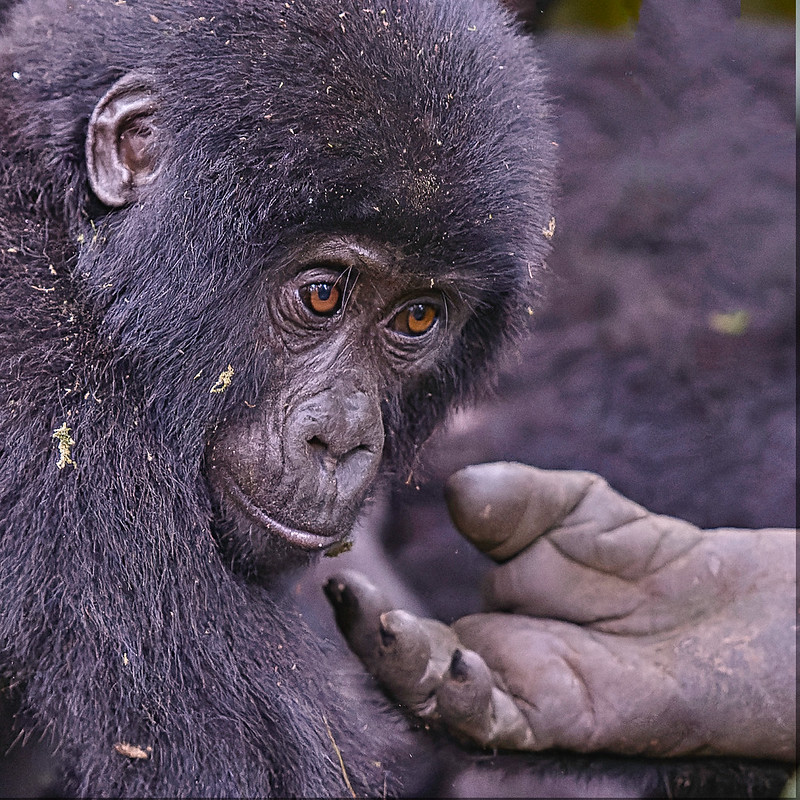
How to Stay Safe and Healthy While Traveling in Uganda
How to Stay Safe and Healthy While Traveling in Uganda
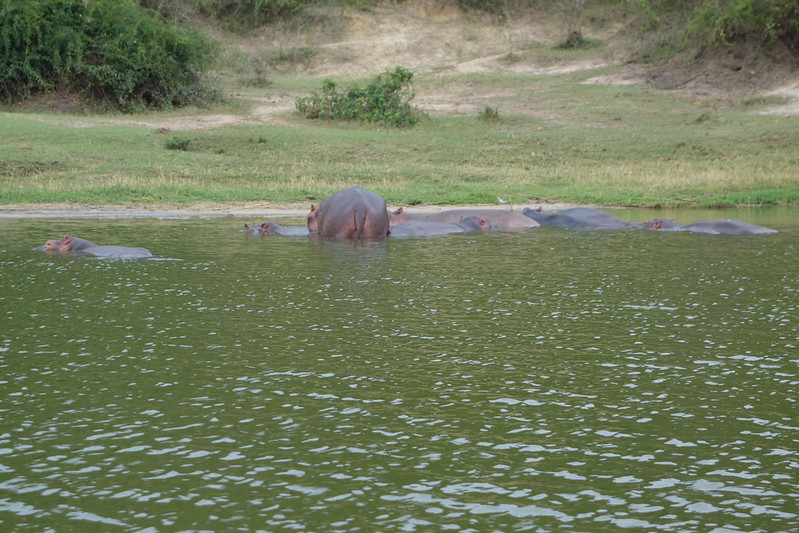
Routes, Tips & Travel Wisdom for Getting to Bwindi or Mgahinga
Routes, Tips & Travel Wisdom for Getting to Bwindi or Mgahinga
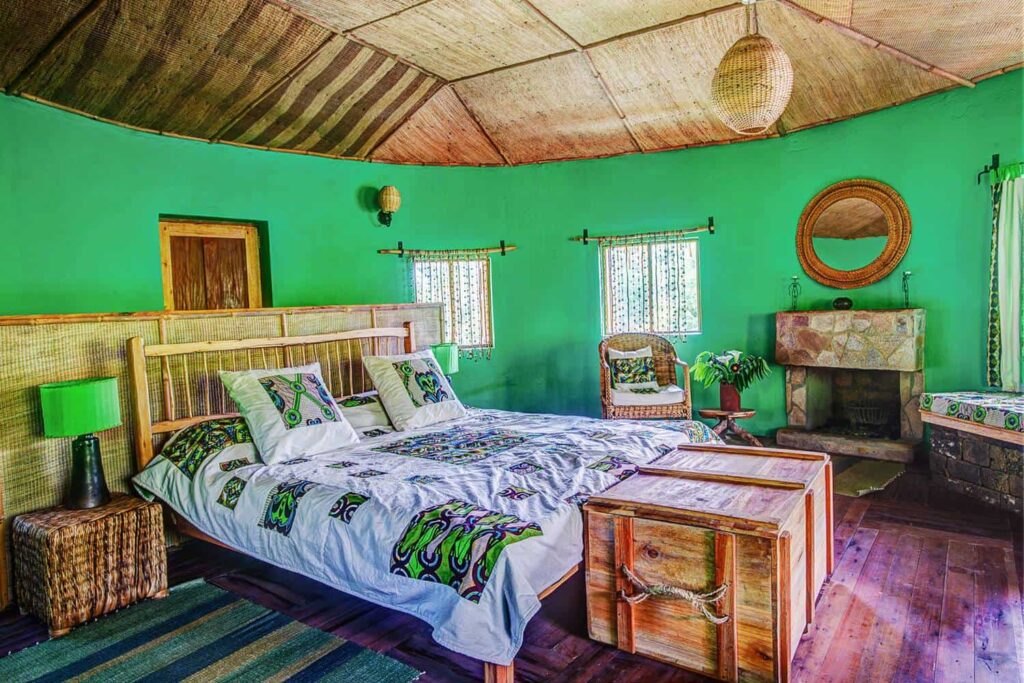
Accommodation Options: Lodges & Camps in Bwindi and Mgahinga
Accommodation Options: Lodges & Camps in Bwindi and Mgahinga
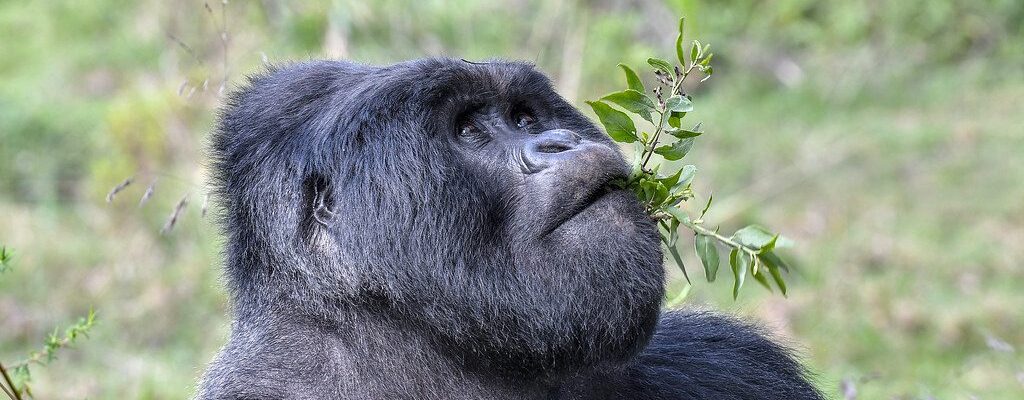
Protecting What You Came to See: Gorilla Conservation & Ethics
Protecting What You Came to See: Gorilla Conservation & Ethics
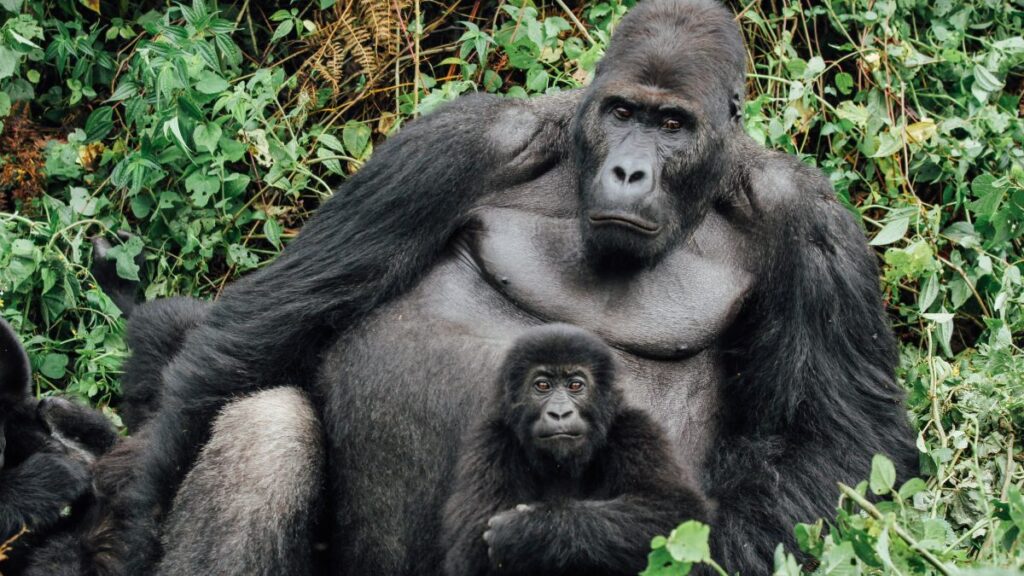
Travel Insurance for Gorilla Treks: Before You Go
Travel Insurance for Gorilla Treks: Before You Go
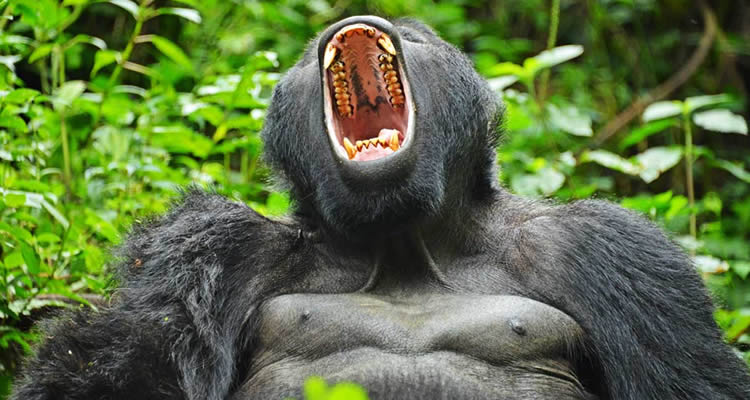
First Time Gorilla Trekking? Here’s Everything I Wish I Knew
First Time Gorilla Trekking? Here’s Everything I Wish I Knew
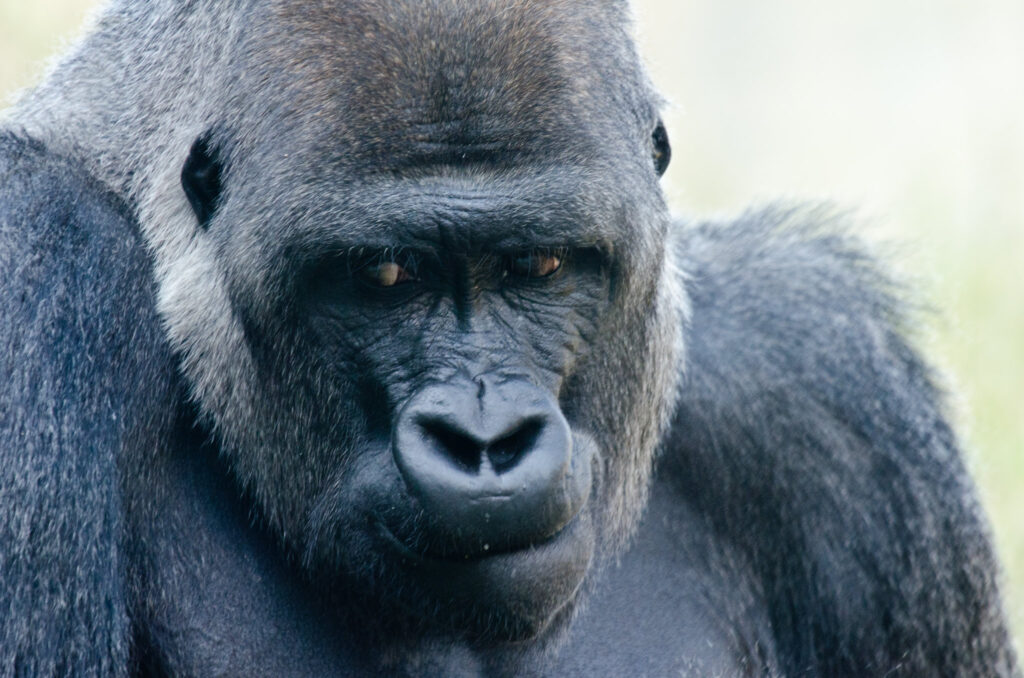
Step by Step: What Happens During a Gorilla Trekking Day
Step by Step: What Happens During a Gorilla Trekking Day
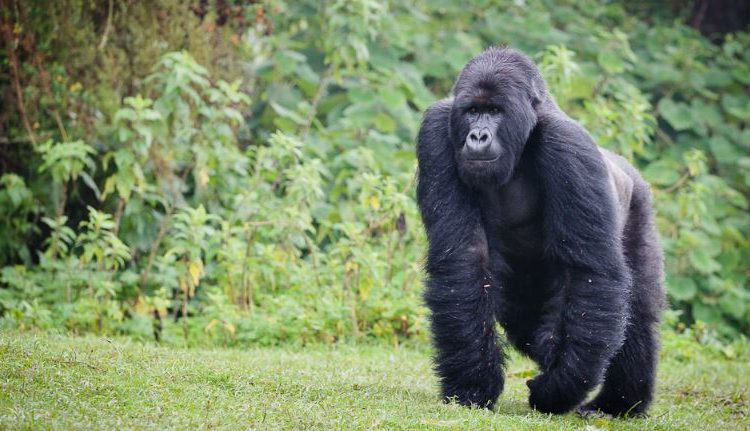
Gorilla Trekking vs. Gorilla Tracking – What’s the Real Difference?
Gorilla Trekking vs. Gorilla Tracking – What’s the Real Difference?
Beyond Gorillas: Other Wildlife You Can See During Your Trek
Beyond Gorillas: Other Wildlife You Can See During Your Trek
In the Realm of Giants – Bwindi & Mgahinga in Frames.
Wander through an elegant gallery capturing Uganda’s most exclusive gorilla sanctuaries, where ancient forests cradle the last mountain gorillas in a world of mist, mystery, and majesty.
Essential Planning Tips for Visiting Uganda’s National Parks.
Get ready for the wild heart of Africa with expert travel tips on when to visit, what to pack, where to go, and how to make the most of your safari across Uganda’s breathtaking national parks.
Why Uganda for Gorilla Trekking?
Uganda is not just a destination — it's the very soul of gorilla trekking. With over half of the world’s remaining mountain gorillas calling its misty forests home, Uganda offers the rarest encounters in their most authentic setting. Here, your journey is not rushed or crowded. Instead, you’re guided by experienced rangers through pristine jungles where gorillas live as they always have — wild, free, and magnificent
From insider travel insights to unforgettable trekking guides, our blog is your trusted path into Uganda’s wild heart — connecting you with mountain gorillas, breathtaking landscapes, and the soul-stirring adventures that make this land unlike any other.