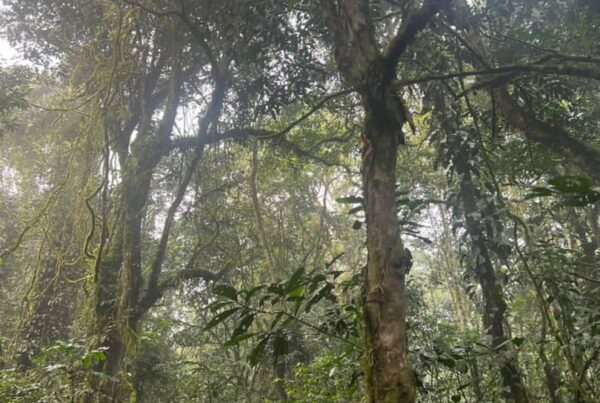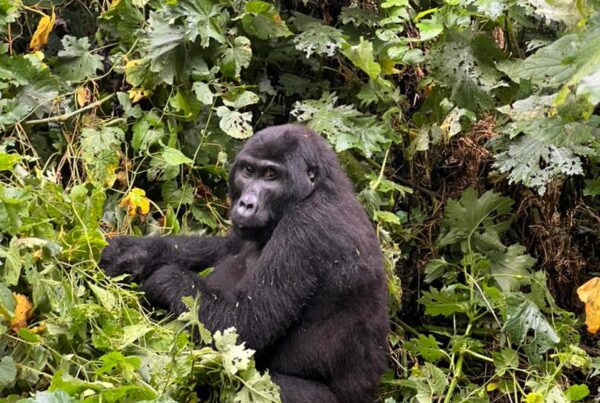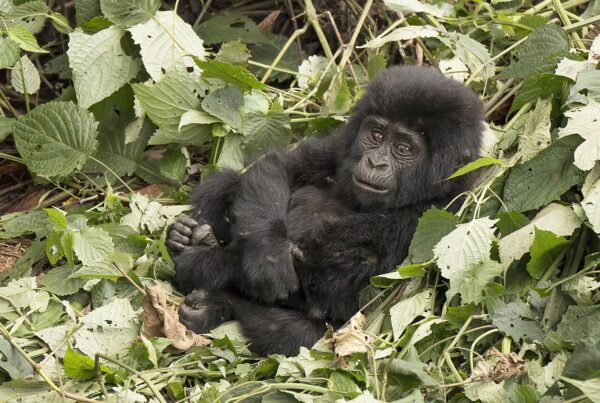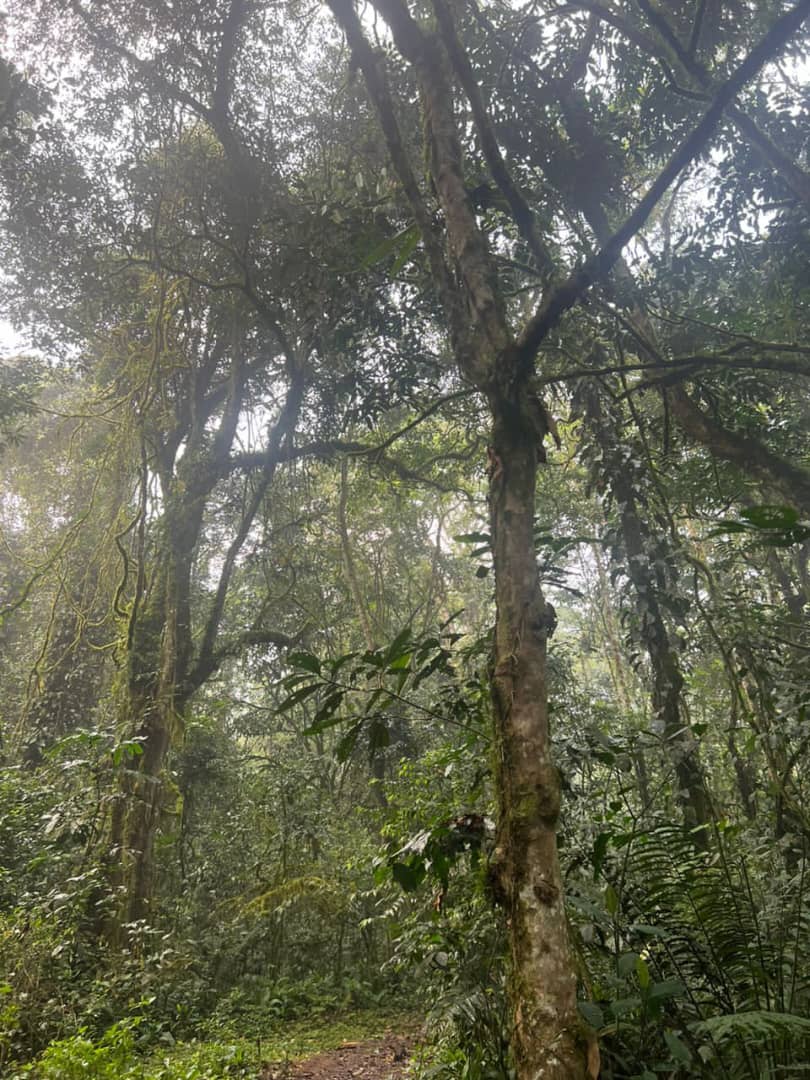
The impulse is understandable and nearly universal: you are sitting a few metres from a mountain gorilla and the first instinct is to reach for your phone. To capture it. To share it. To establish that this is happening—that you, specifically, are here, now, in this extraordinary place. The impulse is human and nothing to be ashamed of. But there is a strong argument, grounded in both experience and neuroscience, that the gorilla encounter—and the entire Uganda trip—is significantly richer for those who engage with it without the mediation of social media sharing in real time. This is not a moral argument. It is a practical one about what produces the most vivid experience and the most lasting memory.
The attention economy and the safari
Social media platforms are designed, at a fundamental level, to capture and redirect attention toward the platform’s content and away from whatever is physically present in front of the user. The notifications, the response metrics (likes, shares, comments), and the variable reward mechanism of the social feed are all engineered to make the platform more compelling than physical reality. In a Kampala hotel room these mechanisms are mildly attention-disrupting. In the forest in front of a gorilla family, they are actively damaging to the quality of the experience. A trekker who is composing a caption while the silverback demonstrates a chest beat has not “documented” the chest beat—they have used the chest beat as a prop for content creation and missed the actual experience of the chest beat. The camera can capture an image; it cannot experience.
What neuroscience says about memory and presence
Research in memory science demonstrates that emotionally and sensorially rich experiences are encoded more durably in long-term memory when the brain’s full attentional resources are engaged with the experience rather than divided between it and a secondary task. Sharing a photograph of an experience while the experience is still happening is a secondary task that, however brief, diverts attentional resources and reduces the depth of encoding. Studies of concert-goers who photograph performances versus those who do not consistently show that photographers rate the experience as less vivid in retrospect than non-photographers, despite having better documentary records of it. The paradox: the attempt to preserve the experience reduces the quality of the experience being preserved. Professional wildlife photographers—who are highly practiced at the secondary task and can engage it with minimal attentional cost—are a different case. For occasional photographers, the cost is real.
The specific challenge of connectivity in Bwindi
Bwindi’s remote location provides a natural partial solution to the social media problem: mobile data connectivity is limited or absent in most of the forest and in many lodge locations. The Buhoma and Rushaga sectors have some connectivity (Airtel and MTN signals reach some lodges), but it is variable and often insufficient for smooth social media use. Many premium lodges offer WiFi in common areas only—not in individual rooms or in the forest. This limited connectivity is not a bug; it is, from a mindfulness perspective, a feature. The absence of reliable data connectivity makes the choice to disconnect less a discipline and more a default, and defaults are easier to maintain than deliberate choices. If your lodge has strong WiFi, the deliberate choice to limit use is more demanding—but more valuable for the same reason.
The practice: how to actually do a digital detox
A useful framework for a safari digital detox is not all-or-nothing but rule-based. Proposed rules: no social media posting during the trek itself (photographs can be taken but not shared until you return to the lodge); no email or social media checking in the hour before the trek (the mental preparation time is valuable and should not be contaminated with inbox content); one designated checking window per day at the lodge (after dinner, 30 minutes maximum); no phone in the dining room or at the campfire. These rules allow you to maintain responsible communication (family safety check-ins, necessary correspondence) while creating a default state of presence rather than a default state of connectivity. The most common feedback from travellers who implement rules like these is surprise at how quickly the social media checking habit fades when a firm structure is in place, and how much richer the days feel without the constant micro-interruptions of notification management.
Sharing after you return: delayed posting and its benefits
There is a compelling argument for delayed sharing—posting about the gorilla trek a week after you return rather than in the moment. By then, the experience has been processed, the photographs have been reviewed and edited, and the language you use to describe it reflects genuine reflection rather than first-impression hyperbole. “I just saw a gorilla and it was AMAZING” tells your audience nothing useful about what the experience was actually like. A week later, you can write something specific: the juvenile that stopped one metre away and looked directly into your eyes for three seconds; the way the silverback moved through the bamboo with a combination of power and complete calm that the word “impressive” cannot contain; the sound of the forest in the rain walk back to the vehicle, and the feeling of having been somewhere genuinely wild. That account—specific, considered, honest—is a far more effective conservation communication than the immediate post, and it is more rewarding to write and more memorable to read.
The long-term payoff
Travellers who return from Bwindi having maintained genuine presence—who put the phone away during the gorilla hour and genuinely watched rather than documented—consistently describe the encounter as among the most vivid memories of their lives. Not the photographs they took, but the memory itself: what they actually saw, felt, and understood in that hour. That kind of memory—a full-sensory, emotionally charged, genuinely present experience—is what the trip is for. The photographs are a bonus. The encounter is the point. And the encounter is most fully experienced by those who are most fully there.
- I Was Addicted to Social Media Until I Stood in Bwindi Forest for an Hour
- Internet and Wi-Fi in Bwindi: What to Expect on Safari
- Bwindi Gorilla Trekking with Children: Family Safari Guide
- The Case for Choosing Uganda Over a Traditional African Safari
- Packing a safari photography kit: the essentials checklist for Bwindi
- Leaving Bwindi: the transition from forest to the world beyond
- Best tented safari camps near Bwindi Impenetrable Forest
- Best Waterfalls Near Bwindi Forest to Visit on Your Gorilla Safari
- Bwindi Impenetrable Forest – Gorilla Trekking in Uganda’s UNESCO Jungle
- Top Gorilla Trekking Destinations in Uganda – Bwindi vs. Mgahinga 2025