
Geographical location and landscape setting
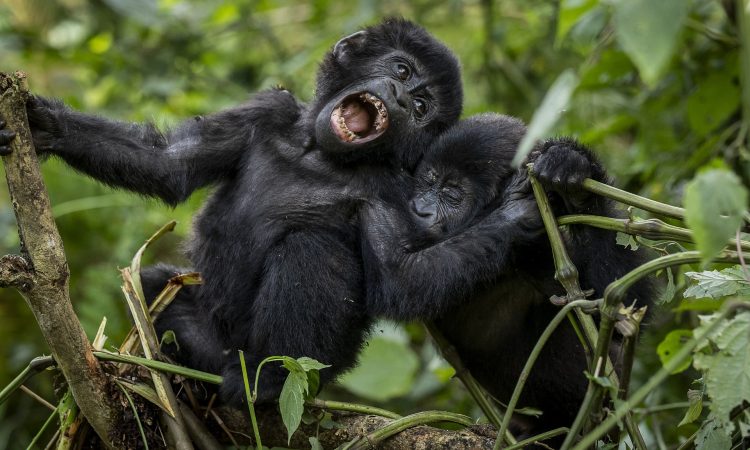
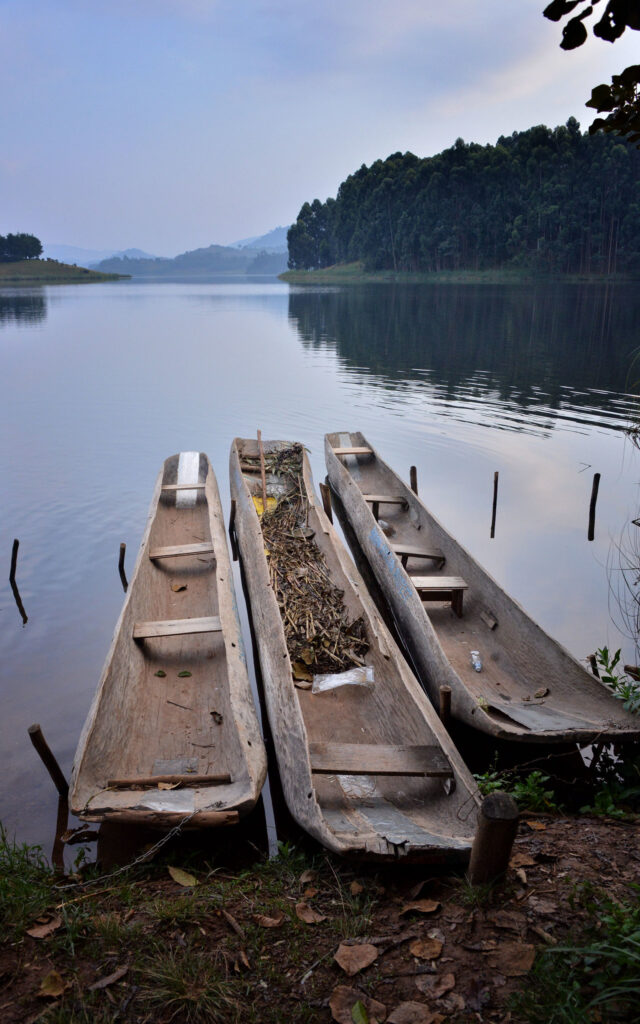
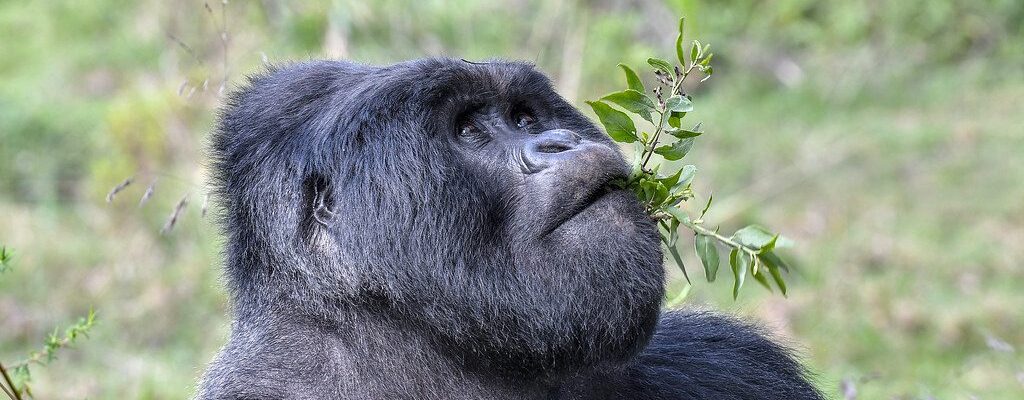
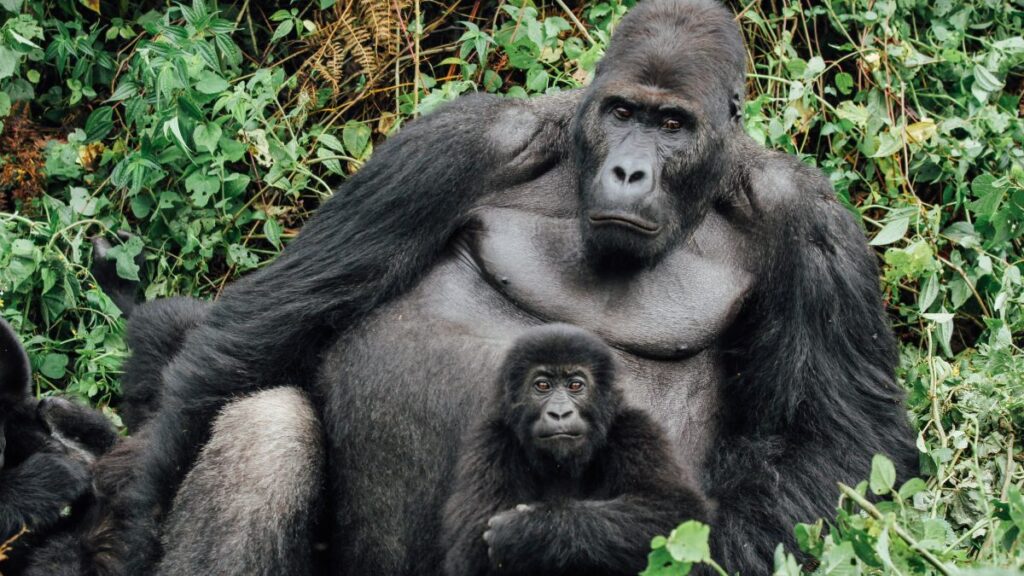
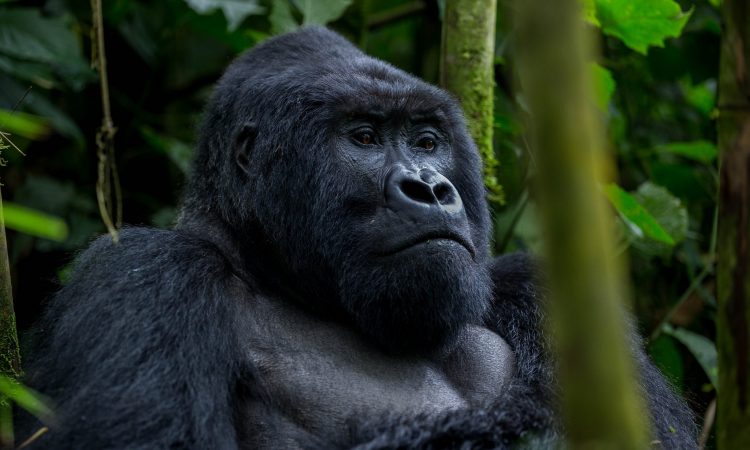
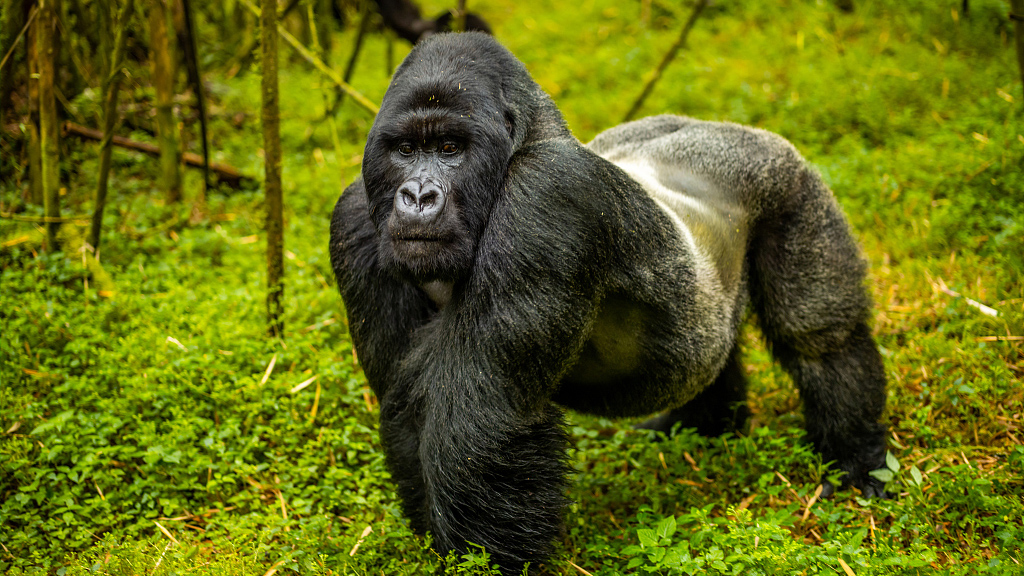
The Mucunguzi family homestead is situated in the Rushaga sector along the southern boundary of Bwindi Impenetrable National Park. This area is characterized by steep hills, deep valleys, and dense montane forest that gradually gives way to cultivated farmland. Rushaga’s higher elevation results in cooler temperatures and frequent mist, shaping both agricultural patterns and forest ecology.The surrounding landscape is marked by narrow footpaths connecting villages, gardens, and forest edges. Proximity to several gorilla trekking trailheads has positioned Rushaga as one of Bwindi’s most active tourism sectors. Families such as the Mucunguzi play an essential role in maintaining the social and cultural environment that supports conservation and visitor experiences.
Historical background and forest-based livelihoods
Historically, the Mucunguzi family relied heavily on Bwindi forest resources. The forest provided medicinal plants, wild fruits, small game, firewood, and materials for house construction. Knowledge of forest use and wildlife behavior was passed down orally, with elders guiding younger generations in sustainable harvesting practices and safe coexistence with wildlife.The establishment of Bwindi Impenetrable National Park brought significant changes to this way of life. Restricted access to forest resources required the family to adjust traditional practices and seek alternative livelihoods. This transition was challenging, yet it laid the foundation for new forms of engagement with conservation and tourism that now define life in Rushaga.
Transition into conservation and tourism engagement
As gorilla trekking expanded in the Rushaga sector, members of the Mucunguzi family gradually became involved in conservation-related and tourism-support activities. Roles such as portering, guiding assistance, and participation in community tourism initiatives provided new income opportunities and strengthened connections with park authorities and tour operators.Through this involvement, conservation came to be viewed not as an external imposition but as a shared responsibility with tangible benefits. Tourism revenue contributed to household stability, education, and community development, reinforcing positive attitudes toward gorilla protection and forest preservation.
Cultural identity and family life
The Mucunguzi family belongs to the Bakiga cultural community, whose traditions emphasize resilience, cooperation, and respect for elders. Daily life is organized around shared responsibilities, including farming, household management, and participation in community activities. Oral storytelling remains central to preserving family history, particularly narratives about life before park establishment and the cultural significance of the forest.These traditions continue to guide social relationships and moral values, even as livelihoods evolve. For visitors, engagement with the Mucunguzi family provides a deeper understanding of how Bakiga culture adapts while maintaining continuity within a conservation landscape.
Agriculture and present-day livelihoods
Today, the Mucunguzi family relies primarily on small-scale agriculture, supplemented by income from tourism-related activities. Crops such as bananas, beans, Irish potatoes, maize, and vegetables are cultivated on terraced hillsides to reduce soil erosion. Livestock keeping, including goats and chickens, contributes to household food security and income diversification.Farming close to the forest requires careful land-use planning to minimize human–wildlife conflict. The family employs soil conservation techniques and respects park boundaries, demonstrating practical coexistence between agriculture and conservation in the Rushaga sector.
Community tourism and cultural exchange
The Mucunguzi family participates in community tourism experiences that allow visitors to engage with everyday life in Rushaga beyond gorilla trekking. These visits focus on genuine interaction, conversation, and demonstration of daily activities rather than staged performances.Such engagement fosters mutual understanding and respect while generating supplementary income for the family. Tourism benefits are often directed toward education, healthcare, and household improvement, reinforcing the link between conservation success and community well-being.
Relationship with conservation authorities
Over time, the Mucunguzi family has developed a cooperative relationship with Bwindi Impenetrable National Park management. Through conservation education, revenue-sharing programs, and employment opportunities, the family has become actively involved in forest protection.Family members often describe changing attitudes toward gorillas, shifting from fear and competition to pride and stewardship. At the same time, they acknowledge ongoing challenges such as crop damage and land pressure, providing visitors with a realistic and balanced perspective on conservation.
Education and future outlook
Education is increasingly valued within the Mucunguzi family, supported by improved access to schools and income from tourism. Younger generations are encouraged to pursue formal education while remaining grounded in cultural values and environmental responsibility.Elders emphasize the importance of passing down traditional knowledge, ensuring cultural identity remains strong even as opportunities expand. This balance reflects the evolving aspirations of Rushaga communities living alongside Bwindi.
Visitor experience and cultural significance
Visits involving the Mucunguzi family offer visitors an intimate understanding of the human dimension of conservation in Rushaga. Guests often describe these encounters as meaningful, providing context that deepens appreciation for gorilla trekking experiences.By engaging directly with local families, visitors gain insight into how conservation outcomes are closely linked to community livelihoods and cultural resilience.
Role within Rushaga’s conservation story
The Mucunguzi family contributes to Rushaga’s reputation as a sector where conservation and community participation are deeply interconnected. Their involvement in tourism and conservation initiatives supports local development while reinforcing positive attitudes toward wildlife protection.Their story highlights the importance of integrating local families into conservation planning, demonstrating how people-centered approaches strengthen long-term sustainability.
Continuity, adaptation, and stewardship
The Mucunguzi family represents the resilience and adaptability of communities living alongside Bwindi Impenetrable National Park. Their journey from forest dependence to active participation in conservation and tourism reflects the broader transformation of the Rushaga sector.Through cultural continuity, agricultural adaptation, and community engagement, the Mucunguzi family embodies the human foundation of conservation success. For visitors, their story adds depth and meaning to the Rushaga experience, reminding them that Bwindi’s forests are both ecological and cultural landscapes shaped by generations of human connection.