

Where the soul of the forest whispers in the mist
The Bweza family is a well-known local household based in the Rushaga sector of Bwindi Impenetrable National Park, an area internationally recognized for its high concentration of habituated mountain gorilla families and its strong community involvement in conservation tourism. Situated on the southern edge of Bwindi, the Rushaga sector represents a living interface between dense montane forest and cultivated highland communities, and the Bweza family embodies this close relationship between people, land, and wildlife.
For generations, the Bweza family has lived within sight of the forest, adapting their livelihoods, traditions, and social structures to the rhythms of the Bwindi ecosystem. Today, the family plays an active role in community-based tourism and conservation awareness, welcoming visitors who wish to understand the human stories that exist alongside gorilla trekking. Through everyday interaction, storytelling, and shared experiences, the Bweza family offers an authentic window into life at the forest boundary and the evolving role of local communities in safeguarding one of Africa’s most important conservation landscapes.
So lace up your boots, grab your camera, and prepare to meet the wild — this is where your gorilla trekking dreams and unforgettable safari adventures truly begin.
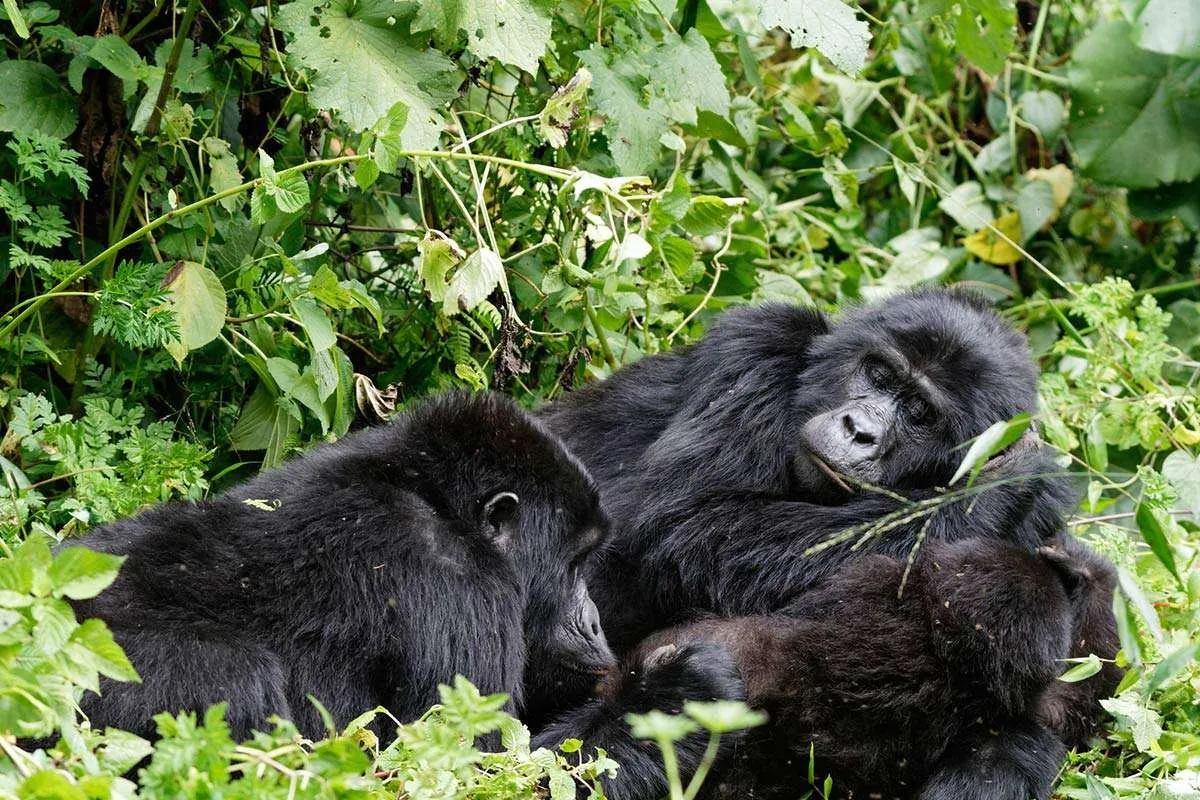
Truly Iconic Highlights in Uganda

Trek through Bwindi’s mystical rainforest and meet the endangered mountain gorillas in their breathtaking natural home.
Encounter mountain gorillas and golden monkeys on Mgahinga’s misty volcanic trails, where culture and alpine wildlife thrive together.
Unwind after your trek with a peaceful canoe ride across Lake Bunyonyi, Uganda’s most tranquil and scenic highland lake.
Enhance your gorilla trekking safari with an optional chimpanzee encounter in Uganda’s lush forests, adding depth and diversity to your primate adventure
Gorilla Trekking Tours in Uganda – Our Most Popular Itineraries.
Explore our gorilla trekking safaris for every traveler—solo, family, budget, or luxury. All tours include permits, transport, accommodation, meals, and park fees. Whether for a quick trip or a deeper adventure, we’ve got you covered.
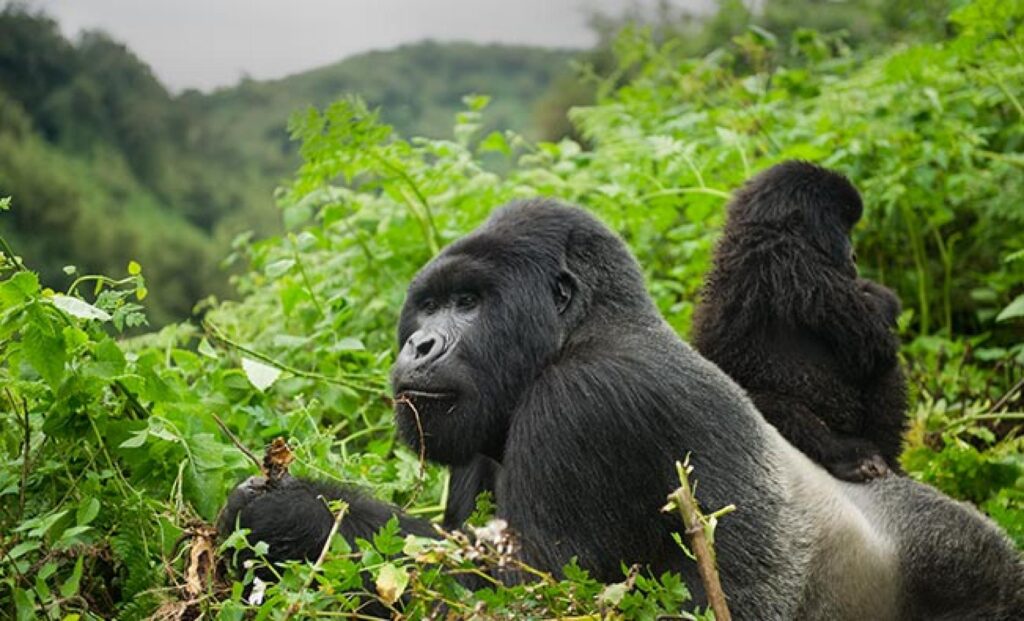
3-Day Bwindi Gorilla Trekking Safari
3-Day Bwindi Gorilla Trekking Safari
4-Day Uganda Gorilla Trekking Safari
4-Day Uganda Gorilla Trekking Safari
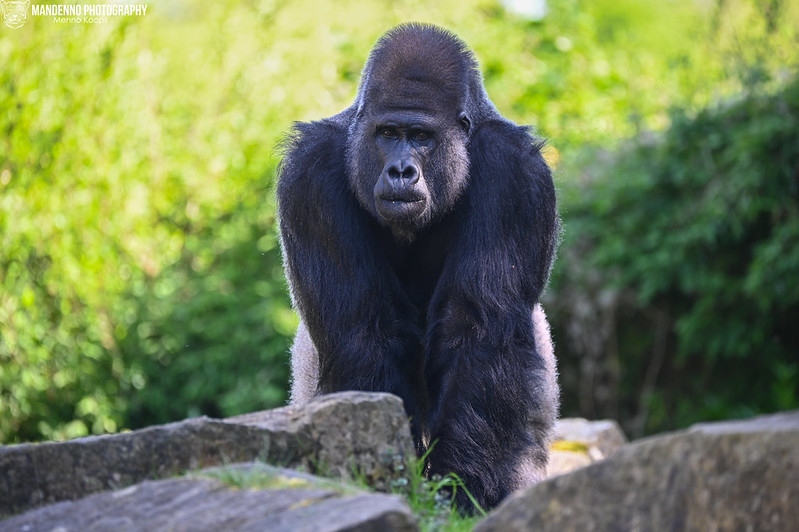
5-Day Gorilla Tracking and Wildlife Safari
5-Day Gorilla Tracking and Wildlife Safari
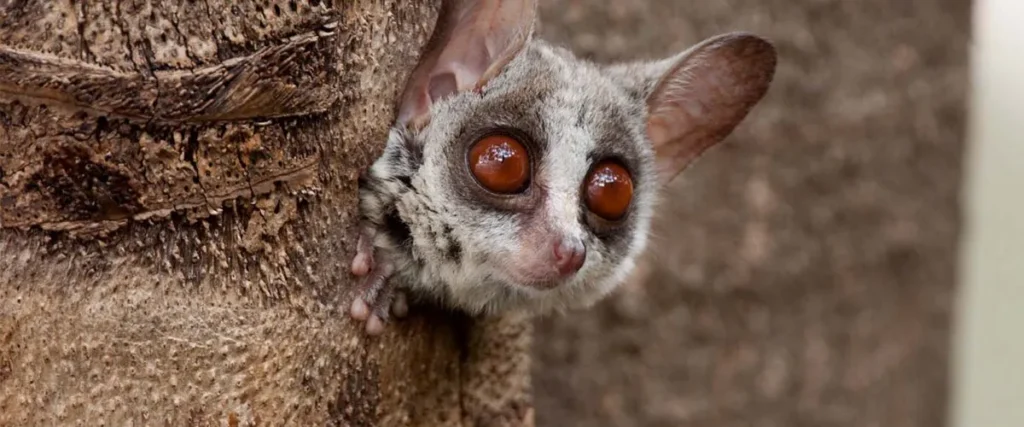
7-Day Uganda Primate Adventure & Wildlife Safari
7-Day Uganda Primate Adventure & Wildlife Safari
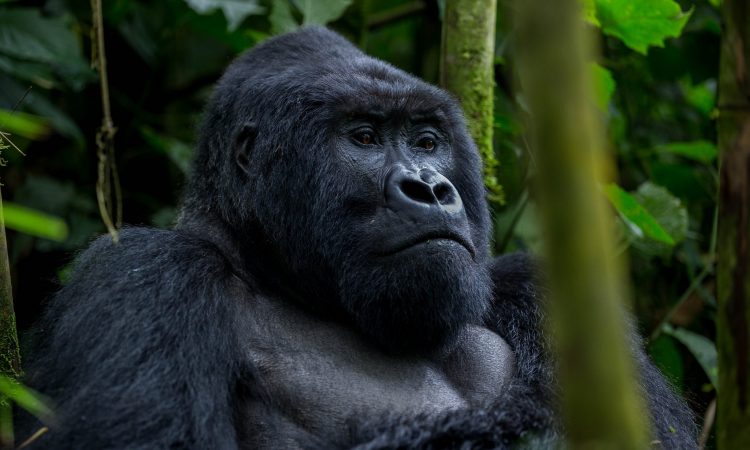
10-Day Gorilla Trekking & Big Five Safari in Uganda
10-Day Gorilla Trekking & Big Five Safari in Uganda
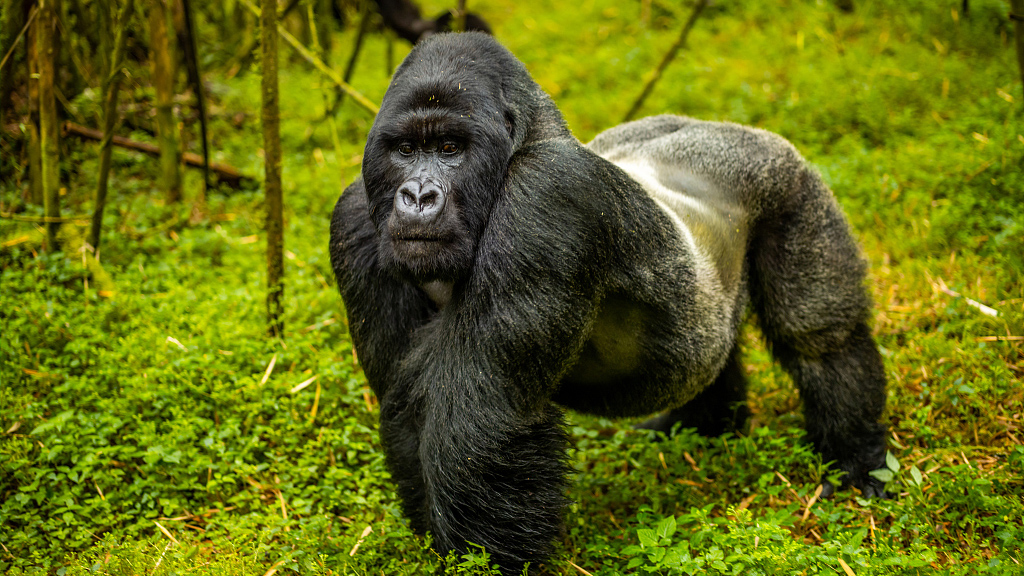
12-Day Uganda Gorilla Trekking, Chimp Tracking & Cultural Safari
12-Day Uganda Gorilla Trekking, Chimp Tracking & Cultural Safari
14-Day Best of Uganda Safari – Gorillas, Wildlife, Cultures
14-Day Best of Uganda Safari – Gorillas, Wildlife, Cultures
A DETAILED STUDY OF THE BWEZA FAMILY – RUSHAGA SECTOR
Geographical location and natural environment
The Bweza family homestead is located within the Rushaga sector, a mountainous region characterized by steep ridges, mist-covered valleys, and rich volcanic soils. This part of Bwindi lies at high altitude, with cool temperatures and frequent rainfall that support both intensive agriculture and dense forest growth. The surrounding landscape is a mosaic of terraced farmlands, footpaths, forest edges, and conservation buffer zones, creating a visually striking and ecologically sensitive setting.
Access to the Bweza family is typically via Kisoro town, followed by winding roads that pass through rural villages and cultivated hillsides. The proximity of the homestead to gorilla trekking trailheads makes it an ideal location for visitors seeking to combine wildlife experiences with cultural interaction. The setting clearly illustrates how closely human settlement and protected forest coexist in Rushaga.
Cultural background and family identity
The Bweza family belongs to the Bakiga ethnic community, a group historically associated with southwestern Uganda’s highlands. Bakiga culture emphasizes hard work, communal cooperation, respect for elders, and strong family bonds. These values are reflected in the organization of the Bweza household, where responsibilities are shared and knowledge is passed across generations through lived experience and oral tradition.Family elders play an important role in preserving historical memory, recounting stories of migration, land use, and the changing status of the Bwindi forest over time. These narratives help visitors understand how the forest was once central to daily survival and cultural identity, long before its formal protection as a national park. The Bweza family’s cultural heritage remains deeply rooted in the landscape, shaping how they interpret conservation and tourism today.
Traditional livelihoods and subsistence practices
Agriculture forms the backbone of the Bweza family’s livelihood, with terraced farming adapted to the steep slopes of the Rushaga highlands. Common crops include Irish potatoes, beans, maize, peas, bananas, and seasonal vegetables, all suited to the cool climate and fertile soils. Livestock keeping, particularly goats, cattle, and poultry, provides additional food security and income.Visitors often learn about traditional soil conservation methods, including terracing and crop rotation, which help prevent erosion and maintain long-term productivity. These practices demonstrate indigenous environmental knowledge developed over generations, long before modern conservation principles were introduced. Daily farming routines reveal the physical demands of highland life and the close dependence on seasonal cycles and weather patterns.
Participation in community-based tourism
The Bweza family is actively involved in community tourism initiatives linked to gorilla trekking in the Rushaga sector. Cultural visits to their homestead are designed to be interactive and educational rather than performative, allowing guests to observe real daily life and engage in open conversation. Visitors may participate in food preparation, learn about traditional household tools, or observe farming and craft activities.Through partnerships with local tourism associations and conservation groups, the family contributes to visitor interpretation and cultural education. Tourism income supports household needs while also strengthening community projects such as education, health initiatives, and local infrastructure. The Bweza family’s involvement highlights how tourism can be a practical tool for community empowerment when managed inclusively.
Relationship with Bwindi conservation efforts
Living at the edge of Bwindi Impenetrable National Park has shaped the Bweza family’s relationship with conservation in complex ways. They have experienced both the challenges of restricted forest access and the benefits of gorilla tourism-driven development. Through conservation outreach programs and collaboration with park authorities, the family has become an advocate for sustainable coexistence with wildlife.The Bweza family often explains how attitudes toward gorillas and forest protection have evolved over time. Revenue sharing, employment opportunities, and improved services have helped communities see conservation as beneficial rather than exclusionary. At the same time, the family openly discusses ongoing challenges such as crop raiding and land pressure, offering visitors an honest and balanced perspective on conservation realities.
Visitor experience and cultural exchange
A visit to the Bweza family is centered on personal interaction and shared learning. Guests are welcomed into the homestead environment, where conversations unfold naturally around daily routines, family history, and local perspectives on tourism and conservation. These interactions create meaningful connections that go beyond traditional sightseeing.Children often participate by sharing songs, games, or simple conversations that reflect everyday life in Rushaga. Such moments humanize the conservation landscape, reminding visitors that protected areas are also home to families with aspirations, responsibilities, and cultural pride. Many visitors describe these encounters as emotionally impactful and deeply educational.
Education, youth, and future aspirations
Education is increasingly important within the Bweza family, supported in part by income generated through tourism. School attendance, learning materials, and skills development are viewed as pathways to broader opportunities for younger generations. At the same time, elders emphasize the importance of maintaining cultural knowledge and respect for the land.
Young family members grow up learning about gorilla conservation, sustainable farming, and community responsibility. This blend of traditional values and modern education prepares them to engage with future conservation and tourism opportunities while remaining rooted in their cultural identity.
Contribution to community development
Beyond their own household, the Bweza family contributes to wider community development in the Rushaga sector. By participating in tourism and conservation initiatives, they help strengthen social cohesion and encourage other families to engage in sustainable livelihoods. Their involvement supports local employment, knowledge sharing, and collective problem-solving related to human-wildlife coexistence.The family’s role demonstrates how household-level participation can influence broader conservation outcomes, reinforcing trust between communities, tourism operators, and park management. This collaborative approach is essential for the long-term sustainability of Bwindi Impenetrable National Park.
Conclusion: a living link between people and forest
The Bweza family represents the living human story of the Rushaga sector, where culture, conservation, and community intersect. Their daily life, traditions, and engagement with tourism offer visitors a deeper understanding of what it means to live alongside one of the world’s most important gorilla habitats. Through openness, resilience, and active participation in sustainable tourism, the Bweza family helps transform a gorilla trekking visit into a richer, more meaningful experience.By sharing their home, history, and perspectives, the Bweza family reinforces the idea that successful conservation depends not only on protecting wildlife, but also on supporting the communities who have long called these landscapes home.
More Gorilla Trekking Information to Know.
Gorilla trekking goes far beyond just the hike — it’s a deep, emotional journey into the heart of Africa’s last wild rainforests. Knowing the right timing, permits, fitness tips, and park details can turn your experience from good to unforgettable.
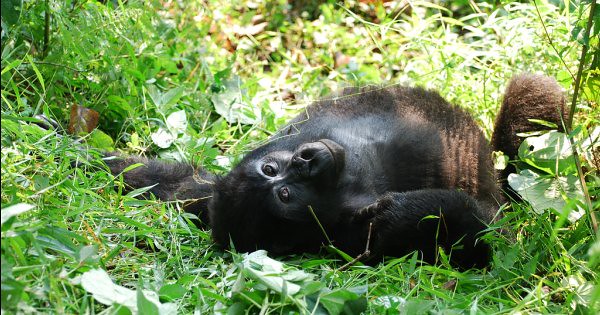
Gorilla Trekking in Bwindi Impenetrable Forest
Gorilla Trekking in Bwindi Impenetrable Forest
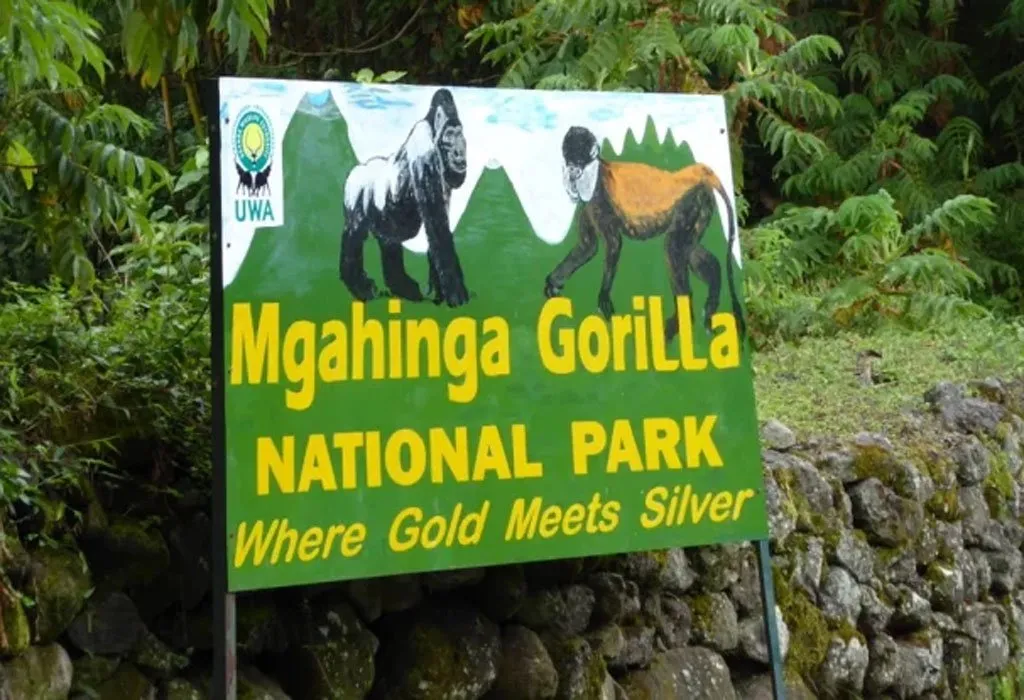
Trekking Gorillas in Mgahinga National Park
Trekking Gorillas in Mgahinga National Park
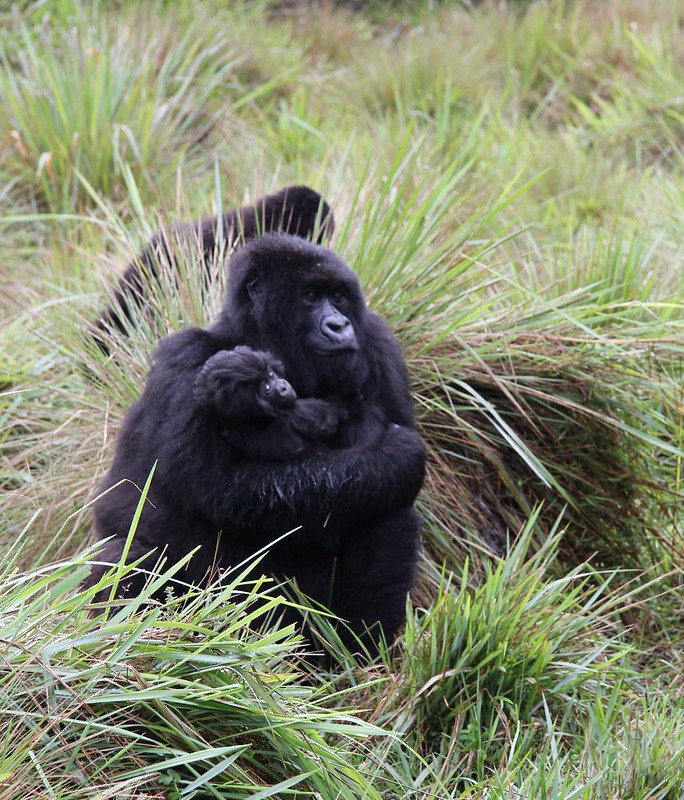
Uganda Gorilla Trekking Permits – Prices, Booking, & Travel Tips
Uganda Gorilla Trekking Permits – Prices, Booking, & Travel Tips
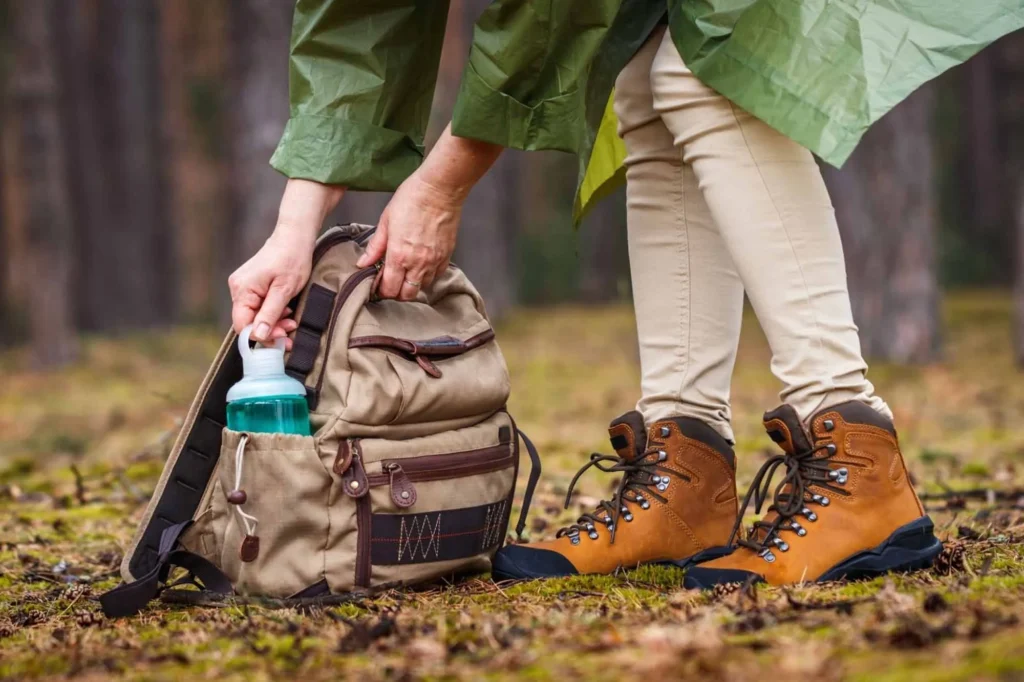
What to Pack for Gorilla Trekking in Uganda – Expert Checklist
What to Pack for Gorilla Trekking in Uganda – Expert Checklist
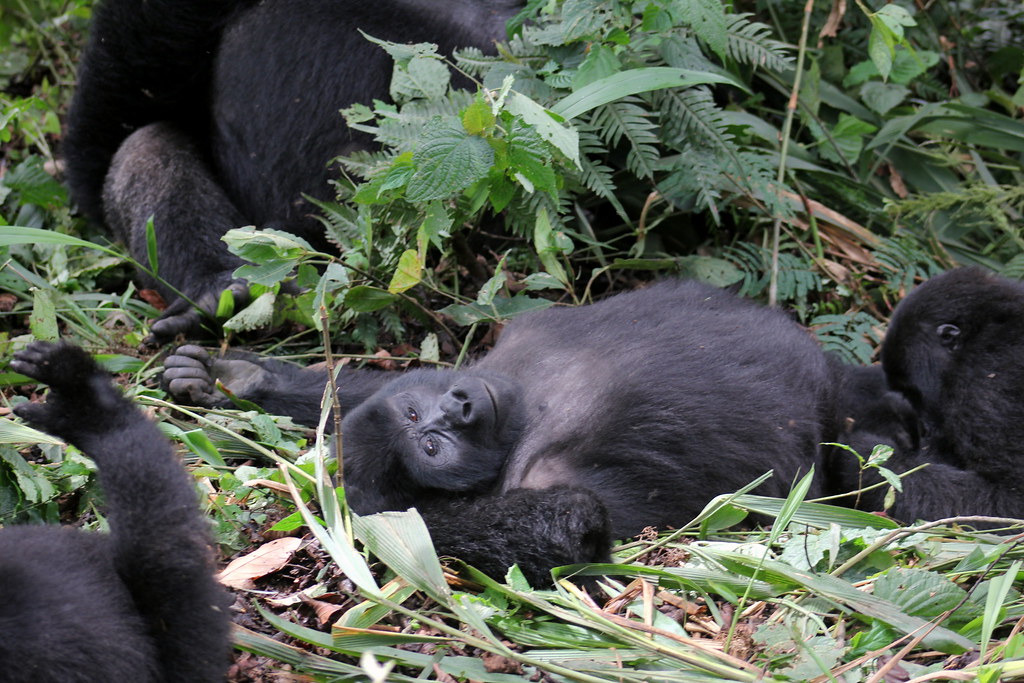
Best Time to Go Gorilla Trekking in Uganda – Weather & Seasons
Best Time to Go Gorilla Trekking in Uganda – Weather & Seasons
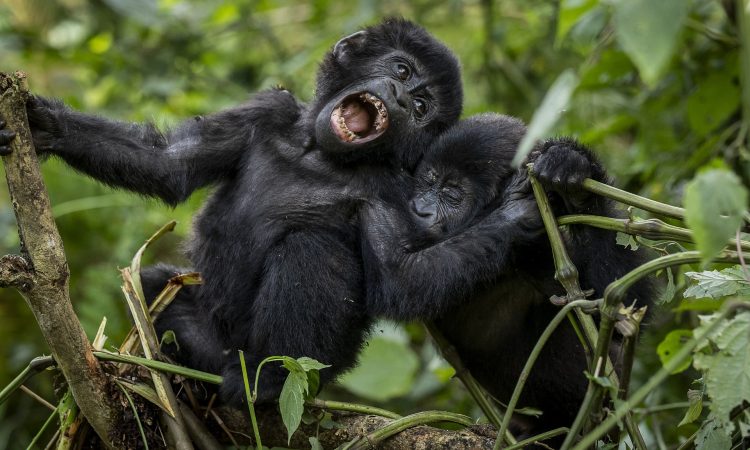
Gorilla Trekking Difficulty in Uganda – Fitness & Trail Guide
Gorilla Trekking Difficulty in Uganda – Fitness & Trail Guide
Gorilla Trekking Rules in Uganda – Safety, Respect & Ethics
Gorilla Trekking Rules in Uganda – Safety, Respect & Ethics
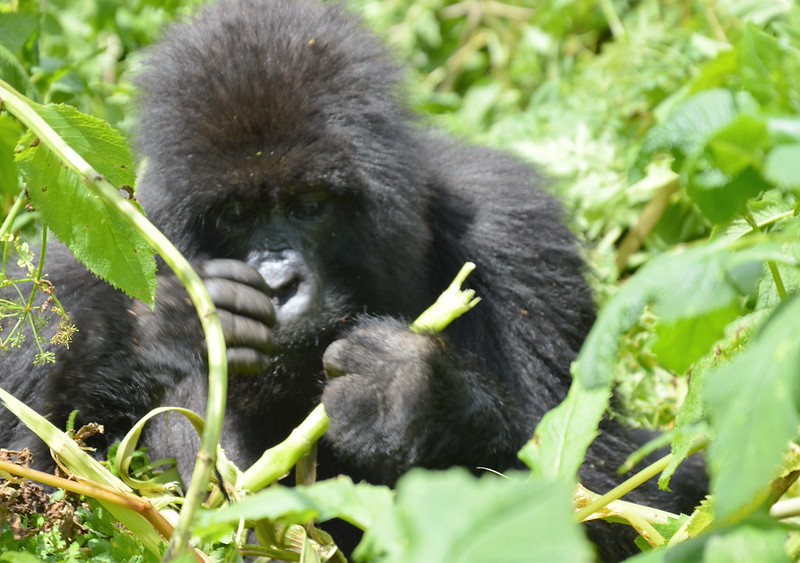
Gorilla Conservation in Uganda – Protecting the Mountain Giants
Gorilla Conservation in Uganda – Protecting the Mountain Giants
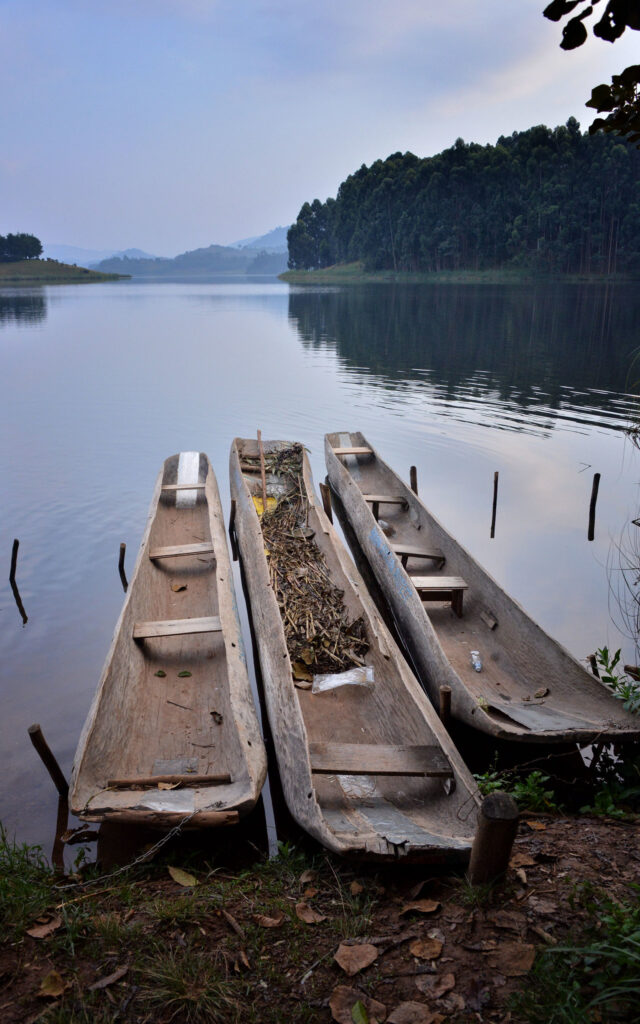
Bwindi vs. Mgahinga – Which One to Choose For Gorilla Trekking?
Bwindi vs. Mgahinga – Which One to Choose For Gorilla Trekking?
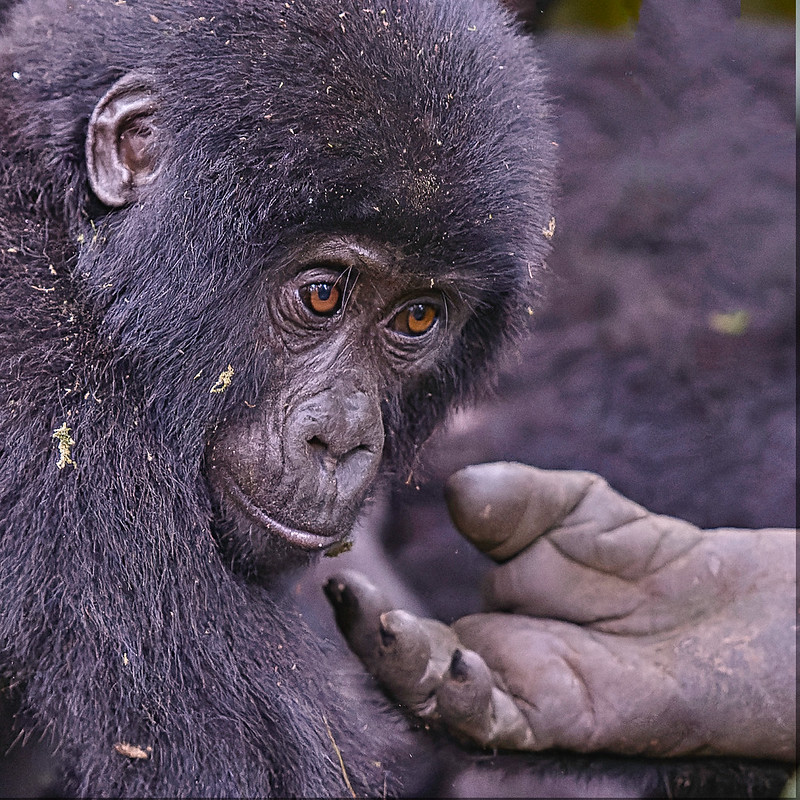
How to Stay Safe and Healthy While Traveling in Uganda
How to Stay Safe and Healthy While Traveling in Uganda
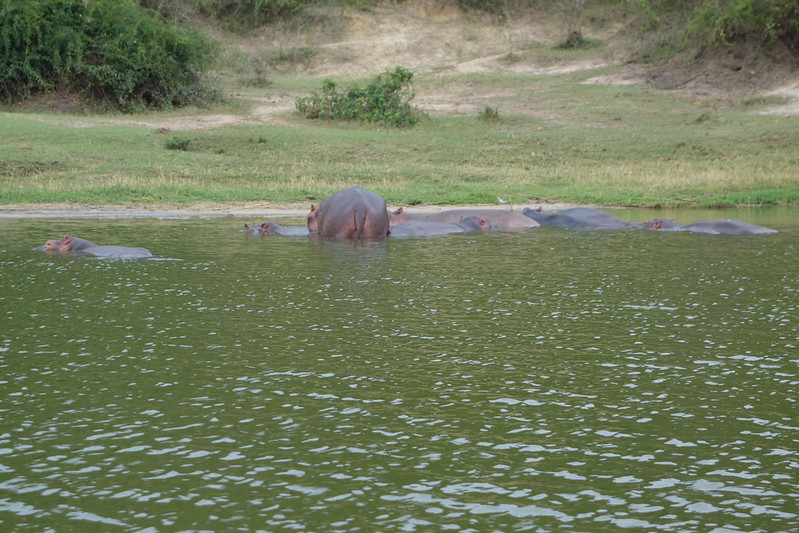
Routes, Tips & Travel Wisdom for Getting to Bwindi or Mgahinga
Routes, Tips & Travel Wisdom for Getting to Bwindi or Mgahinga
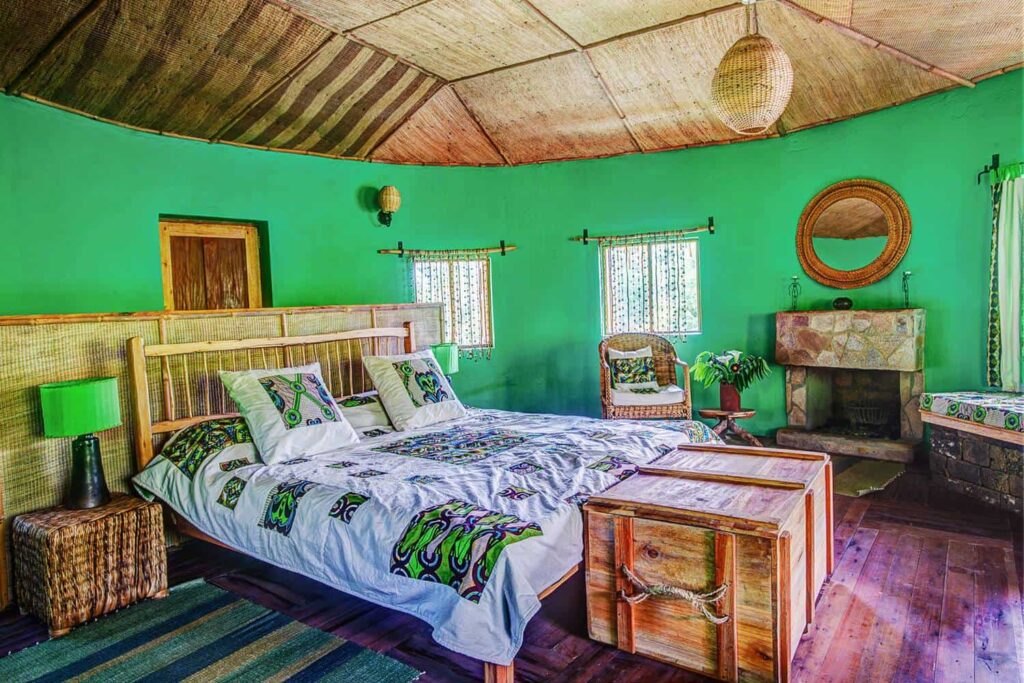
Accommodation Options: Lodges & Camps in Bwindi and Mgahinga
Accommodation Options: Lodges & Camps in Bwindi and Mgahinga
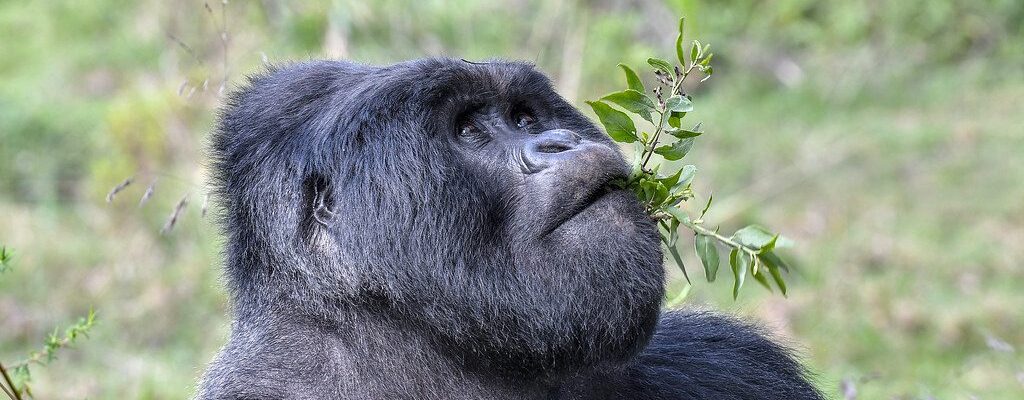
Protecting What You Came to See: Gorilla Conservation & Ethics
Protecting What You Came to See: Gorilla Conservation & Ethics
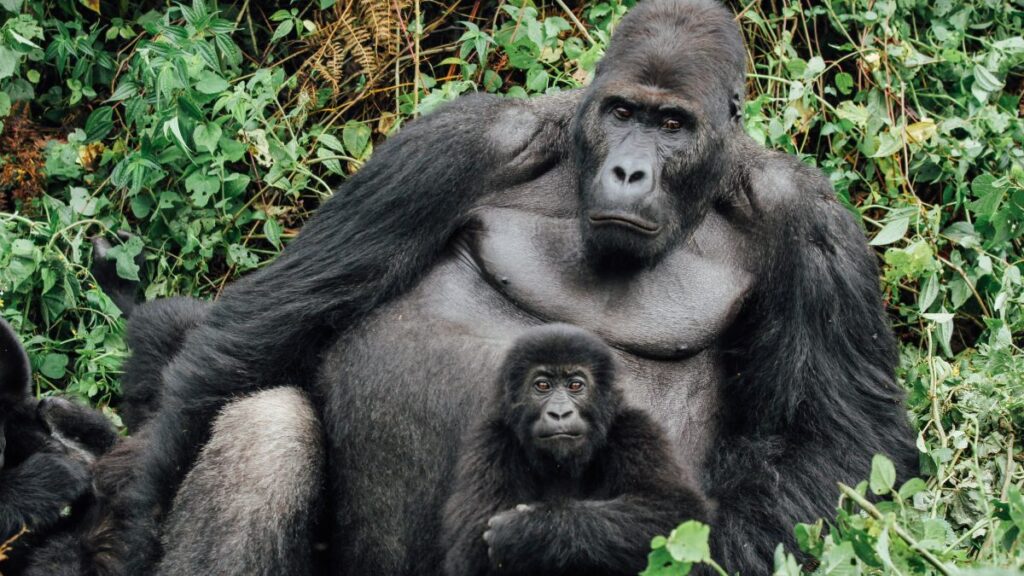
Travel Insurance for Gorilla Treks: Before You Go
Travel Insurance for Gorilla Treks: Before You Go
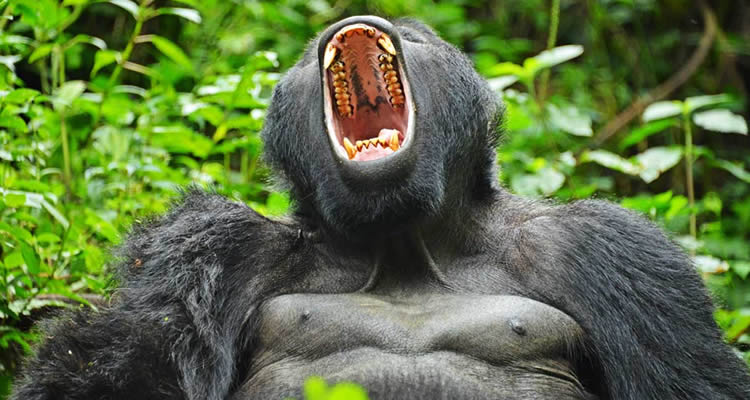
First Time Gorilla Trekking? Here’s Everything I Wish I Knew
First Time Gorilla Trekking? Here’s Everything I Wish I Knew
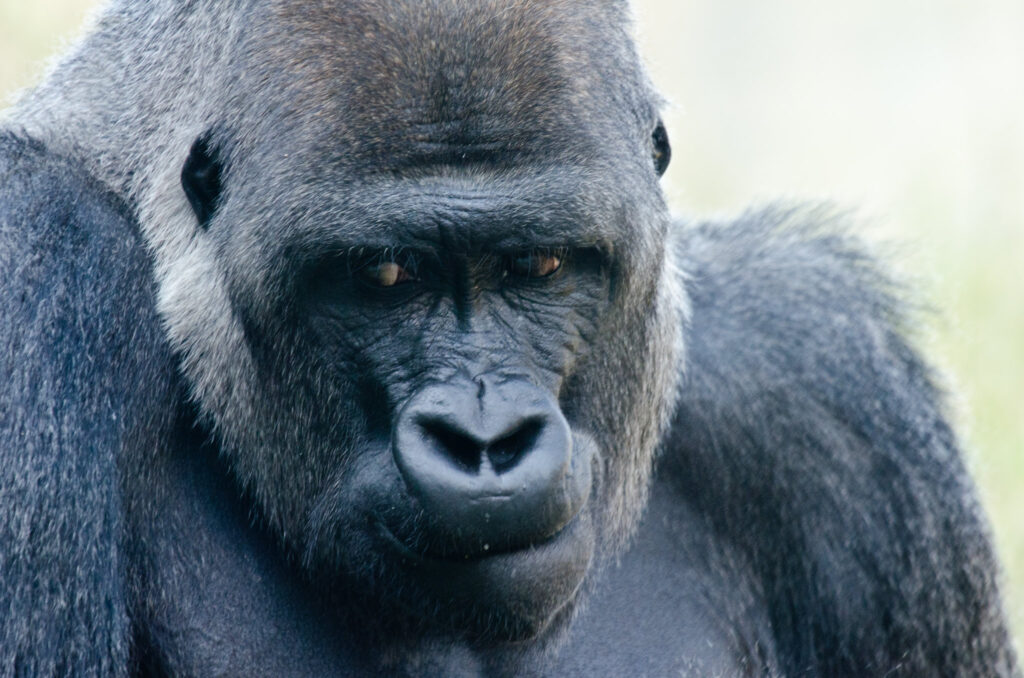
Step by Step: What Happens During a Gorilla Trekking Day
Step by Step: What Happens During a Gorilla Trekking Day
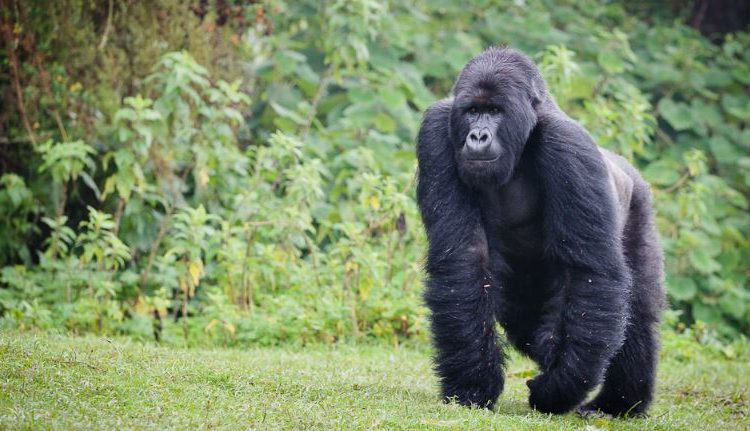
Gorilla Trekking vs. Gorilla Tracking – What’s the Real Difference?
Gorilla Trekking vs. Gorilla Tracking – What’s the Real Difference?
Beyond Gorillas: Other Wildlife You Can See During Your Trek
Beyond Gorillas: Other Wildlife You Can See During Your Trek
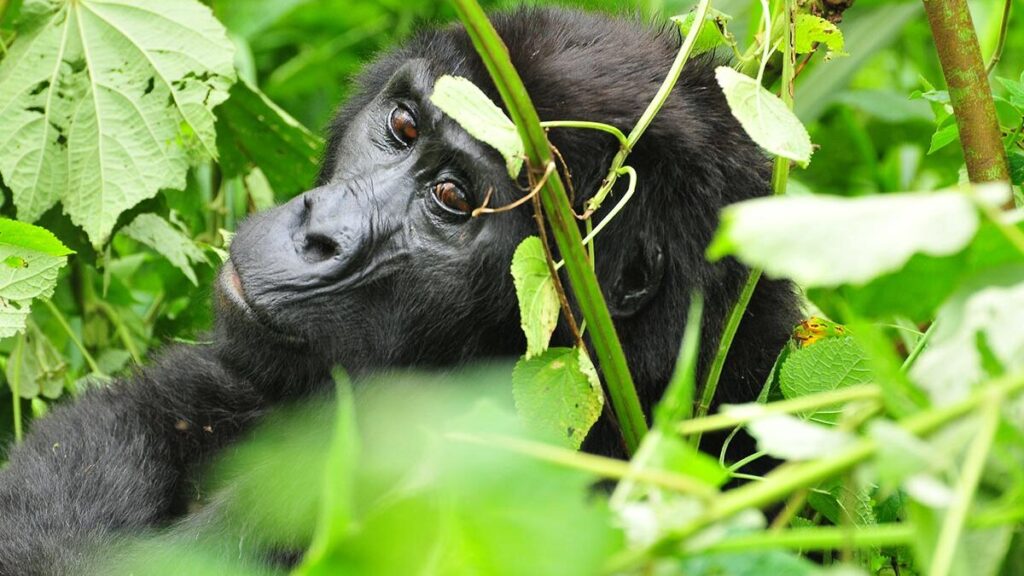
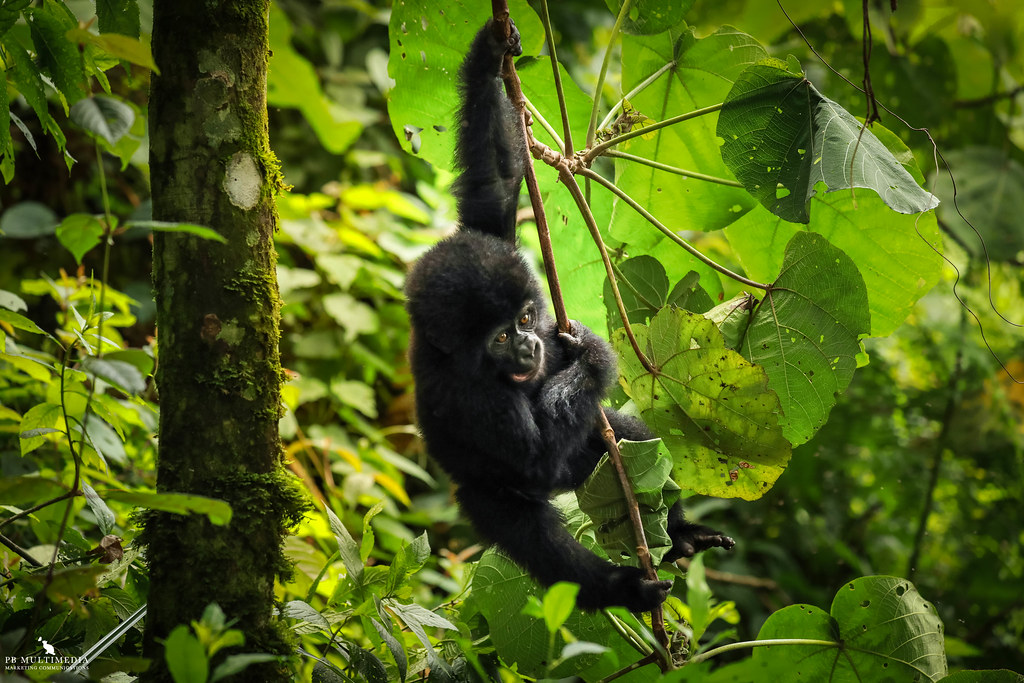
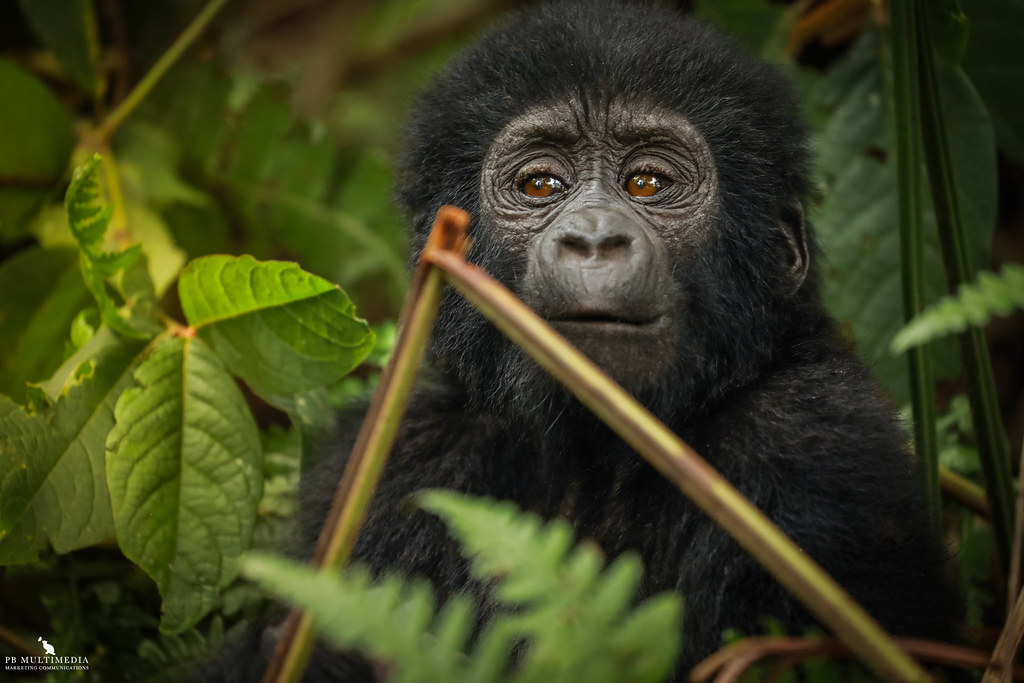
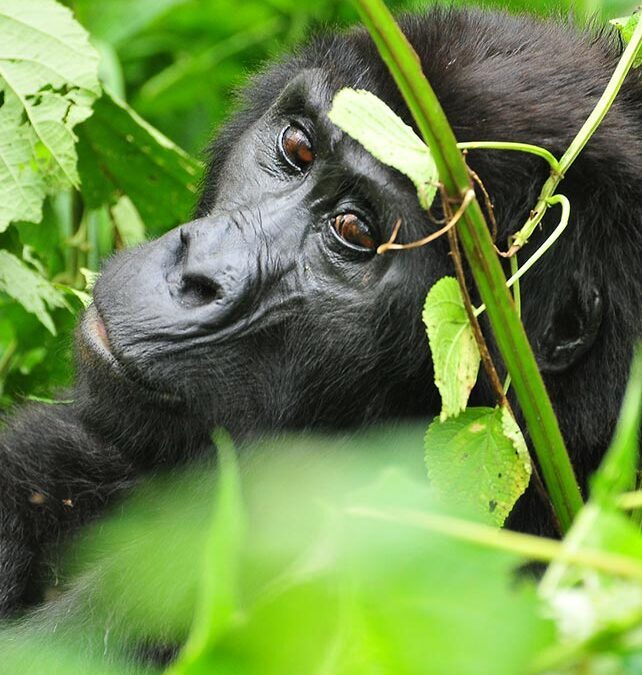
In the Realm of Giants – Bwindi & Mgahinga in Frames.
Wander through an elegant gallery capturing Uganda’s most exclusive gorilla sanctuaries, where ancient forests cradle the last mountain gorillas in a world of mist, mystery, and majesty.
Essential Planning Tips for Visiting Uganda’s National Parks.
Get ready for the wild heart of Africa with expert travel tips on when to visit, what to pack, where to go, and how to make the most of your safari across Uganda’s breathtaking national parks.
Why Uganda for Gorilla Trekking?
Uganda is not just a destination — it's the very soul of gorilla trekking. With over half of the world’s remaining mountain gorillas calling its misty forests home, Uganda offers the rarest encounters in their most authentic setting. Here, your journey is not rushed or crowded. Instead, you’re guided by experienced rangers through pristine jungles where gorillas live as they always have — wild, free, and magnificent
From insider travel insights to unforgettable trekking guides, our blog is your trusted path into Uganda’s wild heart — connecting you with mountain gorillas, breathtaking landscapes, and the soul-stirring adventures that make this land unlike any other.