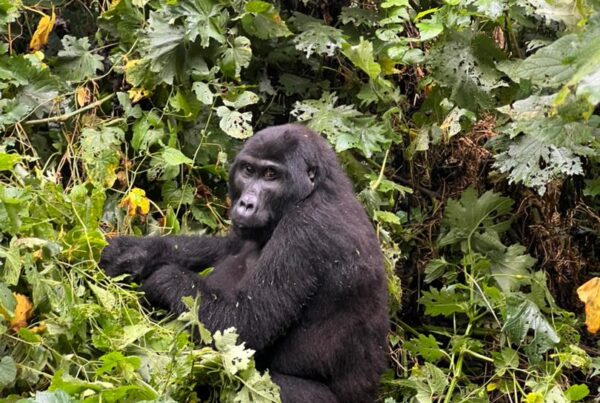
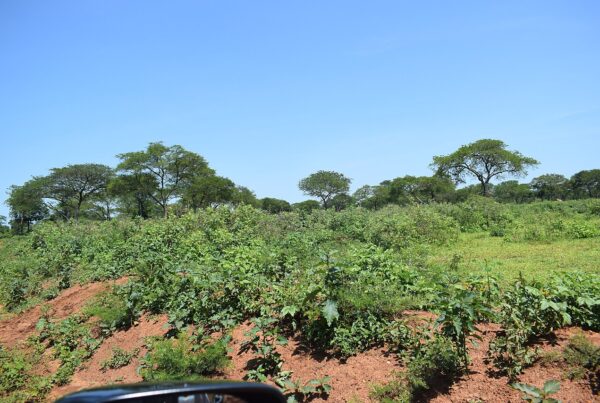
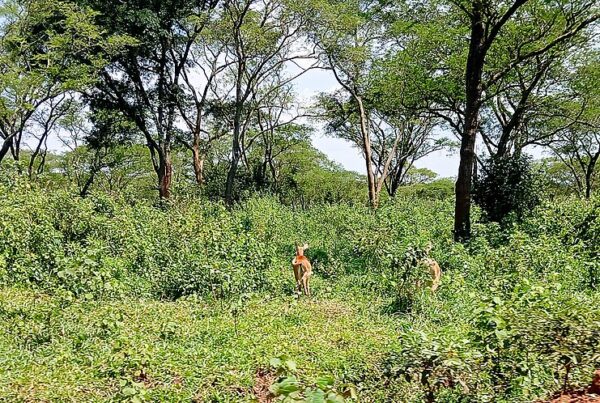
Fort Portal is the gateway to western Uganda’s national parks — Kibale Forest for chimpanzee trekking, Queen Elizabeth National Park for lions and elephants, and the extraordinary crater lake region that makes the area around Fort Portal one of the most visually spectacular in East Africa — and the drive from Kampala to Fort Portal in 2027 is a 300-kilometre journey west along the Mubende road that takes approximately 4-5 hours on a good day, passing through the Buganda heartland west of Kampala, crossing the dramatic escarpment above the Great Rift Valley with views extending toward the Democratic Republic of Congo, and arriving in a highland town ringed by tea estates and crater lake-dotted hills. The Fort Portal route opens up western Uganda’s best wildlife for any Uganda safari combining chimpanzees with gorilla trekking.
- Distance: approximately 300km; 4-5 hours driving depending on traffic and stops
- Road condition: the main road via Mubende is fully paved with a good surface for most of the route
- Key stops: Mubende town (fuel, food); the Rift Valley escarpment viewpoint; Fort Portal town (last major services before parks)
- Alternative route: the northern route via Masaka and Kasese is longer but passes through more national park areas
Fort Portal is the gateway to western Uganda’s national parks — Kibale Forest for chimpanzees, Queen Elizabeth for lions and elephants, and the crater lake region that makes this part of the country one of its most beautiful. Getting there from Kampala by road takes 4 to 5 hours on a route that passes through some of Uganda’s most pleasant midland terrain. In 2027 the road is one of the country’s best maintained, making this a comfortable and enjoyable drive. This guide covers the full route.
Distance and Overview
Kampala to Fort Portal is approximately 300 kilometers. The route heads west via Mityana, Mubende, and Kyenjojo before dropping into the Fort Portal valley. Unlike the southwestern route to Bwindi — which takes the whole day — the Fort Portal road delivers you to your destination before lunch if you leave by 7am. This makes it one of Uganda’s most manageable inter-city drives and a popular choice for visitors combining Kibale and Queen Elizabeth in a single western Uganda circuit.
Kampala to Mityana: First Hour
The route out of Kampala heads west rather than southwest, which avoids the main Entebbe road and its heavy traffic. The Mityana Road passes through Nateete and Wakiso before opening into wider countryside. Mityana itself is a junction town about 75 kilometers from Kampala, reached in about 1.5 hours. There are fuel stations and roadside food stalls here. The landscape on this western route is greener and hillier than the flat central plateau — you are skirting the edge of the Buganda heartland.
Mityana to Mubende: Tea Country
West of Mityana the road continues through Mubende District, characterized by rolling hills and small tea estates. Mubende town is a district headquarters with good facilities for a midway break — fuel, food, and banks. The road quality is excellent through this section. You are now in central-western Uganda, passing through a landscape that changes gradually from densely populated farmland to more forested hills.
Mubende to Fort Portal: The Final Stretch
From Mubende the road continues west through Kyenjojo and then drops into the Fort Portal valley. This final section is particularly scenic — you descend through plantation forests and suddenly the Rwenzori Mountains appear to the south, their peaks often wreathed in cloud. Fort Portal town sits in a fertile valley that produces some of Uganda’s best tea. The approach into town past the tea estates and crater lakes is one of the prettiest arrivals in the country.
What to See Near Fort Portal
Fort Portal is a base rather than a destination in itself, but the surrounding area rewards exploration. The Tooro Kingdom palace sits on a hill above town. The crater lakes district — a series of explosion craters filled with water of different colors due to varying mineral content — is accessible by short drives or bicycle from town. Kibale Forest National Park, home to the world’s highest density of primates, is 35 kilometers south. Chimp trekking from Kibale is considered the best in Africa. Queen Elizabeth National Park is 2 hours south. Many visitors spend 2 to 3 nights based in Fort Portal and day-trip to parks.
Transport Options in 2027
Safari vehicles and private transfers are standard for park visitors. Public buses also run between Kampala and Fort Portal — operators including Link Bus and several others serve the route, with journey times of 4 to 5 hours and fares of $6 to $12. For visitors combining Fort Portal with a gorilla trek at Bwindi, the route from Fort Portal south to Kasese and then through Queen Elizabeth to Bwindi is a classic western Uganda circuit that covers enormous biodiversity in one efficient loop.
Departure and Arrival Timing
Leaving Kampala by 7am gets you into Fort Portal before noon, leaving the afternoon free for a crater lake visit, a town walk, or early check-in at a lodge. The road has no particularly difficult sections and does not require a 4WD vehicle for the main route. Only the final tracks into forest lodges inside Kibale or on the Rwenzori foothills require higher clearance. Fuel up in Mubende or Kyenjojo to avoid running low on the final section.
The Kampala to Fort Portal route in 2027 is one of Uganda’s most pleasant drives — manageable in half a day and rewarding the whole way. It opens the door to western Uganda’s remarkable concentration of wildlife, landscapes, and cultures that make this part of the country so compelling for safari visitors.
What is the route from Kampala to Fort Portal and what are the main stops?
The main Kampala to Fort Portal route runs westward on the A109 highway through Mubende before turning northwest. Leaving Kampala: the road exits Kampala westward through Nateete and Busega; the first 30-40km from Kampala is the most congested; departing by 7am avoids the worst of the morning rush. Mityana town (80km): the first significant town; fuel and market food available; the road passes through a busy trading centre. Mubende town (160km): the midpoint; a good lunch stop; the hill above Mubende has historical significance as a royal site of the Bunyoro-Kitara Kingdom; fuel is available here. The Rift Valley escarpment: approaching Fort Portal from the east, the road descends into and then climbs out of a dramatic section of the Western Rift Valley; the viewpoint before Fort Portal gives a panoramic view westward toward the Rwenzori Mountains — when clear of cloud, the snow-capped peaks are visible; this is one of Uganda’s most dramatic road views. Fort Portal town: a pleasant highland town at approximately 1,500m; good accommodation, restaurants, ATMs, supermarkets, and fuel.
What can you see and do in the Fort Portal crater lake area?
The Fort Portal crater lake region contains over 50 crater lakes formed by ancient volcanic activity in the Western Rift Valley zone and is one of Uganda’s most photogenic and undervisited landscapes. Lake Nyamirima: one of the most accessible crater lakes from Fort Portal; a short walk or drive from town; the crater rim gives a striking bird’s-eye view of the enclosed lake below. Lake Nkuruba: a small crater lake popular for swimming (bilharzia risk low in crater lakes without river connections — confirm with locals); a community campsite on the rim. Lake Kifuruka: one of the most photographically striking; the crater is surrounded by forest on three sides. The Amabere Caves (Amabere Ga Nyinamwiru): a historical and cultural site near Fort Portal; stalactite formations in a small cave with a waterfall; associated with Tooro Kingdom legend; a half-day cultural excursion from Fort Portal; guided tours available. Crater lake drives: your safari operator or Fort Portal-based guides can arrange crater lake loop drives covering multiple lakes in a half day; the road through the crater lake area is unpaved but manageable.
How does Fort Portal connect to Kibale, Queen Elizabeth, and Bwindi in an itinerary?
Fort Portal is the hub of western Uganda safari logistics and connects most of the region’s major parks. Fort Portal to Kibale NP (chimpanzee trekking): approximately 30km east of Fort Portal; 25-35 minutes by road; most visitors stay in Fort Portal and day-trip to Kibale for the morning trek. Fort Portal to Queen Elizabeth NP: approximately 90km south; 2-2.5 hours drive via the Kasese road; the Ishasha sector of Queen Elizabeth (famous for tree-climbing lions) is approximately 3.5 hours from Fort Portal. Fort Portal to Bwindi (gorilla trekking): approximately 190km south; approximately 4-5 hours via Kasese and then to Buhoma; this route passes through Queen Elizabeth NP on the Bwindi approach. The classic western circuit: Kampala to Fort Portal (Kibale chimps + crater lakes); Fort Portal south through Queen Elizabeth (big game, Ishasha lions); Bwindi gorilla trekking; return via Kabale and Mbarara; this 7-10 day circuit covers Uganda’s primary wildlife highlights.
What accommodation options are available in Fort Portal?
Fort Portal has a range of accommodation that serves as a base for the western Uganda circuit. Kenjojo Hotel: a well-established mid-range hotel in Fort Portal town; consistent reviews; restaurant on site; good base for Kibale and crater lake activities. Hotel Ruwenzori Hills: long-established Fort Portal hotel with conference facilities; mid-range pricing; a reliable option for business and safari visitors. Rwenzori Travellers Inn: budget-friendly; in Fort Portal town; basic but clean facilities. Kyaninga Lodge: upmarket lodge on the rim of Kyaninga crater lake; outstanding views; one of Uganda’s most scenic lodges; approximately 15km from Fort Portal town. Ndali Lodge: another crater lake rim lodge; colonial-era property with history; views over Lake Ndali; boutique character. Kibale area lodges: Primate Lodge Kibale and Kibale Forest Camp are inside or adjacent to Kibale Forest; staying at the forest avoids the Fort Portal to Kibale commute on trek morning.
What other wildlife and experiences are available near Fort Portal beyond chimps?
Fort Portal and the Tooro region offer experiences beyond the headline chimpanzee trekking at Kibale. Kibale Forest primate walk (in addition to chimps): Kibale has 13 primate species; a community walk outside the park encounters red-tailed monkeys, L’Hoest’s monkeys, olive baboons, and grey-cheeked mangabeys; guided by community track guides. Bigodi Wetland Sanctuary: adjacent to Kibale; a community-managed wetland trail; excellent birds including papyrus specialist species (papyrus gonolek, white-winged warbler); primates also present; community-run with entrance fees supporting local families. Rwenzori Mountains: the Rwenzori range is visible from Fort Portal on clear days; multi-day trekking routes to the peaks (Margherita Peak at 5,109m is the third-highest point in Africa); day hikes into the lower Rwenzori slopes are possible without the full summit expedition. Tooro Kingdom palace: the cultural site of the Tooro traditional kingdom; guided cultural tours available; historical context for the Toro people and their relationship with the Buganda and Bunyoro kingdoms.
- Fort Portal Uganda: Gateway to Western Uganda Wildlife
- Distance from Kampala to Bwindi: Drive Times and All Routes
- Kigali to Kampala: The Overland Route to Uganda Guide
- Addis Ababa to Kampala: Ethiopian Route to Gorilla Country
- Kampala to Kabale by Bus: The Route to Gorilla Country 2027
- Dar es Salaam to Kampala Overland: The Tanzania Uganda Route 2027
- Uganda’s crater lakes: a side trip from Bwindi to Fort Portal
- What to Wear for Gorilla Safaris When You’re Over 40: Style, Comfort & Wisdom on the Trail
- From Kampala to Nairobi by Bus
- From Kampala to Arusha by Bus