Updated
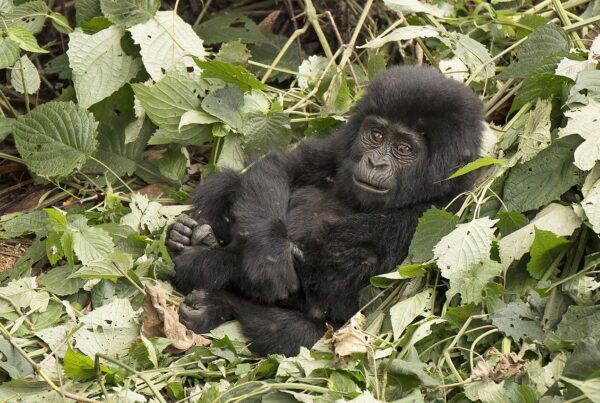
Before a gorilla family can be visited by tourists, it must be habituated, a process of daily, patient contact that usually takes two to three years and sometimes longer. Trackers and researchers stay with the group every day, gradually closing the distance until the gorillas ignore people at 7 m. This takes years of salaries, equipment and veterinary monitoring before any permit can be sold, which is why only a limited number of families are open to visitors.
How habituation works
A team follows a wild family every day, starting at a distance the gorillas tolerate and slowly moving closer as they calm down. The silverback often charges and screams at first; trackers crouch and stay still to show they are no threat. Over months and years, the charges stop and the group carries on feeding and resting with people nearby. Once habituated, the family is visited every day, by researchers, trackers or tourists, so it does not slip back.
Costs and returns
The costs are mainly people: trackers, rangers and researchers working every day, plus vehicles, equipment and health checks. Once a family opens, it can host up to eight trekkers a day for many years, so the return from permits is large, and part goes to local communities. Uganda also sells the Gorilla Habituation Experience, which lets small groups spend up to four hours with a family in the final stages of habituation, for US$1,500, rising to US$1,800 in 2027.
Why some families stay wild
Not every family can be habituated, and managers deliberately keep many groups wild, as a reserve against disease and to limit human impact. The gorilla permit costs US$800, or US$600 in April, May and November. See our guides to how habituation works, the habituation experience, Bwindi’s gorilla families and how permit revenue is spent.
Frequently asked questions
Usually two to three years, sometimes longer.
Keeping some families wild reduces disease risk and human impact.
US$1,500, rising to US$1,800 in 2027.
Up to eight trekkers a day.