
Wo die Seele des Waldes im Nebel flüstert
Gorilla-Trekking in Uganda ist nicht nur eine Begegnung mit Wildtieren, die auf der Wunschliste steht – es ist eine körperliche und emotionale Reise durch einen der unberührtesten Regenwälder Afrikas. Ganz gleich, ob Sie die steilen Gebirgskämme von Bwindi oder die vulkanischen Hänge von Mgahinga erwandern: Wenn Sie den Schwierigkeitsgrad kennen und Ihren Körper und Geist darauf vorbereiten, kann das Erlebnis noch lohnender sein. Dies ist kein gemütlicher Spaziergang im Wald. Es handelt sich um eine geführte Expedition durch dichte Vegetation, manchmal über rutschigen oder unebenen Boden. Die Wanderungen dauern je nach Standort der Gorillafamilie, die Ihnen zugewiesen wird, zwischen einer und acht Stunden.
Ugandas Gorilla-Trekkingrouten variieren in Höhe und Gelände. Bwindi, bekannt für seine steilen, dichten Dschungelpfade, kann in Gebieten wie Nkuringo und Rushaga eine besondere Herausforderung darstellen.
Mgahinga ist zwar auch rau, wird aber hinsichtlich des Geländes oft als etwas geradliniger angesehen. Aufgrund der Höhenlage, der Luftfeuchtigkeit und der Unvorhersehbarkeit der Weglängen benötigen Sie ein angemessenes Maß an Fitness, ein gutes Paar Wanderschuhe und die Bereitschaft für die Herausforderungen der Natur. Aber lassen Sie sich davon nicht einschüchtern – Träger stehen für den Transport Ihrer Ausrüstung zur Verfügung, Guides planen die Wanderung sorgfältig ein und Rastplätze sind eingebaut. Mit Vorbereitung und der richtigen Einstellung wird jede Herausforderung auf dem Weg zu einem Teil der Geschichte – ein persönlicher Sieg, der Ihre Stunde mit den Gorillas noch tiefer macht.
Schnüren Sie also Ihre Stiefel, schnappen Sie sich Ihre Kamera und bereiten Sie sich auf die Begegnung mit der Wildnis vor – hier beginnen Ihre Gorilla-Trekking-Träume und unvergesslichen Safari-Abenteuer erst richtig.
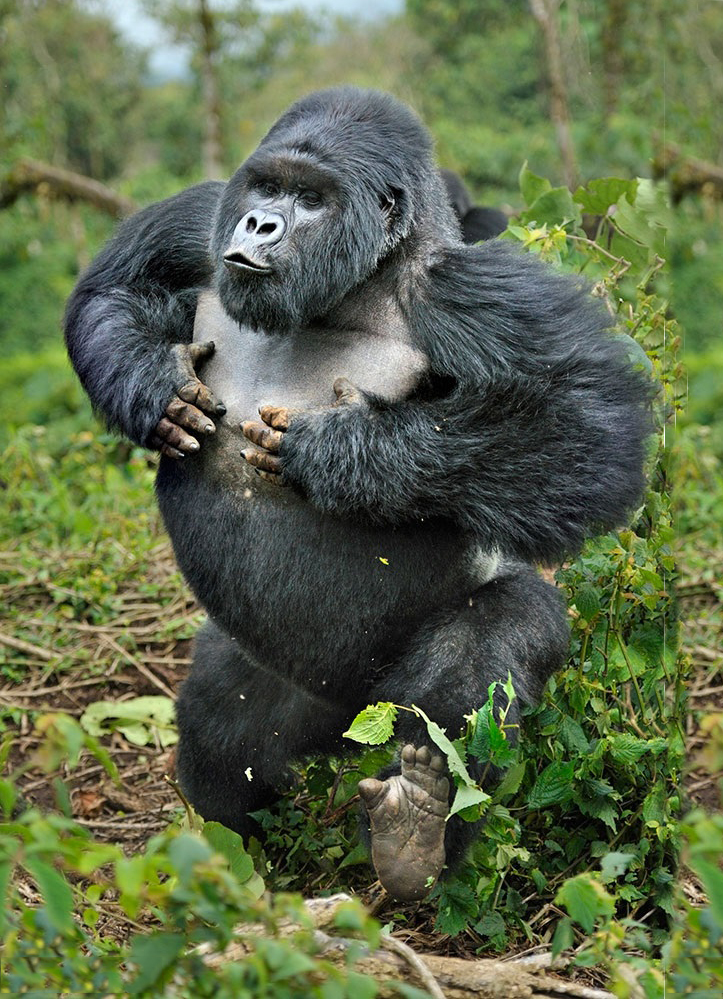
Truly Iconic Highlights in Uganda

Trek through Bwindi’s mystical rainforest and meet the endangered mountain gorillas in their breathtaking natural home.
Encounter mountain gorillas and golden monkeys on Mgahinga’s misty volcanic trails, where culture and alpine wildlife thrive together.
Unwind after your trek with a peaceful canoe ride across Lake Bunyonyi, Uganda’s most tranquil and scenic highland lake.
Enhance your gorilla trekking safari with an optional chimpanzee encounter in Uganda’s lush forests, adding depth and diversity to your primate adventure
Schwierigkeit beim Gorilla-Trekking in Uganda – Fitness & Wanderführer für eine unvergessliche Reise
Wenn wir über das Gorilla-Trekking in Uganda sprechen, denken wir oft an diesen magischen Moment — dem Blick eines Berggorillas in einer nebelverhängenen Dschungellandschaft zu begegnen, mit rasendem Herzen, vergessener Kamera und bewegter Seele. Doch vor dieser Begegnung liegt eine Reise, die Ihre Entschlossenheit auf die Probe stellt, Ihre Sinne weckt und Sie körperlich mit dem wilden Terrain verbindet, das diese sanften Riesen ihr Zuhause nennen.
Wenn Sie sich fragen, wie schwierig das Gorilla-Trekking in Uganda ist, sind Sie nicht allein. Es ist eine der häufigsten Fragen, die Reisende stellen — und zu Recht. Die Belohnung ist immens, doch der Weg zu den Gorillas kann holprig, steil und unvorhersehbar sein. Dieser Leitfaden hilft Ihnen zu verstehen, was Sie in Bezug auf Fitness, Wegbedingungen und mentale sowie körperliche Vorbereitung erwartet, damit Sie mit Zuversicht, Klarheit und Freude trekken können.
Die Natur des Treks: Kein Pfad gleicht dem anderen
Eines der wichtigsten Dinge, die man verstehen muss, ist, dass kein Gorilla-Trek dem anderen gleicht — weder in der Zeit, noch im Gelände, noch in der Schwierigkeit. Das Erlebnis ist zutiefst organisch. Berggorillas streifen frei in ihren Territorien im Bwindi Impenetrable National Park und im Mgahinga Gorilla National Park umher, und jeden Tag verfolgen Ranger ihre Bewegungen, bevor die Gäste den Wald betreten.
Das bedeutet, Ihr Trek kann nur eine Stunde dauern oder sich auf sechs oder mehr Stunden ausdehnen, je nachdem, wo sich die Gorillas an diesem Tag befinden. Der Pfad kann flache Abschnitte, sanfte Anstiege oder anspruchsvolle Aufstiege durch verschlungene Lianen, schlammige Hänge und dichte Vegetation ohne ausgewiesenen Weg umfassen — nur pure, atmende Wildnis.
Geländeunterschiede: Bwindi vs. Mgahinga
Der Bwindi Impenetrable National Park ist genau das, was sein Name vermuten lässt — dichter, uralter Regenwald mit unebenem Boden, steilen Kämmen und tiefen Tälern. Die Wege dort können durch die Dichte des Waldes und die Höhenunterschiede anspruchsvoller sein, besonders in Sektoren wie Nkuringo und Rushaga, die für schwierigere Wanderungen bekannt sind.
Der Mgahinga Gorilla National Park hingegen erstreckt sich entlang der Vulkanhänge der Virunga-Berge und bietet ein offeneres Gelände mit Bambuswald. Das Trekking hier kann manchmal einfacher und kürzer sein, besonders wenn die Nyakagezi-Gorillafamilie in der Nähe der Basis ist. Allerdings birgt die Vulkanlandschaft auch große Höhen, die einige Trekker beeinflussen können.
Wie fit müssen Sie sein?
Sie müssen kein Athlet sein, aber eine moderate bis gute Fitness ist unerlässlich. Wenn Sie 3–5 Stunden über unebenes Gelände wandern können — möglicherweise bergauf und bei feuchten Bedingungen — werden Sie gut zurechtkommen.
Entscheidend ist Ausdauer, nicht Schnelligkeit. Sie werden nicht laufen oder rennen. Der Trek wird in einem gemäßigten Tempo zurückgelegt, mit Pausen unterwegs und verfügbaren Trägern zur Unterstützung. Wichtiger als Muskelkraft ist die innere Einstellung. Entschlossenheit, Geduld und mentale Belastbarkeit helfen enorm, wenn der Pfad steil oder rutschig wird.
Auch ältere Reisende oder solche mit Gelenkproblemen können den Trek genießen, wenn sie entsprechend planen. Viele Besucher in den Sechzigern und Siebzigern schaffen den Trek jedes Jahr erfolgreich — oft mit Wanderstock, einem gemieteten Träger und dem gleichmäßigen Rhythmus langsamer, bewusster Schritte.
Tipps zur körperlichen und mentalen Vorbereitung
Wenn Sie Ihren Trek Monate im Voraus planen, beginnen Sie frühzeitig mit einem leichten Training:
- Gehen Sie regelmäßig auf unebenem oder hügeligem Gelände wandern
- Stärken Sie die Beinmuskulatur mit Treppen, Kniebeugen oder leichtem Krafttraining
- Verbessern Sie Ihre kardiovaskuläre Ausdauer durch zügiges Gehen, Schwimmen oder Radfahren
- Üben Sie bewusstes Atmen — besonders hilfreich in der Höhe oder beim Aufstieg
Tragen Sie am Trek-Tag bequeme Wanderschuhe mit gutem Profil, führen Sie Wasser mit und kleiden Sie sich in feuchtigkeitsableitende Schichten. Leichte Handschuhe helfen beim Festhalten an der Vegetation ohne Kratzer. Ein Wanderstock ist sehr empfehlenswert — oft an der Parkstation oder von Ihrer Lodge bereitgestellt.
Denken Sie daran: Der Trek ist kein Wettkampf. Ihr Guide passt das Tempo an die Gruppe an, und das Ziel ist immer, die Gorillas sicher und respektvoll zu erreichen.
Optionale Hilfe: Träger und Sänfte
Das Anheuern eines Trägers wird sehr empfohlen — nicht nur um Ihren Tagesrucksack zu tragen, sondern auch um Ihnen auf schwierigen Abschnitten Halt zu geben und moralische Unterstützung zu bieten, wenn der Weg rutschig wird. Träger sind oft ehemalige Wilderer, die durch Gemeinschaftsinitiativen zu Naturschützern wurden, sodass Ihre Unterstützung direkt zur Erhaltung beiträgt.
Wenn Sie eingeschränkte Mobilität oder gesundheitliche Bedenken haben, bietet Uganda eine einzigartige Lösung: den Gorilla-Trekking-Sänfte-Service. Diese tragartige Sitzgelegenheit wird von einem Team von Trägern getragen, die Sie zur Gorillafamilie und zurück bringen, sodass auch Reisende mit körperlichen Einschränkungen die Magie des Waldes erleben können.
Was passiert, wenn Sie den Trek nicht abschließen können?
Es kommt selten vor, aber manche Trekker entscheiden sich wegen Erschöpfung oder Schwierigkeiten, vor dem Erreichen der Gorillas umzukehren. Ranger und Guides sind darauf trainiert, alle Fitnessniveaus zu begleiten, und sie beraten, ob Sie weitergehen oder umkehren sollten. Ruhepausen, schattige Pausen und langsames Tempo sind immer Teil der Reise.
Doch die meisten Trekker erreichen ihr Ziel — und wenn sie es tun, ist jeder Schweifitropfen, jeder schlammige Schritt, jeder atemlose Aufstieg absolut die Mühe wert.
Weitere Gorilla-Trekking-Informationen, die Sie wissen sollten.
Gorilla-Trekking geht weit über die bloße Wanderung hinaus – es ist eine tiefe, emotionale Reise in das Herz der letzten wilden Regenwälder Afrikas. Wenn Sie das richtige Timing, die richtigen Genehmigungen, Fitnesstipps und Parkdetails kennen, kann Ihr Erlebnis von einem guten zu einem unvergesslichen Erlebnis werden.
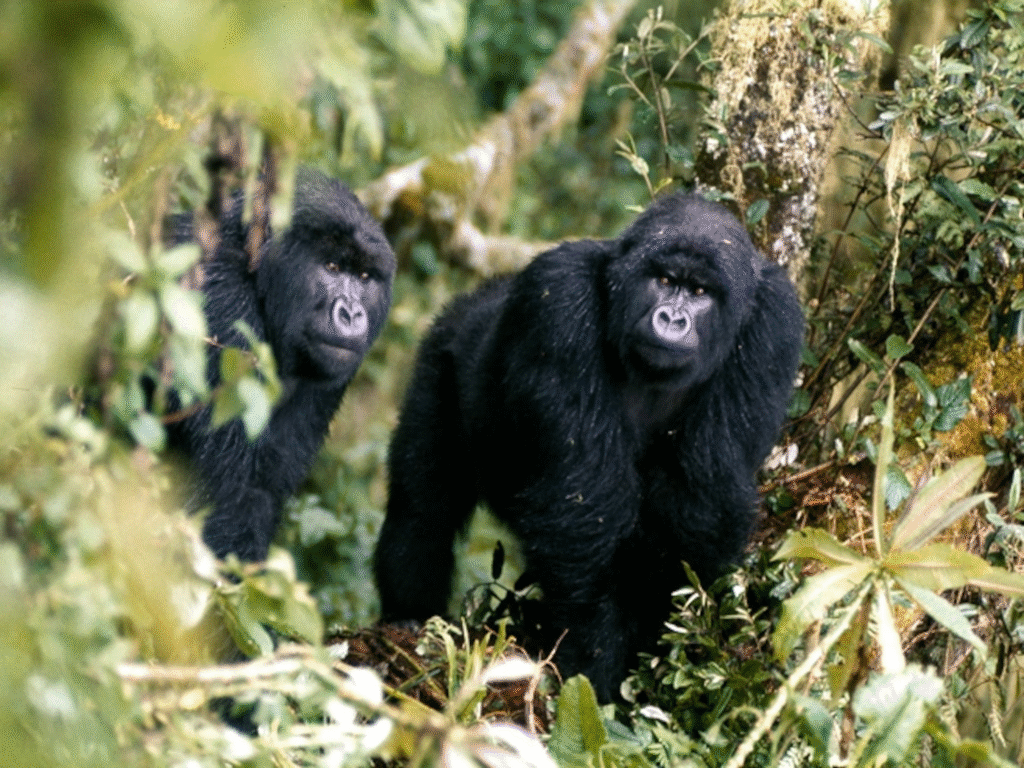
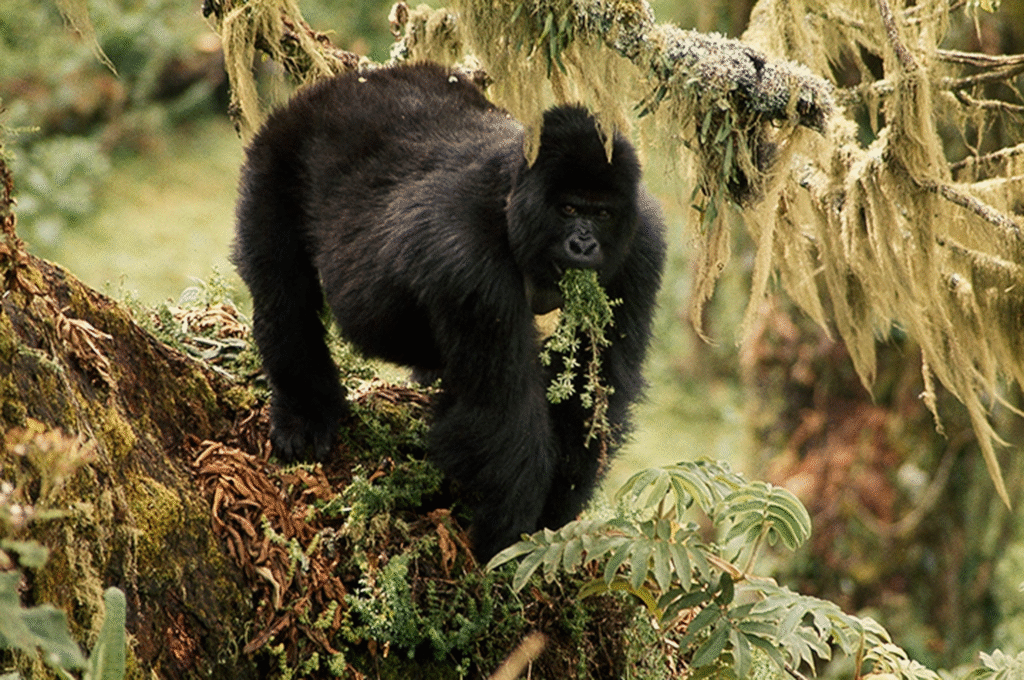
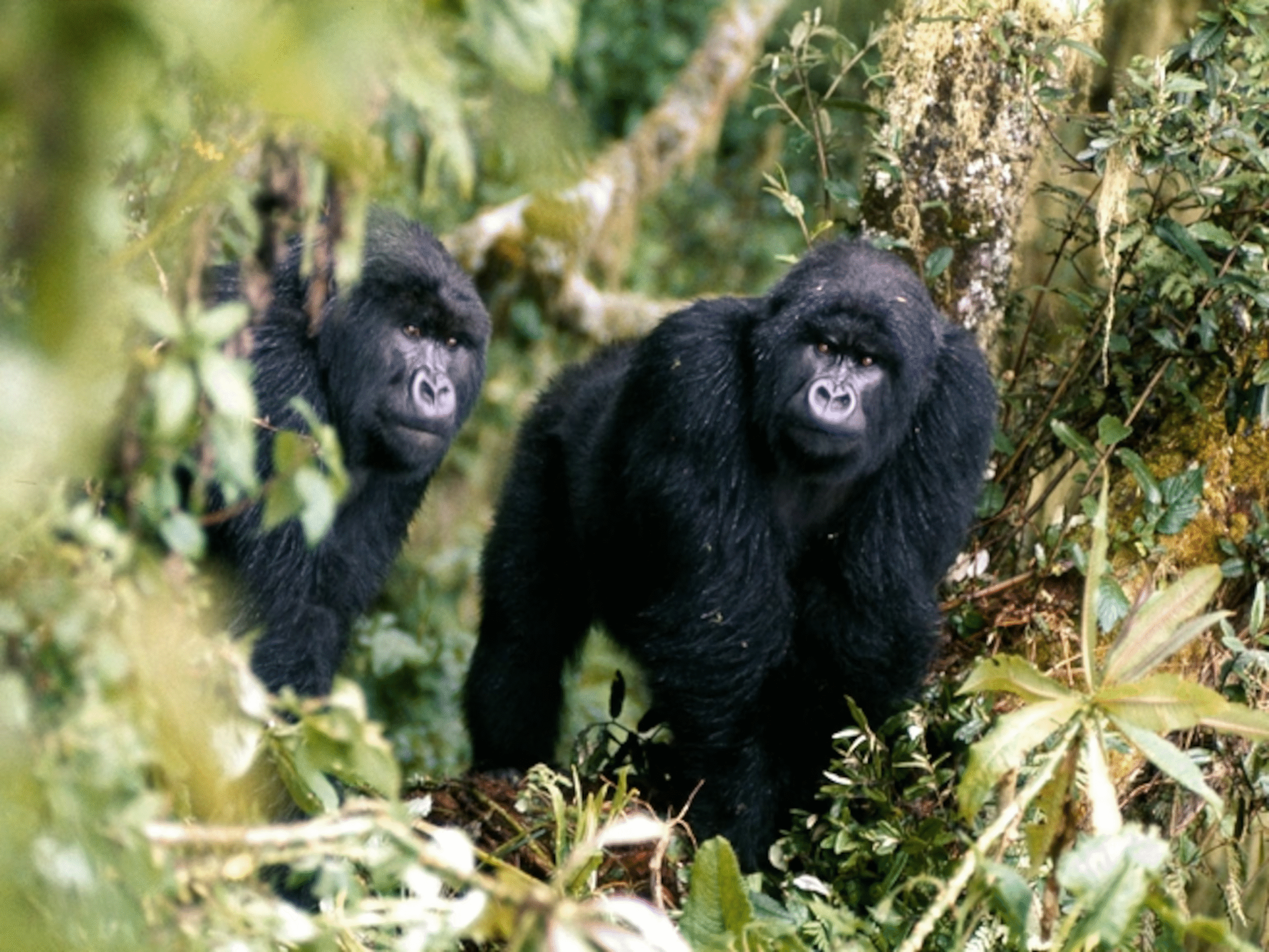
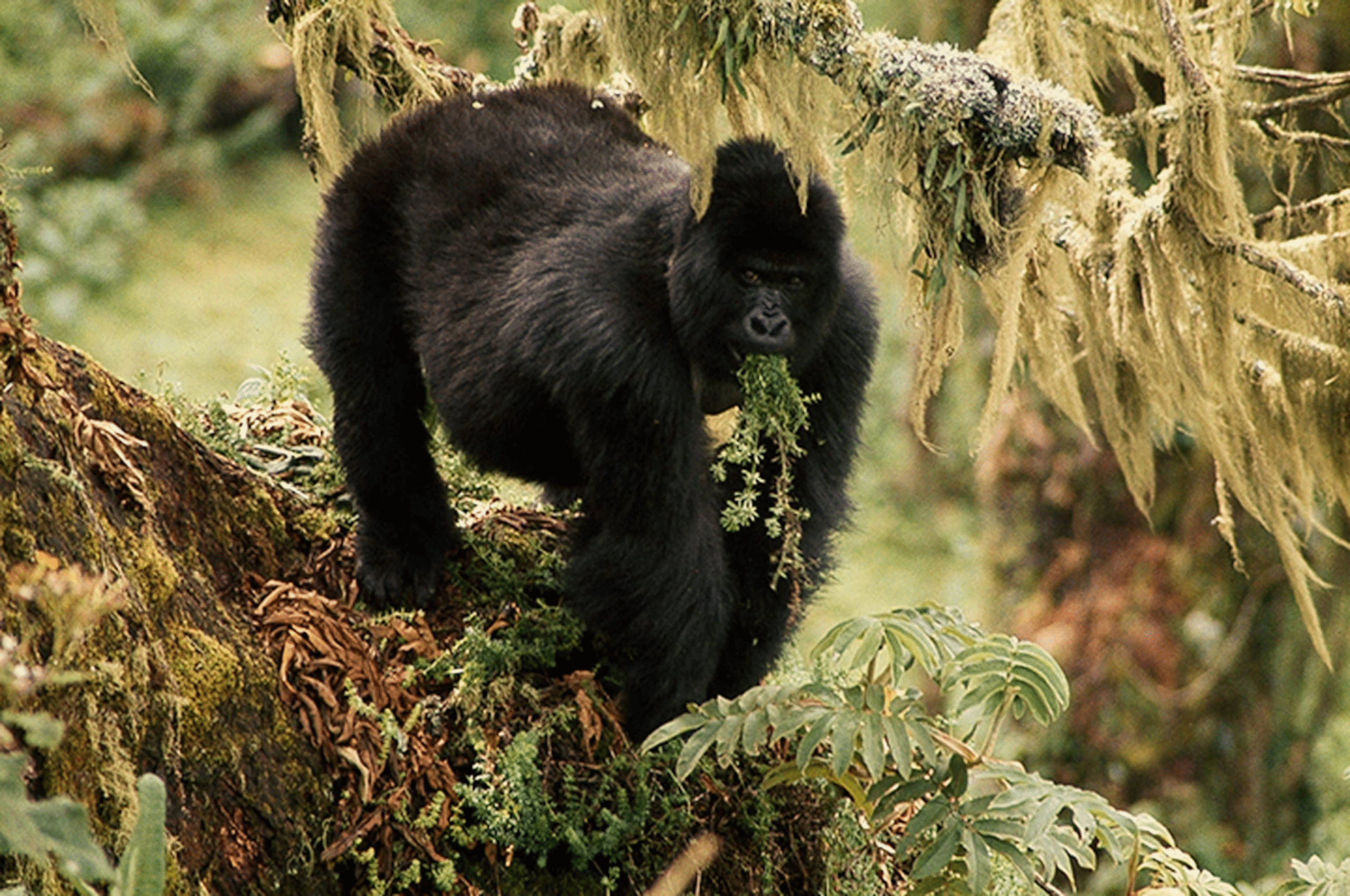
Im Reich der Riesen – Bwindi & Mgahinga in Frames.
Wandern Sie durch eine elegante Galerie, die Ugandas exklusivste Gorilla-Schutzgebiete zeigt, wo uralte Wälder die letzten Berggorillas in einer Welt voller Nebel, Geheimnisse und Majestät wiegen.

Wichtige Planungstipps für den Besuch der Nationalparks Ugandas.
Machen Sie sich bereit für das wilde Herz Afrikas mit Reisetipps von Experten, wann Sie einen Besuch abstatten, was Sie einpacken sollten, wohin Sie gehen und wie Sie Ihre Safari durch die atemberaubenden Nationalparks Ugandas optimal nutzen können.
Warum Uganda für Gorilla-Trekking?
Uganda is not just a destination — it's the very soul of gorilla trekking. With over half of the world’s remaining mountain gorillas calling its misty forests home, Uganda offers the rarest encounters in their most authentic setting. Here, your journey is not rushed or crowded. Instead, you’re guided by experienced rangers through pristine jungles where gorillas live as they always have — wild, free, and magnificent
From insider travel insights to unforgettable trekking guides, our blog is your trusted path into Uganda’s wild heart — connecting you with mountain gorillas, breathtaking landscapes, and the soul-stirring adventures that make this land unlike any other.