

Where the soul of the forest whispers in the mist
Safari clothing with sun protection is a critical component of field safety and comfort in Africa’s equatorial and semi-arid environments. Whether on game drives in Kidepo Valley National Park, boat safaris in Murchison Falls National Park, or walking safaris in Serengeti National Park, prolonged exposure to ultraviolet radiation, heat, and dust requires specialized apparel designed for performance and protection. Standard casual clothing is often insufficient for sustained outdoor activity under intense tropical sun.
Modern safari garments integrate UV-blocking fabrics, breathable textiles, and field-oriented design. High-quality safari wear incorporates Ultraviolet Protection Factor ratings, moisture-wicking properties, and neutral color palettes to blend with natural surroundings. These features collectively reduce sunburn risk, prevent overheating, and enhance mobility during extended outdoor excursions.
So lace up your boots, grab your camera, and prepare to meet the wild — this is where your gorilla trekking dreams and unforgettable safari adventures truly begin.
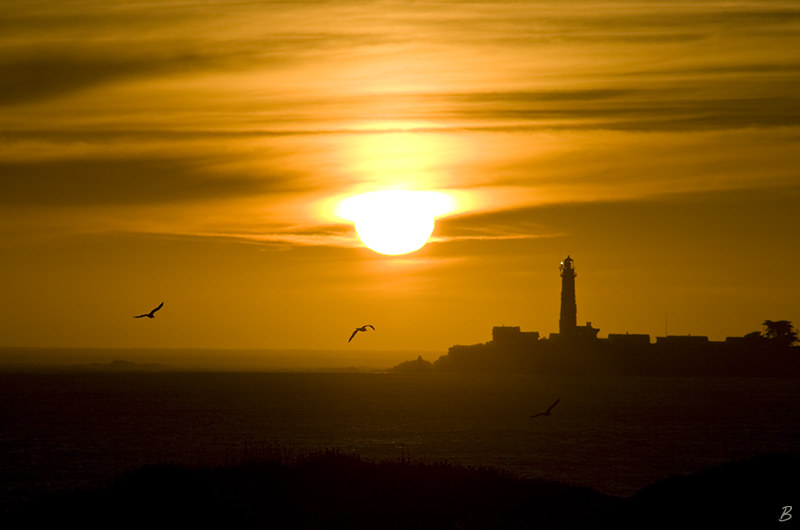
Truly Iconic Highlights in Uganda

Trek through Bwindi’s mystical rainforest and meet the endangered mountain gorillas in their breathtaking natural home.
Encounter mountain gorillas and golden monkeys on Mgahinga’s misty volcanic trails, where culture and alpine wildlife thrive together.
Unwind after your trek with a peaceful canoe ride across Lake Bunyonyi, Uganda’s most tranquil and scenic highland lake.
Enhance your gorilla trekking safari with an optional chimpanzee encounter in Uganda’s lush forests, adding depth and diversity to your primate adventure
Gorilla Trekking Tours in Uganda – Our Most Popular Itineraries.
Explore our gorilla trekking safaris for every traveler—solo, family, budget, or luxury. All tours include permits, transport, accommodation, meals, and park fees. Whether for a quick trip or a deeper adventure, we’ve got you covered.
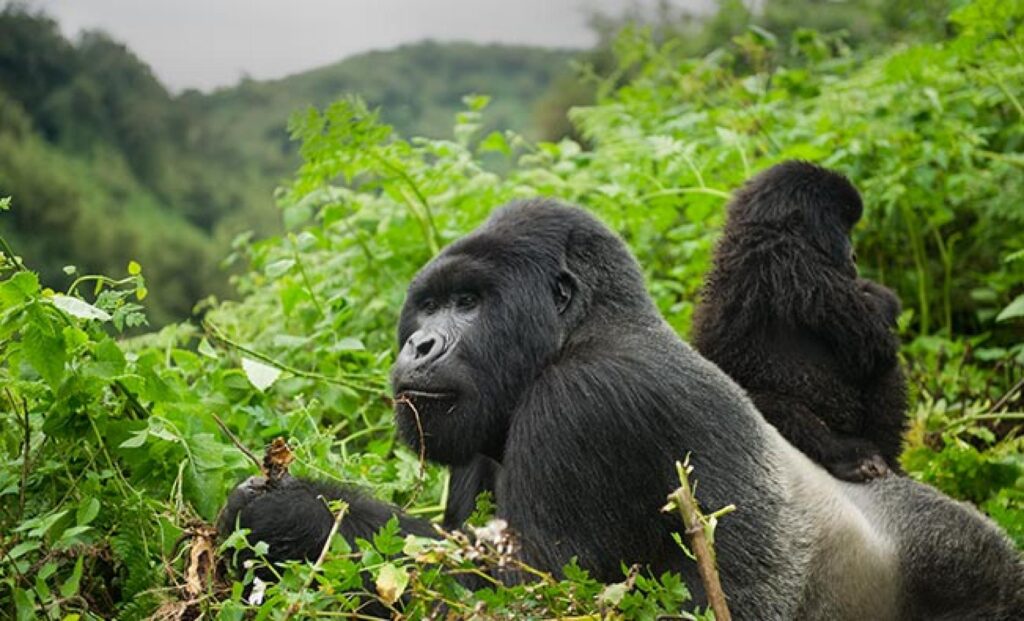
3-Day Bwindi Gorilla Trekking Safari
3-Day Bwindi Gorilla Trekking Safari
4-Day Uganda Gorilla Trekking Safari
4-Day Uganda Gorilla Trekking Safari
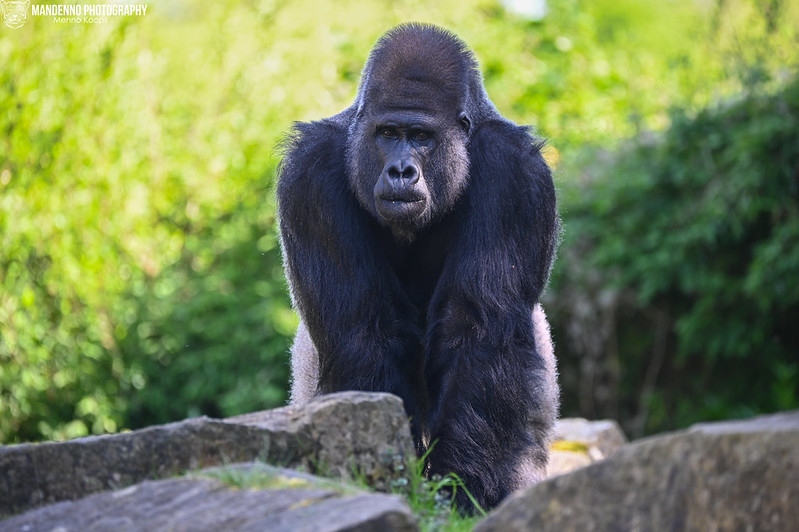
5-Day Gorilla Tracking and Wildlife Safari
5-Day Gorilla Tracking and Wildlife Safari
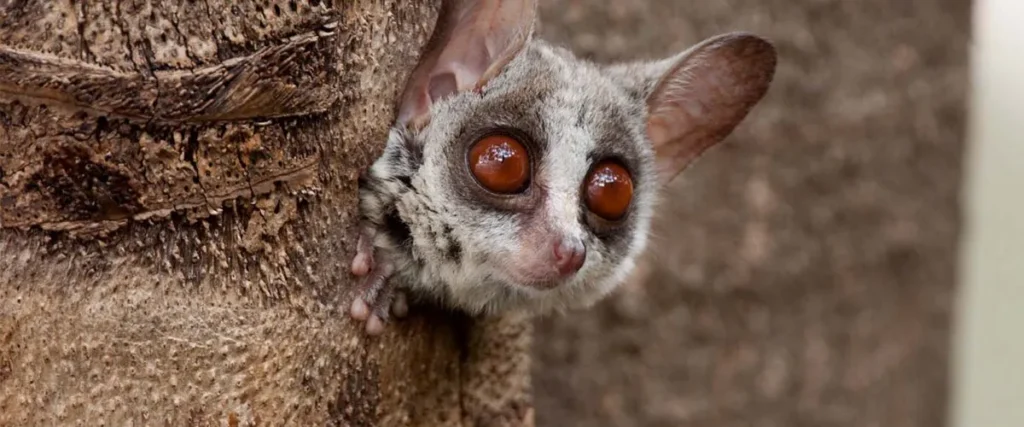
7-Day Uganda Primate Adventure & Wildlife Safari
7-Day Uganda Primate Adventure & Wildlife Safari
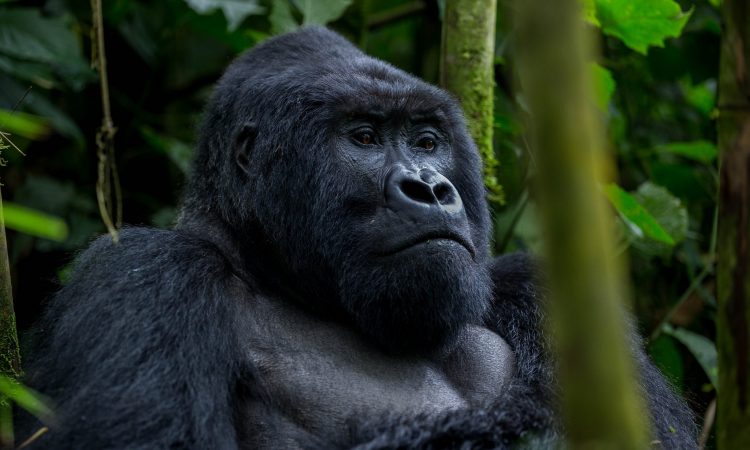
10-Day Gorilla Trekking & Big Five Safari in Uganda
10-Day Gorilla Trekking & Big Five Safari in Uganda
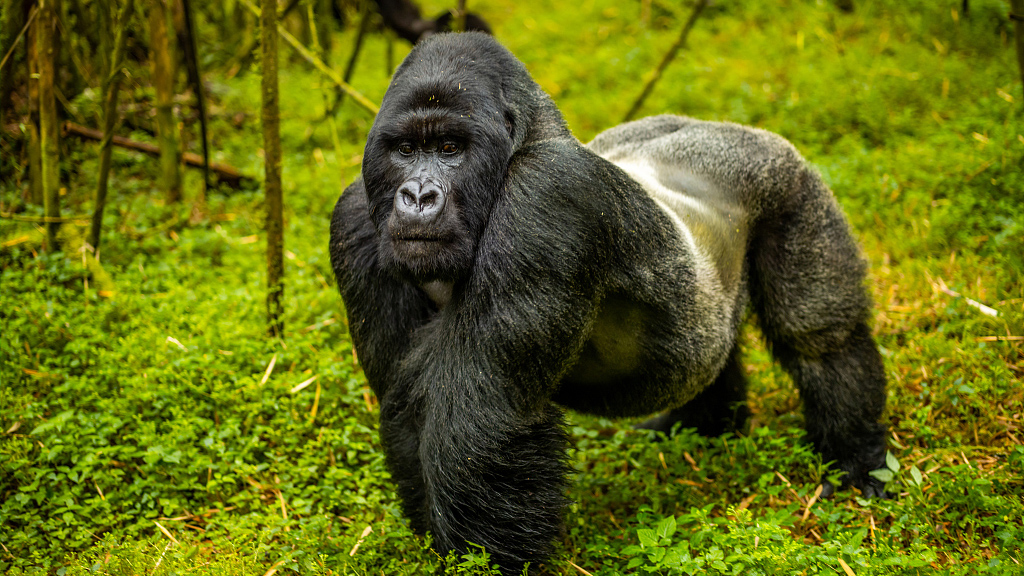
12-Day Uganda Gorilla Trekking, Chimp Tracking & Cultural Safari
12-Day Uganda Gorilla Trekking, Chimp Tracking & Cultural Safari
14-Day Best of Uganda Safari – Gorillas, Wildlife, Cultures
14-Day Best of Uganda Safari – Gorillas, Wildlife, Cultures
A Detailed Study of Safari Clothing With Sun Protection
Understanding Ultraviolet Protection in Safari Apparel
Ultraviolet radiation intensity is significantly higher in equatorial Africa than in temperate regions. Countries such as Uganda, Kenya, Rwanda, and Tanzania lie near the equator, where solar angles increase direct UV exposure. High-altitude parks such as Bwindi Impenetrable National Park further intensify UV levels due to reduced atmospheric filtration.UPF-rated fabrics provide measurable protection against harmful rays. A garment with UPF 50 blocks approximately 98 percent of ultraviolet radiation. Unlike standard cotton clothing, which may provide inconsistent protection when stretched or wet, technical safari fabrics maintain stable UV resistance under field conditions.
Fabric Technology and Breathability
Breathability is as important as UV protection in safari environments. Temperatures in open savannah parks such as Maasai Mara National Reserve frequently exceed 30°C during midday game drives. Lightweight, quick-drying fabrics facilitate evaporation and thermoregulation, preventing heat stress.Synthetic blends and performance cotton offer superior moisture management. Many safari shirts and trousers are constructed with ventilation panels, mesh-lined back flaps, and roll-up sleeves. These structural adaptations enhance airflow without compromising protection from direct sunlight.
Essential Safari Garments for Sun Protection
Long-sleeved shirts and convertible trousers form the foundation of protective safari attire. Full arm and leg coverage reduces UV exposure while also shielding against insects and thorny vegetation. Neutral tones such as khaki, olive, and beige minimize heat absorption and avoid attracting tsetse flies in certain regions.Wide-brimmed hats are indispensable in open savannah settings. A hat with a brim extending at least seven centimeters provides shade to the face, neck, and ears—areas particularly vulnerable to sunburn. Neck flaps or legionnaire-style caps are recommended for boat safaris or walking expeditions where shade is limited.Sunglasses with polarized lenses protect ocular health. Extended exposure to glare, particularly near water bodies or open plains, can strain vision. High-quality sunglasses with UV400 protection reduce long-term retinal damage risk and enhance visual clarity during wildlife observation.
Footwear and Lower Body Considerations
Breathable yet durable footwear supports long days in the field. Closed hiking shoes or lightweight safari boots protect feet from dust, uneven terrain, and solar radiation. In high-altitude forests such as Volcanoes National Park, additional waterproof properties may be necessary due to mist and undergrowth moisture.Socks with moisture-wicking fibers reduce heat-related discomfort. Proper lower-body layering prevents chafing and improves overall endurance during extended walking safaris or trekking activities.
Layering Strategies for Temperature Variability
Safari climates can fluctuate dramatically between morning and afternoon. Early game drives in regions such as Ngorongoro Conservation Area may begin with cool temperatures before transitioning to intense midday heat. Lightweight base layers combined with packable windbreakers allow flexible adaptation.Layering enhances both comfort and protection. Removable outer layers prevent overheating while preserving sun coverage. Technical fabrics that resist odor and dry rapidly are particularly advantageous for multi-day expeditions.
Additional Protective Accessories
Neck gaiters and lightweight scarves provide supplemental UV shielding. These accessories protect vulnerable skin areas and can double as dust filters during dry-season drives. Sunscreen remains necessary even when wearing protective clothing, particularly on exposed facial areas.Hydration complements protective clothing strategies. Sun-protective garments reduce direct exposure, but adequate water intake remains essential for preventing dehydration and heat exhaustion in tropical environments.
Why Proper Safari Clothing Enhances the Overall Experience
Appropriate sun-protective clothing directly influences safety, stamina, and enjoyment. Sunburn, heat fatigue, and dehydration can significantly diminish the safari experience. By contrast, well-designed apparel supports sustained focus during wildlife sightings, photography sessions, and walking explorations.Field-ready attire promotes operational efficiency during diverse safari activities. From tracking wildlife in the savannah to navigating forest trails, protective clothing enables travelers to move confidently and comfortably. In demanding environments such as Amboseli National Park, where open terrain offers minimal shade, UV-protective garments become indispensable.
Strategic Apparel for African Safari Conditions
Safari clothing with sun protection is not merely aesthetic; it is a functional necessity grounded in environmental realities. Equatorial UV intensity, high temperatures, and prolonged outdoor exposure require garments engineered for both protection and performance.Investing in quality safari apparel ensures resilience against Africa’s dynamic climates. With UPF-rated fabrics, breathable construction, and adaptive layering systems, travelers can focus fully on wildlife encounters and landscape immersion without compromising health or comfort. In the African wilderness, preparedness begins with what you wear.
More Gorilla Trekking Information to Know.
Gorilla trekking goes far beyond just the hike — it’s a deep, emotional journey into the heart of Africa’s last wild rainforests. Knowing the right timing, permits, fitness tips, and park details can turn your experience from good to unforgettable.
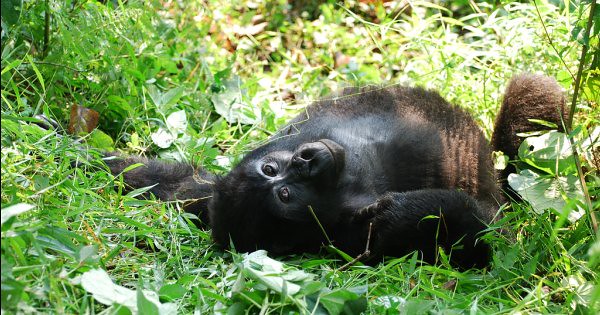
Gorilla Trekking in Bwindi Impenetrable Forest
Gorilla Trekking in Bwindi Impenetrable Forest
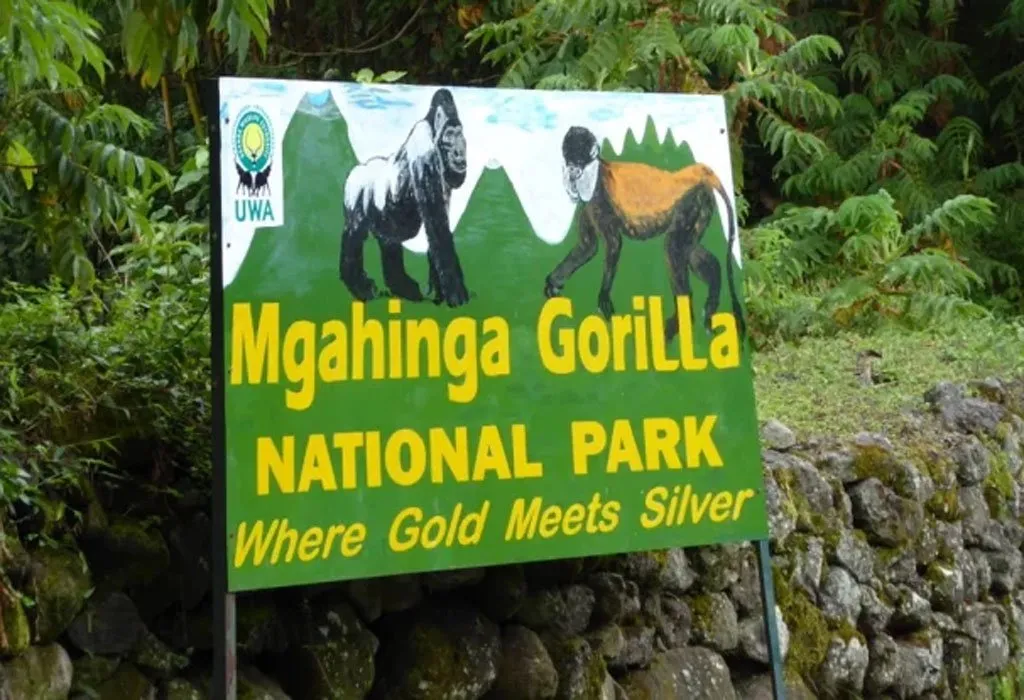
Trekking Gorillas in Mgahinga National Park
Trekking Gorillas in Mgahinga National Park
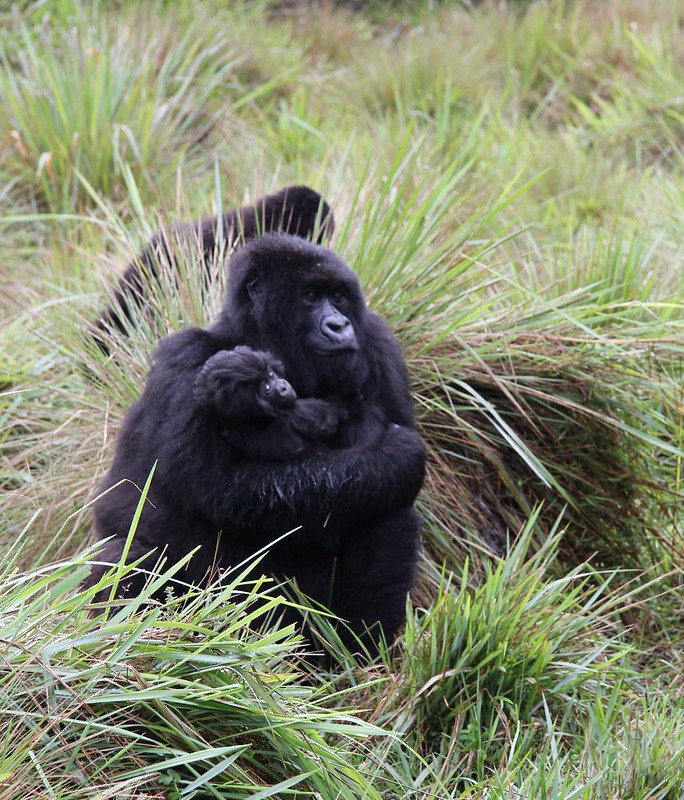
Uganda Gorilla Trekking Permits – Prices, Booking, & Travel Tips
Uganda Gorilla Trekking Permits – Prices, Booking, & Travel Tips
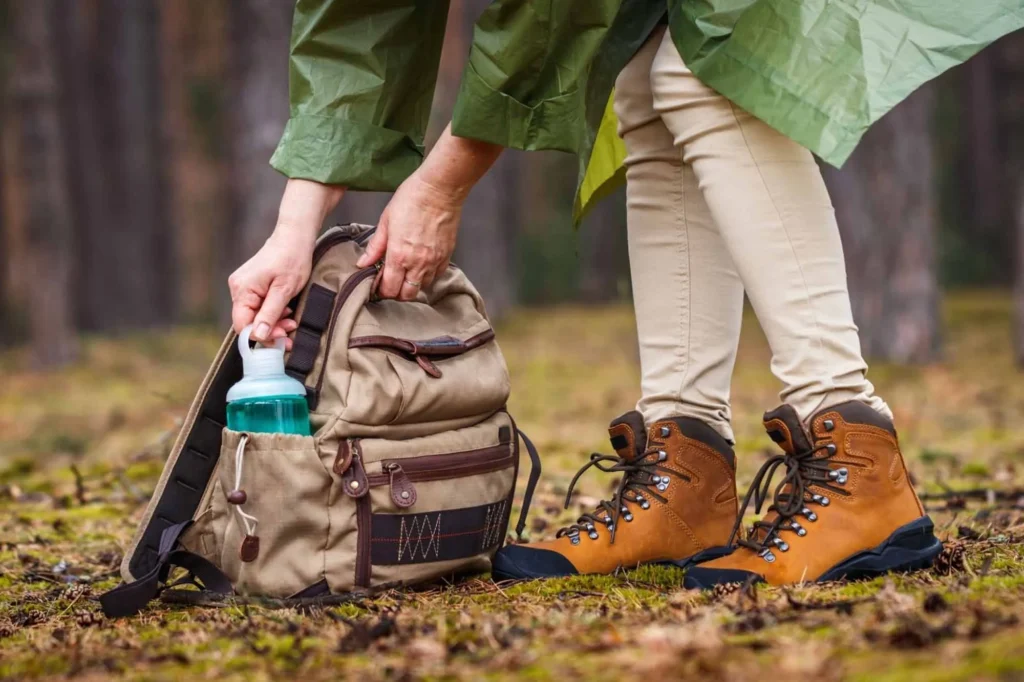
What to Pack for Gorilla Trekking in Uganda – Expert Checklist
What to Pack for Gorilla Trekking in Uganda – Expert Checklist
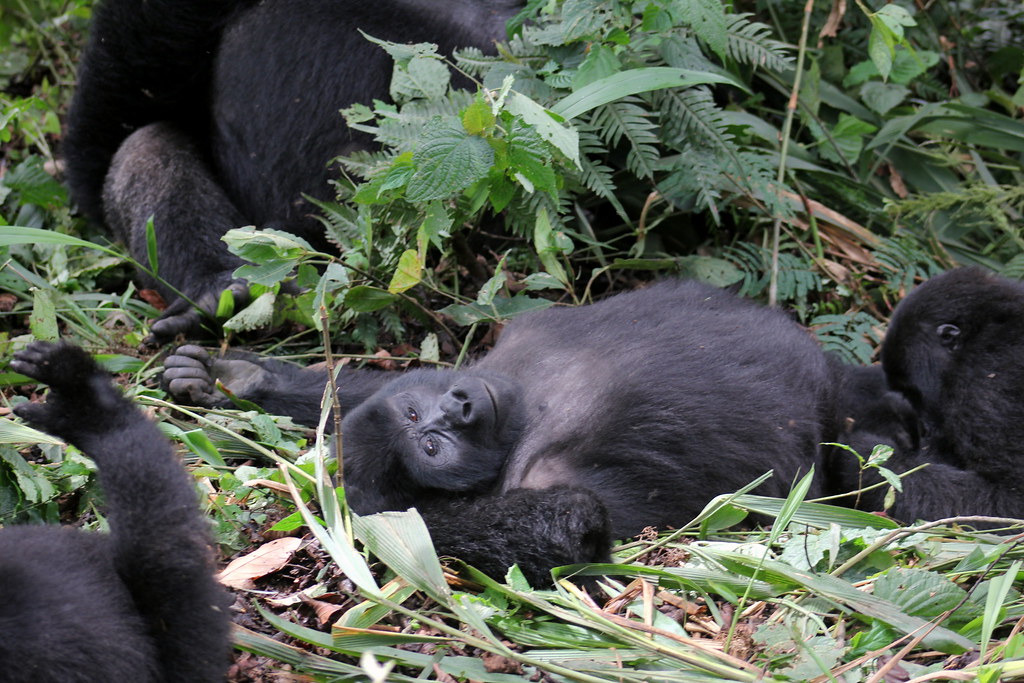
Best Time to Go Gorilla Trekking in Uganda – Weather & Seasons
Best Time to Go Gorilla Trekking in Uganda – Weather & Seasons
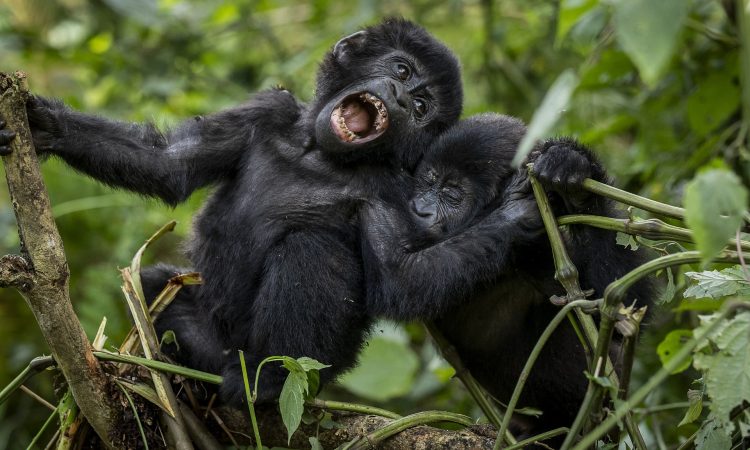
Gorilla Trekking Difficulty in Uganda – Fitness & Trail Guide
Gorilla Trekking Difficulty in Uganda – Fitness & Trail Guide
Gorilla Trekking Rules in Uganda – Safety, Respect & Ethics
Gorilla Trekking Rules in Uganda – Safety, Respect & Ethics
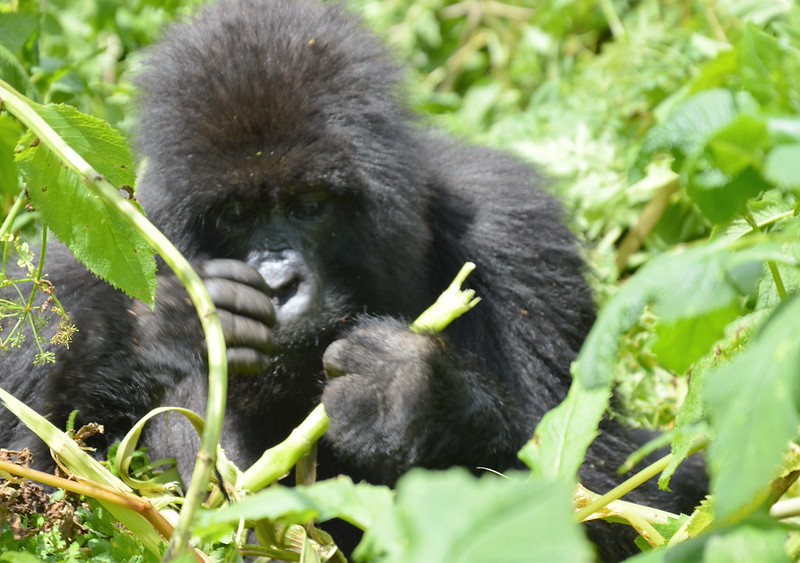
Gorilla Conservation in Uganda – Protecting the Mountain Giants
Gorilla Conservation in Uganda – Protecting the Mountain Giants
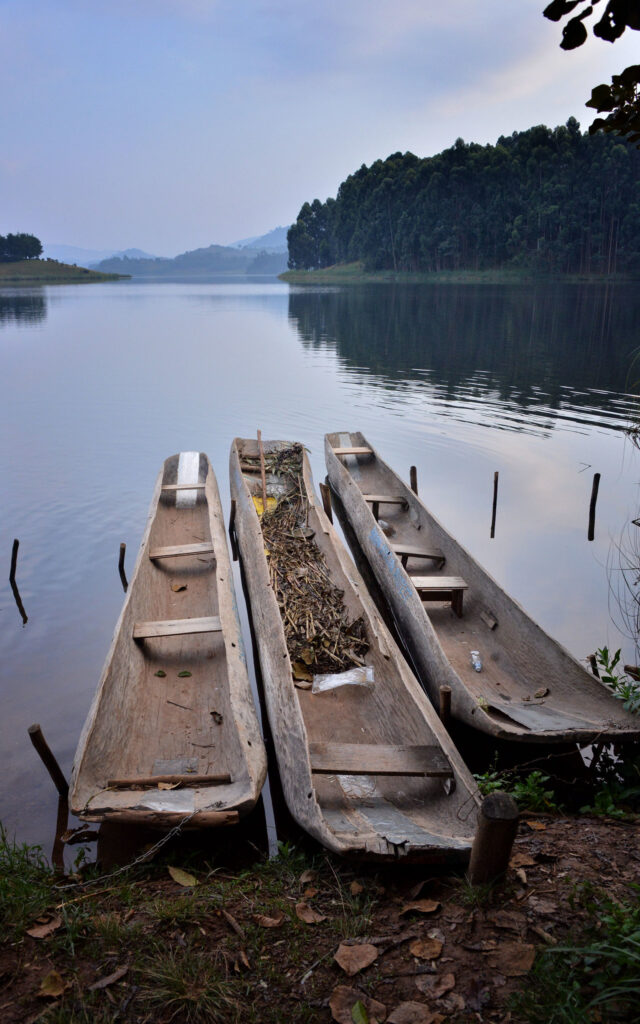
Bwindi vs. Mgahinga – Which One to Choose For Gorilla Trekking?
Bwindi vs. Mgahinga – Which One to Choose For Gorilla Trekking?
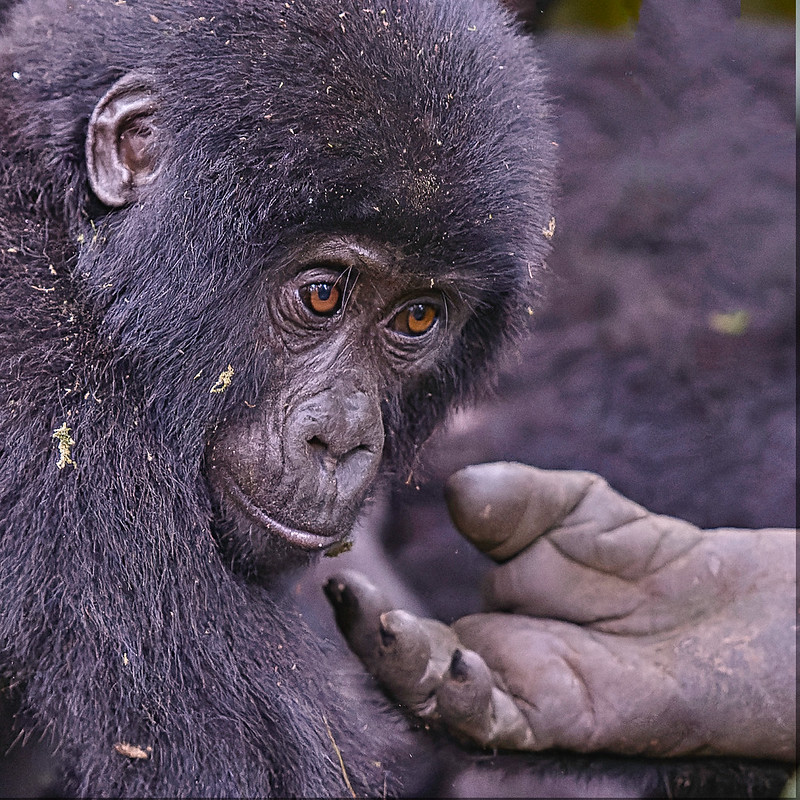
How to Stay Safe and Healthy While Traveling in Uganda
How to Stay Safe and Healthy While Traveling in Uganda
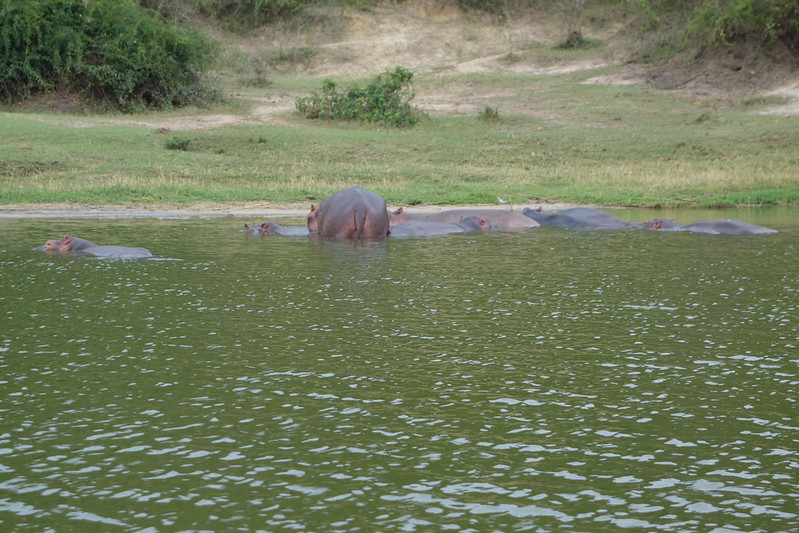
Routes, Tips & Travel Wisdom for Getting to Bwindi or Mgahinga
Routes, Tips & Travel Wisdom for Getting to Bwindi or Mgahinga
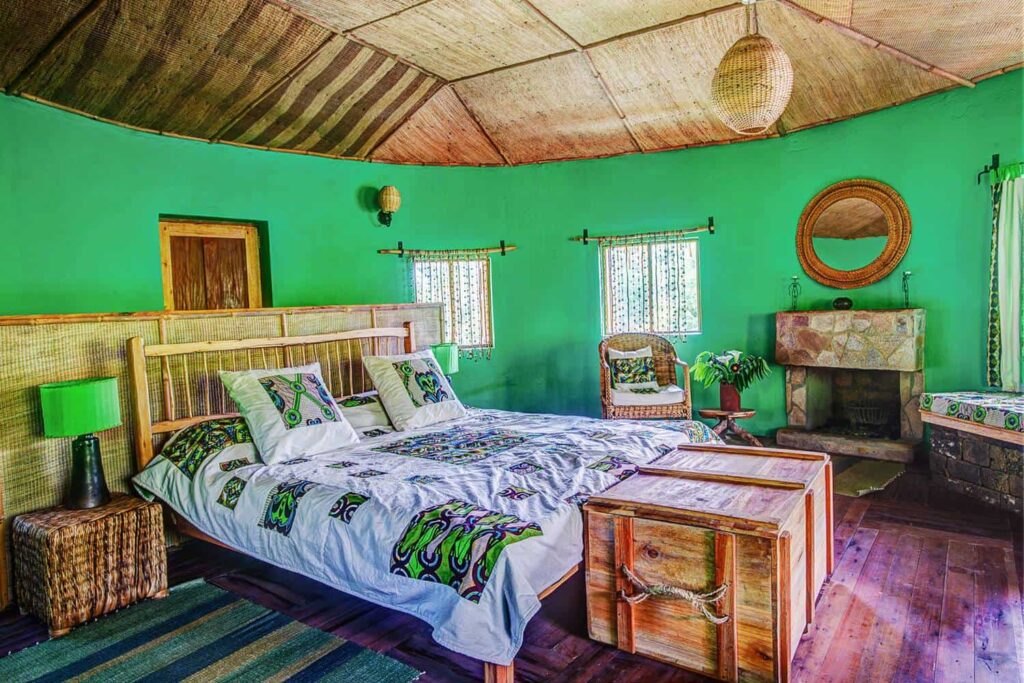
Accommodation Options: Lodges & Camps in Bwindi and Mgahinga
Accommodation Options: Lodges & Camps in Bwindi and Mgahinga
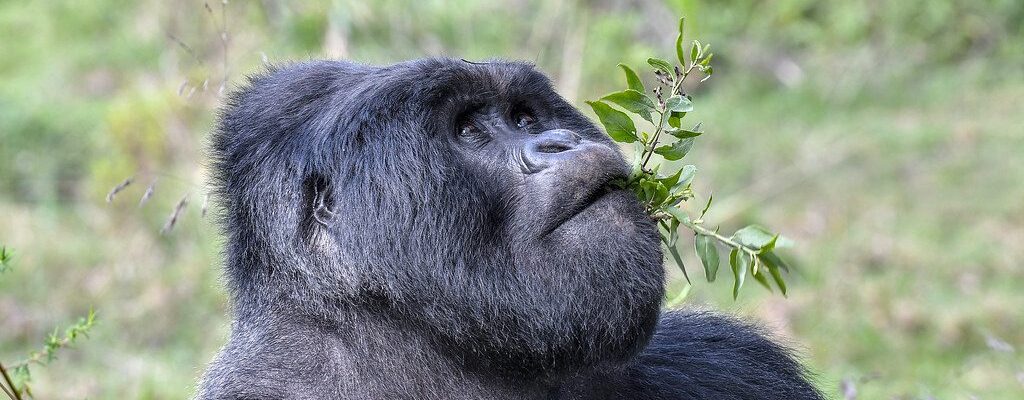
Protecting What You Came to See: Gorilla Conservation & Ethics
Protecting What You Came to See: Gorilla Conservation & Ethics
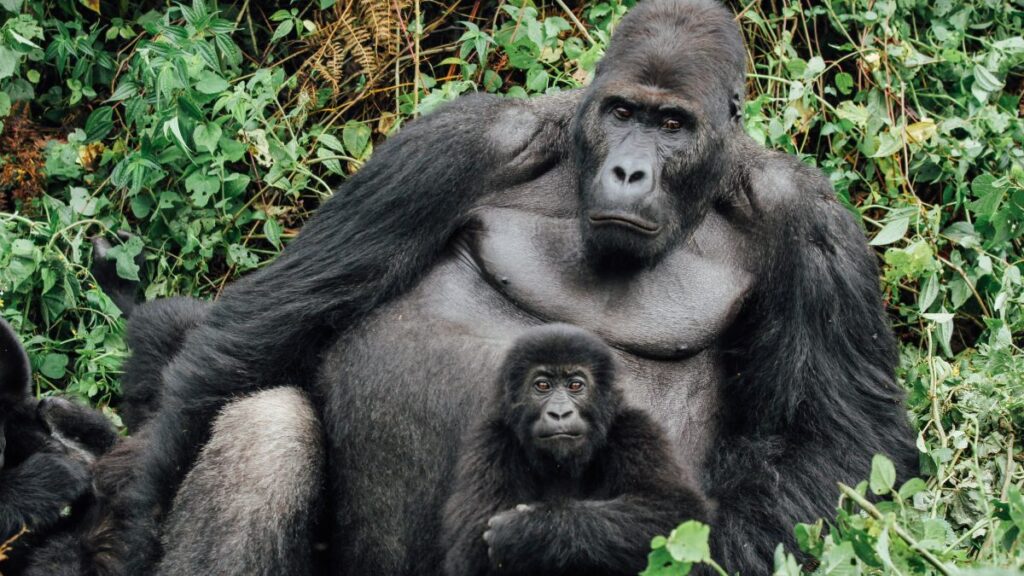
Travel Insurance for Gorilla Treks: Before You Go
Travel Insurance for Gorilla Treks: Before You Go
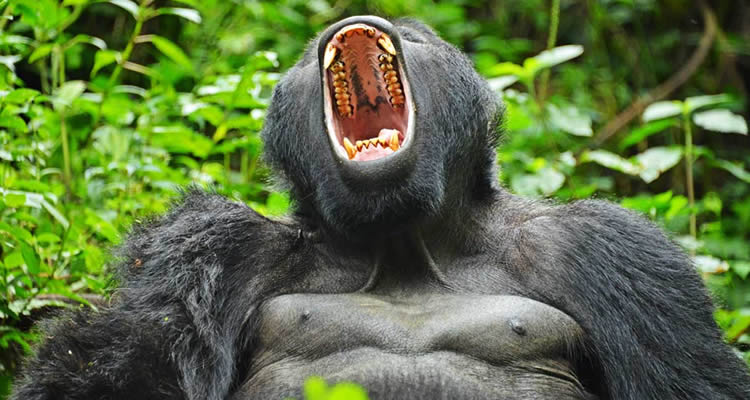
First Time Gorilla Trekking? Here’s Everything I Wish I Knew
First Time Gorilla Trekking? Here’s Everything I Wish I Knew
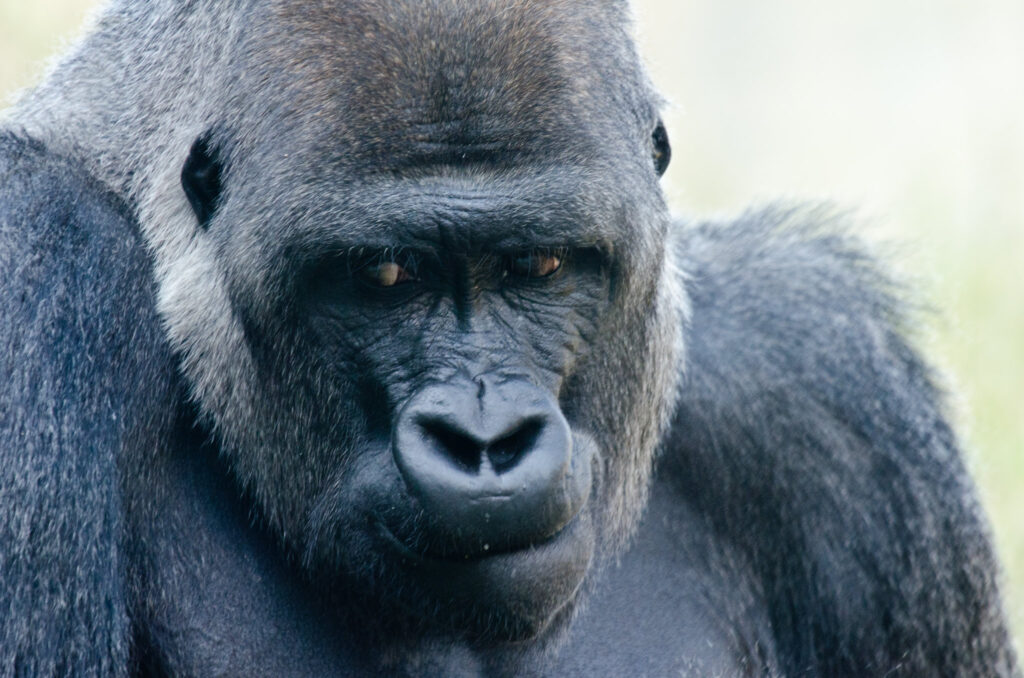
Step by Step: What Happens During a Gorilla Trekking Day
Step by Step: What Happens During a Gorilla Trekking Day
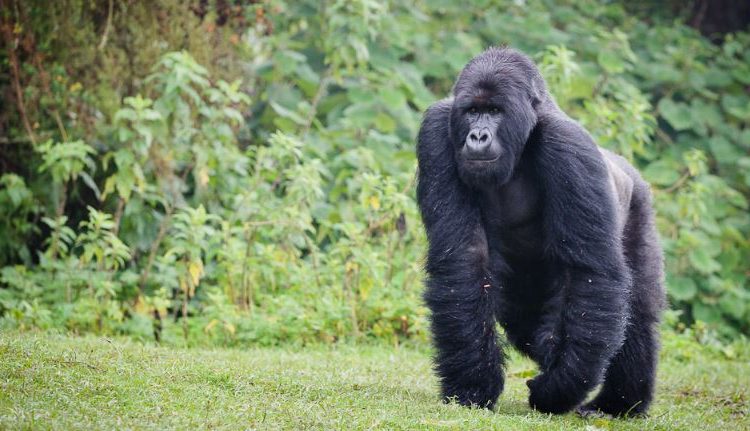
Gorilla Trekking vs. Gorilla Tracking – What’s the Real Difference?
Gorilla Trekking vs. Gorilla Tracking – What’s the Real Difference?
Beyond Gorillas: Other Wildlife You Can See During Your Trek
Beyond Gorillas: Other Wildlife You Can See During Your Trek
In the Realm of Giants – Bwindi & Mgahinga in Frames.
Wander through an elegant gallery capturing Uganda’s most exclusive gorilla sanctuaries, where ancient forests cradle the last mountain gorillas in a world of mist, mystery, and majesty.
Essential Planning Tips for Visiting Uganda’s National Parks.
Get ready for the wild heart of Africa with expert travel tips on when to visit, what to pack, where to go, and how to make the most of your safari across Uganda’s breathtaking national parks.
Why Uganda for Gorilla Trekking?
Uganda is not just a destination — it's the very soul of gorilla trekking. With over half of the world’s remaining mountain gorillas calling its misty forests home, Uganda offers the rarest encounters in their most authentic setting. Here, your journey is not rushed or crowded. Instead, you’re guided by experienced rangers through pristine jungles where gorillas live as they always have — wild, free, and magnificent
From insider travel insights to unforgettable trekking guides, our blog is your trusted path into Uganda’s wild heart — connecting you with mountain gorillas, breathtaking landscapes, and the soul-stirring adventures that make this land unlike any other.