

Where the soul of the forest whispers in the mist
Gorilla trekking in Equatorial Guinea isn’t currently like the organised gorilla tourism you find in Uganda, Rwanda, or the Republic of Congo. Instead, the country is home to wild populations of western lowland gorillas (Gorilla gorilla gorilla), particularly in its mainland rainforest areas such as Monte Alén National Park and Rio Campo Nature Reserve. These populations have been confirmed by camera trap studies, though they remain rare, largely unhabituated, and face ongoing threats from hunting and habitat loss.
Equatorial Guinea’s dense forests and challenging terrain mean that gorilla localisation and viewing are not structured around formal trekking permits and habituated groups like in eastern and central Africa. Instead, any gorilla encounters tend to be part of adventure-oriented, off-grid wildlife expeditions that focus on lowland gorillas in remote rainforest settings.
So lace up your boots, grab your camera, and prepare to meet the wild — this is where your gorilla trekking dreams and unforgettable safari adventures truly begin.
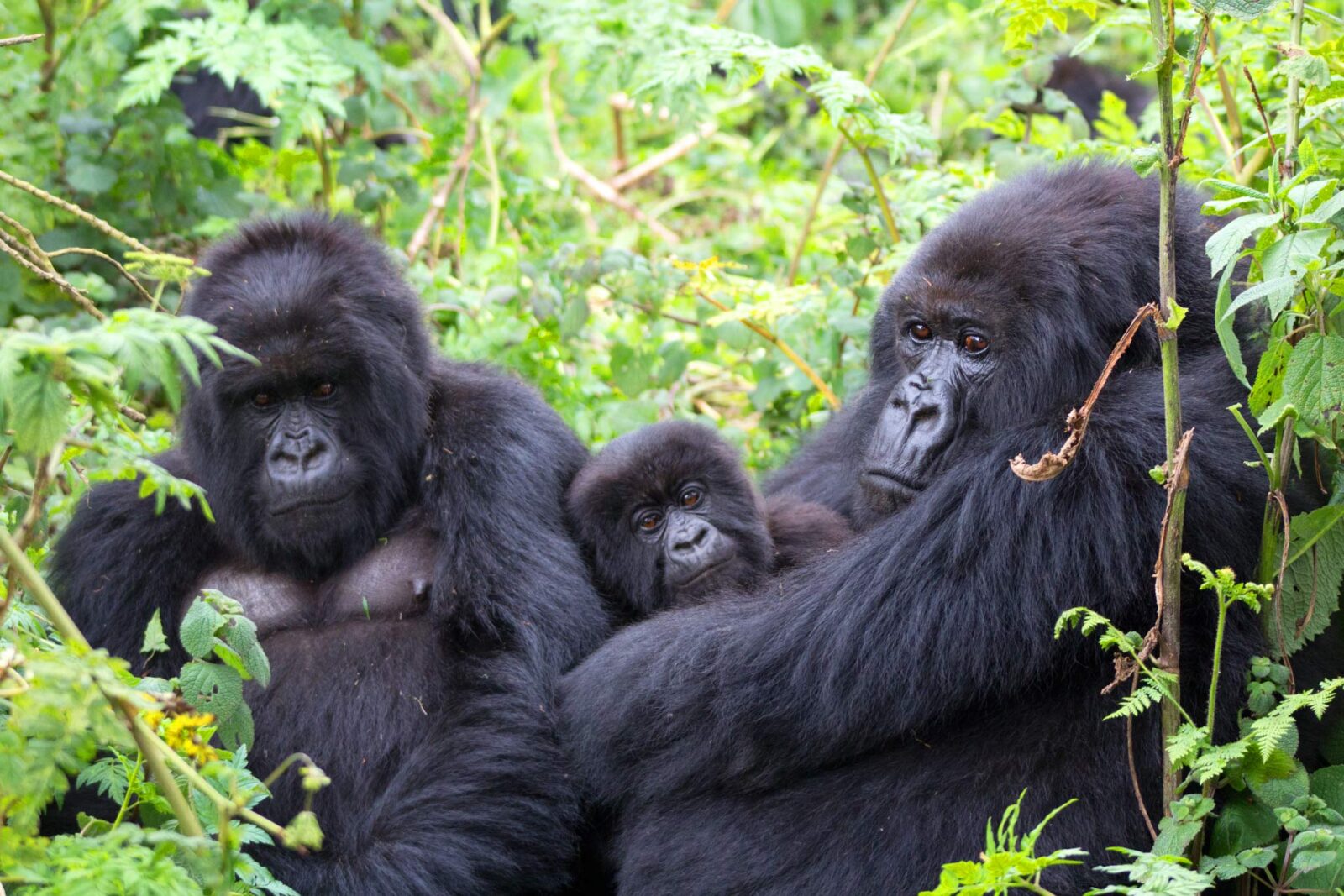
Truly Iconic Highlights in Uganda

Trek through Bwindi’s mystical rainforest and meet the endangered mountain gorillas in their breathtaking natural home.
Encounter mountain gorillas and golden monkeys on Mgahinga’s misty volcanic trails, where culture and alpine wildlife thrive together.
Unwind after your trek with a peaceful canoe ride across Lake Bunyonyi, Uganda’s most tranquil and scenic highland lake.
Enhance your gorilla trekking safari with an optional chimpanzee encounter in Uganda’s lush forests, adding depth and diversity to your primate adventure
Gorilla Trekking Tours in Uganda – Our Most Popular Itineraries.
Explore our gorilla trekking safaris for every traveler—solo, family, budget, or luxury. All tours include permits, transport, accommodation, meals, and park fees. Whether for a quick trip or a deeper adventure, we’ve got you covered.
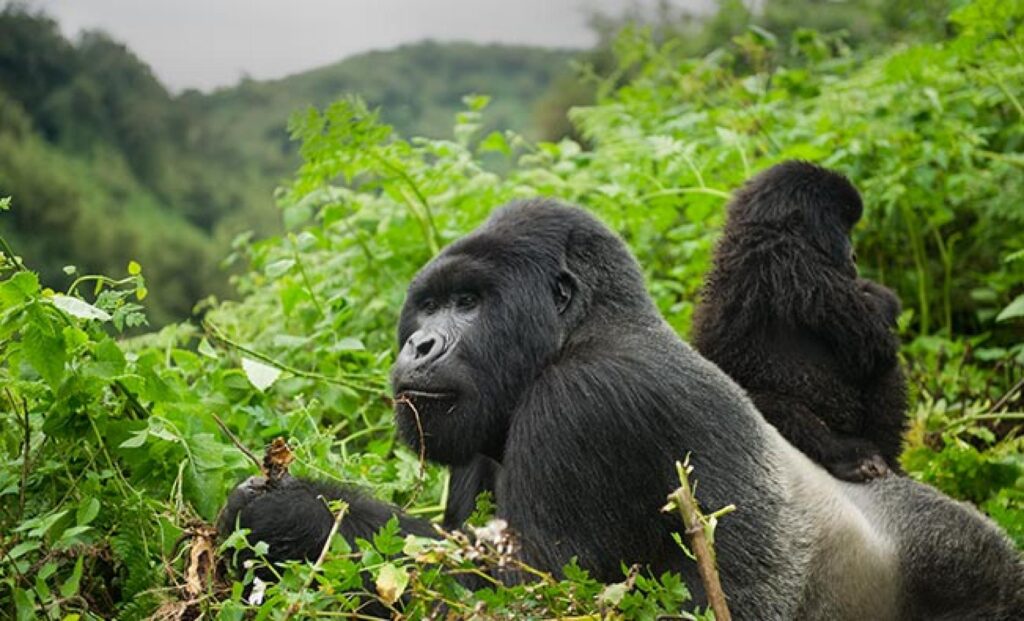
3-Day Bwindi Gorilla Trekking Safari
3-Day Bwindi Gorilla Trekking Safari
4-Day Uganda Gorilla Trekking Safari
4-Day Uganda Gorilla Trekking Safari
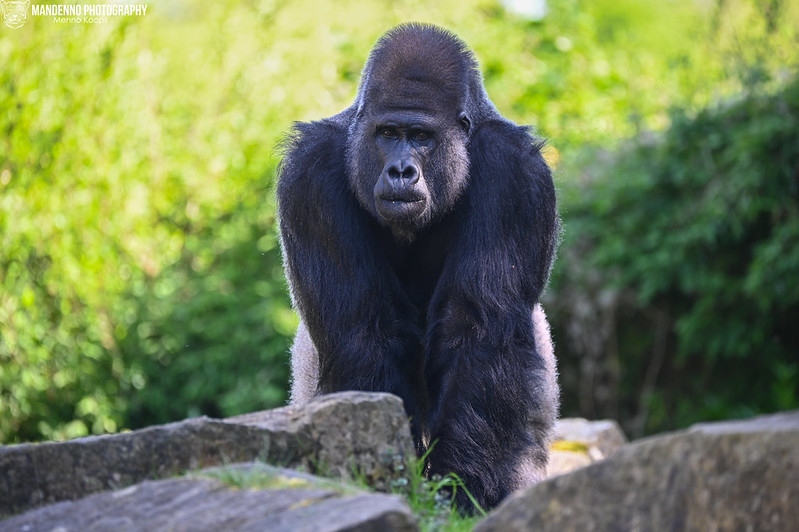
5-Day Gorilla Tracking and Wildlife Safari
5-Day Gorilla Tracking and Wildlife Safari
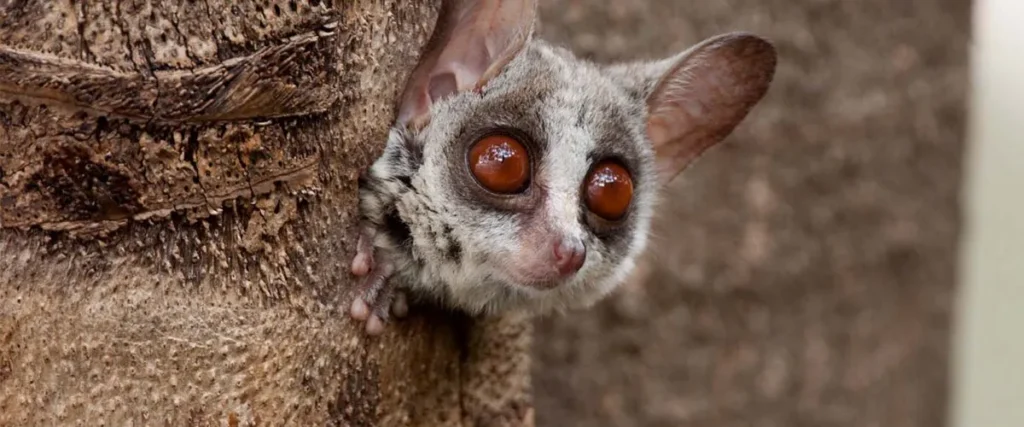
7-Day Uganda Primate Adventure & Wildlife Safari
7-Day Uganda Primate Adventure & Wildlife Safari
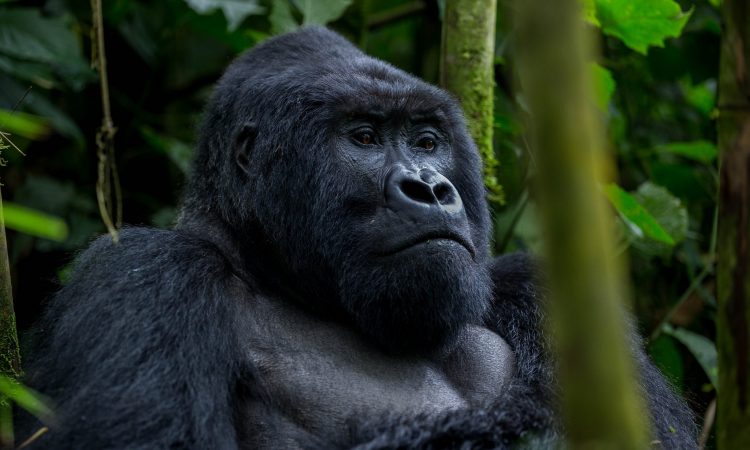
10-Day Gorilla Trekking & Big Five Safari in Uganda
10-Day Gorilla Trekking & Big Five Safari in Uganda
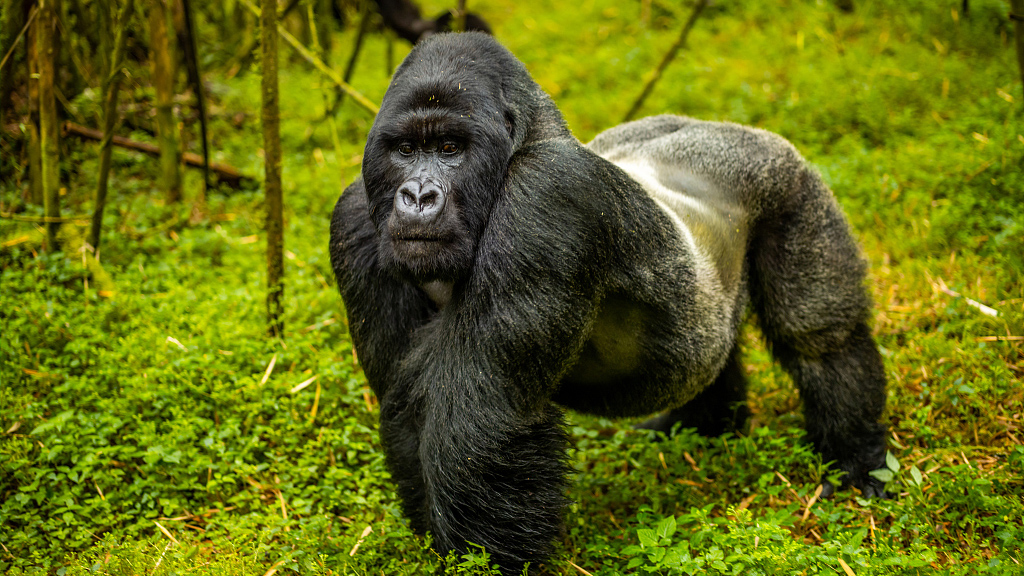
12-Day Uganda Gorilla Trekking, Chimp Tracking & Cultural Safari
12-Day Uganda Gorilla Trekking, Chimp Tracking & Cultural Safari
14-Day Best of Uganda Safari – Gorillas, Wildlife, Cultures
14-Day Best of Uganda Safari – Gorillas, Wildlife, Cultures
A Detailed Study of Gorilla Trekking (or Gorilla Viewing) in Equatorial Guinea
Geographical Location and Habitat
Western lowland gorillas in Equatorial Guinea inhabit dense tropical rainforests, swampy areas, and steep hilly terrain. Monte Alén National Park spans thousands of square kilometers of forest, providing suitable food sources, water, and shelter for gorilla groups. Similarly, Rio Campo Nature Reserve hosts populations of gorillas that are confirmed by camera trap studies.These habitats are remote and difficult to traverse, with limited infrastructure and long trekking routes through thick vegetation. Unlike the habituated gorillas of East Africa, these animals remain unaccustomed to humans, emphasizing the wild and unpredictable nature of any encounter. The region’s terrain and vegetation create a unique challenge for visitors, ensuring that each expedition is an authentic adventure into untouched rainforest.
Gorilla Behavior and Ecology
Western lowland gorillas in Equatorial Guinea display behaviors typical of their species. They live in social groups consisting of one dominant male, several females, and their offspring. Their diet includes fruits, leaves, stems, and occasionally small insects. These gorillas move through dense forest vegetation, often avoiding open areas, which makes sightings rare and unpredictable.Because these gorillas are unhabituated, they are extremely cautious and tend to retreat at the first sign of human presence. Observing them requires skilled local guides, extensive patience, and intimate knowledge of their feeding and nesting patterns. Tracking these gorillas in their natural habitat offers an insight into their social structures, foraging behavior, and adaptive strategies within one of Africa’s most complex rainforest ecosystems.
Trekking Experience and Logistics
Gorilla trekking in Equatorial Guinea is fundamentally different from East African experiences. There are no formal permits issued specifically for gorilla viewing, although entry into protected areas such as Monte Alén or Rio Campo requires permission from national authorities. Treks are often long, challenging, and can span multiple days, making them suitable for experienced adventure travelers seeking a true wilderness experience.Wildlife excursions are organized by specialized tour operators who provide guides, transportation, lodging, and local expertise. Because gorilla populations are unhabituated, sightings are rare and never guaranteed. Each encounter is therefore unique, emphasizing the unpredictability and raw beauty of exploring Equatorial Guinea’s remote rainforests.
Conservation Context and Challenges
Gorilla populations in Equatorial Guinea face multiple threats, including habitat loss caused by logging and agricultural expansion, hunting and the bushmeat trade, and forest fragmentation, which reduces access to food and limits genetic diversity. Protected areas such as Monte Alén and Rio Campo implement anti-poaching patrols, habitat monitoring, and ecological surveys. Despite these efforts, enforcement remains limited compared to countries with established tourism programs. Camera trap surveys have confirmed the continued presence of gorillas, but populations remain small, isolated, and vulnerable, highlighting the importance of conservation and responsible expedition practices.
Visitor Experience and Adventure Value
Travelers seeking gorilla encounters in Equatorial Guinea can expect remote, off-the-grid forest exploration, often through challenging terrain and dense vegetation. Specialist-guided treks provide expert trackers who can interpret gorilla signs and behavior. Alongside gorillas, expeditions often encounter other rare wildlife such as chimpanzees, forest elephants, and unique bird species, making the experience a comprehensive rainforest adventure.This form of gorilla trekking emphasizes authenticity, ecological awareness, and immersion in the natural environment. It attracts adventurers, researchers, and wildlife enthusiasts who are drawn to the unpredictability and raw beauty of observing western lowland gorillas in unspoiled habitats.
Ecological and Conservation Significance
Western lowland gorillas play a critical role in Equatorial Guinea’s forest ecosystems. They contribute to seed dispersal and the overall health of the forest. Their presence indicates relatively intact habitats and serves as a key indicator of ecosystem integrity. Protecting gorillas in these remote areas also supports broader biodiversity conservation, helping safeguard other threatened species and critical wetland and forest ecosystems.Wild gorilla encounters provide an avenue for raising awareness and encouraging conservation action. Responsible ecotourism can generate revenue for local communities while reinforcing the importance of protecting these fragile habitats for future generations.
A Unique Gorilla Adventure
Gorilla trekking in Equatorial Guinea represents a rare and immersive journey into some of Africa’s last unspoiled rainforests. Unlike habituated gorilla experiences in Uganda and Rwanda, encounters here are unpredictable, requiring patience, expertise, and a spirit of adventure. Monte Alén National Park and Rio Campo Nature Reserve offer the chance to witness western lowland gorillas in their natural, unhabituated habitats, alongside other rare and iconic wildlife.This form of gorilla trekking emphasizes authenticity, ecological awareness, and adventure, providing travelers with a distinctive, memorable, and deeply rewarding wildlife experience. The journey highlights the challenges of conservation in remote forests while offering the opportunity to connect with some of Africa’s most elusive and extraordinary primates.
More Gorilla Trekking Information to Know.
Gorilla trekking goes far beyond just the hike — it’s a deep, emotional journey into the heart of Africa’s last wild rainforests. Knowing the right timing, permits, fitness tips, and park details can turn your experience from good to unforgettable.
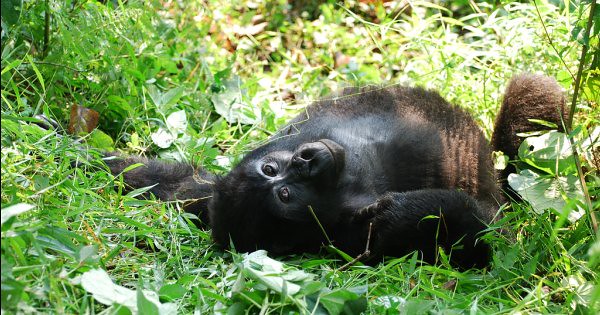
Gorilla Trekking in Bwindi Impenetrable Forest
Gorilla Trekking in Bwindi Impenetrable Forest
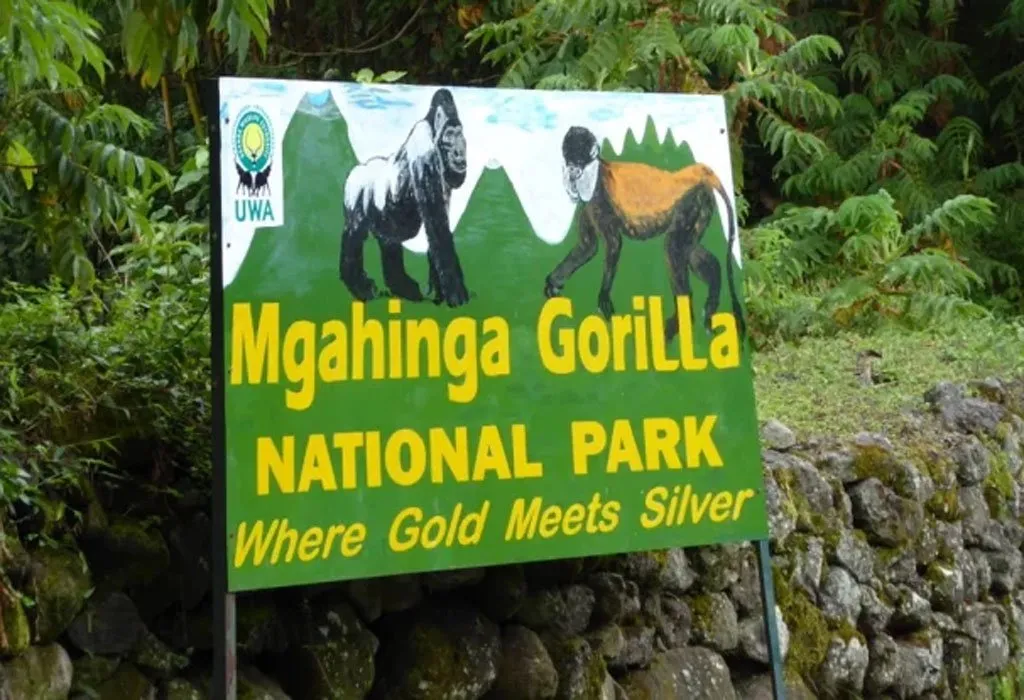
Trekking Gorillas in Mgahinga National Park
Trekking Gorillas in Mgahinga National Park
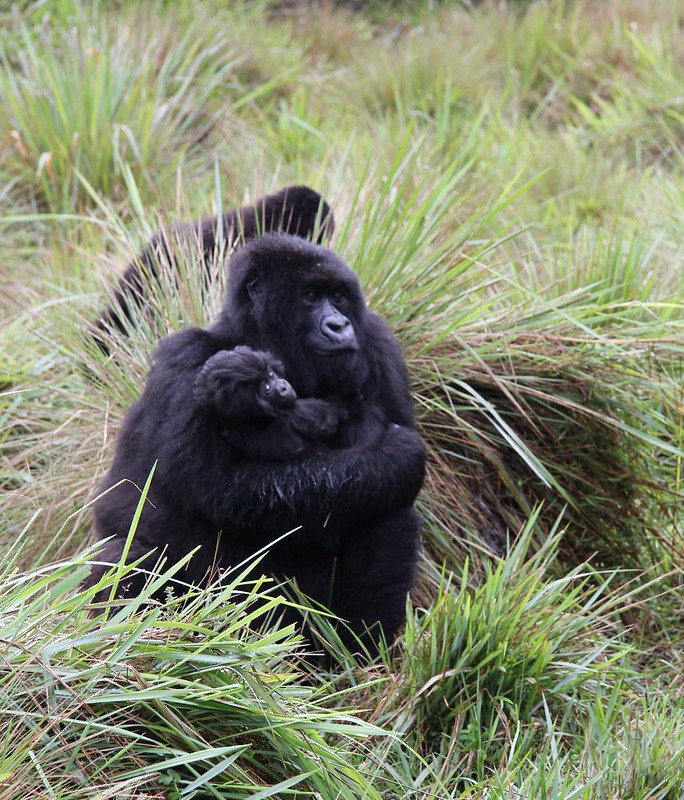
Uganda Gorilla Trekking Permits – Prices, Booking, & Travel Tips
Uganda Gorilla Trekking Permits – Prices, Booking, & Travel Tips

What to Pack for Gorilla Trekking in Uganda – Expert Checklist
What to Pack for Gorilla Trekking in Uganda – Expert Checklist
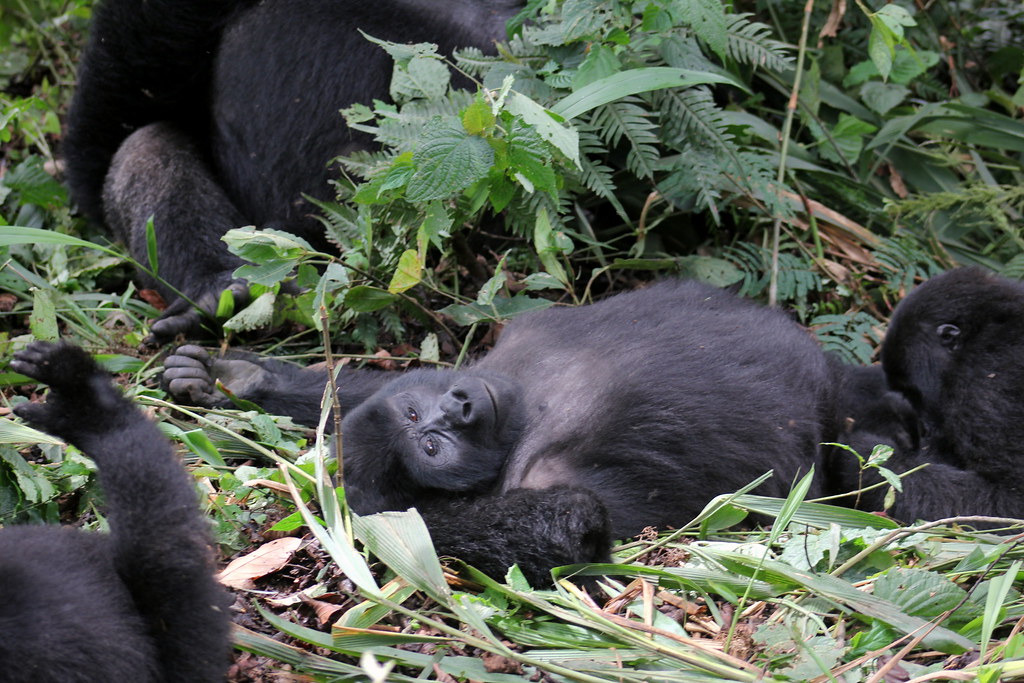
Best Time to Go Gorilla Trekking in Uganda – Weather & Seasons
Best Time to Go Gorilla Trekking in Uganda – Weather & Seasons
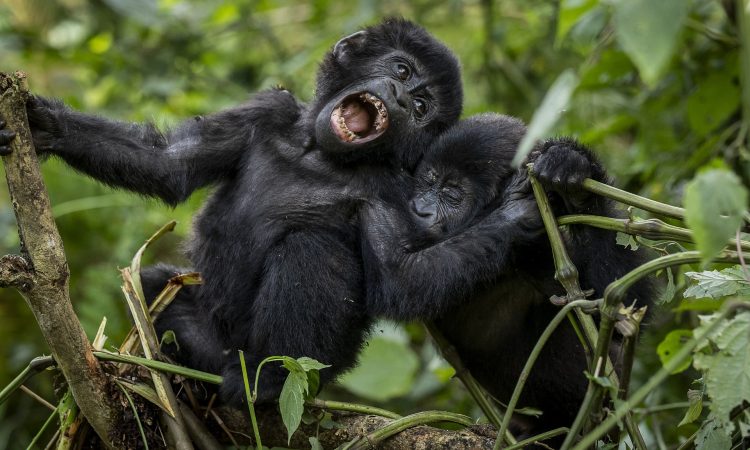
Gorilla Trekking Difficulty in Uganda – Fitness & Trail Guide
Gorilla Trekking Difficulty in Uganda – Fitness & Trail Guide
Gorilla Trekking Rules in Uganda – Safety, Respect & Ethics
Gorilla Trekking Rules in Uganda – Safety, Respect & Ethics
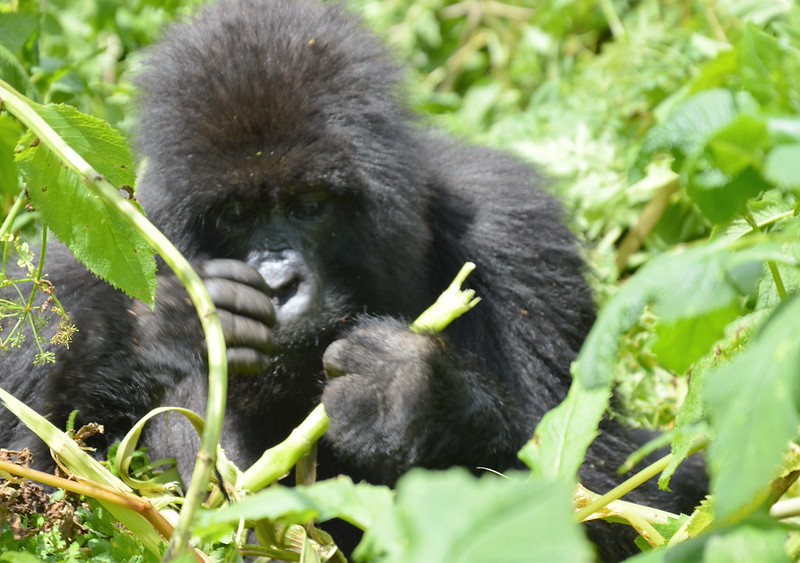
Gorilla Conservation in Uganda – Protecting the Mountain Giants
Gorilla Conservation in Uganda – Protecting the Mountain Giants
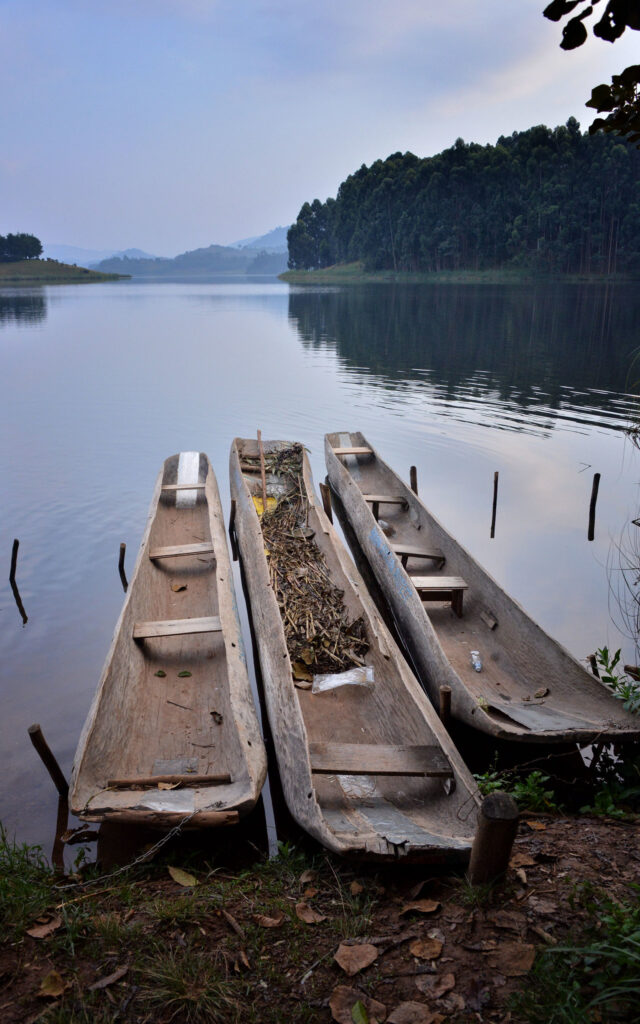
Bwindi vs. Mgahinga – Which One to Choose For Gorilla Trekking?
Bwindi vs. Mgahinga – Which One to Choose For Gorilla Trekking?
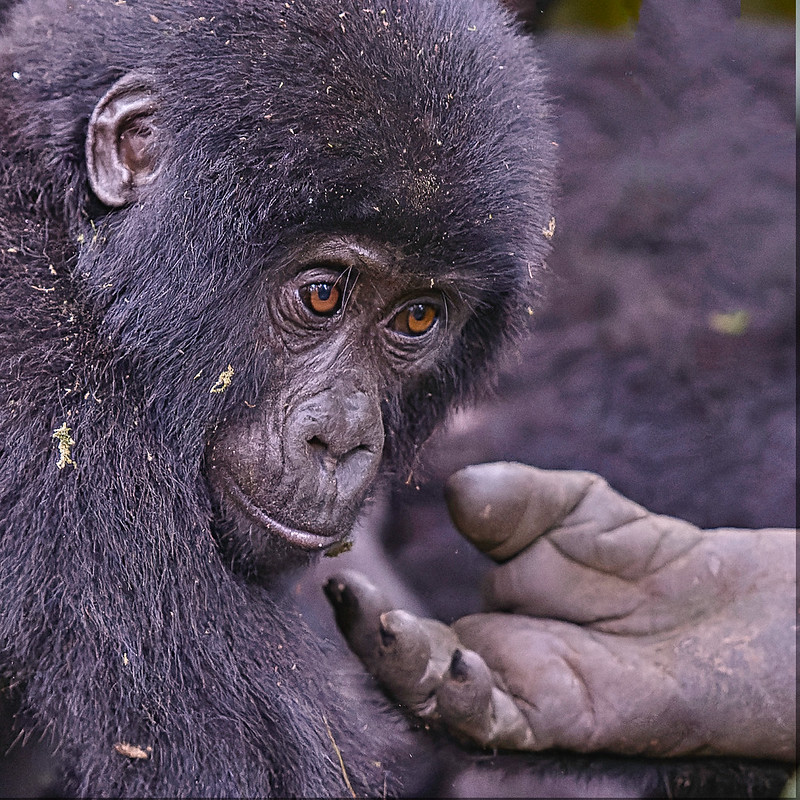
How to Stay Safe and Healthy While Traveling in Uganda
How to Stay Safe and Healthy While Traveling in Uganda
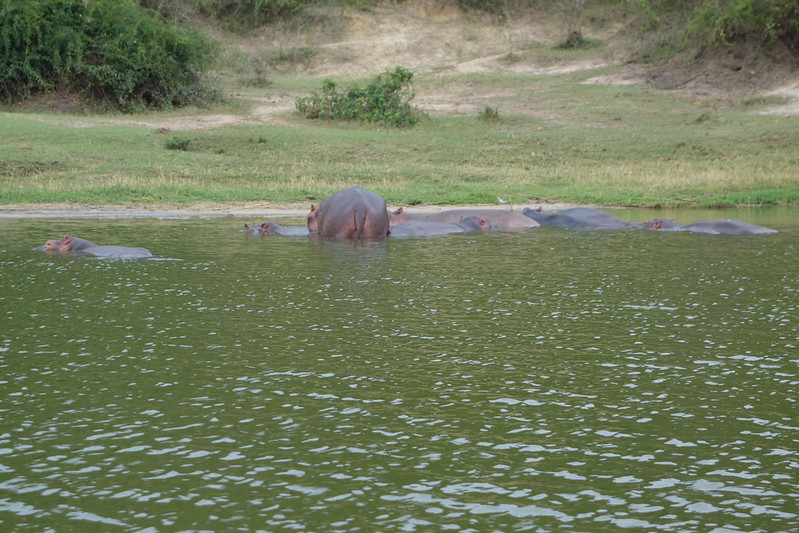
Routes, Tips & Travel Wisdom for Getting to Bwindi or Mgahinga
Routes, Tips & Travel Wisdom for Getting to Bwindi or Mgahinga
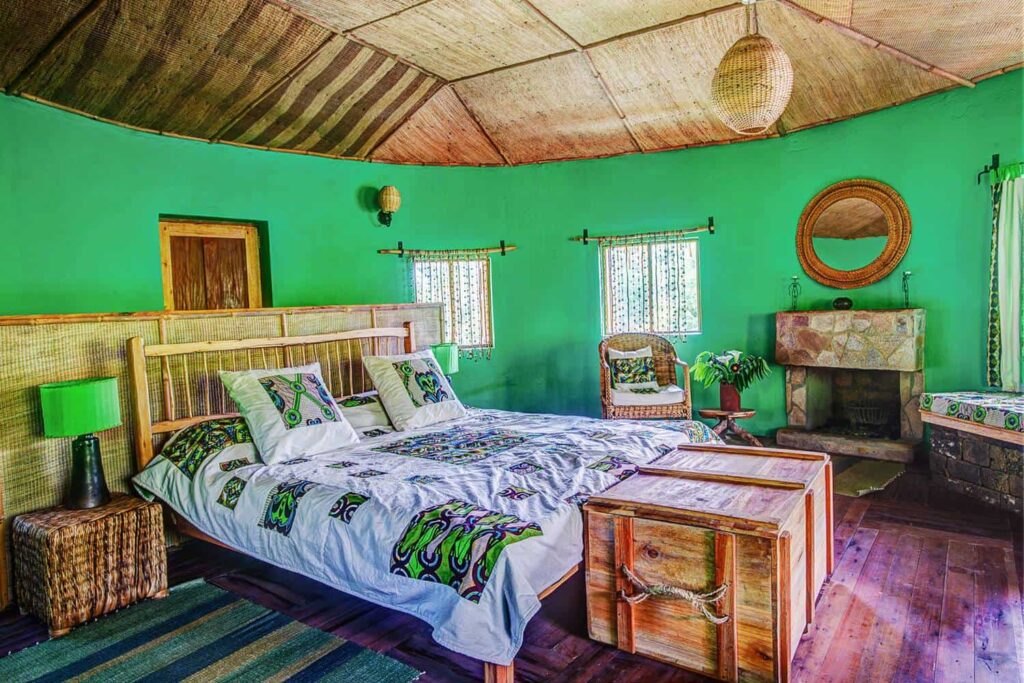
Accommodation Options: Lodges & Camps in Bwindi and Mgahinga
Accommodation Options: Lodges & Camps in Bwindi and Mgahinga
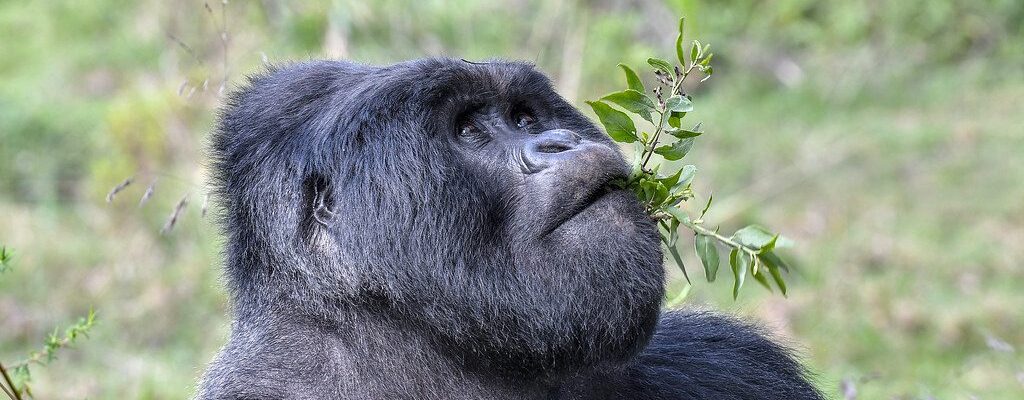
Protecting What You Came to See: Gorilla Conservation & Ethics
Protecting What You Came to See: Gorilla Conservation & Ethics
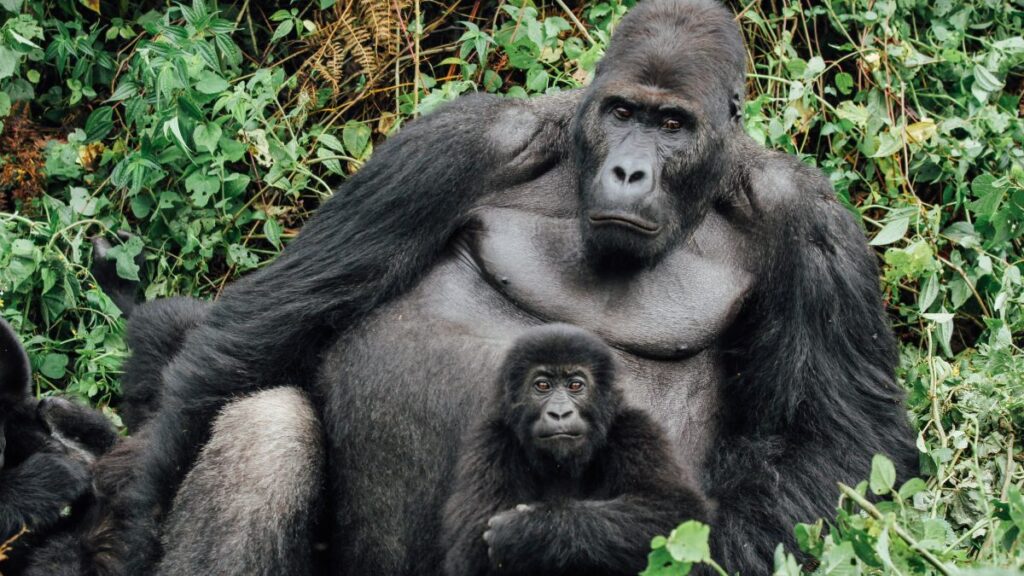
Travel Insurance for Gorilla Treks: Before You Go
Travel Insurance for Gorilla Treks: Before You Go
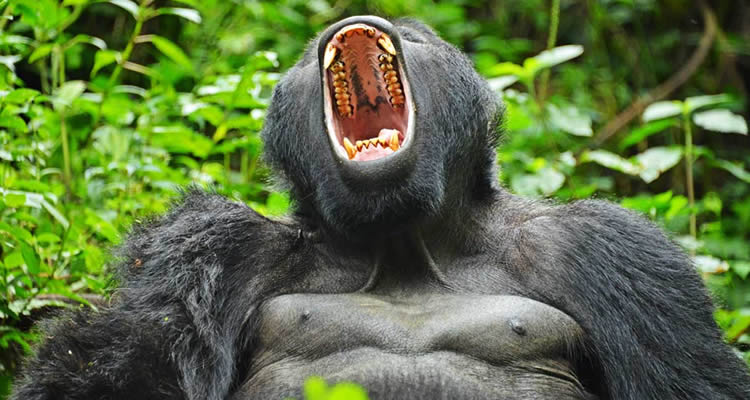
First Time Gorilla Trekking? Here’s Everything I Wish I Knew
First Time Gorilla Trekking? Here’s Everything I Wish I Knew
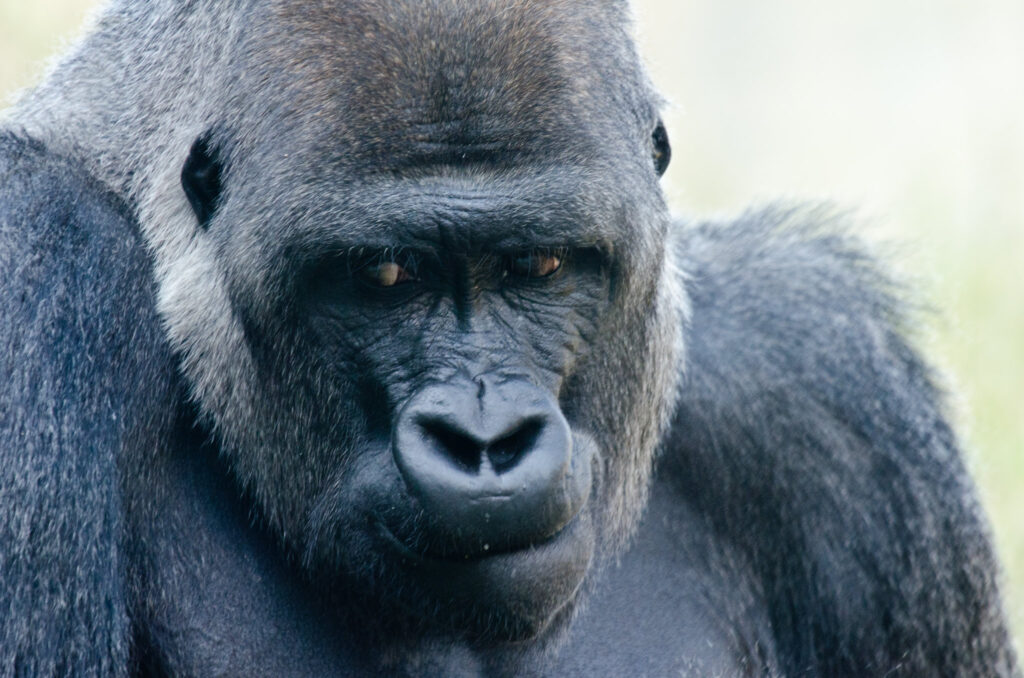
Step by Step: What Happens During a Gorilla Trekking Day
Step by Step: What Happens During a Gorilla Trekking Day
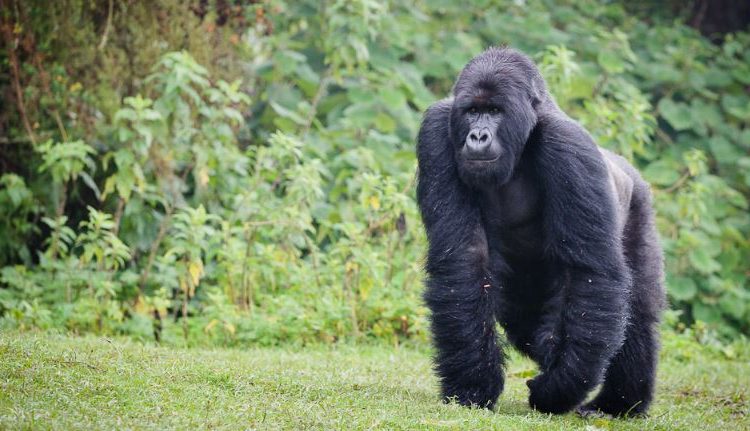
Gorilla Trekking vs. Gorilla Tracking – What’s the Real Difference?
Gorilla Trekking vs. Gorilla Tracking – What’s the Real Difference?
Beyond Gorillas: Other Wildlife You Can See During Your Trek
Beyond Gorillas: Other Wildlife You Can See During Your Trek
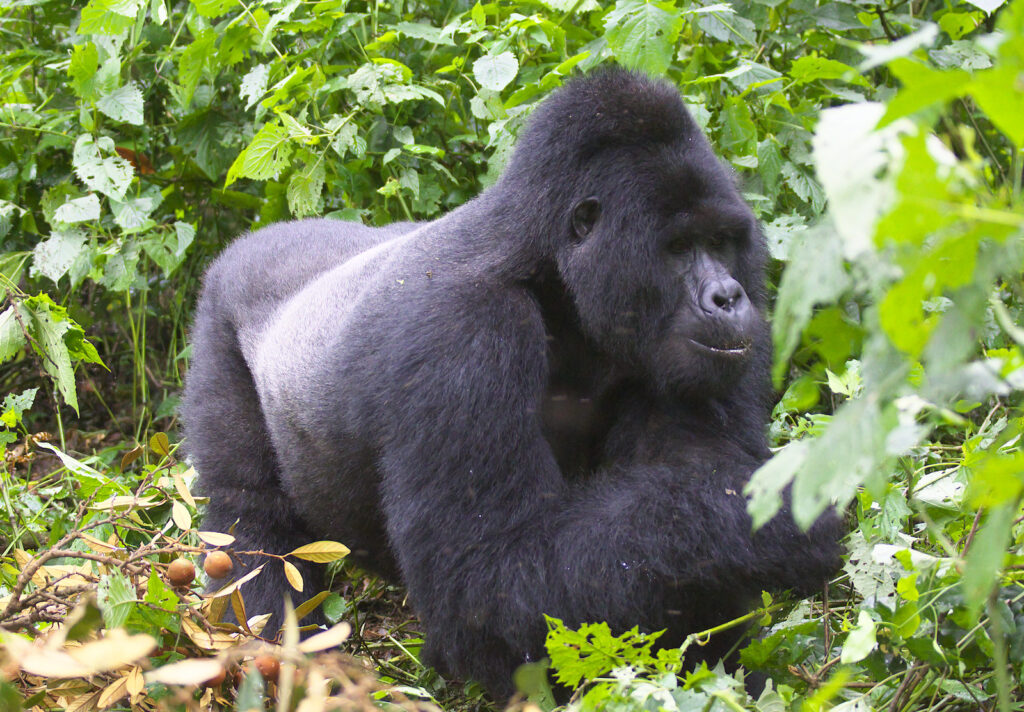
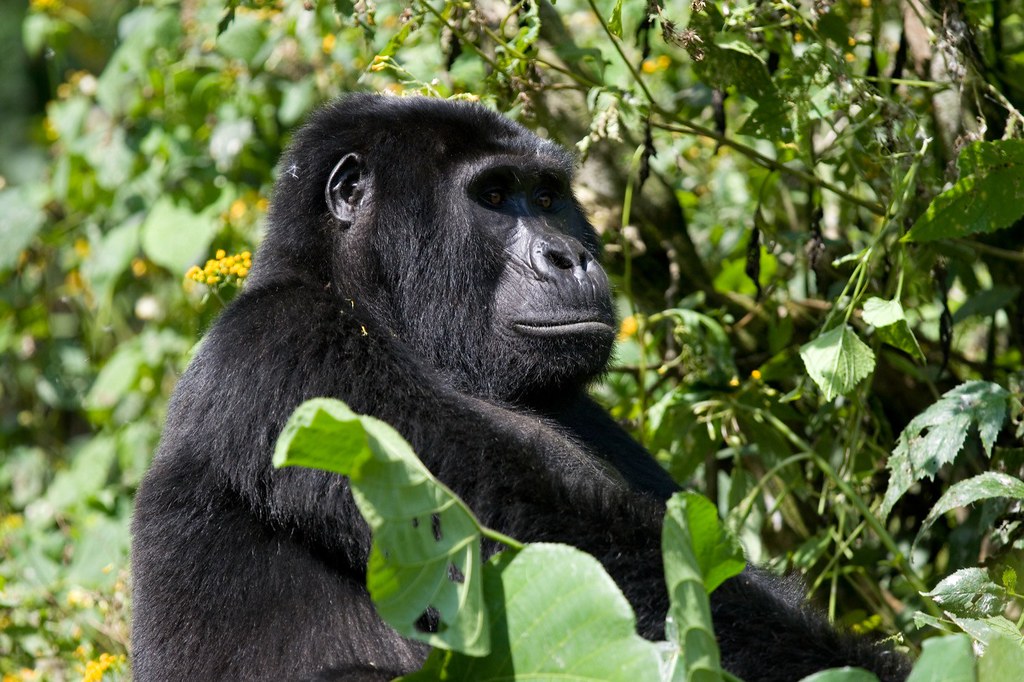
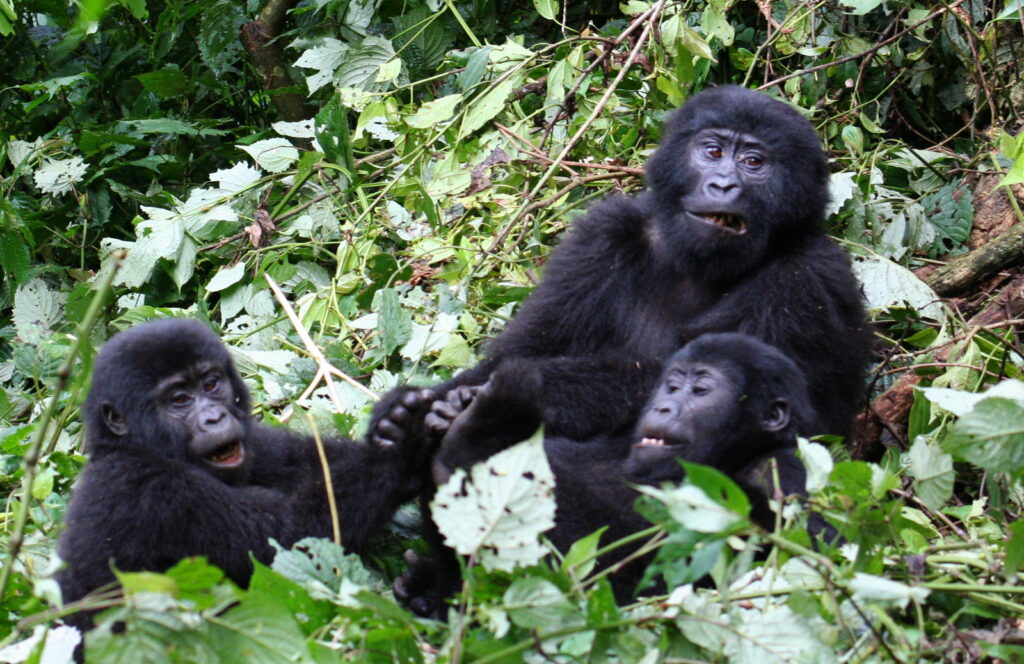
In the Realm of Giants – Bwindi & Mgahinga in Frames.
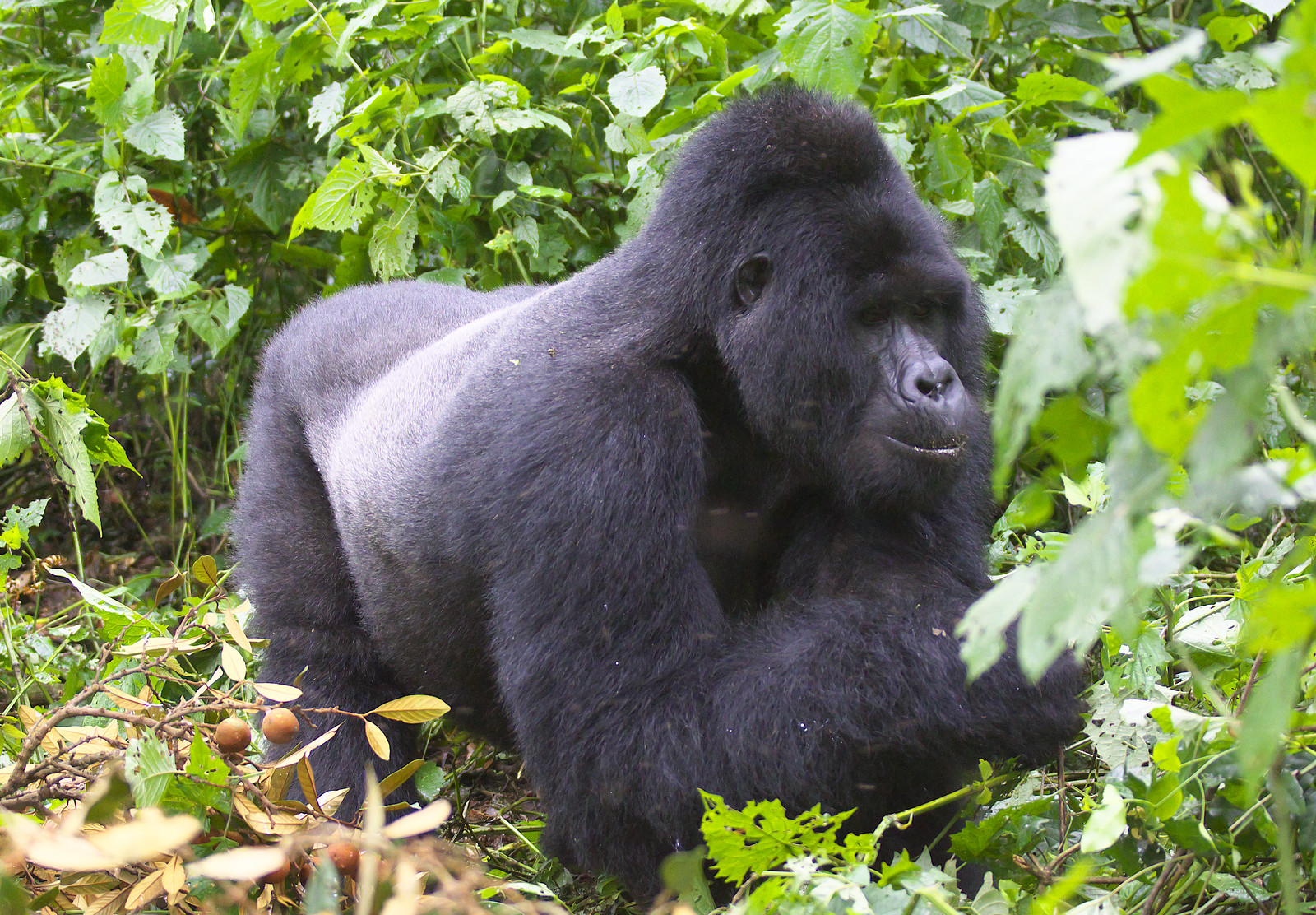
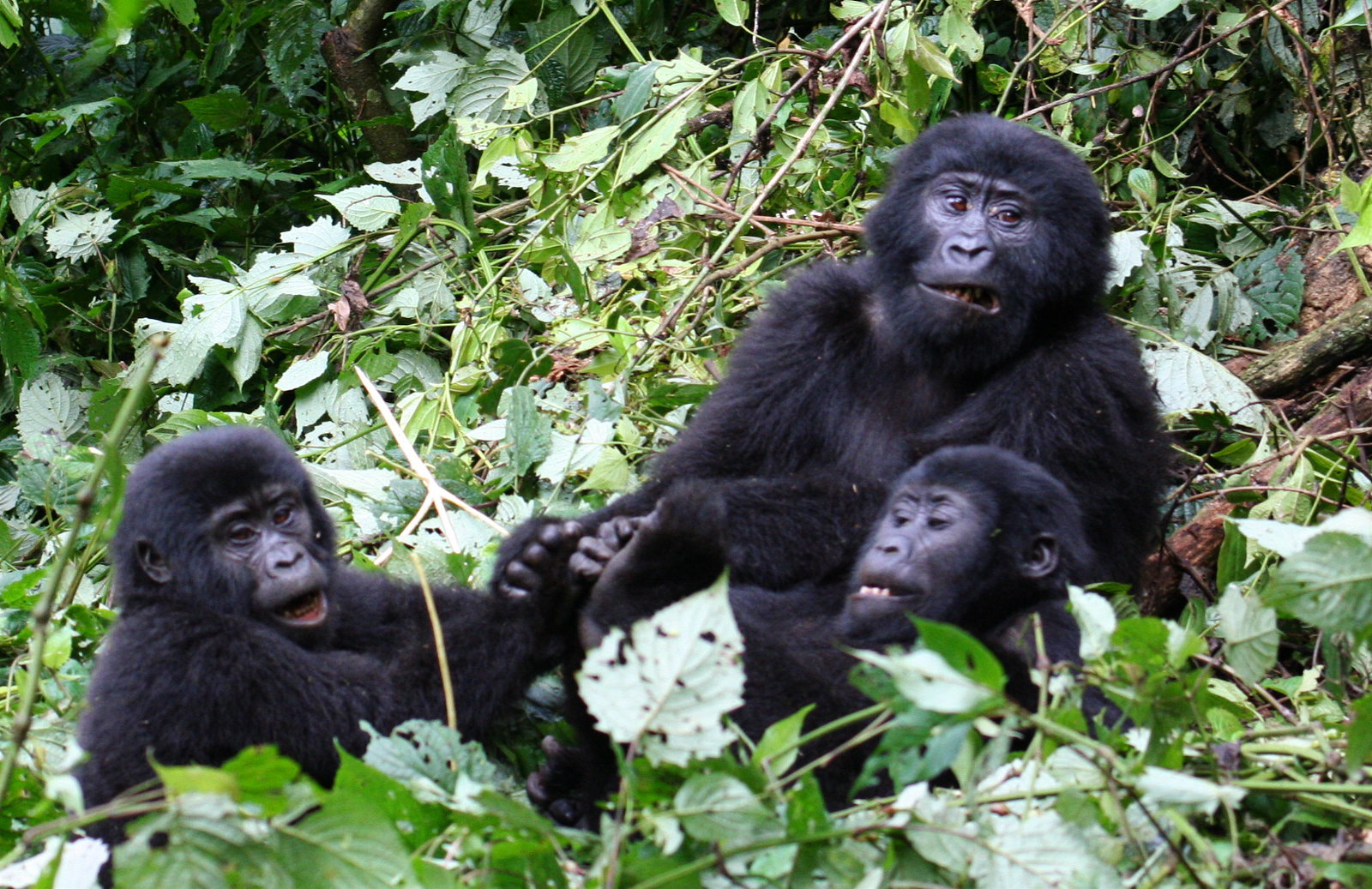
Wander through an elegant gallery capturing Uganda’s most exclusive gorilla sanctuaries, where ancient forests cradle the last mountain gorillas in a world of mist, mystery, and majesty.
Essential Planning Tips for Visiting Uganda’s National Parks.
Get ready for the wild heart of Africa with expert travel tips on when to visit, what to pack, where to go, and how to make the most of your safari across Uganda’s breathtaking national parks.
Why Uganda for Gorilla Trekking?
Uganda is not just a destination — it's the very soul of gorilla trekking. With over half of the world’s remaining mountain gorillas calling its misty forests home, Uganda offers the rarest encounters in their most authentic setting. Here, your journey is not rushed or crowded. Instead, you’re guided by experienced rangers through pristine jungles where gorillas live as they always have — wild, free, and magnificent
From insider travel insights to unforgettable trekking guides, our blog is your trusted path into Uganda’s wild heart — connecting you with mountain gorillas, breathtaking landscapes, and the soul-stirring adventures that make this land unlike any other.