

Where the soul of the forest whispers in the mist
Traveling to East Africa’s wildlife parks is an exhilarating experience, yet it also calls for thoughtful preparation in case of unexpected medical needs. Destinations such as Bwindi Impenetrable National Park in Uganda, Maasai Mara in Kenya, and Serengeti National Park in Tanzania are often situated in remote landscapes far from major urban hospitals. While this remoteness enhances the sense of wilderness and adventure, it also means that access to advanced medical facilities may require careful coordination.
Fortunately, many parks and nearby communities have developed structured medical support systems to address emergencies, minor illnesses, and routine health concerns. Safari lodges frequently maintain first aid equipment and trained staff, while partnerships with regional clinics and air evacuation services ensure rapid response when necessary. In some areas, ranger stations and conservation authorities are also equipped to coordinate emergency assistance efficiently.
Medical support near East Africa’s parks varies widely, ranging from small clinic outposts to fully equipped hospitals in nearby towns, often reinforced by trained park rangers, guides, and lodge personnel. Many safari operators and high-end lodges maintain comprehensive first aid kits, portable oxygen, and detailed emergency evacuation protocols to respond swiftly when needed.
For travelers with pre-existing conditions, chronic illnesses, or particular health concerns, knowing the scope and accessibility of these services is essential. Understanding what facilities are nearby, the availability of medical transport, and the level of on-site care allows for informed planning, ensuring that every wildlife adventure—whether gorilla trekking in Bwindi Impenetrable National Park, a safari in Maasai Mara, or exploring Serengeti National Park—remains both safe and enjoyable.
So lace up your boots, grab your camera, and prepare to meet the wild — this is where your gorilla trekking dreams and unforgettable safari adventures truly begin.
Truly Iconic Highlights in Uganda

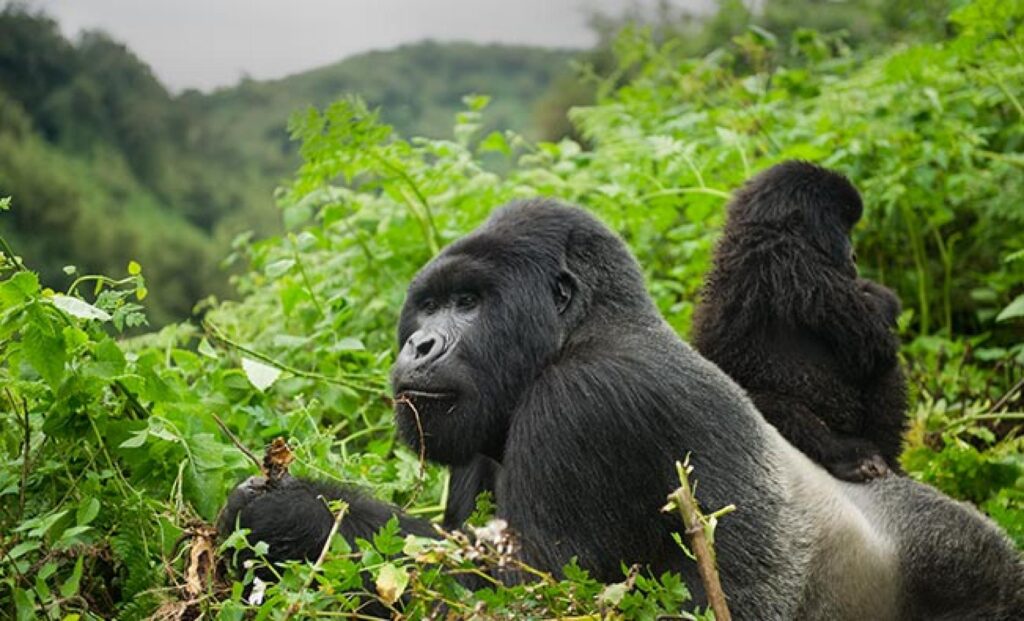
Trek through Bwindi’s mystical rainforest and meet the endangered mountain gorillas in their breathtaking natural home.
Encounter mountain gorillas and golden monkeys on Mgahinga’s misty volcanic trails, where culture and alpine wildlife thrive together.
Unwind after your trek with a peaceful canoe ride across Lake Bunyonyi, Uganda’s most tranquil and scenic highland lake.
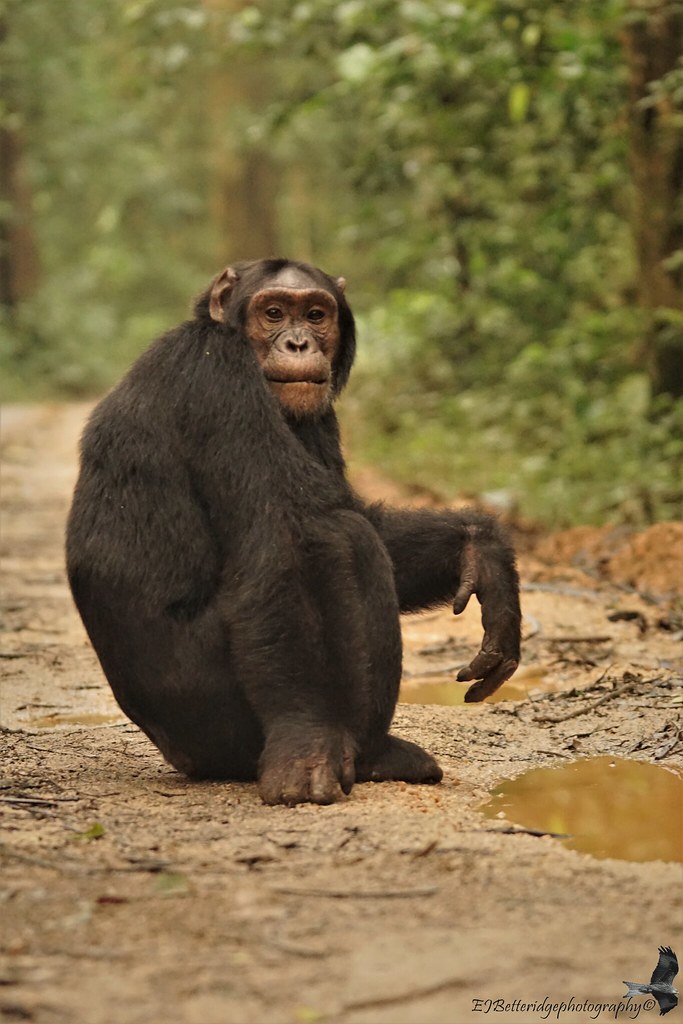
Enhance your gorilla trekking safari with an optional chimpanzee encounter in Uganda’s lush forests, adding depth and diversity to your primate adventure
Gorilla Trekking Tours in Uganda – Our Most Popular Itineraries.
Explore our gorilla trekking safaris for every traveler—solo, family, budget, or luxury. All tours include permits, transport, accommodation, meals, and park fees. Whether for a quick trip or a deeper adventure, we’ve got you covered.
3-Day Bwindi Gorilla Trekking Safari
3-Day Bwindi Gorilla Trekking Safari
4-Day Uganda Gorilla Trekking Safari
4-Day Uganda Gorilla Trekking Safari
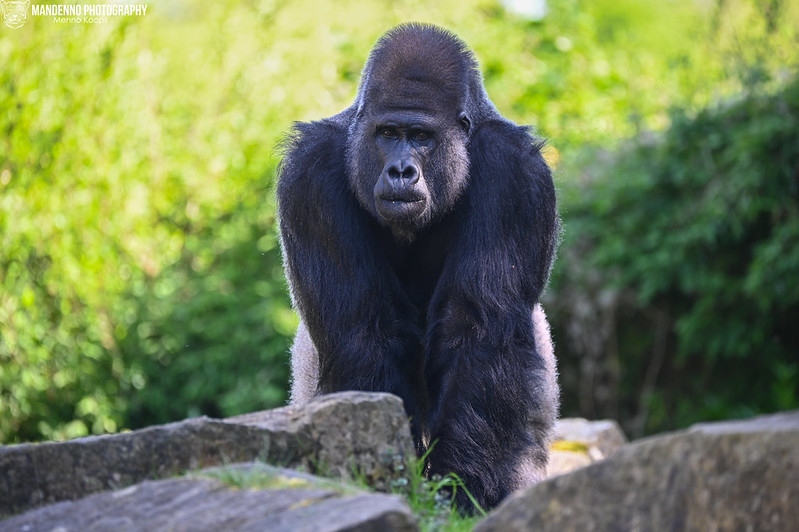
5-Day Gorilla Tracking and Wildlife Safari
5-Day Gorilla Tracking and Wildlife Safari
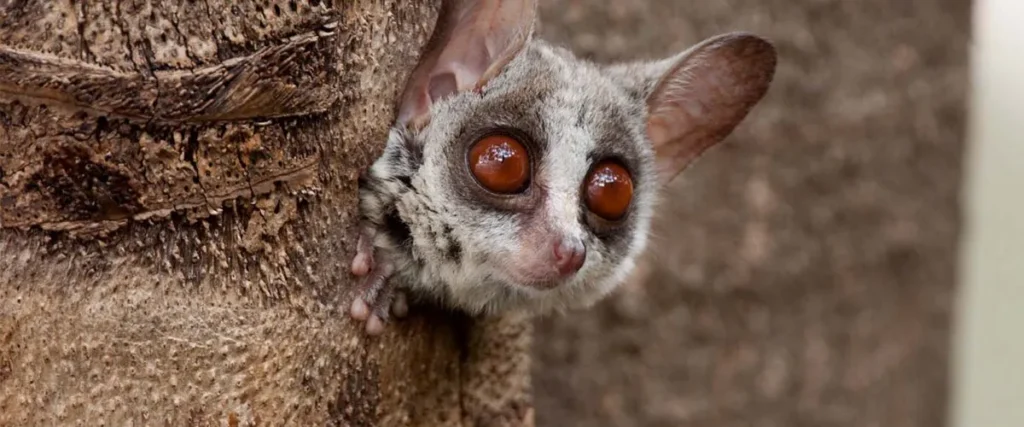
7-Day Uganda Primate Adventure & Wildlife Safari
7-Day Uganda Primate Adventure & Wildlife Safari
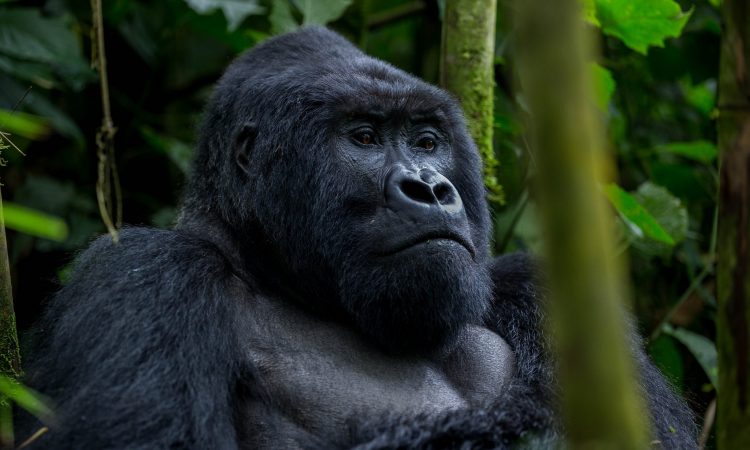
10-Day Gorilla Trekking & Big Five Safari in Uganda
10-Day Gorilla Trekking & Big Five Safari in Uganda
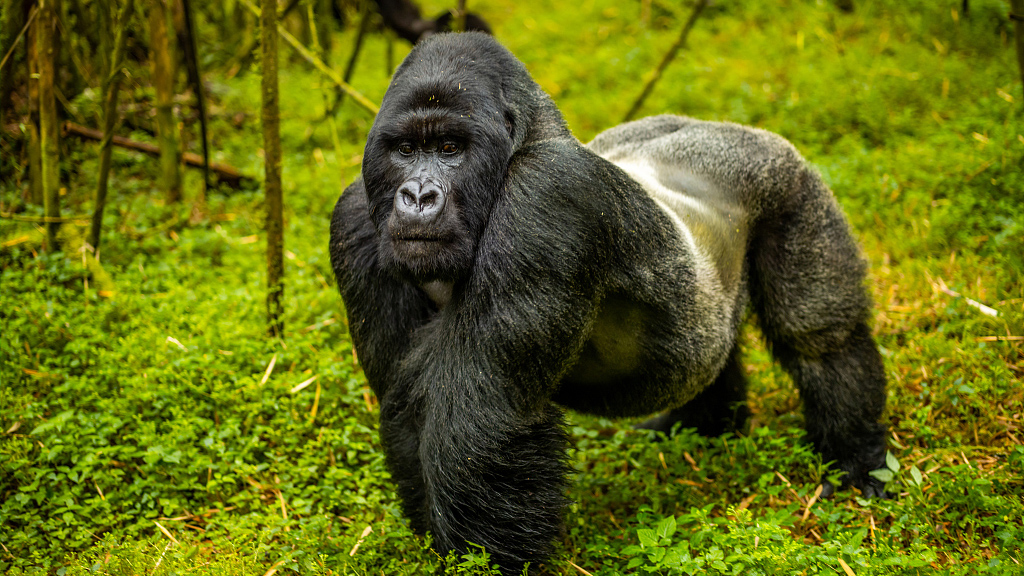
12-Day Uganda Gorilla Trekking, Chimp Tracking & Cultural Safari
12-Day Uganda Gorilla Trekking, Chimp Tracking & Cultural Safari
14-Day Best of Uganda Safari – Gorillas, Wildlife, Cultures
14-Day Best of Uganda Safari – Gorillas, Wildlife, Cultures
Medical Facilities and Support Near East African Wildlife Parks – Safety While Exploring
First Aid and Ranger Support in East African Parks
Safety in East Africa’s national parks and forest reserves is a top priority, especially for activities like gorilla trekking, long wildlife hikes, and multi-day safari expeditions. While the parks are remote, they are well-prepared to handle a range of medical situations, combining on-site first aid, ranger expertise, and links to nearby health facilities.
On-Site First Aid and Ranger Assistance
Most parks maintain basic first aid supplies, including bandages, antiseptics, splints, and emergency tools. Trained park rangers and guides act as first responders for minor injuries, insect bites, or heat-related issues. During gorilla treks or forest hikes, guides carry portable kits and are prepared to manage sprains, cuts, dehydration, or allergic reactions. Rangers constantly monitor trekkers for signs of fatigue, heat or altitude stress, and adverse reactions to insect stings, adjusting the pace or providing rest breaks as needed.
Beyond immediate treatment, guides play a crucial role in preventative care. They advise on hydration, sun protection, insect prevention, and safe trekking practices. This combination of vigilance and preparedness ensures that visitors can enjoy challenging treks with confidence.
Nearby Clinics and Health Centers
Although full hospitals are rarely located within parks, most regions have accessible health facilities within 10–30 kilometers. These clinics can handle minor injuries, routine medical care, and common illnesses. Examples include:
Uganda: Towns such as Buhoma, Kisoro, and Kabale near Bwindi Impenetrable and Mgahinga National Parks have small hospitals and clinics capable of treating injuries and illness.
Kenya: Narok and surrounding settlements near Maasai Mara offer general medical services.
Tanzania: Villages around Serengeti and Ngorongoro provide local clinics for routine care and minor emergencies.
Visitors are advised to familiarize themselves with the location and contact details of the closest clinic or hospital before venturing into remote areas. Carrying personal medications in sufficient quantity is essential, particularly for chronic conditions.
Emergency Evacuation and Advanced Care
In cases of serious medical emergencies, parks have established systems for rapid evacuation to hospitals or advanced medical facilities. Air ambulances, chartered flights, or road transfers are coordinated by safari operators, luxury lodges, or park authorities to ensure timely access to specialized care.
Uganda: Patients may be airlifted to Kabale, Mbarara, or Kampala for advanced treatment.
Kenya: Evacuations are directed toward Narok or Nairobi hospitals with full emergency services.
Tanzania: Transfers to Arusha or Mwanza hospitals provide access to specialists and advanced care.
These protocols ensure that even in remote terrain, serious medical incidents can be addressed within hours.
Preparing for Park Visits
Proper medical preparation is vital for a safe and enjoyable experience:
Personal first aid kit: Include bandages, antiseptic, insect repellent, chronic condition medications, pain relief, and any personal medical items.
Travel insurance: Confirm coverage for medical emergencies, evacuation, and pre-existing conditions.
Vaccinations and prophylaxis: Verify requirements for yellow fever, malaria prevention, and other region-specific health advisories.
Know the nearest medical facilities: Consult your lodge, guide, or operator for clinics and hospitals close to your trekking or safari route.
Communicate medical conditions: Inform guides and park authorities about allergies, chronic illnesses, or mobility challenges in advance.
Special Considerations for Gorilla Trekking and Remote Safaris
Gorilla trekking and dense forest safaris present unique challenges due to uneven terrain, steep inclines, and long hours of walking. Guides are trained to recognize early signs of fatigue, dehydration, or illness and can adjust routes or pace accordingly. Travelers with medical concerns may request shorter trekking paths, the assistance of porters, or the use of a wheelchair/sedan chair. First aid measures are continuously available during these activities.
Even luxury lodges follow strict emergency protocols. Staff are trained in CPR, wound management, and stabilization techniques. Many lodges maintain oxygen tanks, defibrillators, and other equipment to address high-risk situations, ensuring a secure environment for all guests, regardless of their medical background.
This structured combination of ranger vigilance, on-site first aid, nearby clinics, and emergency evacuation ensures that East Africa’s parks are prepared to support visitors safely, allowing them to experience wildlife and remote landscapes with confidence.
More Gorilla Trekking Information to Know.
Gorilla trekking goes far beyond just the hike — it’s a deep, emotional journey into the heart of Africa’s last wild rainforests. Knowing the right timing, permits, fitness tips, and park details can turn your experience from good to unforgettable.
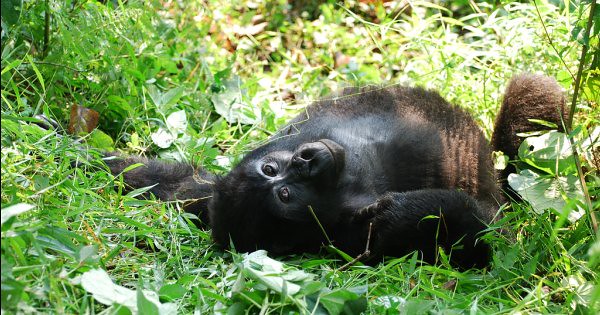
Gorilla Trekking in Bwindi Impenetrable Forest
Gorilla Trekking in Bwindi Impenetrable Forest
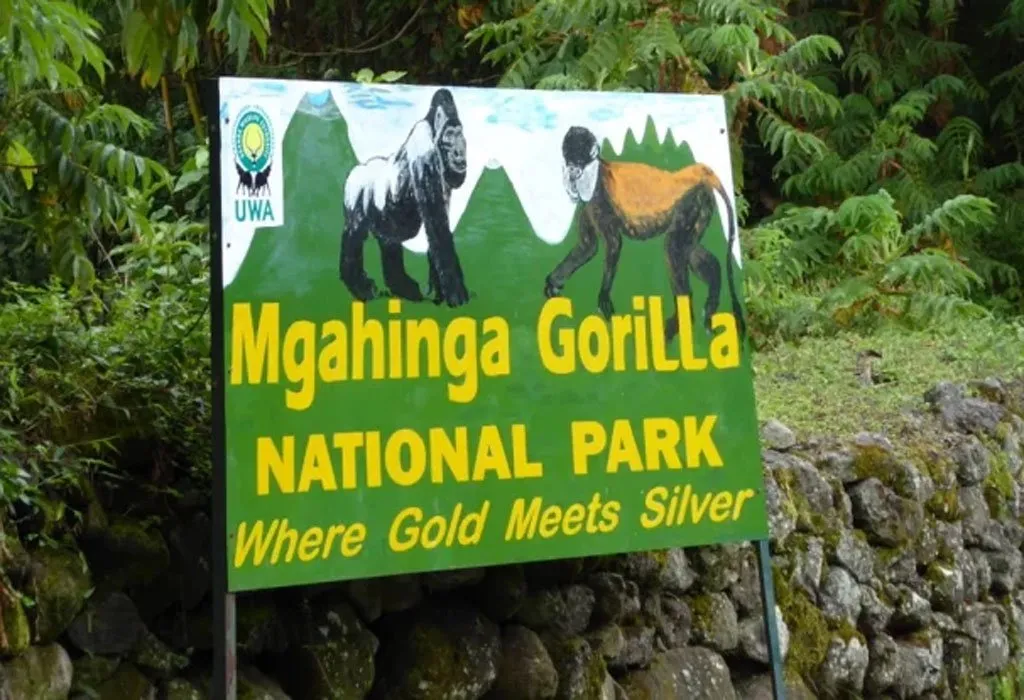
Trekking Gorillas in Mgahinga National Park
Trekking Gorillas in Mgahinga National Park
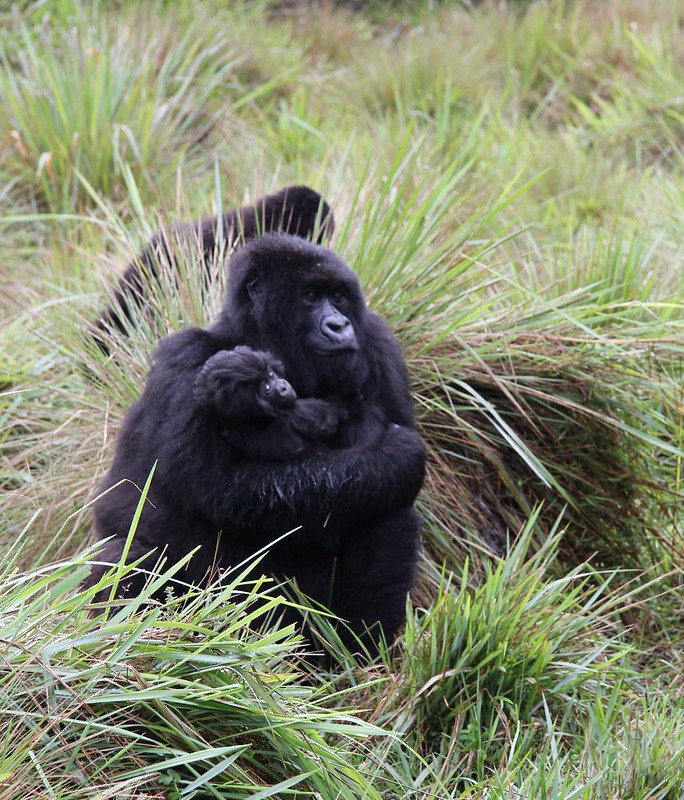
Uganda Gorilla Trekking Permits – Prices, Booking, & Travel Tips
Uganda Gorilla Trekking Permits – Prices, Booking, & Travel Tips
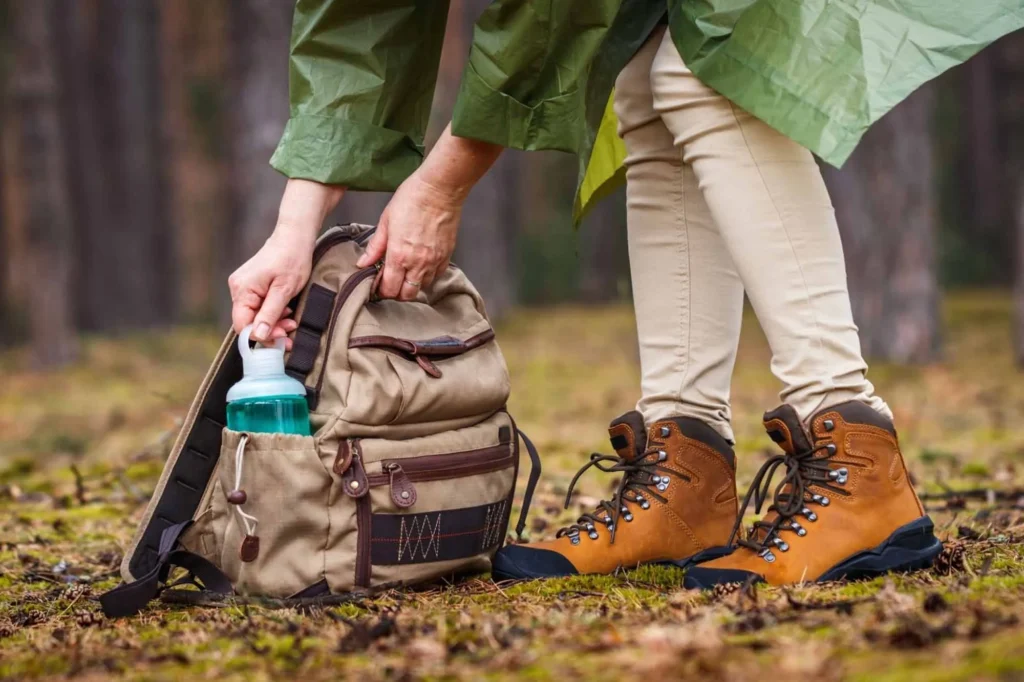
What to Pack for Gorilla Trekking in Uganda – Expert Checklist
What to Pack for Gorilla Trekking in Uganda – Expert Checklist
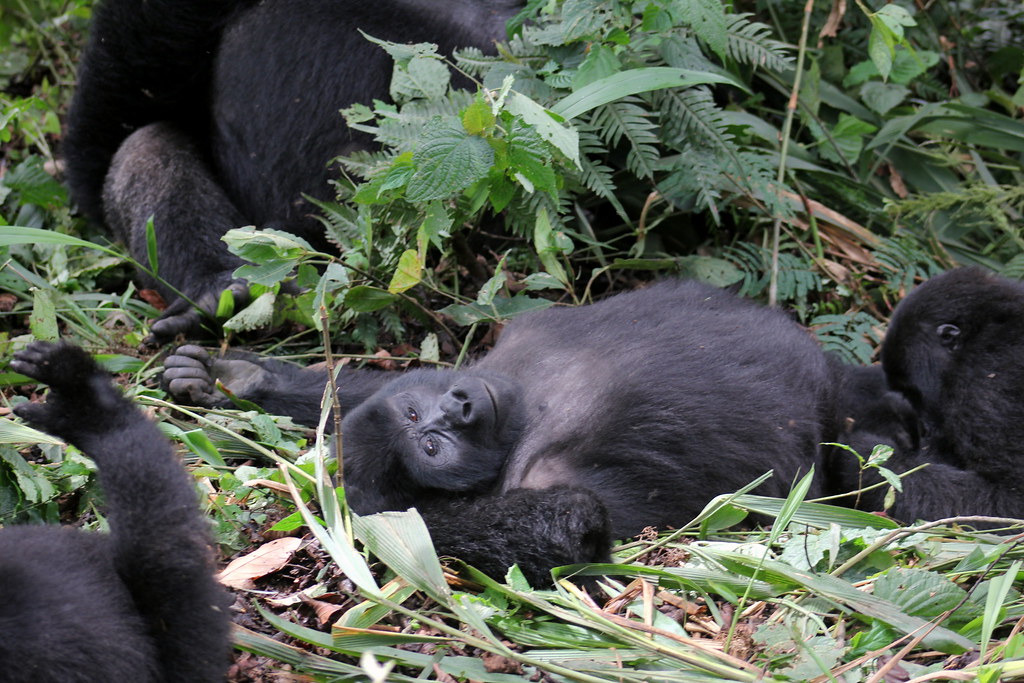
Best Time to Go Gorilla Trekking in Uganda – Weather & Seasons
Best Time to Go Gorilla Trekking in Uganda – Weather & Seasons
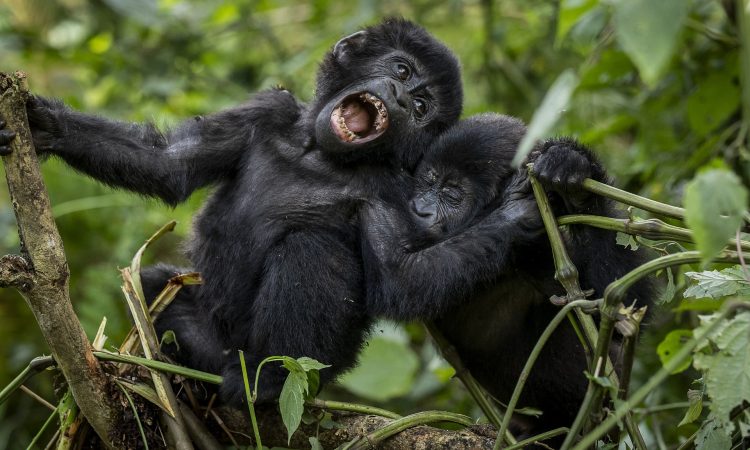
Gorilla Trekking Difficulty in Uganda – Fitness & Trail Guide
Gorilla Trekking Difficulty in Uganda – Fitness & Trail Guide
Gorilla Trekking Rules in Uganda – Safety, Respect & Ethics
Gorilla Trekking Rules in Uganda – Safety, Respect & Ethics
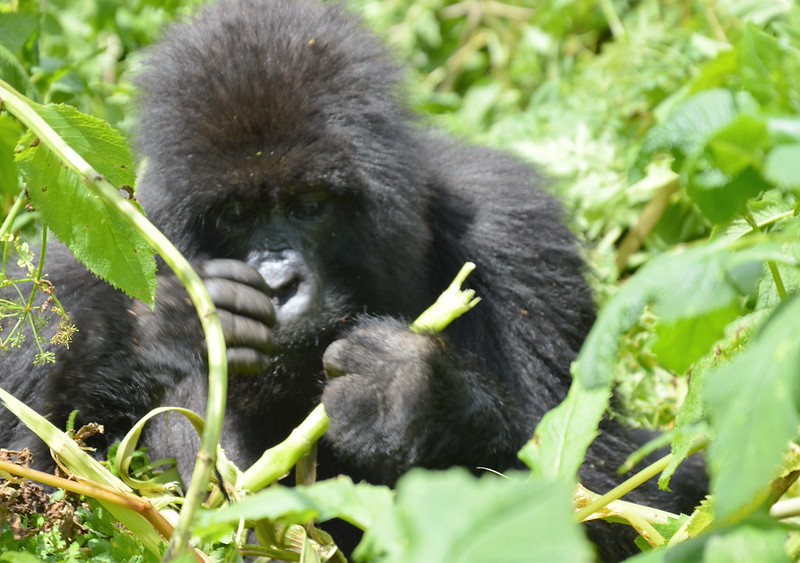
Gorilla Conservation in Uganda – Protecting the Mountain Giants
Gorilla Conservation in Uganda – Protecting the Mountain Giants
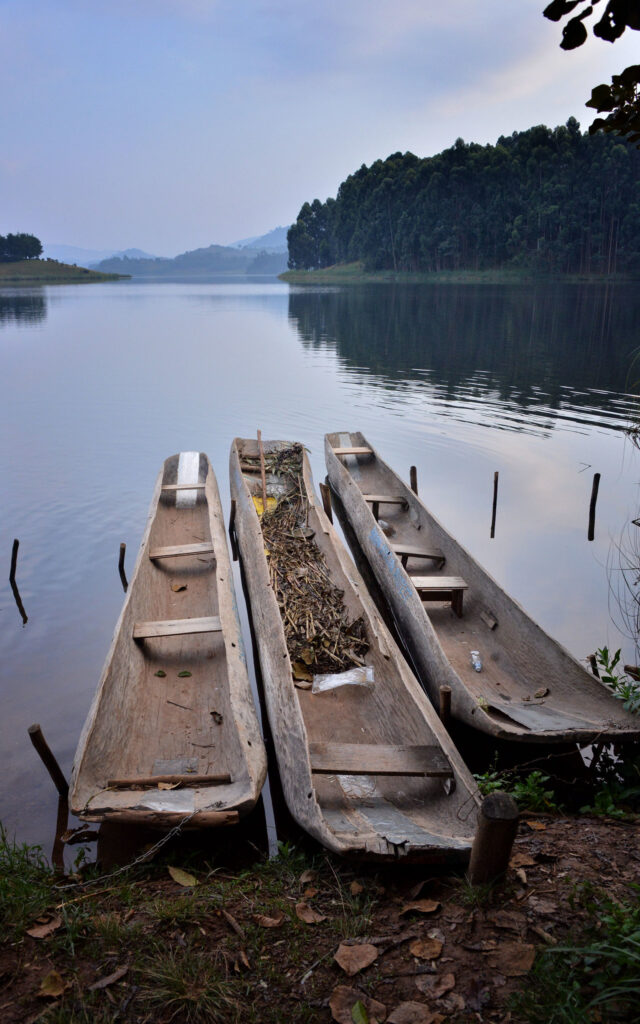
Bwindi vs. Mgahinga – Which One to Choose For Gorilla Trekking?
Bwindi vs. Mgahinga – Which One to Choose For Gorilla Trekking?
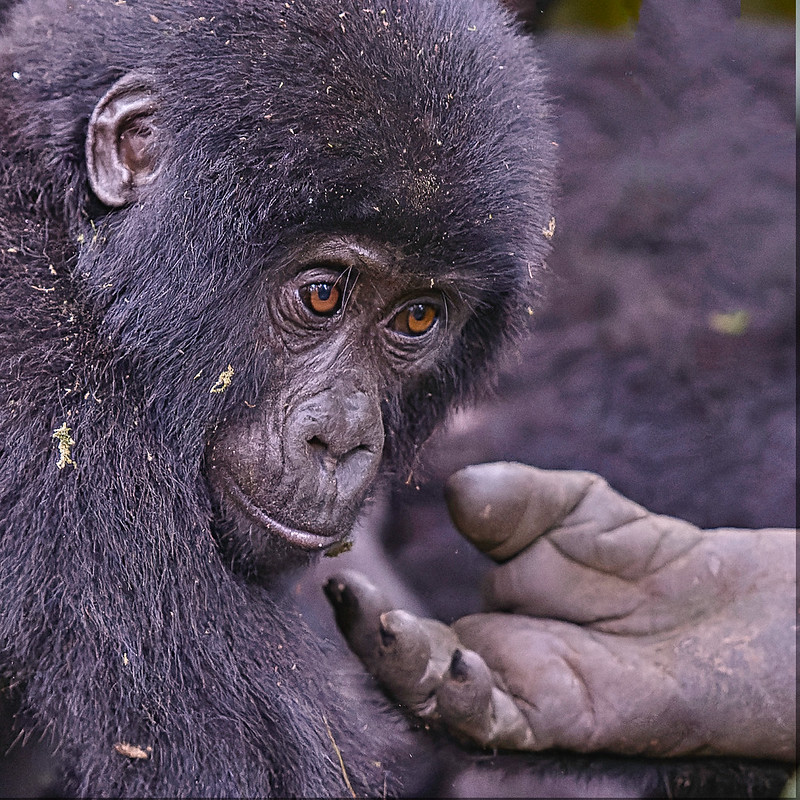
How to Stay Safe and Healthy While Traveling in Uganda
How to Stay Safe and Healthy While Traveling in Uganda
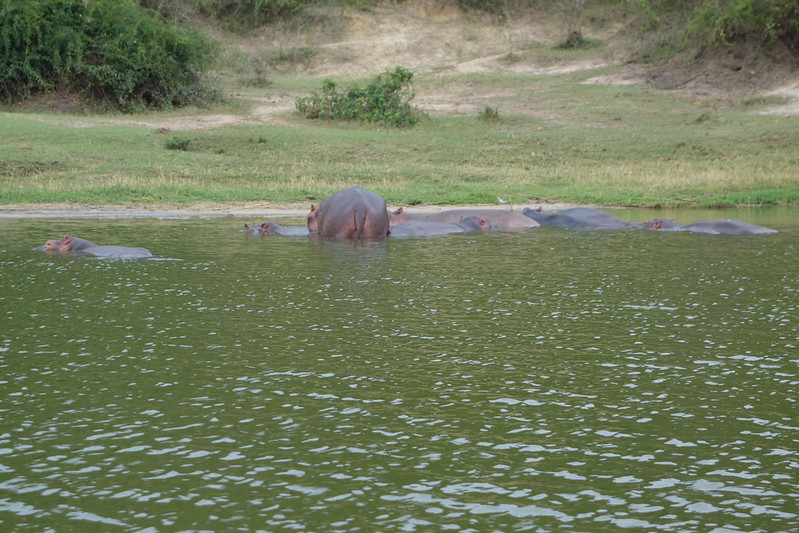
Routes, Tips & Travel Wisdom for Getting to Bwindi or Mgahinga
Routes, Tips & Travel Wisdom for Getting to Bwindi or Mgahinga
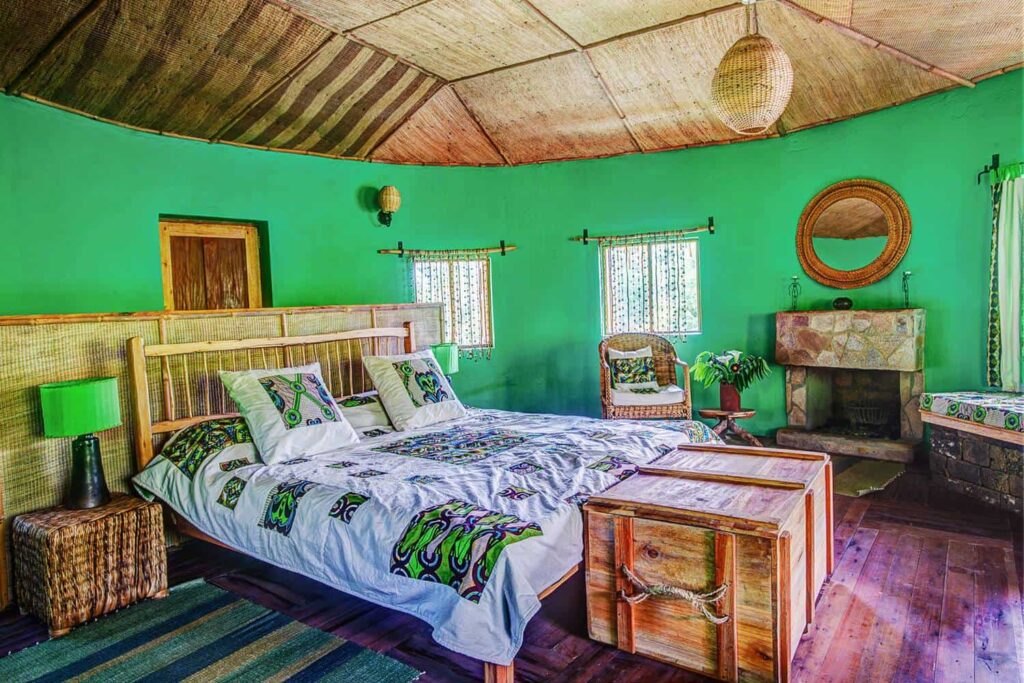
Accommodation Options: Lodges & Camps in Bwindi and Mgahinga
Accommodation Options: Lodges & Camps in Bwindi and Mgahinga
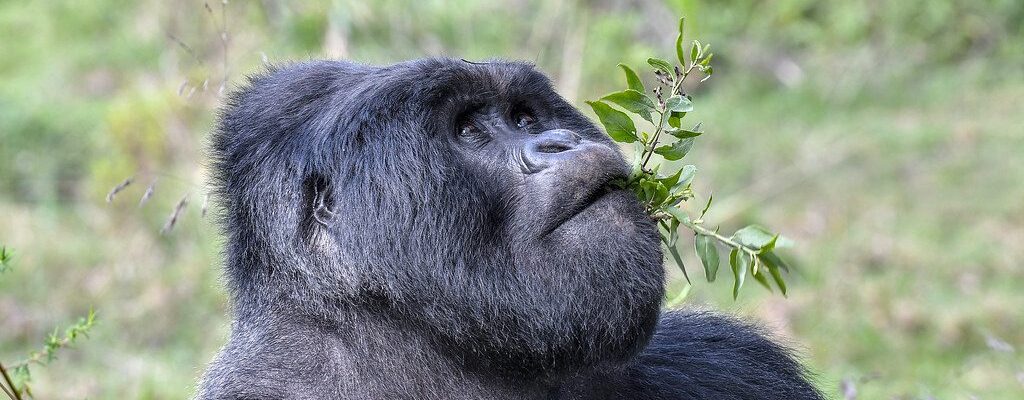
Protecting What You Came to See: Gorilla Conservation & Ethics
Protecting What You Came to See: Gorilla Conservation & Ethics
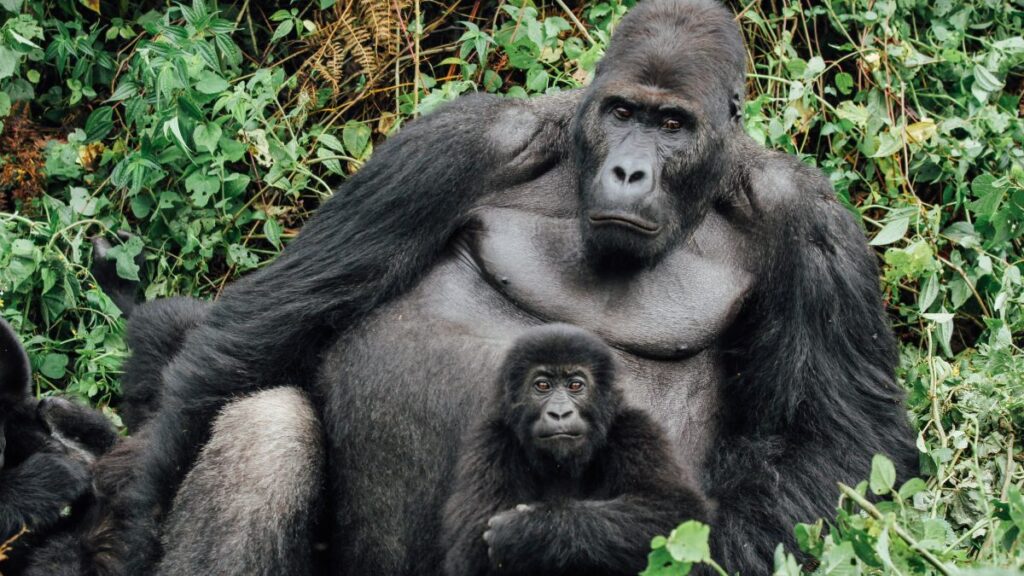
Travel Insurance for Gorilla Treks: Before You Go
Travel Insurance for Gorilla Treks: Before You Go
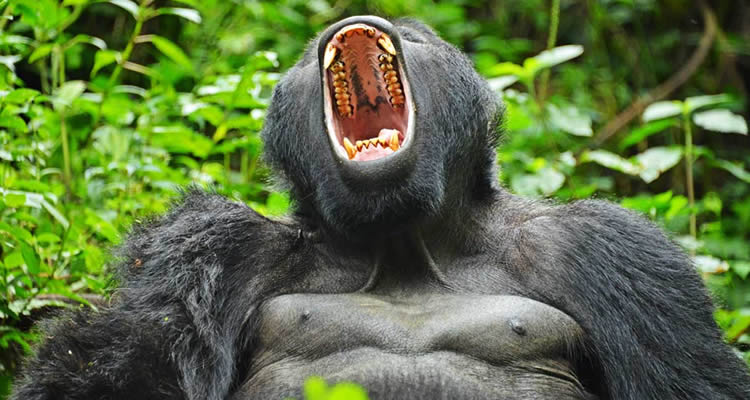
First Time Gorilla Trekking? Here’s Everything I Wish I Knew
First Time Gorilla Trekking? Here’s Everything I Wish I Knew
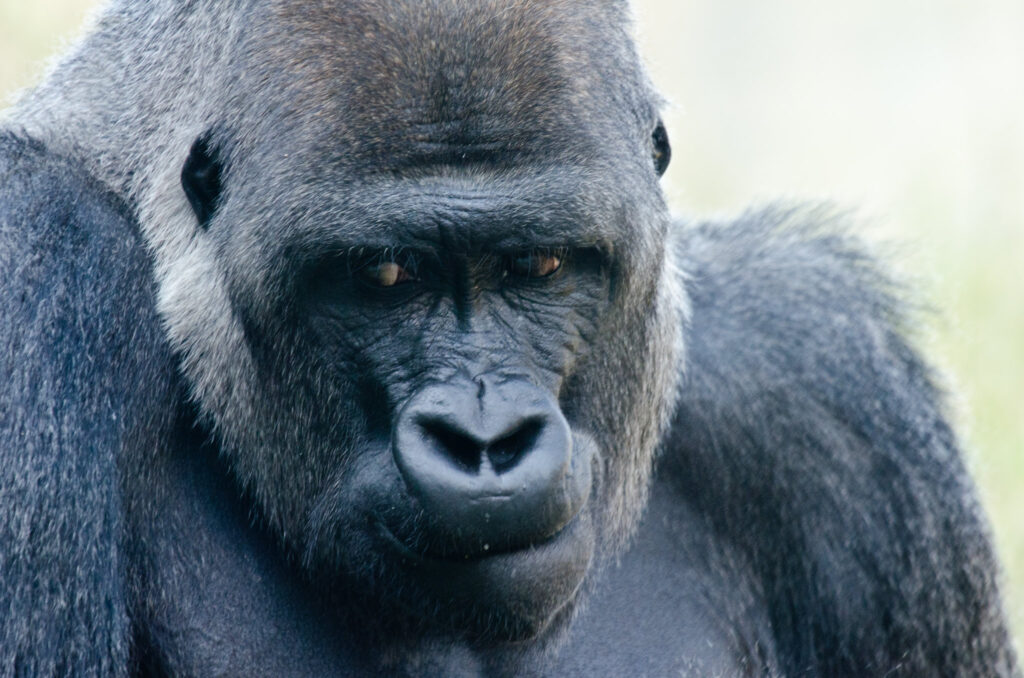
Step by Step: What Happens During a Gorilla Trekking Day
Step by Step: What Happens During a Gorilla Trekking Day
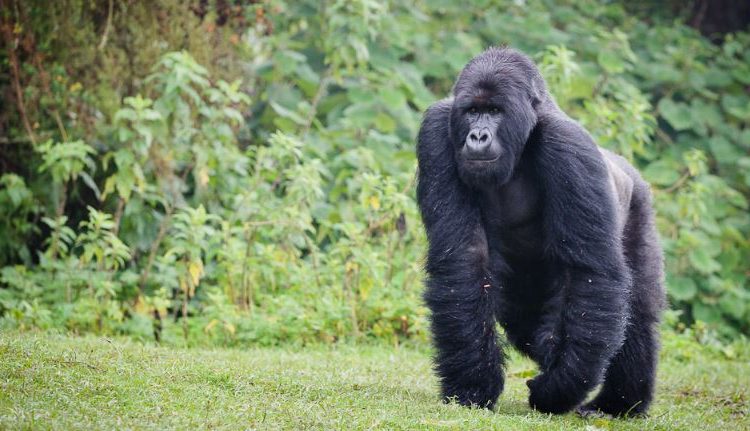
Gorilla Trekking vs. Gorilla Tracking – What’s the Real Difference?
Gorilla Trekking vs. Gorilla Tracking – What’s the Real Difference?
Beyond Gorillas: Other Wildlife You Can See During Your Trek
Beyond Gorillas: Other Wildlife You Can See During Your Trek
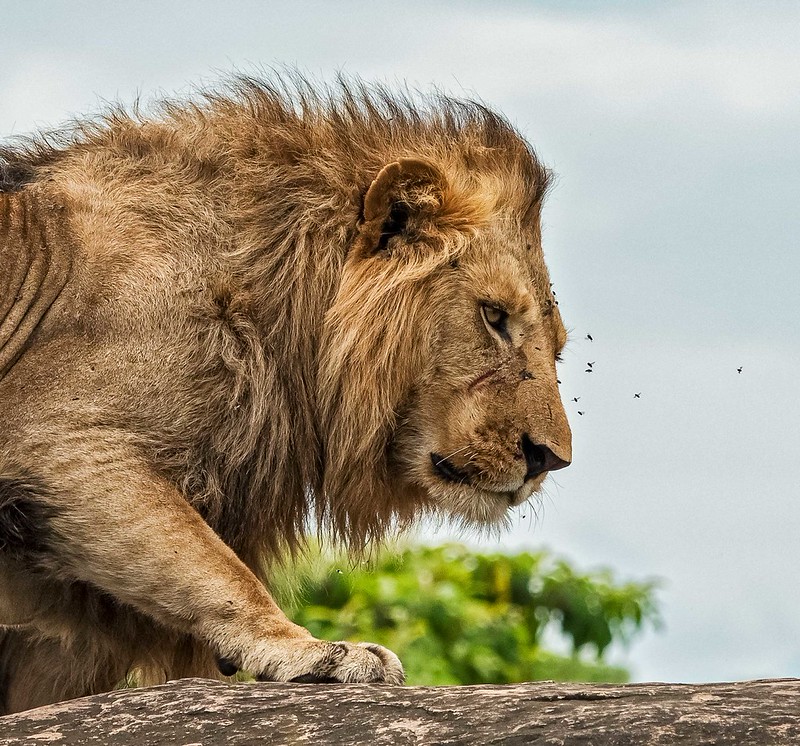
In the Realm of Giants – Bwindi & Mgahinga in Frames.
Wander through an elegant gallery capturing Uganda’s most exclusive gorilla sanctuaries, where ancient forests cradle the last mountain gorillas in a world of mist, mystery, and majesty.
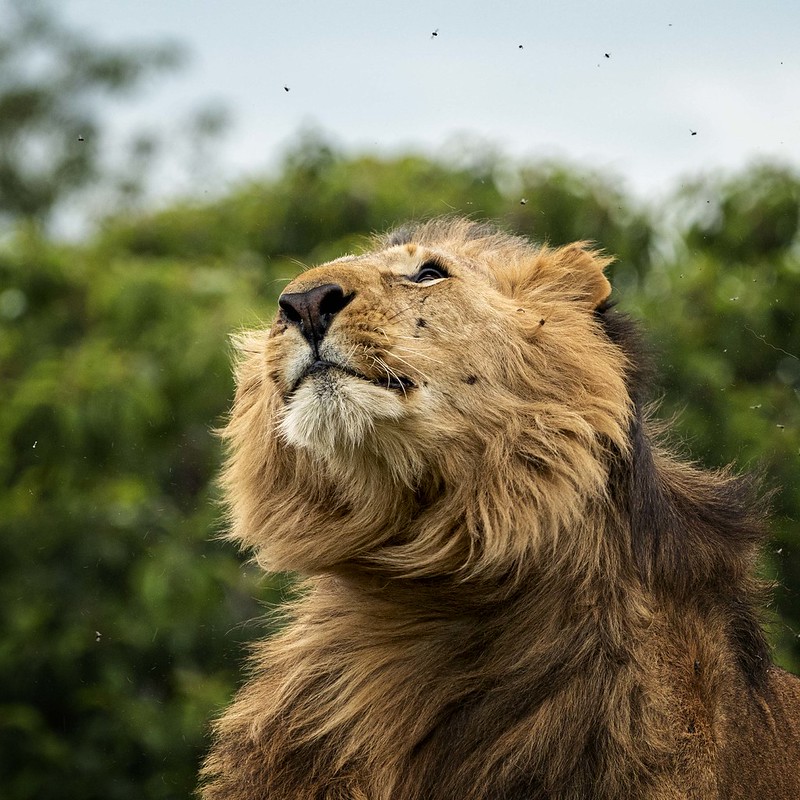
Essential Planning Tips for Visiting Uganda’s National Parks.
Get ready for the wild heart of Africa with expert travel tips on when to visit, what to pack, where to go, and how to make the most of your safari across Uganda’s breathtaking national parks.
Why Uganda for Gorilla Trekking?
Uganda is not just a destination — it's the very soul of gorilla trekking. With over half of the world’s remaining mountain gorillas calling its misty forests home, Uganda offers the rarest encounters in their most authentic setting. Here, your journey is not rushed or crowded. Instead, you’re guided by experienced rangers through pristine jungles where gorillas live as they always have — wild, free, and magnificent
From insider travel insights to unforgettable trekking guides, our blog is your trusted path into Uganda’s wild heart — connecting you with mountain gorillas, breathtaking landscapes, and the soul-stirring adventures that make this land unlike any other.