

Where the soul of the forest whispers in the mist
Gorilla trekking is an exhilarating and physically demanding adventure, but unexpected health issues can arise, and it is important to consider what happens if you fall ill before your scheduled trek. Both visitor well being and the welfare of the gorillas are paramount, as these endangered animals are extremely vulnerable to human-borne diseases, including common respiratory infections that could have serious consequences for their populations. Trekking while unwell not only diminishes your own experience by making the hike more strenuous and less enjoyable, but it also introduces avoidable risks to the delicate ecosystem and the animals themselves.
Being prepared for unforeseen health challenges means more than just packing basic medications. It involves monitoring your health in the days leading up to the trek, following park regulations regarding illness, and communicating openly with guides and park authorities if symptoms appear.
Understanding how to manage sickness before a gorilla trek is a crucial aspect of responsible planning. The rainforest environment and the physical demands of trekking mean that even minor ailments, such as common colds, flu, or gastrointestinal upset, can significantly affect your ability to participate safely. More serious infections pose an even greater concern, as mountain gorillas are highly susceptible to human-borne diseases. Knowing when to postpone or reschedule your trek, how to communicate promptly and clearly with park authorities, and the steps to take to safeguard both your own health and that of the gorillas is essential for a safe and meaningful experience.
Careful preparation in this regard helps prevent unnecessary stress and disappointment, ensures that you can fully engage with the adventure, and protects the animals and their fragile habitat. By prioritizing health considerations, visitors not only maximize their chances of a successful trek but also uphold the ethical standards and conservation principles that make gorilla trekking a unique and sustainable wildlife experience.
So lace up your boots, grab your camera, and prepare to meet the wild — this is where your gorilla trekking dreams and unforgettable safari adventures truly begin.
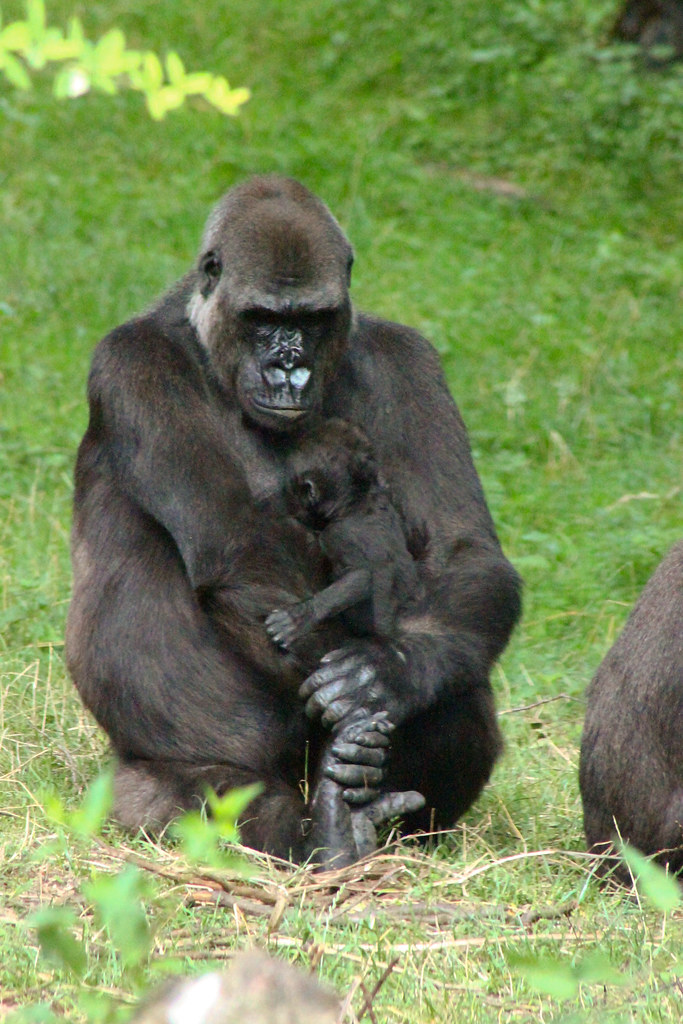
Truly Iconic Highlights in Uganda

Trek through Bwindi’s mystical rainforest and meet the endangered mountain gorillas in their breathtaking natural home.
Encounter mountain gorillas and golden monkeys on Mgahinga’s misty volcanic trails, where culture and alpine wildlife thrive together.
Unwind after your trek with a peaceful canoe ride across Lake Bunyonyi, Uganda’s most tranquil and scenic highland lake.
Enhance your gorilla trekking safari with an optional chimpanzee encounter in Uganda’s lush forests, adding depth and diversity to your primate adventure
Gorilla Trekking Tours in Uganda – Our Most Popular Itineraries.
Explore our gorilla trekking safaris for every traveler—solo, family, budget, or luxury. All tours include permits, transport, accommodation, meals, and park fees. Whether for a quick trip or a deeper adventure, we’ve got you covered.
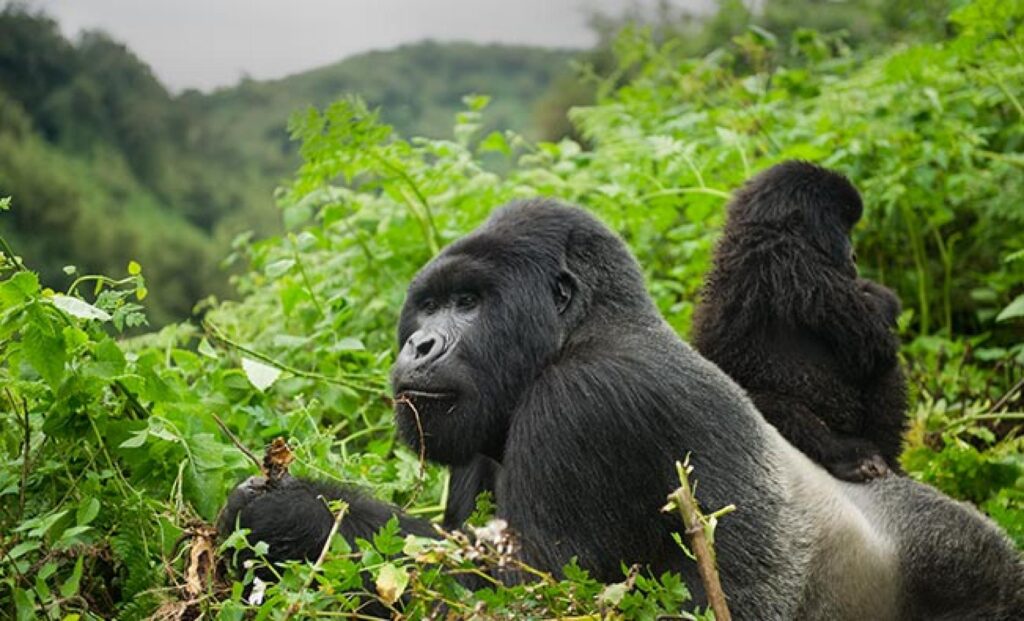
3-Day Bwindi Gorilla Trekking Safari
3-Day Bwindi Gorilla Trekking Safari
4-Day Uganda Gorilla Trekking Safari
4-Day Uganda Gorilla Trekking Safari
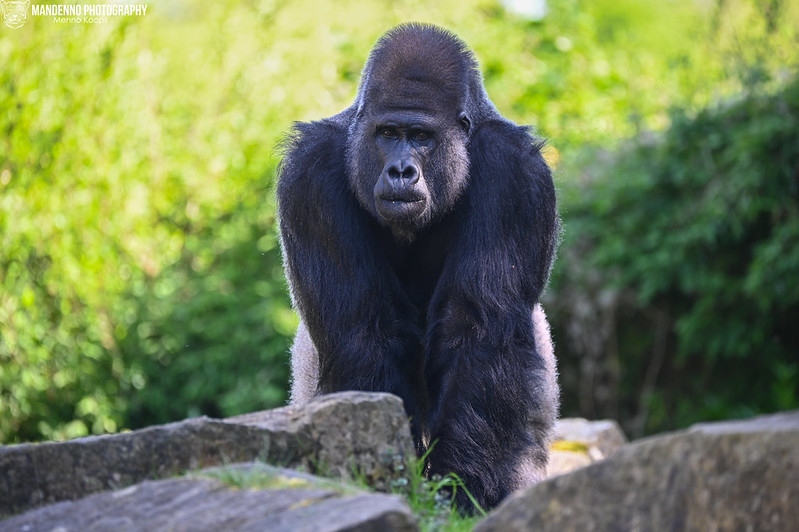
5-Day Gorilla Tracking and Wildlife Safari
5-Day Gorilla Tracking and Wildlife Safari
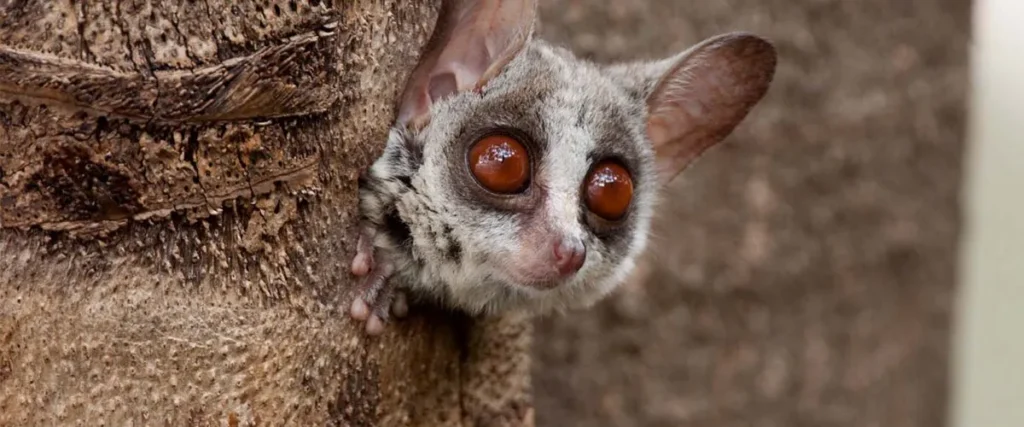
7-Day Uganda Primate Adventure & Wildlife Safari
7-Day Uganda Primate Adventure & Wildlife Safari
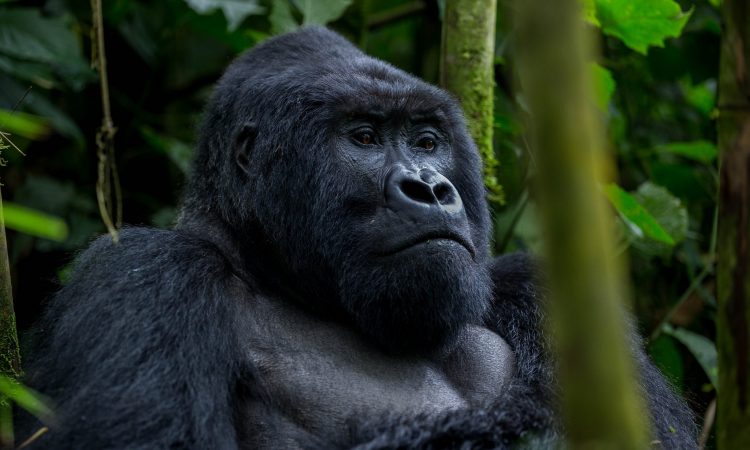
10-Day Gorilla Trekking & Big Five Safari in Uganda
10-Day Gorilla Trekking & Big Five Safari in Uganda
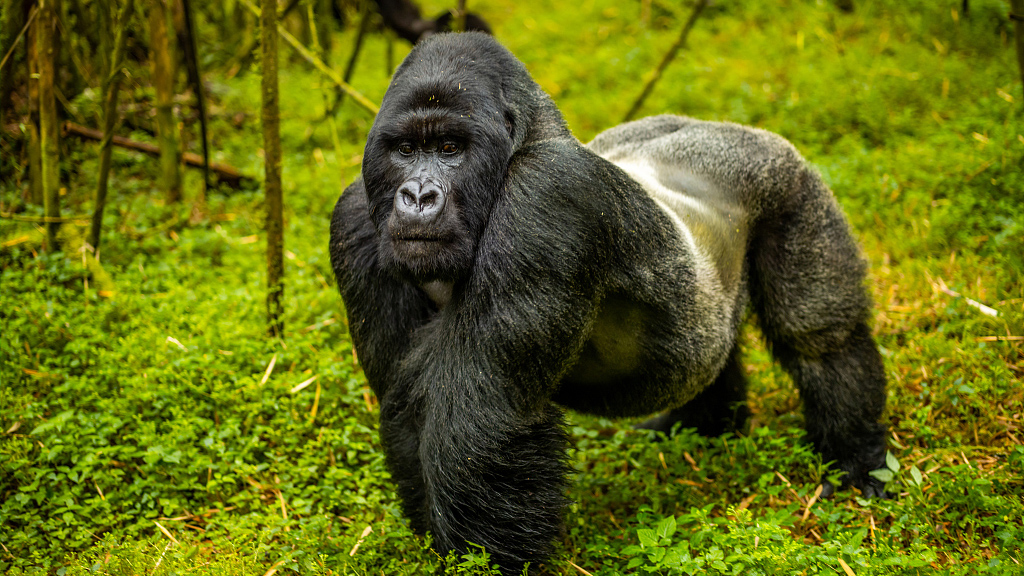
12-Day Uganda Gorilla Trekking, Chimp Tracking & Cultural Safari
12-Day Uganda Gorilla Trekking, Chimp Tracking & Cultural Safari
14-Day Best of Uganda Safari – Gorillas, Wildlife, Cultures
14-Day Best of Uganda Safari – Gorillas, Wildlife, Cultures
Bwindi Impenetrable National Park – The Crown Jewel of Gorilla Trekking
Recognizing When You Should Get Sick Before the Trek
Even mild illnesses can seriously affect your ability to complete a gorilla trek safely. Symptoms such as fever, persistent cough, diarrhea, nausea, or severe fatigue indicate that your body may not be ready for the physical demands of trekking through dense rainforest terrain. Attempting the trek while unwell can increase the risk of exhaustion, dehydration, slips, or falls on muddy and uneven trails. More importantly, respiratory illnesses and other infections can easily transmit to gorillas, whose immune systems are extremely sensitive. In this sense, choosing to reschedule due to illness is not only a precaution for yourself but also a critical act of conservation.
Communicating and Rescheduling
If you feel unwell in the days leading up to your trek, it is essential to inform the park authorities or your tour operator promptly. Clear communication allows them to advise on the safest course of action and help adjust your gorilla trekking permit for a later date. Most operators have flexible health-related policies because they prioritize both visitor safety and the protection of gorillas. Acting quickly ensures you do not jeopardize your own experience or the wellbeing of these endangered animals.
Preventive Measures Before the Trek
Proper preparation can reduce the likelihood of getting sick before your gorilla trek. Maintaining excellent hygiene, staying well-hydrated, eating nutritious meals, and ensuring sufficient rest in the days leading up to your trek strengthen the immune system. Following recommended vaccinations, taking anti-malarial medication if necessary, and bringing personal medications can prevent common illnesses. Packing a small health kit with hand sanitizer, basic first aid items, and any necessary prescription medications is also recommended, allowing you to address minor ailments before they escalate.
In addition, travelers should consider environmental factors that may contribute to illness. Adjusting to local weather, humidity, and altitude ahead of time is important. For example, high-altitude treks in Bwindi or Volcanoes National Park may affect breathing and stamina, while rainy seasons can increase exposure to damp conditions that stress the body. Simple steps like acclimatization walks, gradual exposure to the forest environment, and avoiding strenuous activity immediately upon arrival can reduce the risk of falling ill.
Protecting the Gorillas
Mountain gorillas are highly vulnerable to human-borne illnesses. Even asymptomatic carriers can transmit respiratory diseases, colds, or flu to gorilla families, which can be fatal given their limited immunity. Trekking while sick can unintentionally put these endangered animals at risk. Park authorities may enforce health assessments or deny access if symptoms are detected, ensuring the safety of both visitors and gorillas. Responsible trekking emphasizes the welfare of these creatures above personal convenience.
Beyond respiratory concerns, hygiene practices such as handwashing before and after treks, avoiding close contact with gorillas if unwell, and following all ranger instructions are essential. Many parks also request that visitors wear face masks during close encounters to reduce potential disease transmission. These precautions reinforce that your health directly impacts gorilla conservation.
Managing Illness During the Trek
Sometimes mild symptoms may appear unexpectedly during a trek. In such cases, it is vital to listen to your body and communicate openly with your guides. Gorilla trekking guides are trained to monitor the health and safety of their groups and can advise on taking breaks or retreating if necessary. Carrying sufficient water, light snacks, and essential medications helps manage fatigue or minor discomfort, but serious illness should always prompt immediate withdrawal from the trek to avoid complications.
Guides may also adapt the trekking pace or route to accommodate health concerns, ensuring that visitors do not overexert themselves. Observing the gorillas safely while sitting or standing in shaded areas can reduce physical strain if energy levels drop during the hike.
Mental and Emotional Preparedness
Being physically fit is only one aspect of safe trekking; mental readiness is equally important. The anticipation of seeing gorillas can be overwhelming, and stress or anxiety can exacerbate minor health issues. Practicing relaxation techniques, pacing yourself during hikes, and staying focused on calm observation can prevent unnecessary strain. Adequate sleep before the trek and avoiding late-night activities can also contribute to better overall wellbeing.
Prioritizing health before and during your gorilla trekking adventure ensures both a safer, more enjoyable experience for you and a responsible, protective approach toward the gorillas you are privileged to observe. By preparing thoughtfully, maintaining hygiene, and listening to your body, you safeguard not only your own experience but also the survival and welfare of one of the planet’s most endangered species.
More Gorilla Trekking Information to Know.
Gorilla trekking goes far beyond just the hike — it’s a deep, emotional journey into the heart of Africa’s last wild rainforests. Knowing the right timing, permits, fitness tips, and park details can turn your experience from good to unforgettable.
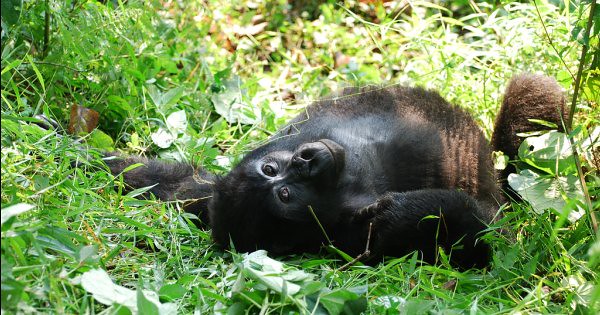
Gorilla Trekking in Bwindi Impenetrable Forest
Gorilla Trekking in Bwindi Impenetrable Forest
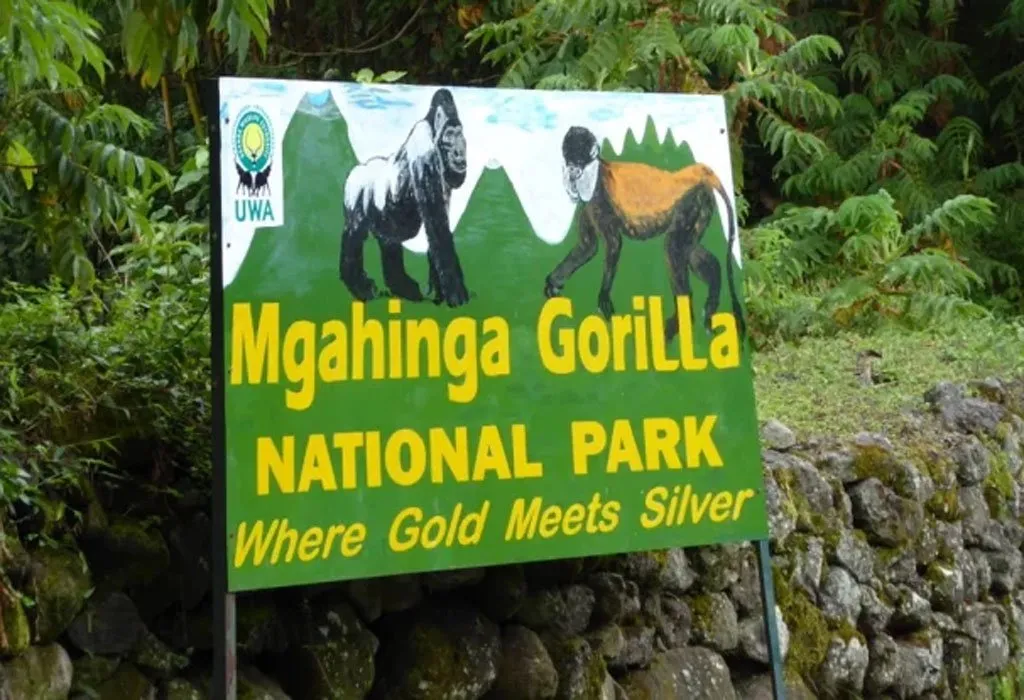
Trekking Gorillas in Mgahinga National Park
Trekking Gorillas in Mgahinga National Park
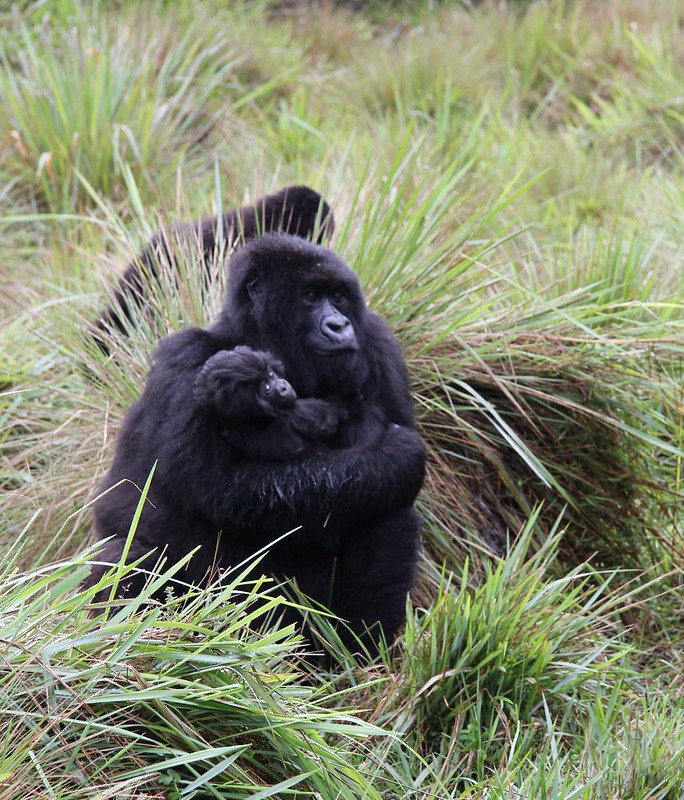
Uganda Gorilla Trekking Permits – Prices, Booking, & Travel Tips
Uganda Gorilla Trekking Permits – Prices, Booking, & Travel Tips
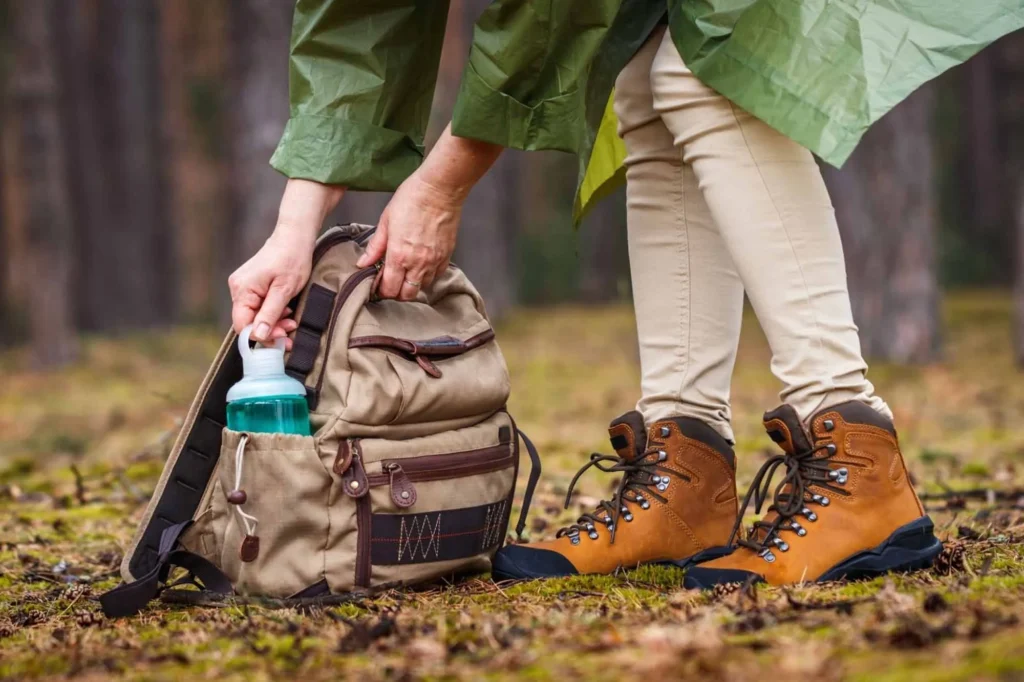
What to Pack for Gorilla Trekking in Uganda – Expert Checklist
What to Pack for Gorilla Trekking in Uganda – Expert Checklist
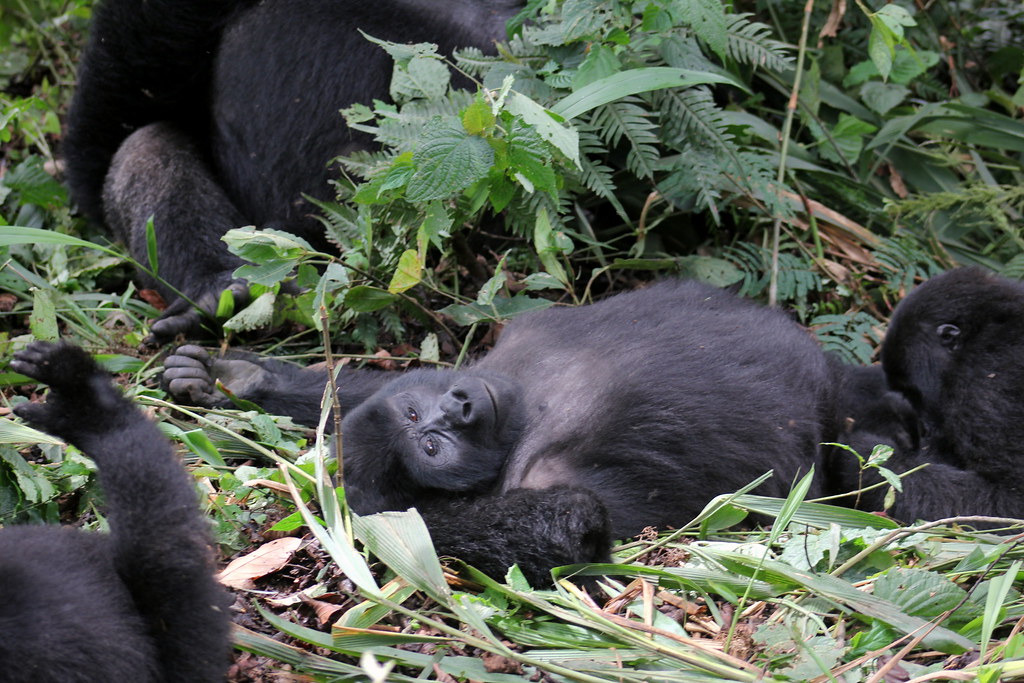
Best Time to Go Gorilla Trekking in Uganda – Weather & Seasons
Best Time to Go Gorilla Trekking in Uganda – Weather & Seasons
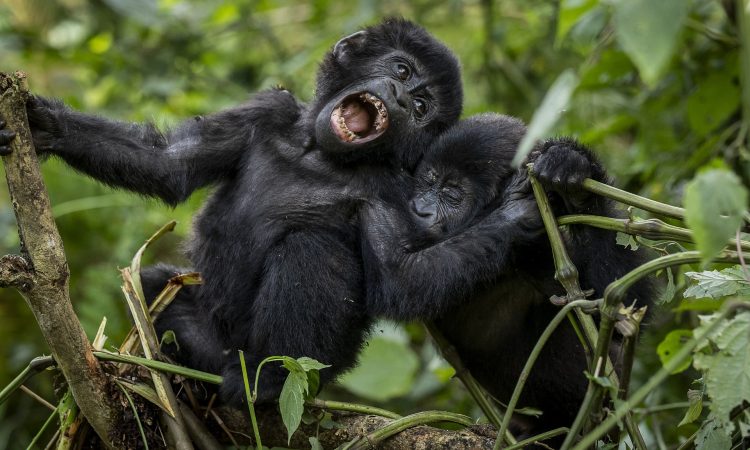
Gorilla Trekking Difficulty in Uganda – Fitness & Trail Guide
Gorilla Trekking Difficulty in Uganda – Fitness & Trail Guide
Gorilla Trekking Rules in Uganda – Safety, Respect & Ethics
Gorilla Trekking Rules in Uganda – Safety, Respect & Ethics
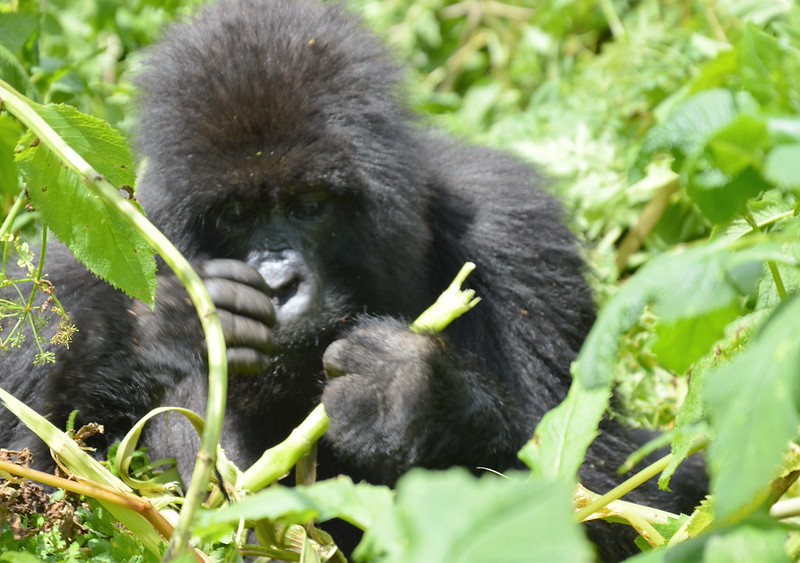
Gorilla Conservation in Uganda – Protecting the Mountain Giants
Gorilla Conservation in Uganda – Protecting the Mountain Giants
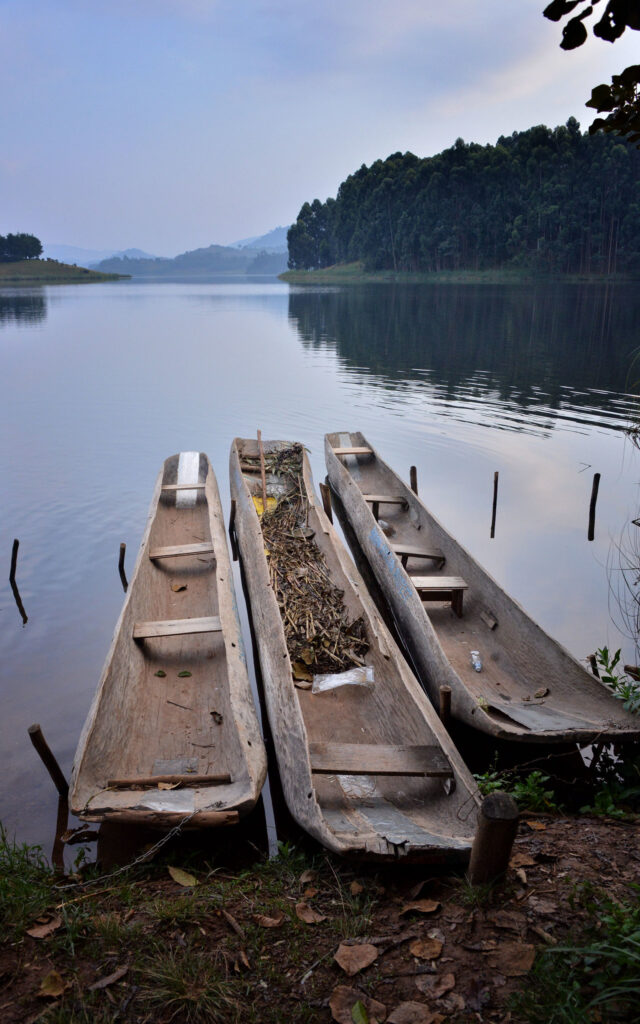
Bwindi vs. Mgahinga – Which One to Choose For Gorilla Trekking?
Bwindi vs. Mgahinga – Which One to Choose For Gorilla Trekking?
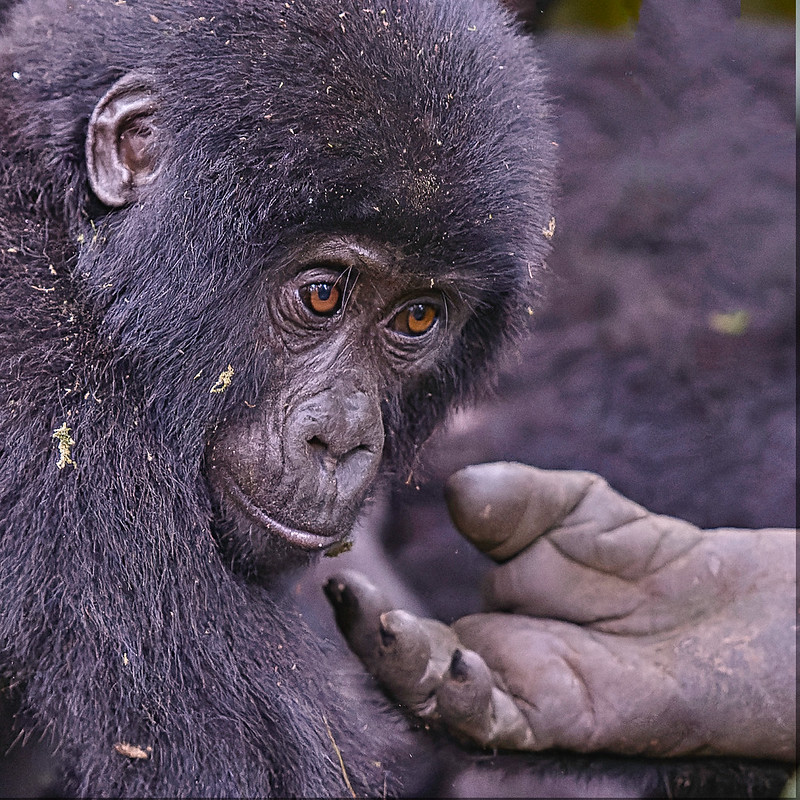
How to Stay Safe and Healthy While Traveling in Uganda
How to Stay Safe and Healthy While Traveling in Uganda
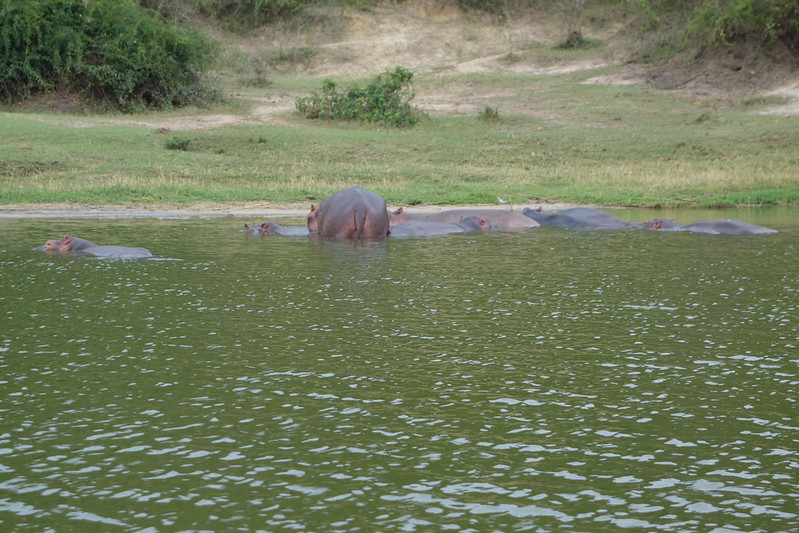
Routes, Tips & Travel Wisdom for Getting to Bwindi or Mgahinga
Routes, Tips & Travel Wisdom for Getting to Bwindi or Mgahinga
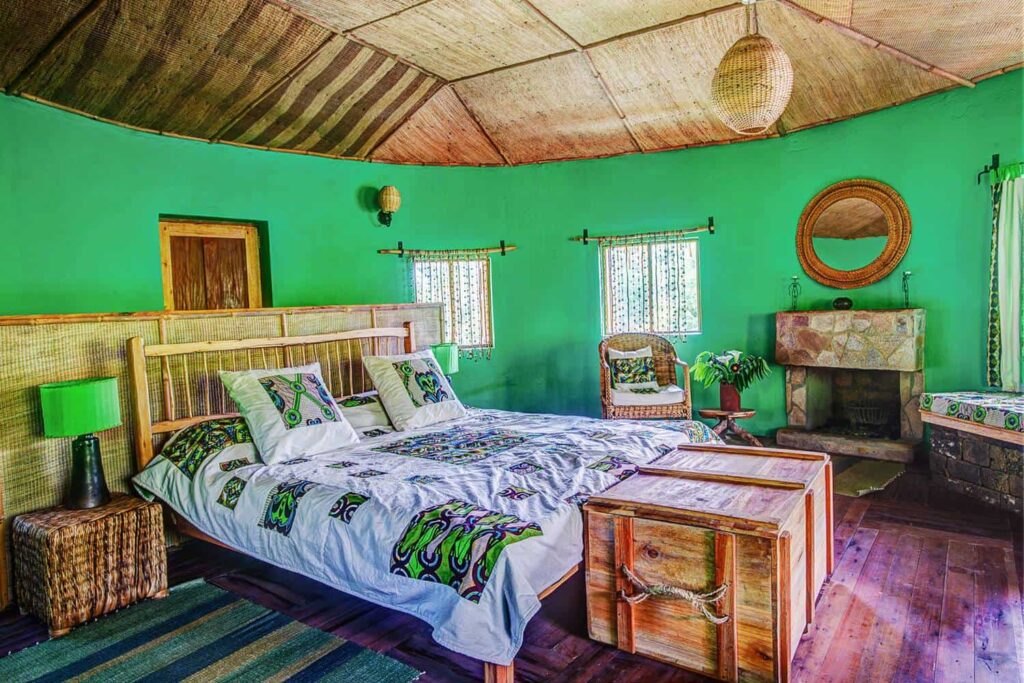
Accommodation Options: Lodges & Camps in Bwindi and Mgahinga
Accommodation Options: Lodges & Camps in Bwindi and Mgahinga
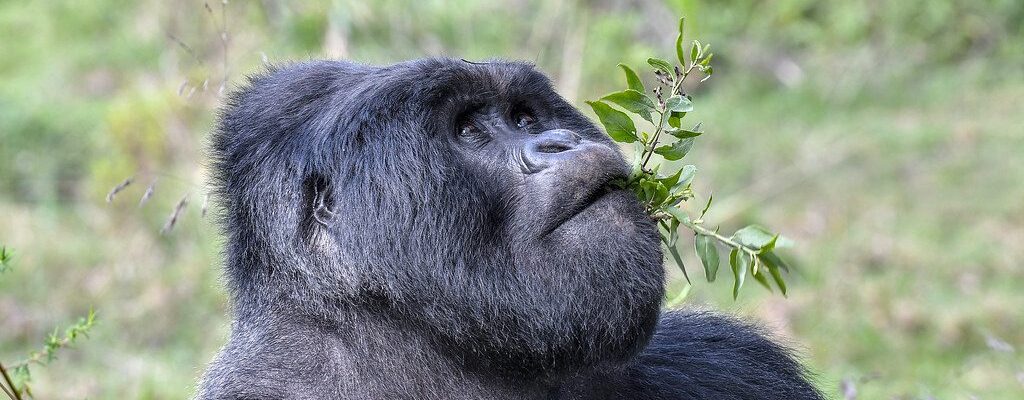
Protecting What You Came to See: Gorilla Conservation & Ethics
Protecting What You Came to See: Gorilla Conservation & Ethics
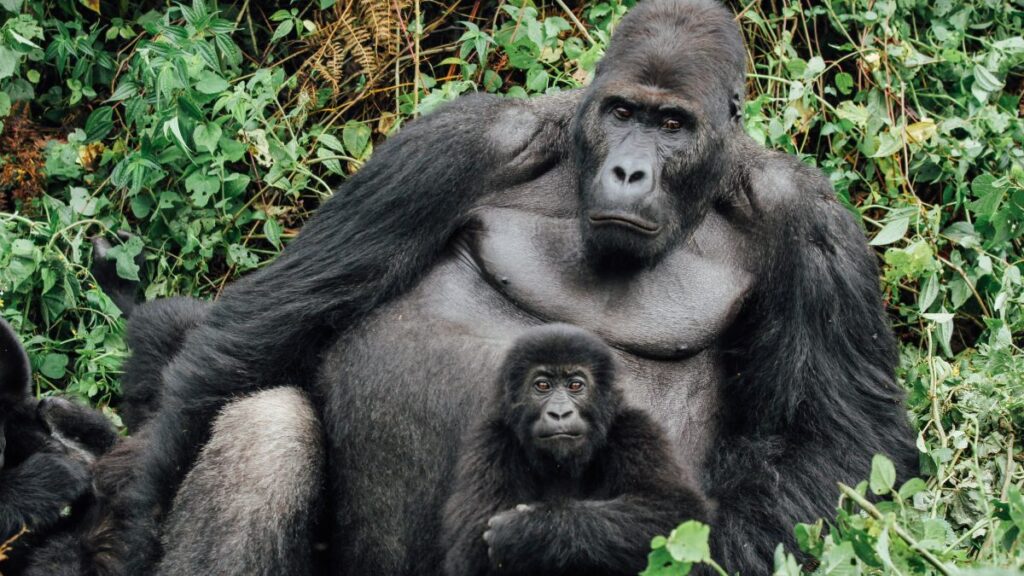
Travel Insurance for Gorilla Treks: Before You Go
Travel Insurance for Gorilla Treks: Before You Go
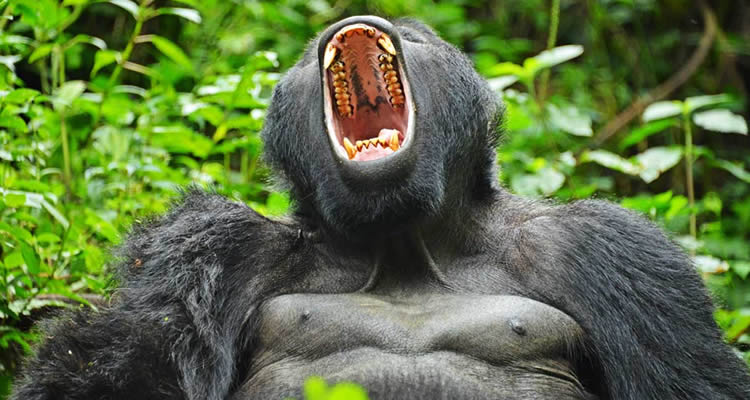
First Time Gorilla Trekking? Here’s Everything I Wish I Knew
First Time Gorilla Trekking? Here’s Everything I Wish I Knew
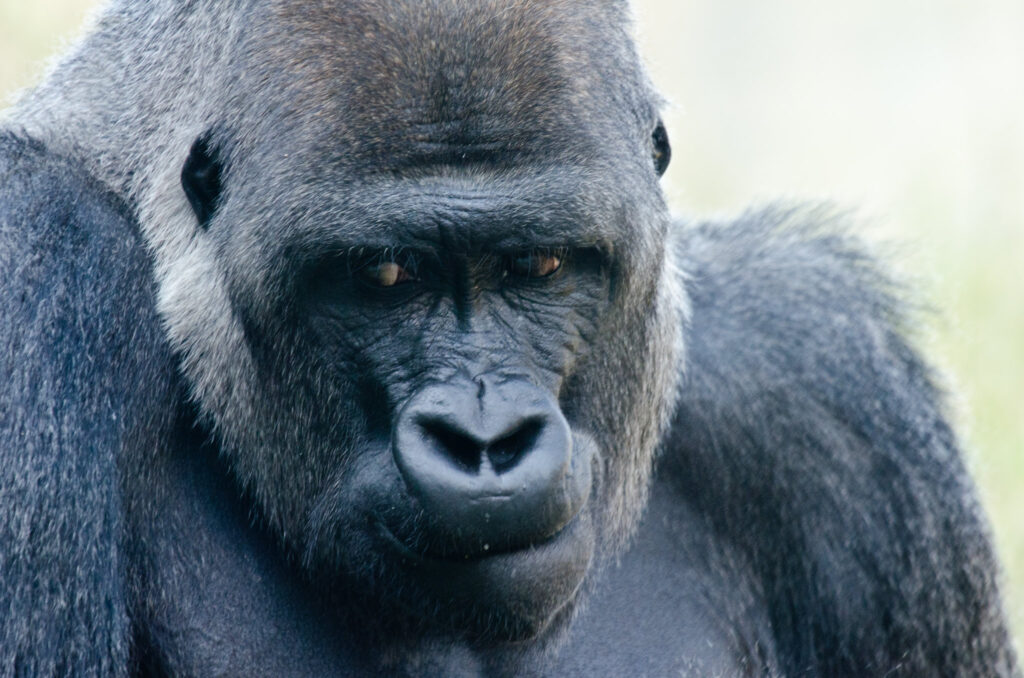
Step by Step: What Happens During a Gorilla Trekking Day
Step by Step: What Happens During a Gorilla Trekking Day
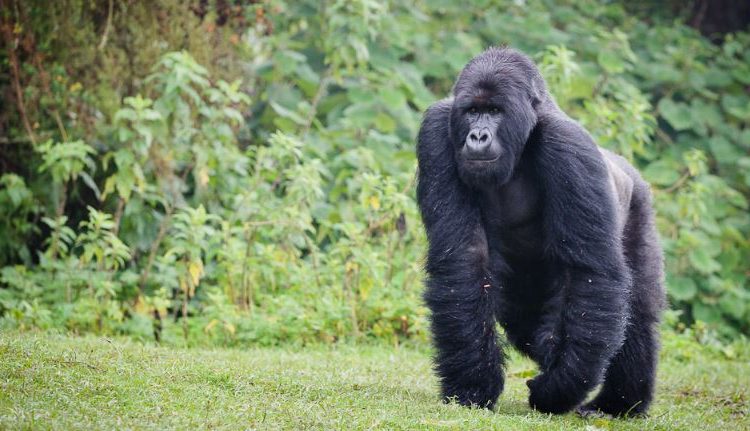
Gorilla Trekking vs. Gorilla Tracking – What’s the Real Difference?
Gorilla Trekking vs. Gorilla Tracking – What’s the Real Difference?
Beyond Gorillas: Other Wildlife You Can See During Your Trek
Beyond Gorillas: Other Wildlife You Can See During Your Trek
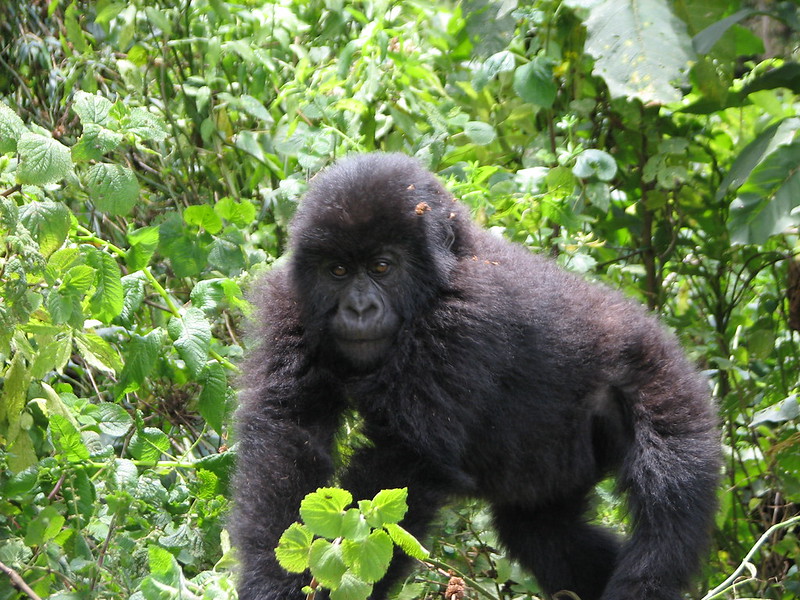
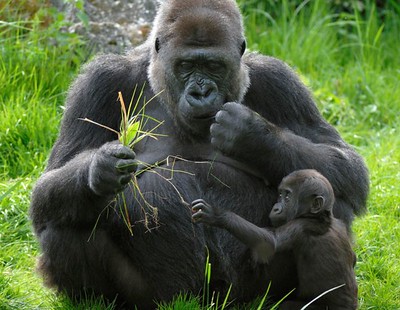
In the Realm of Giants – Bwindi & Mgahinga in Frames.
Wander through an elegant gallery capturing Uganda’s most exclusive gorilla sanctuaries, where ancient forests cradle the last mountain gorillas in a world of mist, mystery, and majesty.
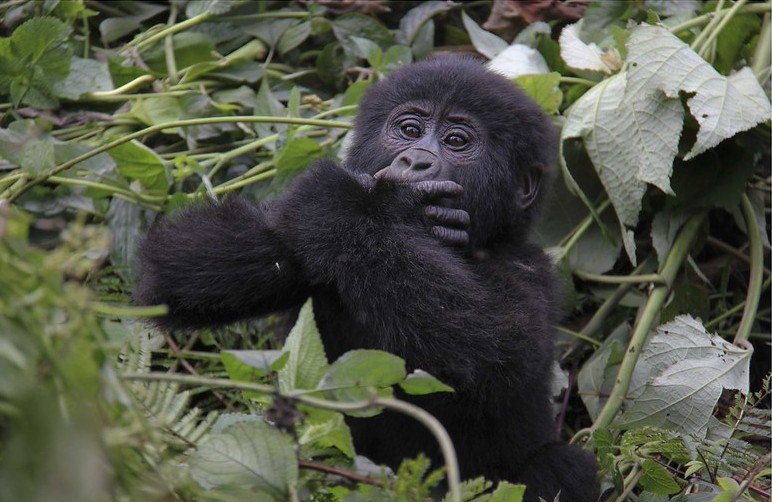
Essential Planning Tips for Visiting Uganda’s National Parks.
Get ready for the wild heart of Africa with expert travel tips on when to visit, what to pack, where to go, and how to make the most of your safari across Uganda’s breathtaking national parks.
Why Uganda for Gorilla Trekking?
Uganda is not just a destination — it's the very soul of gorilla trekking. With over half of the world’s remaining mountain gorillas calling its misty forests home, Uganda offers the rarest encounters in their most authentic setting. Here, your journey is not rushed or crowded. Instead, you’re guided by experienced rangers through pristine jungles where gorillas live as they always have — wild, free, and magnificent
From insider travel insights to unforgettable trekking guides, our blog is your trusted path into Uganda’s wild heart — connecting you with mountain gorillas, breathtaking landscapes, and the soul-stirring adventures that make this land unlike any other.