

Where the soul of the forest whispers in the mist
One of the most important questions any gorilla trekker can ask before entering the forests of Bwindi Impenetrable National Park or Mgahinga Gorilla National Park is how to recognize signs that a gorilla may feel threatened, and how to respond appropriately. Mountain gorillas are not naturally aggressive, but they are highly intelligent, emotionally aware, and deeply protective of their families. In the dense rainforest, where visibility is often limited and encounters can feel immediate, understanding gorilla body language is essential for both visitor safety and the well being of the animals.
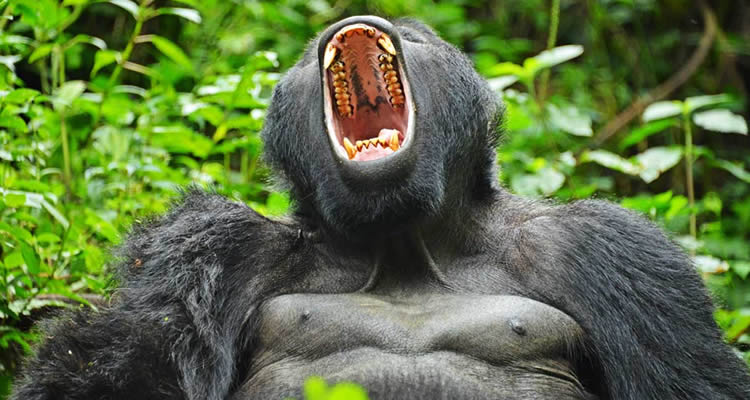
Common warning signals include prolonged direct eye contact from a silverback, low grumbling vocalizations, mock charges, tearing vegetation, chest beating, or sudden displays of strength such as slapping the ground. These behaviors are typically not attacks, but communication. They serve as clear warnings that boundaries are being tested or that the gorilla perceives a potential threat. In many cases, such signals are triggered by simple human mistakes such as standing too close, moving abruptly, speaking loudly, or failing to follow a guide’s instructions.
Knowing how to interpret these behavioral cues empowers trekkers to respond with calmness, respect, and confidence. Gorilla trekking rules are not arbitrary restrictions, they are grounded in decades of behavioral research, field observation, and conservation experience. Guidelines such as maintaining the recommended viewing distance, avoiding direct eye contact, keeping voices low, and following ranger instructions are all designed to reduce stress for the gorillas while ensuring visitor safety.
When humans recognize and respond properly to early warning signals, situations almost never escalate. A silverback’s display is usually a message, not a prelude to attack. By adjusting posture, stepping back slowly, and remaining composed, trekkers communicate non aggression and respect. Rangers carefully monitor these subtle shifts in body language and guide groups accordingly, creating a controlled and secure environment even within dense forest settings like Bwindi Impenetrable National Park and Mgahinga Gorilla National Park.
This understanding replaces fear with informed awareness. What might initially feel like a tense moment becomes a powerful reminder of how closely related humans are to these intelligent primates.
So lace up your boots, grab your camera, and prepare to meet the wild — this is where your gorilla trekking dreams and unforgettable safari adventures truly begin.
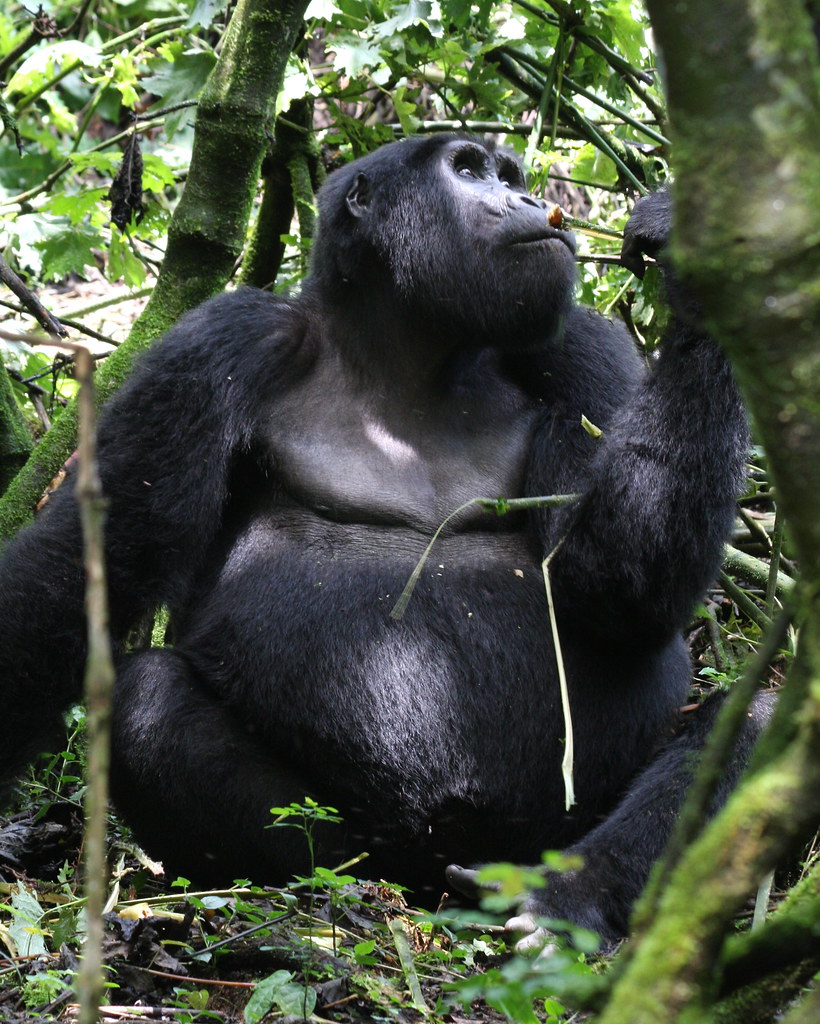
Truly Iconic Highlights in Uganda

Trek through Bwindi’s mystical rainforest and meet the endangered mountain gorillas in their breathtaking natural home.
Encounter mountain gorillas and golden monkeys on Mgahinga’s misty volcanic trails, where culture and alpine wildlife thrive together.
Unwind after your trek with a peaceful canoe ride across Lake Bunyonyi, Uganda’s most tranquil and scenic highland lake.
Enhance your gorilla trekking safari with an optional chimpanzee encounter in Uganda’s lush forests, adding depth and diversity to your primate adventure
Gorilla Trekking Tours in Uganda – Our Most Popular Itineraries.
Explore our gorilla trekking safaris for every traveler—solo, family, budget, or luxury. All tours include permits, transport, accommodation, meals, and park fees. Whether for a quick trip or a deeper adventure, we’ve got you covered.
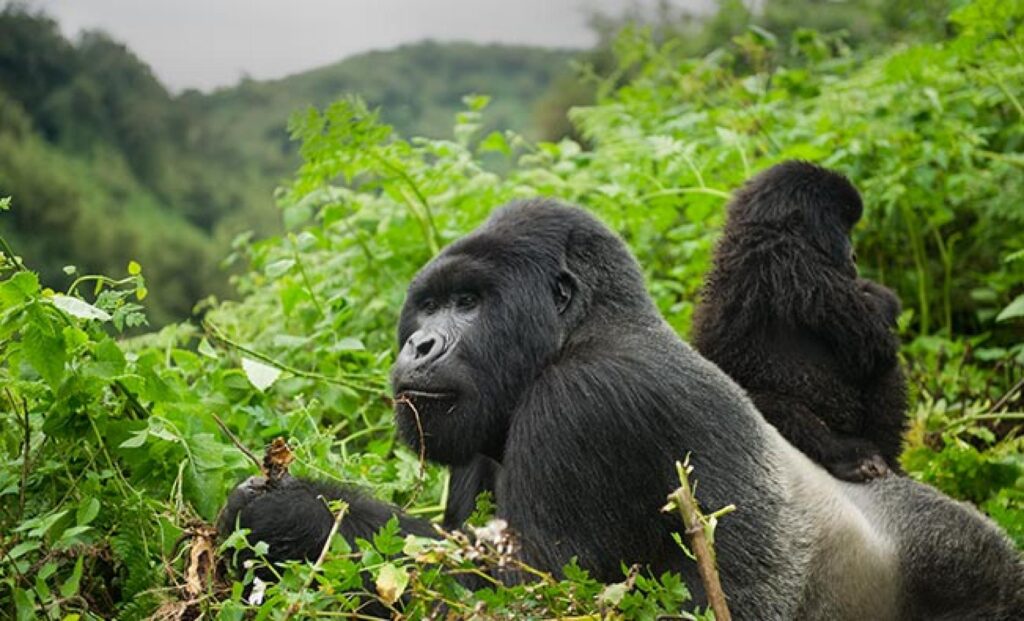
3-Day Bwindi Gorilla Trekking Safari
3-Day Bwindi Gorilla Trekking Safari
4-Day Uganda Gorilla Trekking Safari
4-Day Uganda Gorilla Trekking Safari
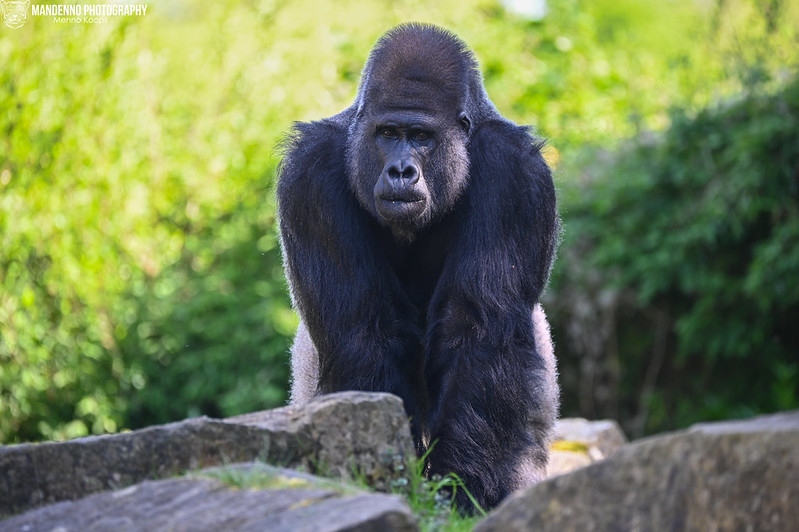
5-Day Gorilla Tracking and Wildlife Safari
5-Day Gorilla Tracking and Wildlife Safari
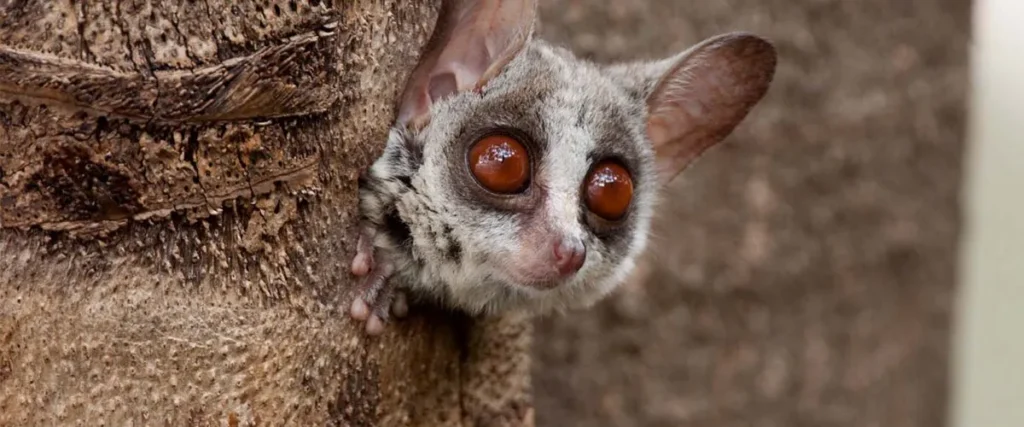
7-Day Uganda Primate Adventure & Wildlife Safari
7-Day Uganda Primate Adventure & Wildlife Safari
10-Day Gorilla Trekking & Big Five Safari in Uganda
10-Day Gorilla Trekking & Big Five Safari in Uganda
12-Day Uganda Gorilla Trekking, Chimp Tracking & Cultural Safari
12-Day Uganda Gorilla Trekking, Chimp Tracking & Cultural Safari
14-Day Best of Uganda Safari – Gorillas, Wildlife, Cultures
14-Day Best of Uganda Safari – Gorillas, Wildlife, Cultures
When Gorillas Signal Discomfort: Understanding Warning Signs and Human Response
Understanding Gorilla Behavior in the Wild
Gorillas are highly intelligent, socially complex primates that rely heavily on communication to maintain harmony within their groups. In the wild, they communicate constantly through posture, subtle body shifts, facial expressions, vocal sounds, and controlled movements. Unlike predators that depend on stealth or sudden aggression, gorillas prefer clarity. They almost always signal discomfort or concern long before any physical escalation occurs.
When a gorilla feels uneasy, its goal is not confrontation but distance. Warnings are deliberate and layered, giving perceived intruders multiple opportunities to adjust their behavior. Recognizing these signals early is essential for maintaining a peaceful encounter. Understanding that gorillas communicate in stages helps visitors interpret what they see without misjudging natural defensive displays as aggression.
Most perceived threats arise from human behavior rather than gorilla temperament. Sudden movements, direct or prolonged eye contact, standing too close, speaking loudly, or ignoring ranger instructions can disrupt the group’s sense of safety. Gorillas are particularly sensitive to body language that appears dominant, erratic, or unpredictable. Even actions that seem harmless, such as stepping forward unexpectedly, crouching abruptly, or raising a camera quickly, can be misinterpreted.
By approaching gorillas with patience and awareness, trekkers allow the animals to remain calm and confident in their space.
Signs a Gorilla Might Feel Threatened
Gorillas rarely escalate without first displaying subtle cues. Learning to identify early warning signs significantly reduces the risk of tension.
One of the earliest indicators is a change in posture. A gorilla that suddenly stiffens, stands upright, squares its shoulders, or freezes mid-movement is often assessing a situation. This stillness is a moment of evaluation rather than aggression. The animal is observing, measuring distance, and determining intent.
Chest beating is perhaps the most recognizable gorilla display. While it is sometimes used in social communication within the group, when directed toward humans it often serves as a request for space. The sound can be dramatic and intimidating, but it is primarily an auditory signal of strength meant to discourage further approach.
Vocalizations such as deep grunts, short barks, growls, or louder roars can accompany visible agitation. These sounds reinforce visual signals and often indicate that stress levels are rising. A sudden silence followed by a sharp vocal burst can signal heightened alertness within the group.
Ground slapping, vegetation tearing, or branch breaking represents a stronger warning. A gorilla may strike the ground forcefully or rip leaves and stems to demonstrate physical power. These actions are clear communications that boundaries feel too close and need to be re-established.
Mock charges, though uncommon, are considered a final warning stage. The gorilla may run forward briefly and stop abruptly, sometimes kicking up leaves or dirt. Despite the dramatic appearance, this behavior is usually a bluff designed to push intruders back without actual physical contact.
In nearly all cases, these signals are sufficient to resolve tension when humans respond appropriately.
How Should I Respond if a Gorilla Feels Threatened?
Remaining calm is the single most important response. Panic, sudden movement, or attempts to flee can escalate the situation unnecessarily. Rangers and guides accompanying trekking groups are highly trained to read gorilla behavior, and their instructions should be followed immediately and carefully.
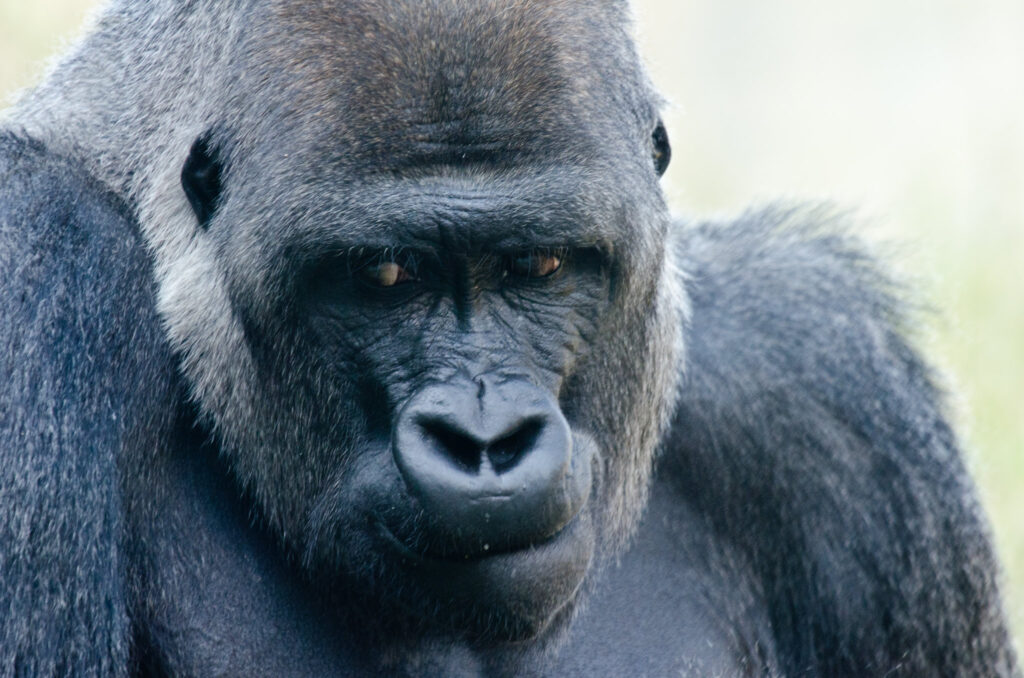
Avoid direct eye contact, particularly with a silverback. In gorilla communication, sustained eye contact can be interpreted as a challenge. Lowering your gaze slightly while maintaining peripheral awareness signals submission and non-threat.
If instructed to create space, step back slowly and carefully. Do not turn your back abruptly and never run. Running can create confusion or stimulate pursuit behavior. Controlled, steady movement communicates respect and reduces tension.
Keep your voice low or remain silent. Loud speech, laughter, or sudden exclamations may heighten stress within the group. If holding a camera, lower it gently and avoid flash photography entirely. Flash can startle gorillas and disrupt the calm environment necessary for safe observation.
Trust the silverback’s protective role. His primary concern is the safety of his family. Once he perceives that his group is no longer threatened, he typically resumes normal activity quickly. Observers often notice how rapidly calm returns when boundaries are respected.
Why These Responses Matter for Conservation
Proper behavior during gorilla encounters protects more than just the visitor. It safeguards the well-being of the gorilla family. Even habituated gorillas, which are accustomed to human presence, remain wild animals. They tolerate observers under carefully controlled conditions, but repeated stress can negatively impact their health and social stability.
Chronic stress may interfere with feeding patterns, weaken immune responses, or disrupt group dynamics. Female gorillas caring for infants are particularly sensitive to environmental disturbance. Ensuring that encounters remain calm helps preserve natural behaviors and reproductive success.
Responsible tourism plays a central role in conservation. Gorilla trekking generates essential funding for habitat protection, ranger salaries, veterinary care, and community development. However, this model depends on respectful interaction. If gorillas were to experience repeated negative encounters, tourism could shift from being a conservation tool to a source of harm.
Education, preparation, and disciplined conduct therefore form the backbone of sustainable gorilla trekking.
Are Dangerous Encounters Common?
Serious incidents during guided gorilla treks are extremely rare. Mountain gorillas in protected areas are monitored daily by trackers and conservation teams who understand each family’s temperament and dynamics. Trekking groups are limited in size, distances are strictly enforced, and visits are time-controlled to minimize disruption.
When incidents do occur, they are almost always linked to rule violations, sudden panic reactions, or misunderstanding warning signals. With experienced guides, clear regulations, and informed visitors, gorilla trekking remains one of the safest and most controlled wildlife experiences in Africa.
In reality, most encounters are calm, moving, and deeply memorable. Visitors often observe gorillas feeding quietly, grooming one another, playing, or resting peacefully in the forest. These moments reveal not danger, but a remarkable species defined by social intelligence and emotional depth.
More Gorilla Trekking Information to Know.
Gorilla trekking goes far beyond just the hike — it’s a deep, emotional journey into the heart of Africa’s last wild rainforests. Knowing the right timing, permits, fitness tips, and park details can turn your experience from good to unforgettable.
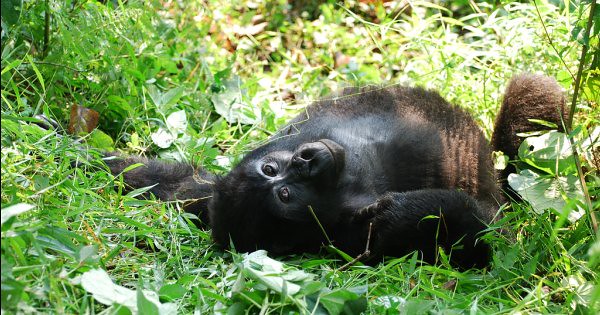
Gorilla Trekking in Bwindi Impenetrable Forest
Gorilla Trekking in Bwindi Impenetrable Forest
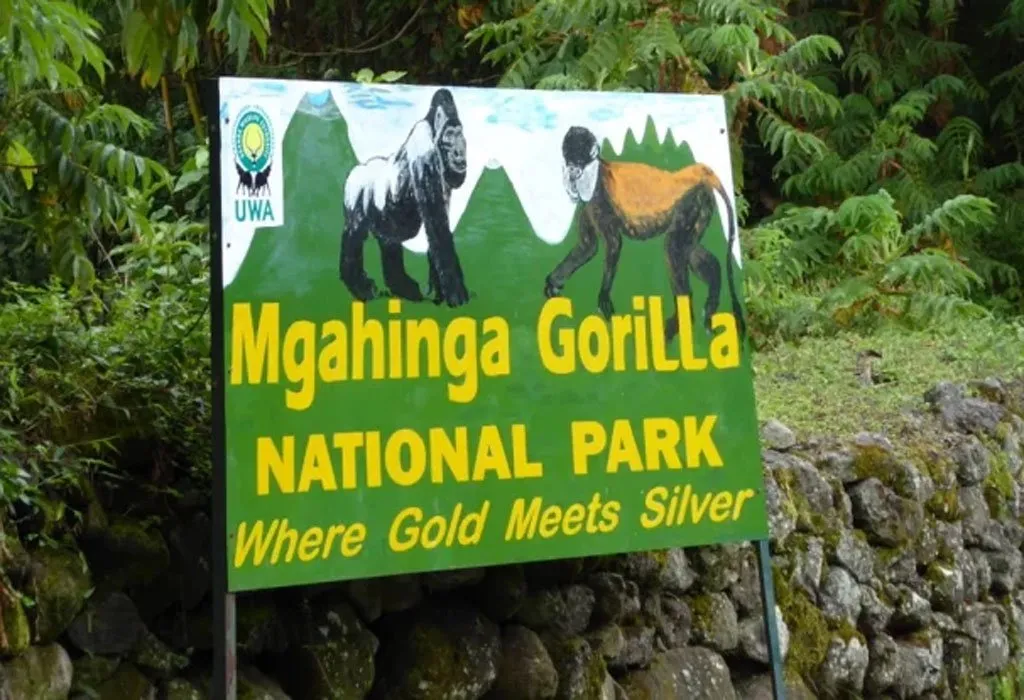
Trekking Gorillas in Mgahinga National Park
Trekking Gorillas in Mgahinga National Park
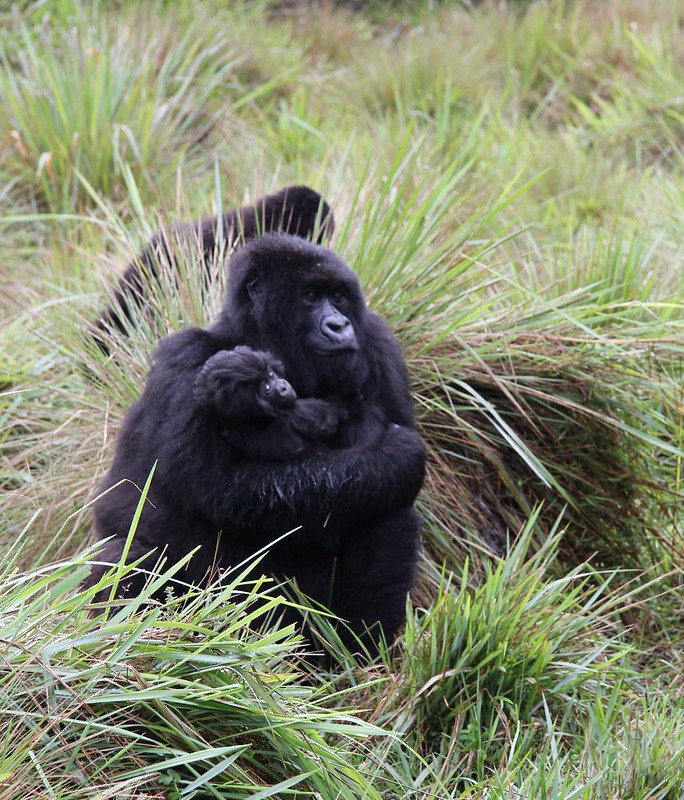
Uganda Gorilla Trekking Permits – Prices, Booking, & Travel Tips
Uganda Gorilla Trekking Permits – Prices, Booking, & Travel Tips

What to Pack for Gorilla Trekking in Uganda – Expert Checklist
What to Pack for Gorilla Trekking in Uganda – Expert Checklist
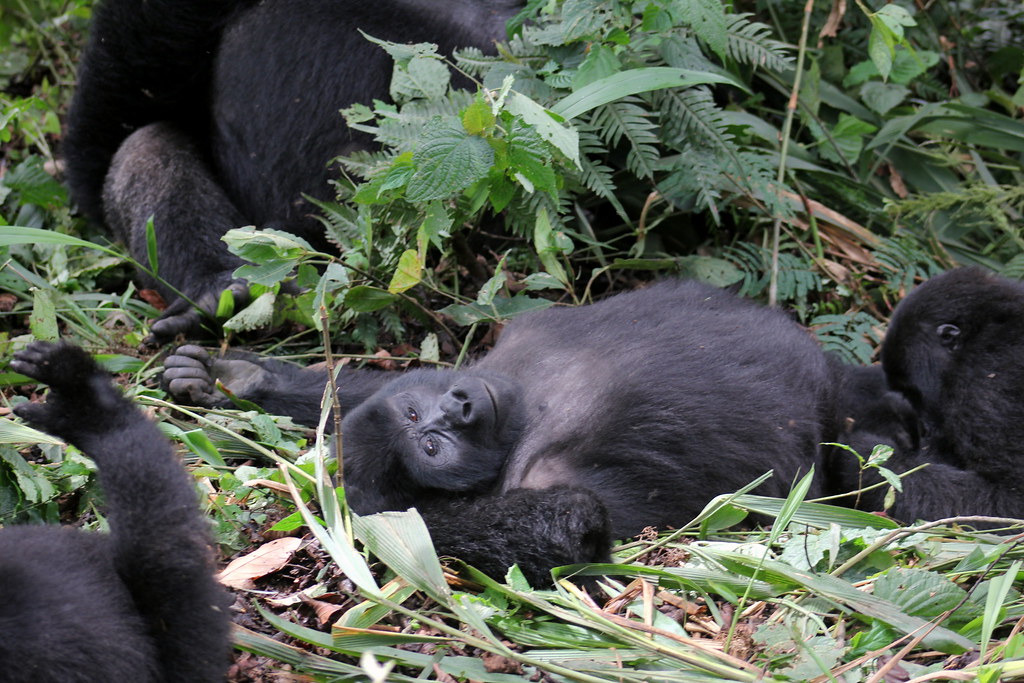
Best Time to Go Gorilla Trekking in Uganda – Weather & Seasons
Best Time to Go Gorilla Trekking in Uganda – Weather & Seasons
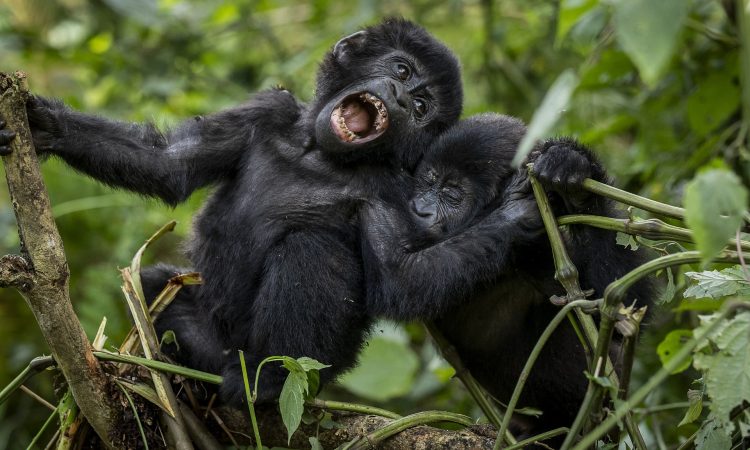
Gorilla Trekking Difficulty in Uganda – Fitness & Trail Guide
Gorilla Trekking Difficulty in Uganda – Fitness & Trail Guide
Gorilla Trekking Rules in Uganda – Safety, Respect & Ethics
Gorilla Trekking Rules in Uganda – Safety, Respect & Ethics
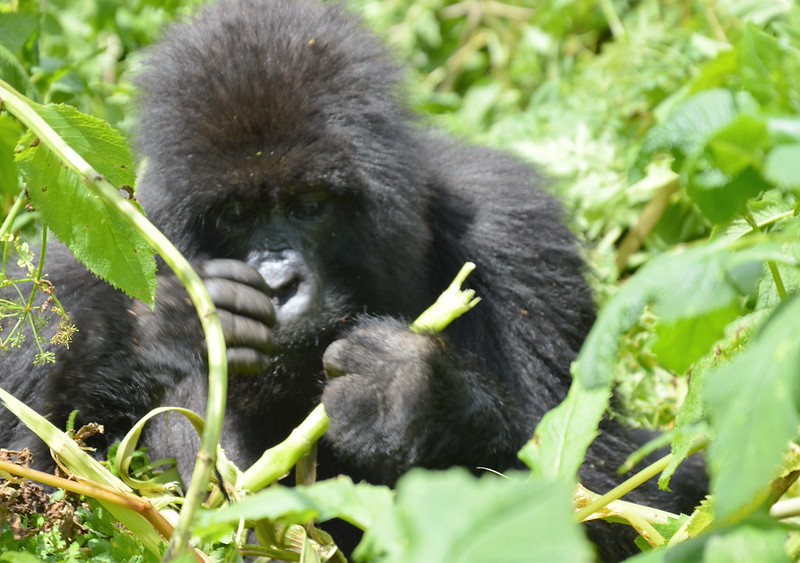
Gorilla Conservation in Uganda – Protecting the Mountain Giants
Gorilla Conservation in Uganda – Protecting the Mountain Giants
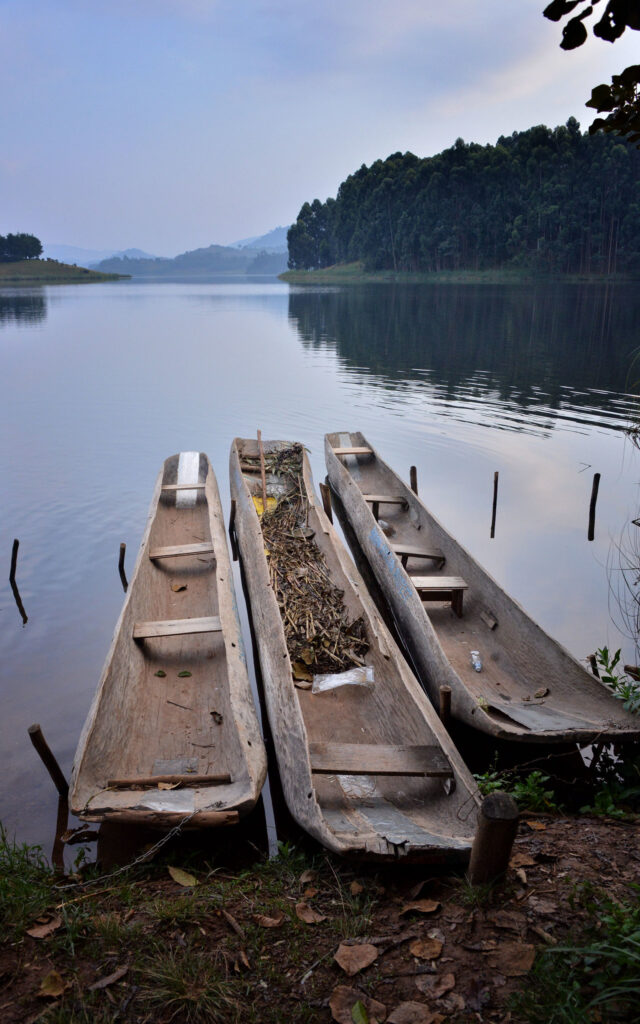
Bwindi vs. Mgahinga – Which One to Choose For Gorilla Trekking?
Bwindi vs. Mgahinga – Which One to Choose For Gorilla Trekking?
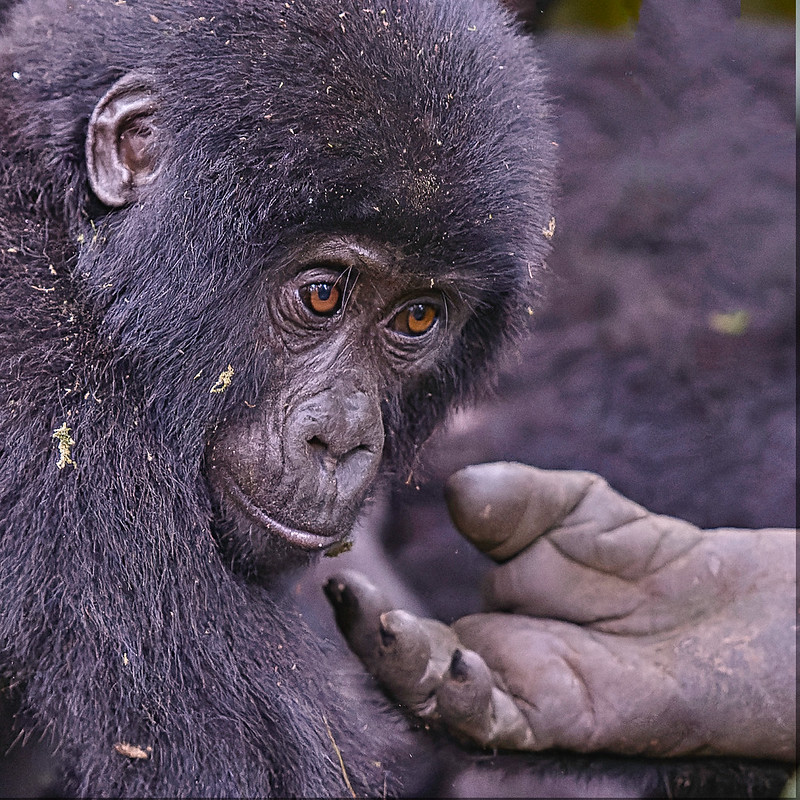
How to Stay Safe and Healthy While Traveling in Uganda
How to Stay Safe and Healthy While Traveling in Uganda
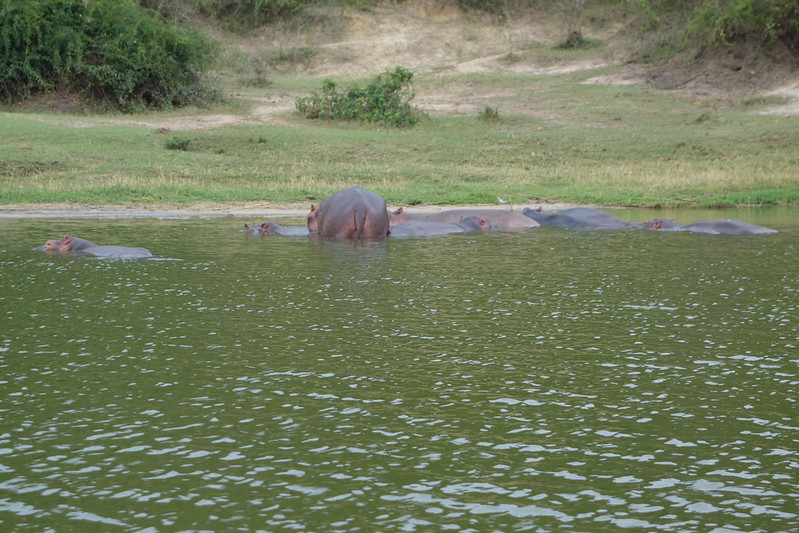
Routes, Tips & Travel Wisdom for Getting to Bwindi or Mgahinga
Routes, Tips & Travel Wisdom for Getting to Bwindi or Mgahinga

Accommodation Options: Lodges & Camps in Bwindi and Mgahinga
Accommodation Options: Lodges & Camps in Bwindi and Mgahinga
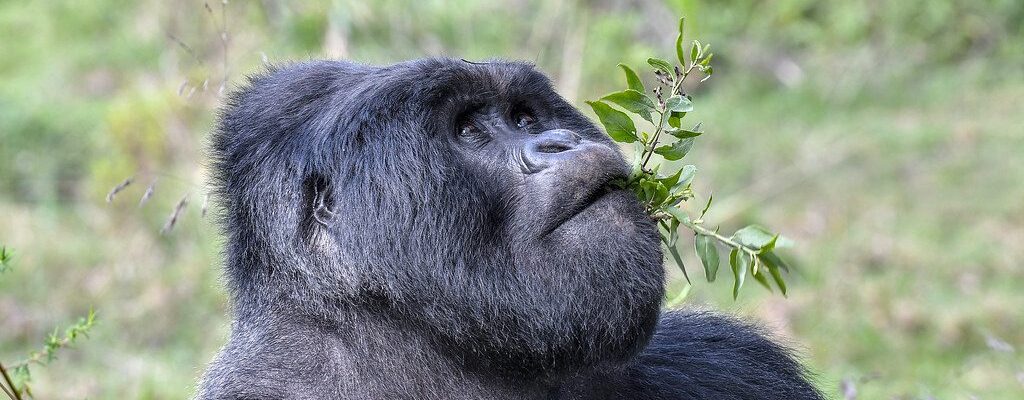
Protecting What You Came to See: Gorilla Conservation & Ethics
Protecting What You Came to See: Gorilla Conservation & Ethics
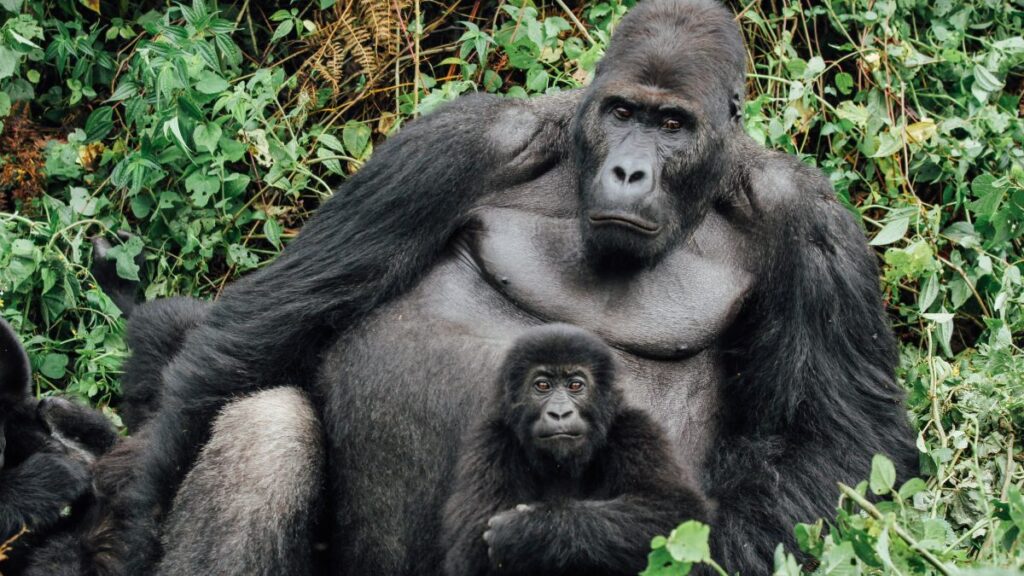
Travel Insurance for Gorilla Treks: Before You Go
Travel Insurance for Gorilla Treks: Before You Go
First Time Gorilla Trekking? Here’s Everything I Wish I Knew
First Time Gorilla Trekking? Here’s Everything I Wish I Knew
Step by Step: What Happens During a Gorilla Trekking Day
Step by Step: What Happens During a Gorilla Trekking Day
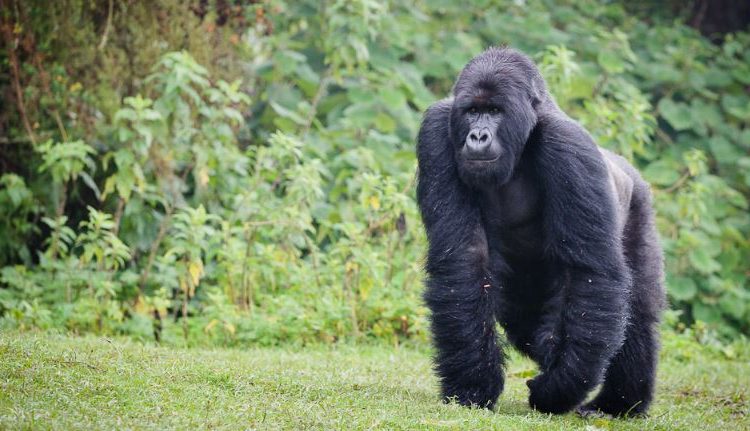
Gorilla Trekking vs. Gorilla Tracking – What’s the Real Difference?
Gorilla Trekking vs. Gorilla Tracking – What’s the Real Difference?
Beyond Gorillas: Other Wildlife You Can See During Your Trek
Beyond Gorillas: Other Wildlife You Can See During Your Trek
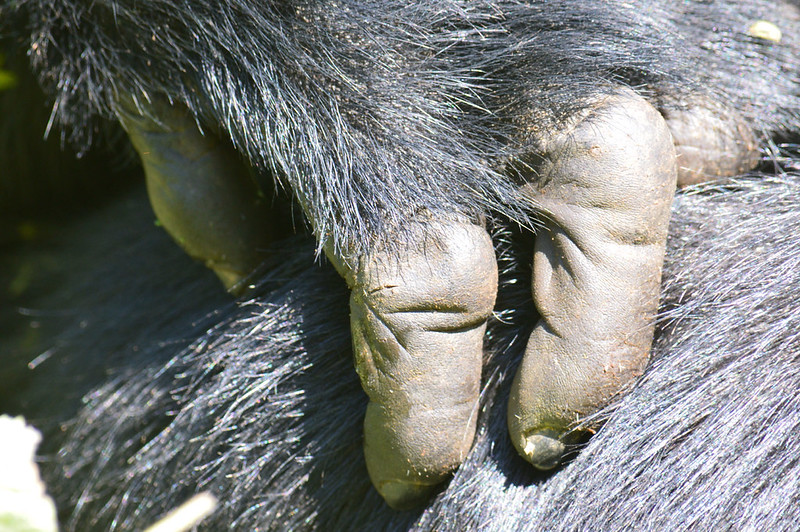
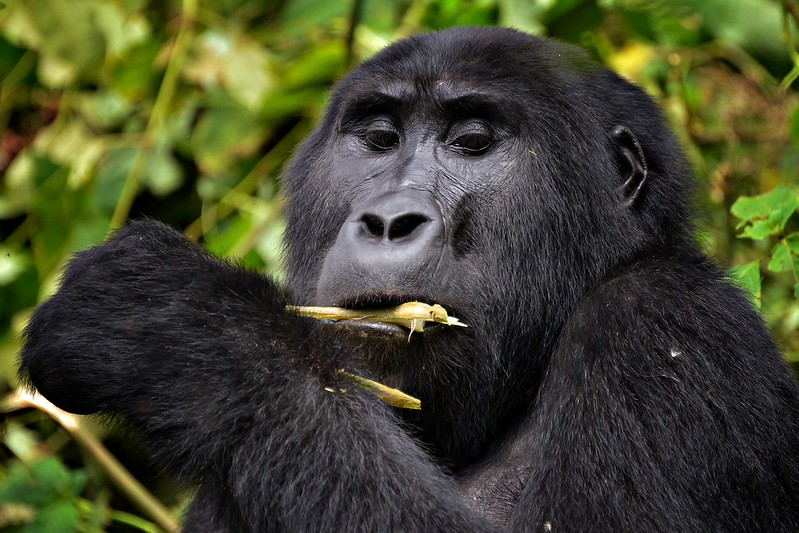
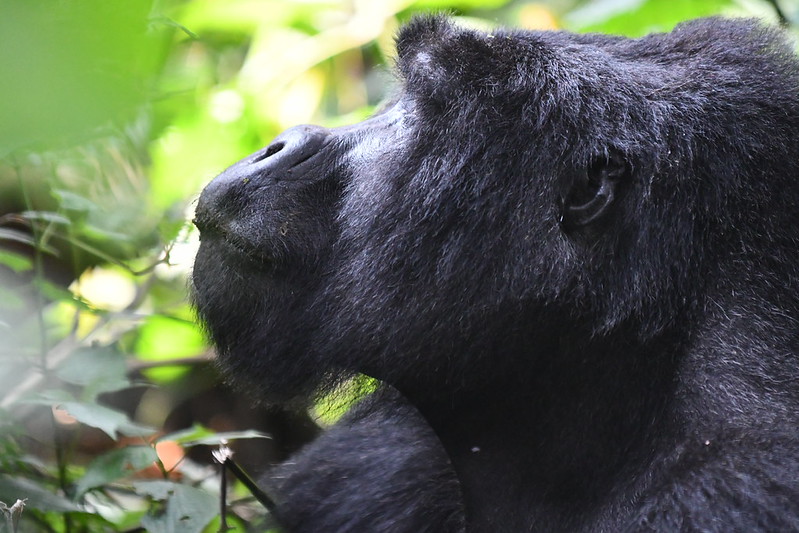
In the Realm of Giants – Bwindi & Mgahinga in Frames.
Wander through an elegant gallery capturing Uganda’s most exclusive gorilla sanctuaries, where ancient forests cradle the last mountain gorillas in a world of mist, mystery, and majesty.
Essential Planning Tips for Visiting Uganda’s National Parks.
Get ready for the wild heart of Africa with expert travel tips on when to visit, what to pack, where to go, and how to make the most of your safari across Uganda’s breathtaking national parks.
Why Uganda for Gorilla Trekking?
Uganda is not just a destination — it's the very soul of gorilla trekking. With over half of the world’s remaining mountain gorillas calling its misty forests home, Uganda offers the rarest encounters in their most authentic setting. Here, your journey is not rushed or crowded. Instead, you’re guided by experienced rangers through pristine jungles where gorillas live as they always have — wild, free, and magnificent
From insider travel insights to unforgettable trekking guides, our blog is your trusted path into Uganda’s wild heart — connecting you with mountain gorillas, breathtaking landscapes, and the soul-stirring adventures that make this land unlike any other.