

Where the soul of the forest whispers in the mist
A common concern among travelers planning gorilla trekking in Uganda, Rwanda, or the Democratic Republic of the Congo is whether gorilla families are aggressive or dangerous. Although these magnificent primates possess extraordinary strength and an imposing presence, their natural behavior is typically calm, social, and non confrontational, especially within habituated groups visited by tourists. In protected areas such as Bwindi Impenetrable National Park, Volcanoes National Park, and Virunga National Park, gorilla families have undergone a careful habituation process that allows them to tolerate human presence without perceiving it as a threat.
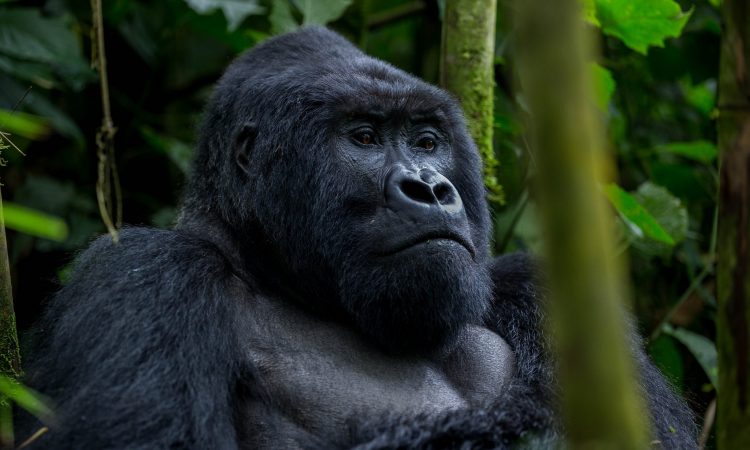
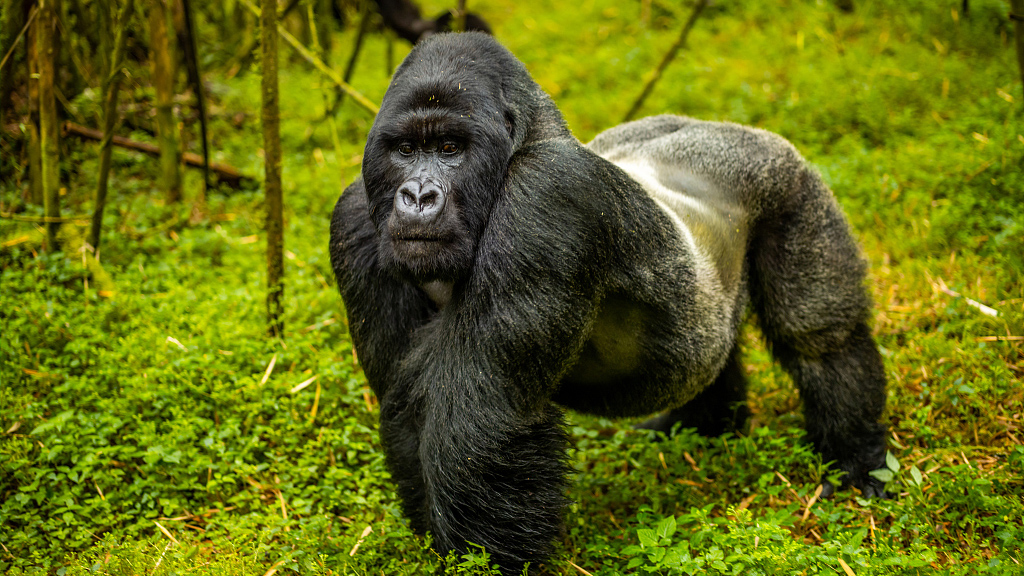
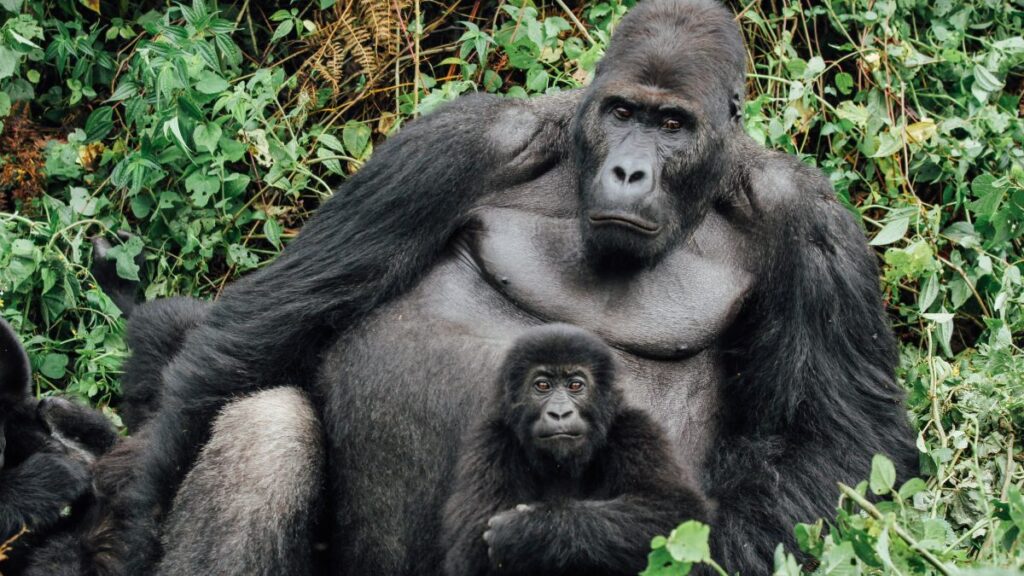
Mountain gorillas live in structured family units led by a dominant silverback, whose primary role is to protect and stabilize the group. The silverback manages conflicts, guides movement, and ensures the safety of females and young gorillas. While he may display behaviors such as chest beating or vocalizations, these actions are typically forms of communication and reassurance rather than signs of imminent aggression.
Gorilla trekking experiences are carefully structured around the natural behavioral patterns of mountain gorillas, with trained guides and armed rangers ensuring both visitor safety and minimal disturbance to the animals. In protected areas such as Bwindi Impenetrable National Park and Volcanoes National Park, strict regulations govern viewing distance, group size, and interaction time. These guidelines are rooted in years of research and habituation efforts, allowing gorillas to remain relaxed in the presence of humans while preserving their natural routines.
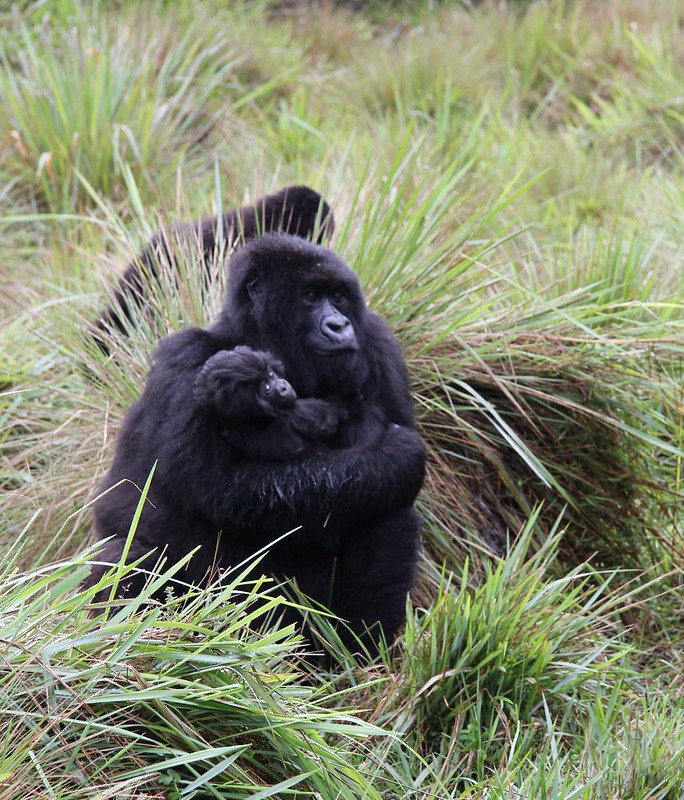
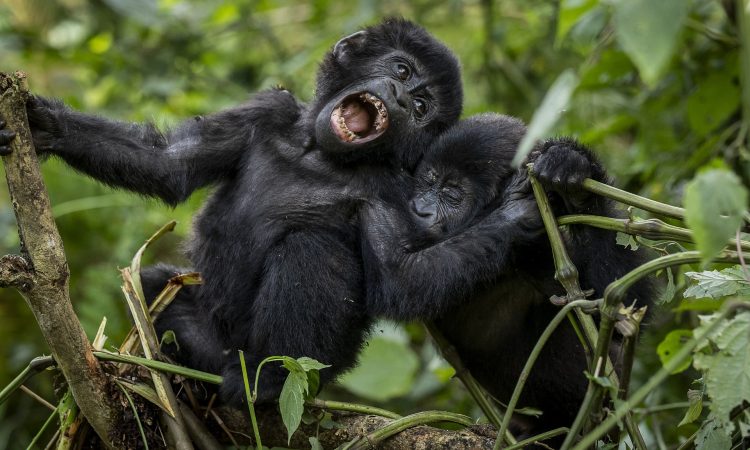
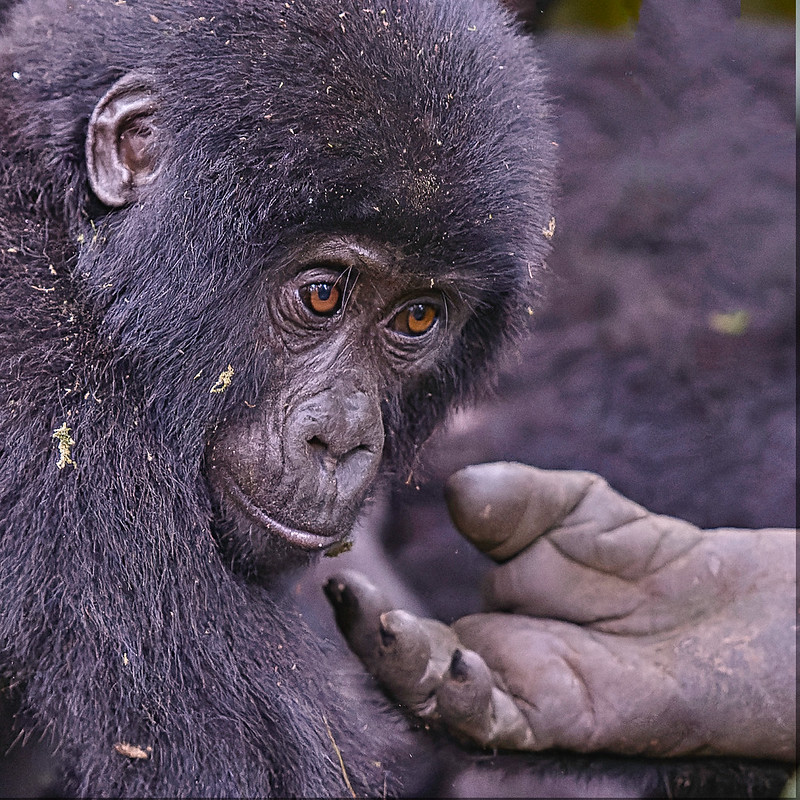
Observing a gorilla family up close is often a deeply emotional and unforgettable experience. Travelers witness intricate social bonds, from mothers tenderly caring for their infants to juveniles playfully tumbling through the undergrowth. The dominant silverback, calm yet watchful, embodies both authority and protection. Such moments reveal not only the strength of these primates but also their gentleness and remarkable intelligence.
So lace up your boots, grab your camera, and prepare to meet the wild — this is where your gorilla trekking dreams and unforgettable safari adventures truly begin.
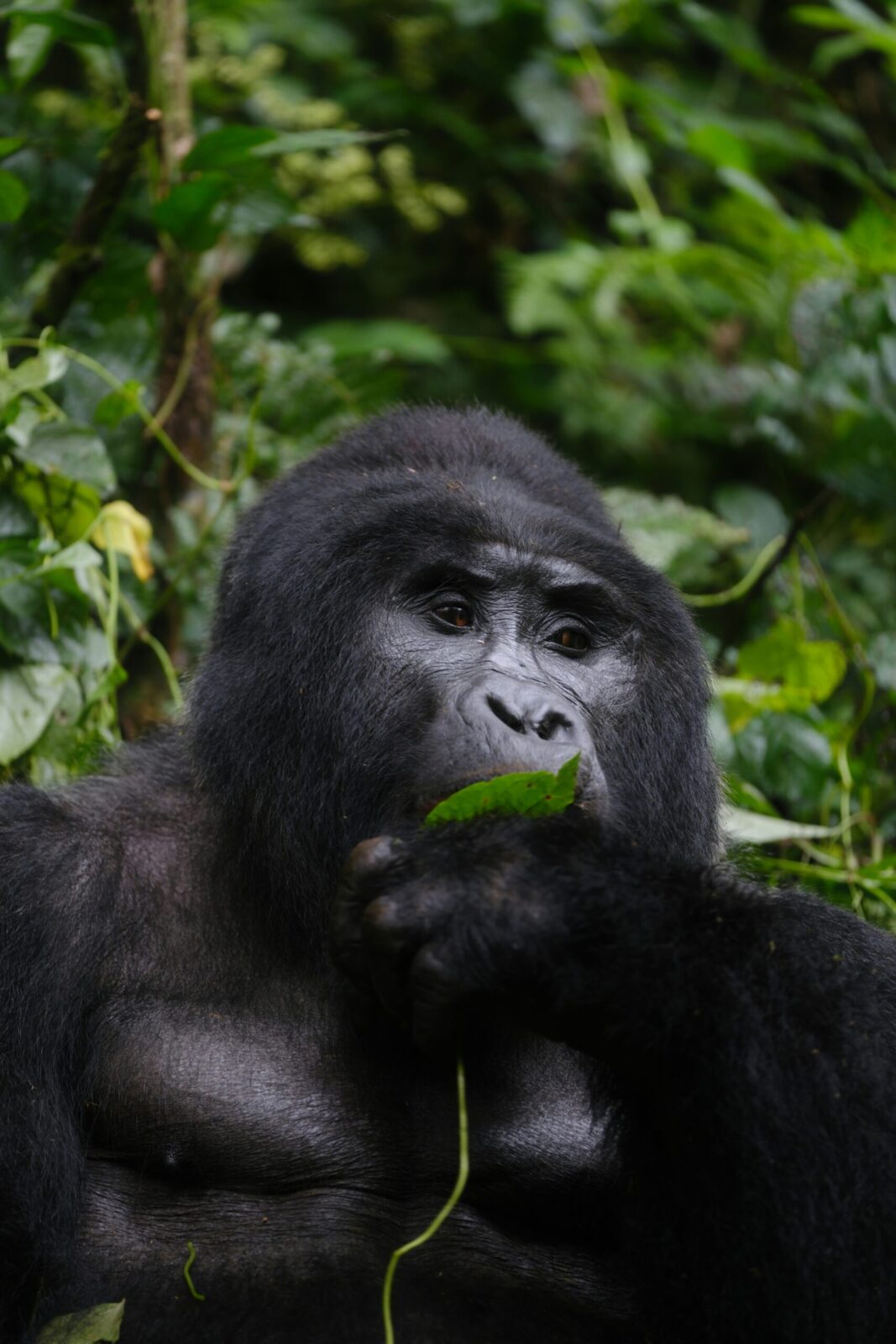
Truly Iconic Highlights in Uganda

Trek through Bwindi’s mystical rainforest and meet the endangered mountain gorillas in their breathtaking natural home.
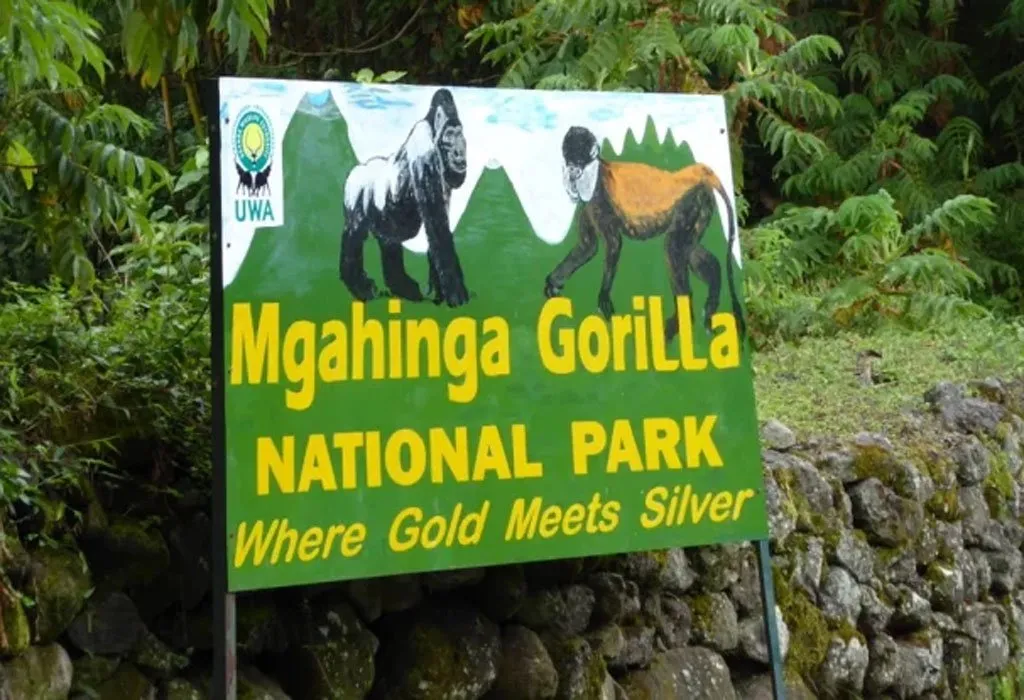
Encounter mountain gorillas and golden monkeys on Mgahinga’s misty volcanic trails, where culture and alpine wildlife thrive together.
Unwind after your trek with a peaceful canoe ride across Lake Bunyonyi, Uganda’s most tranquil and scenic highland lake.
Enhance your gorilla trekking safari with an optional chimpanzee encounter in Uganda’s lush forests, adding depth and diversity to your primate adventure
Gorilla Trekking Tours in Uganda – Our Most Popular Itineraries.
Explore our gorilla trekking safaris for every traveler—solo, family, budget, or luxury. All tours include permits, transport, accommodation, meals, and park fees. Whether for a quick trip or a deeper adventure, we’ve got you covered.
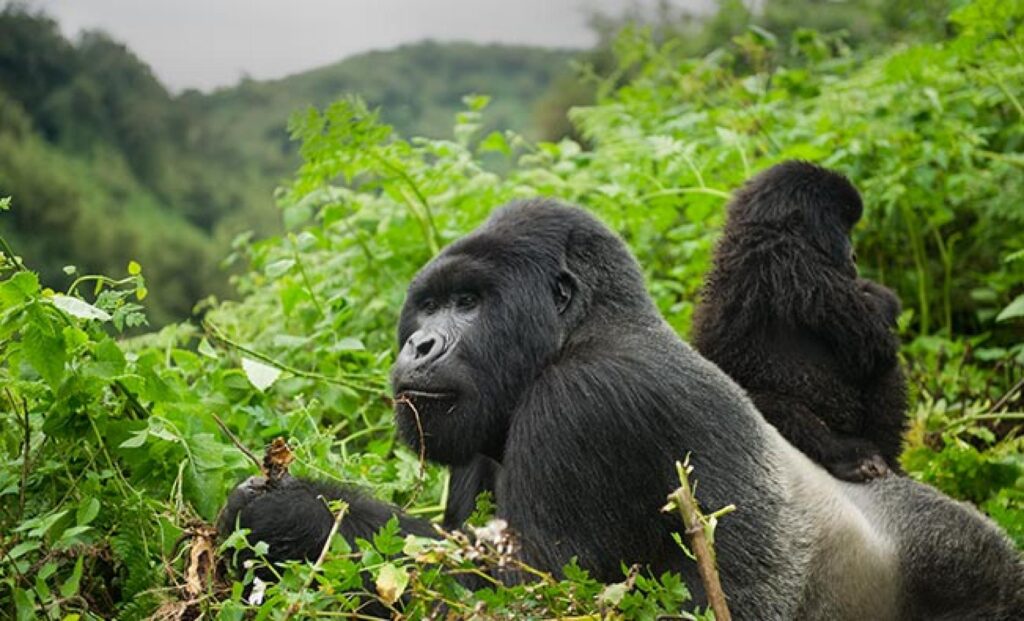
3-Day Bwindi Gorilla Trekking Safari
3-Day Bwindi Gorilla Trekking Safari
4-Day Uganda Gorilla Trekking Safari
4-Day Uganda Gorilla Trekking Safari
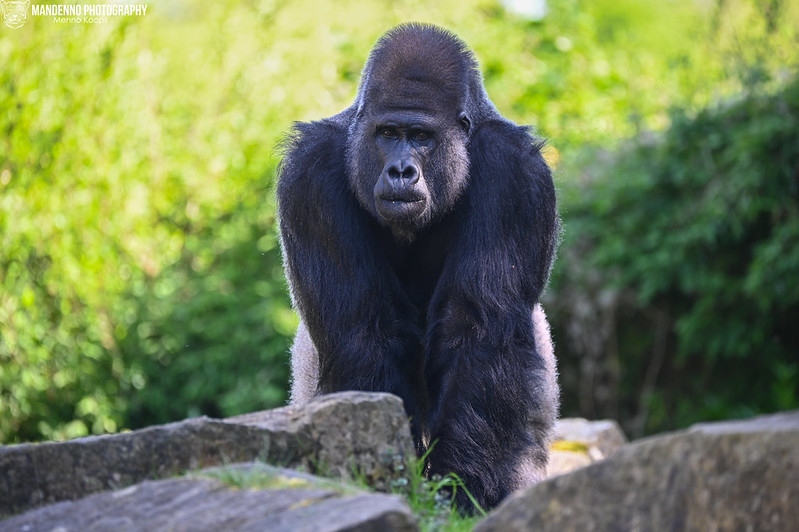
5-Day Gorilla Tracking and Wildlife Safari
5-Day Gorilla Tracking and Wildlife Safari
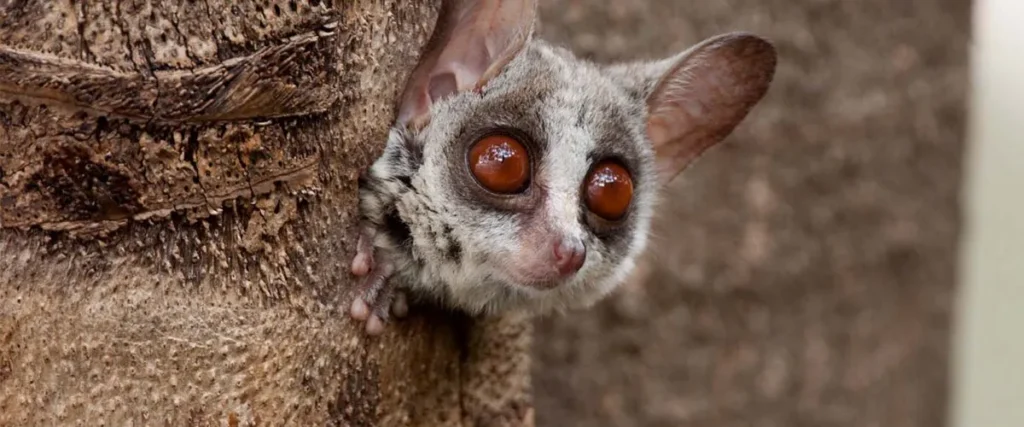
7-Day Uganda Primate Adventure & Wildlife Safari
7-Day Uganda Primate Adventure & Wildlife Safari
10-Day Gorilla Trekking & Big Five Safari in Uganda
10-Day Gorilla Trekking & Big Five Safari in Uganda
12-Day Uganda Gorilla Trekking, Chimp Tracking & Cultural Safari
12-Day Uganda Gorilla Trekking, Chimp Tracking & Cultural Safari
14-Day Best of Uganda Safari – Gorillas, Wildlife, Cultures
14-Day Best of Uganda Safari – Gorillas, Wildlife, Cultures
Understanding Mountain Gorilla Behavior and Safety in the Wild
Social Structure and Behavior
Mountain gorillas live in tightly bonded family groups that are built around structure, protection, and cooperation. At the center of each group is a dominant silverback, typically the largest and most experienced adult male. His role extends far beyond physical strength. The silverback determines the group’s daily movements, chooses nesting sites, resolves disputes within the family, and protects members from external threats. His calm authority provides stability, and his leadership ensures the cohesion of the entire unit.
Adult females play an equally vital role in maintaining social harmony. They are primarily responsible for caring for infants, nursing, and teaching young gorillas essential survival behaviors. Grooming is a central social activity that reinforces bonds between individuals. Through grooming, gorillas build trust, reduce tension, and maintain close relationships within the group.
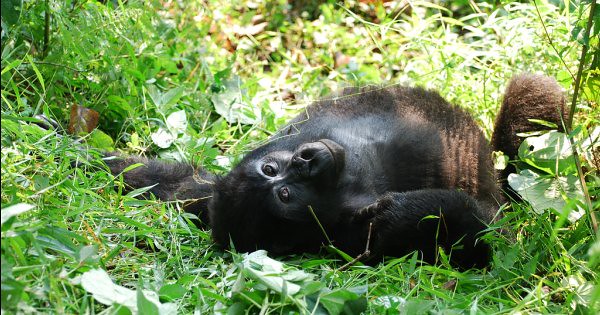
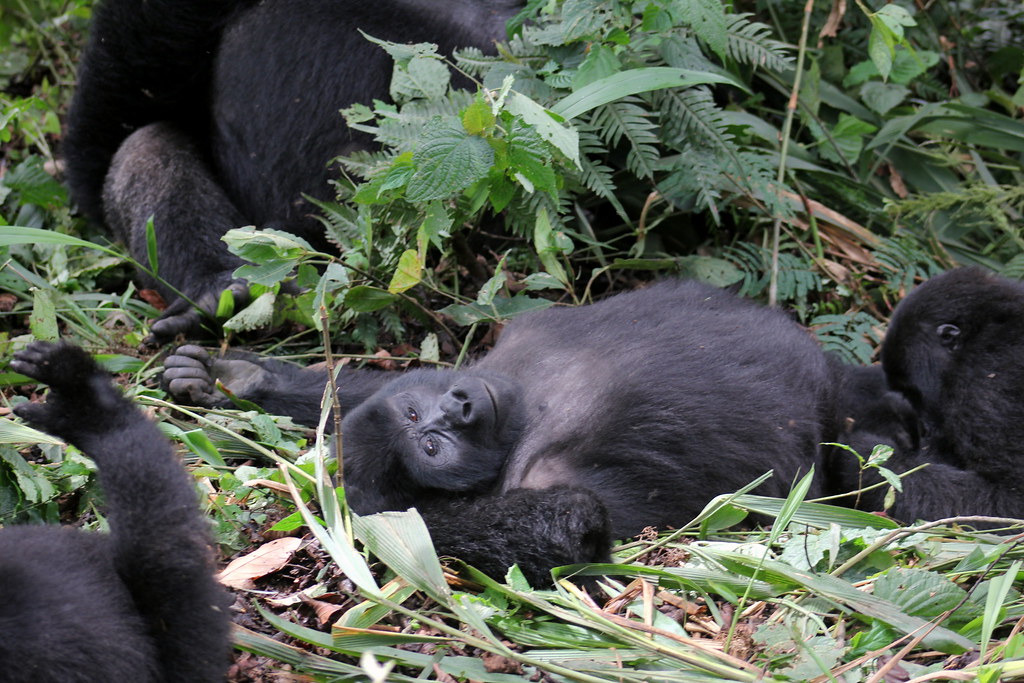
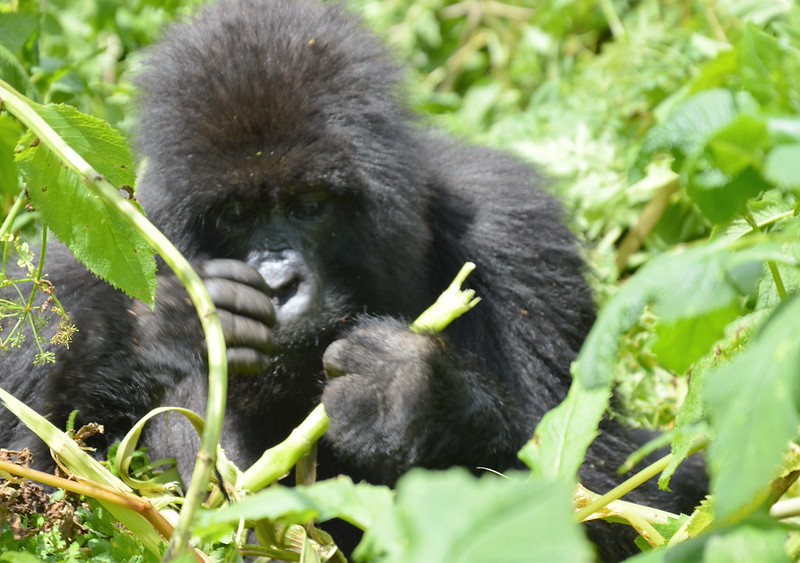
Juveniles and infants bring energy and curiosity to the family dynamic. Young gorillas frequently engage in play behavior such as wrestling, chasing, tumbling, and climbing. These playful interactions are not only entertaining to observe but also serve as important developmental exercises that help them learn communication skills and social boundaries. Throughout these activities, the presence of the silverback ensures a sense of security and order.
Contrary to common assumptions, gorillas are not naturally aggressive animals. They are generally calm, observant, and focused on feeding, resting, and interacting socially. When aggression is displayed, it is typically defensive rather than predatory. Gorillas do not hunt humans, nor do they seek confrontation. Instead, their responses are rooted in protection and caution.
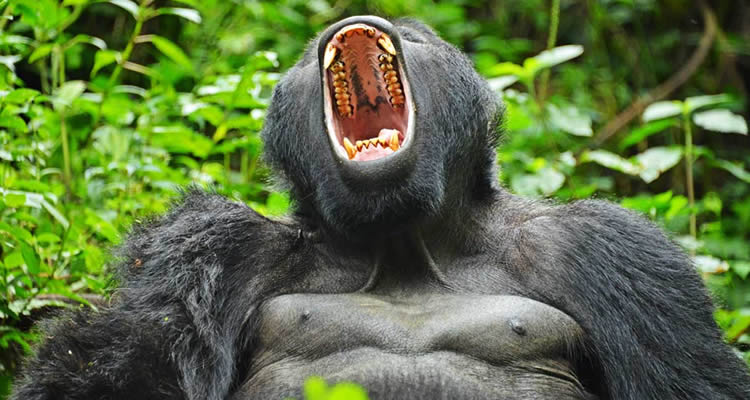
Common warning behaviors include chest beating, vocalizations, ground slapping, and mock charges. These displays are designed to intimidate and deter potential threats without escalating into physical conflict. In most cases, such behaviors are sufficient to resolve tension without harm to either party.
Factors That Influence Gorilla Aggression
Although mountain gorillas are peaceful by nature, certain triggers can cause them to become defensive. Sudden movements, loud noises, or direct attempts to touch a gorilla may be interpreted as threatening. Gorillas rely heavily on body language and subtle communication cues. When unfamiliar behavior disrupts their sense of safety, they may respond with warning displays.
Environmental stressors can also influence behavior. Habitat disturbance, illegal activities such as poaching, or repeated negative encounters with humans can heighten alertness within a group. However, in regions where gorillas are habituated for tourism and research, they gradually become accustomed to controlled human presence. Habituation is a carefully managed process conducted by conservation experts to ensure that gorillas remain wild while tolerating limited observation.
Guided treks significantly reduce the likelihood of conflict. Before entering the forest, visitors receive detailed briefings on how to behave around gorillas. They are taught to move slowly, speak softly, avoid sudden gestures, and maintain a respectful distance. These guidelines are designed to communicate non-threat through body language and behavior.
Understanding gorilla communication cues enhances both safety and appreciation. Observing posture, facial expressions, and vocal sounds allows trekkers to interpret mood and group dynamics. When visitors remain calm and follow guidance, encounters are typically peaceful and deeply moving.
Safety Measures for Trekking
Mountain gorilla trekking is conducted under strict safety protocols that protect both humans and animals. Experienced rangers and trackers accompany every group, ensuring that interactions occur within established conservation guidelines. One of the most important rules is maintaining a minimum distance of seven meters from the gorillas. This distance reduces the risk of disease transmission and prevents animals from feeling crowded or threatened.
Visitors are advised to avoid direct, prolonged eye contact with silverbacks, as this can be perceived as a challenge. If a gorilla approaches, trekkers are instructed to remain still, avoid sudden movements, and follow the guide’s directions carefully. In rare instances of a mock charge, crouching calmly and avoiding panic is usually enough to de-escalate the situation.
Photography is permitted, but camera handling should be quiet and controlled. Flash photography is strictly prohibited, as sudden light bursts can startle the animals. Speaking in low tones and minimizing unnecessary movement further contribute to a calm environment.
These structured precautions, combined with the gorillas’ generally gentle disposition, create an experience that is considered very safe when conducted responsibly. The emphasis is always on mutual respect and minimal disturbance.
Why Gorillas Are Considered Gentle Giants
Despite their immense size and strength, mountain gorillas are often described as gentle giants. Adult males can weigh over 180 kilograms and possess extraordinary physical power, yet they rarely use it aggressively. Their social systems are built around cooperation, protection, and emotional connection rather than dominance through violence.
Observing a silverback tenderly grooming an infant, intervening calmly in minor disputes, or positioning himself protectively between his family and perceived danger reveals a depth of social intelligence. Female gorillas display patience and nurturing behavior, while juveniles exhibit curiosity and playfulness. These traits highlight the species’ strong emphasis on family bonds and social harmony.
The perception of gorillas as dangerous often stems from misunderstanding their physical presence. Their powerful builds and dramatic displays can appear intimidating, yet these behaviors are largely communicative rather than violent. When approached respectfully and observed under professional guidance, gorillas demonstrate remarkable tolerance and composure.
Ultimately, mountain gorillas are not aggressive animals seeking confrontation. They are highly social, emotionally complex primates whose behavior revolves around family stability and survival. With proper guidelines and conservation measures in place, encounters between humans and gorillas remain peaceful, educational, and profoundly inspiring.
More Gorilla Trekking Information to Know.
Gorilla trekking goes far beyond just the hike — it’s a deep, emotional journey into the heart of Africa’s last wild rainforests. Knowing the right timing, permits, fitness tips, and park details can turn your experience from good to unforgettable.
Gorilla Trekking in Bwindi Impenetrable Forest
Gorilla Trekking in Bwindi Impenetrable Forest
Trekking Gorillas in Mgahinga National Park
Trekking Gorillas in Mgahinga National Park
Uganda Gorilla Trekking Permits – Prices, Booking, & Travel Tips
Uganda Gorilla Trekking Permits – Prices, Booking, & Travel Tips

What to Pack for Gorilla Trekking in Uganda – Expert Checklist
What to Pack for Gorilla Trekking in Uganda – Expert Checklist
Best Time to Go Gorilla Trekking in Uganda – Weather & Seasons
Best Time to Go Gorilla Trekking in Uganda – Weather & Seasons
Gorilla Trekking Difficulty in Uganda – Fitness & Trail Guide
Gorilla Trekking Difficulty in Uganda – Fitness & Trail Guide
Gorilla Trekking Rules in Uganda – Safety, Respect & Ethics
Gorilla Trekking Rules in Uganda – Safety, Respect & Ethics
Gorilla Conservation in Uganda – Protecting the Mountain Giants
Gorilla Conservation in Uganda – Protecting the Mountain Giants
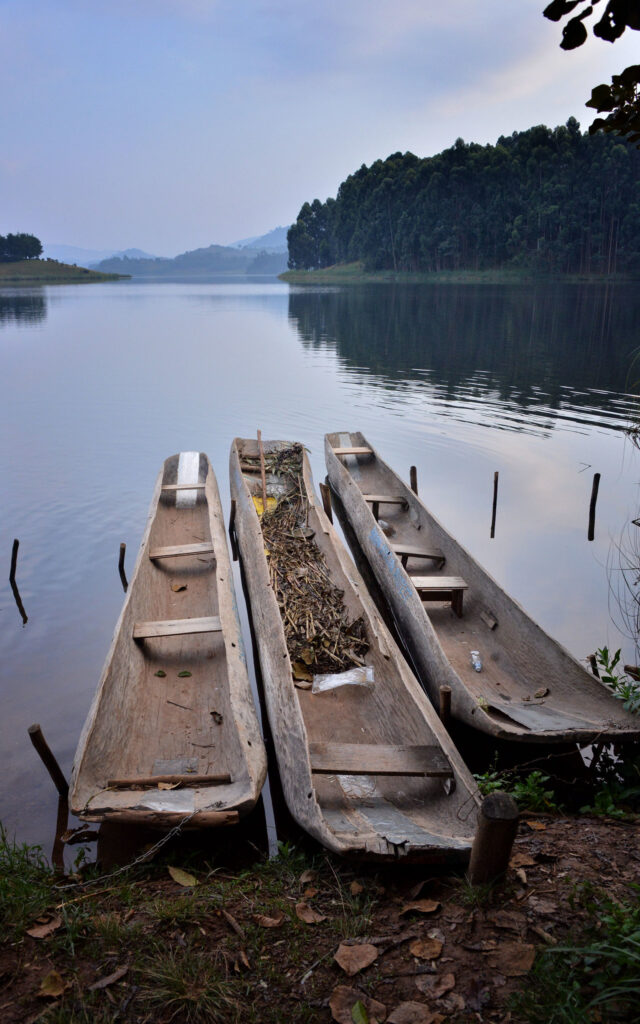
Bwindi vs. Mgahinga – Which One to Choose For Gorilla Trekking?
Bwindi vs. Mgahinga – Which One to Choose For Gorilla Trekking?
How to Stay Safe and Healthy While Traveling in Uganda
How to Stay Safe and Healthy While Traveling in Uganda
Routes, Tips & Travel Wisdom for Getting to Bwindi or Mgahinga
Routes, Tips & Travel Wisdom for Getting to Bwindi or Mgahinga

Accommodation Options: Lodges & Camps in Bwindi and Mgahinga
Accommodation Options: Lodges & Camps in Bwindi and Mgahinga
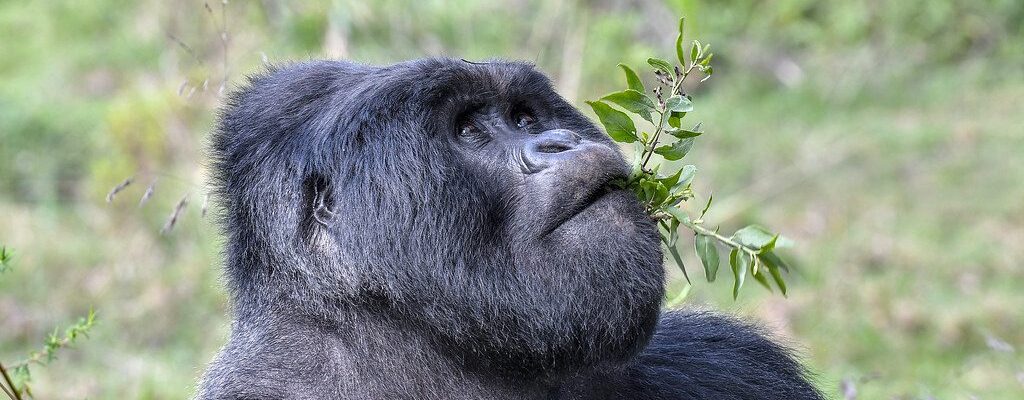
Protecting What You Came to See: Gorilla Conservation & Ethics
Protecting What You Came to See: Gorilla Conservation & Ethics
Travel Insurance for Gorilla Treks: Before You Go
Travel Insurance for Gorilla Treks: Before You Go
First Time Gorilla Trekking? Here’s Everything I Wish I Knew
First Time Gorilla Trekking? Here’s Everything I Wish I Knew
Step by Step: What Happens During a Gorilla Trekking Day
Step by Step: What Happens During a Gorilla Trekking Day
Gorilla Trekking vs. Gorilla Tracking – What’s the Real Difference?
Gorilla Trekking vs. Gorilla Tracking – What’s the Real Difference?
Beyond Gorillas: Other Wildlife You Can See During Your Trek
Beyond Gorillas: Other Wildlife You Can See During Your Trek
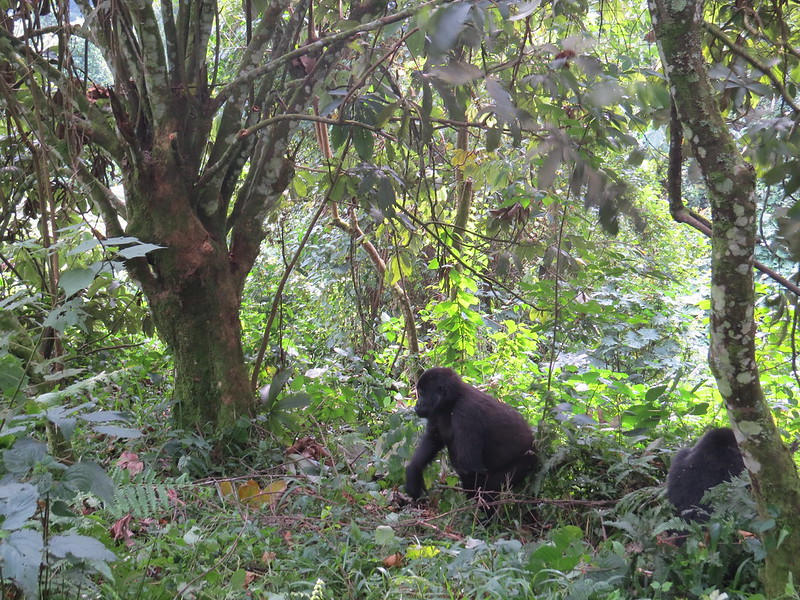
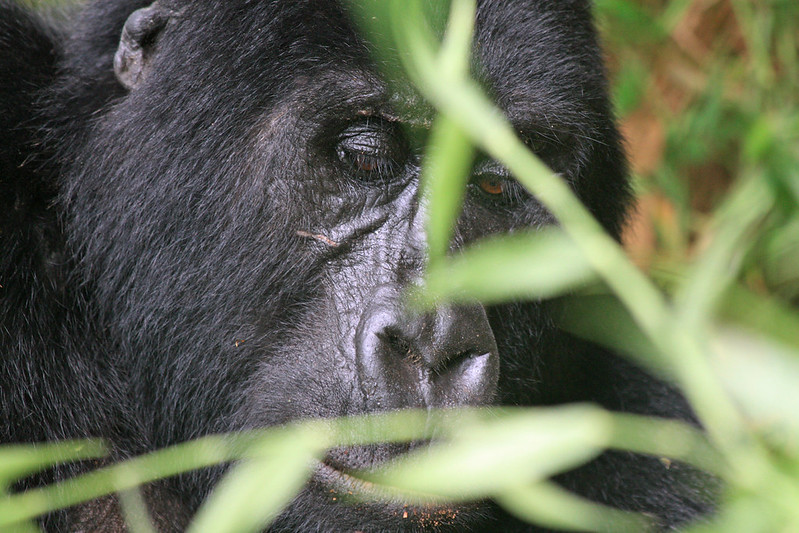
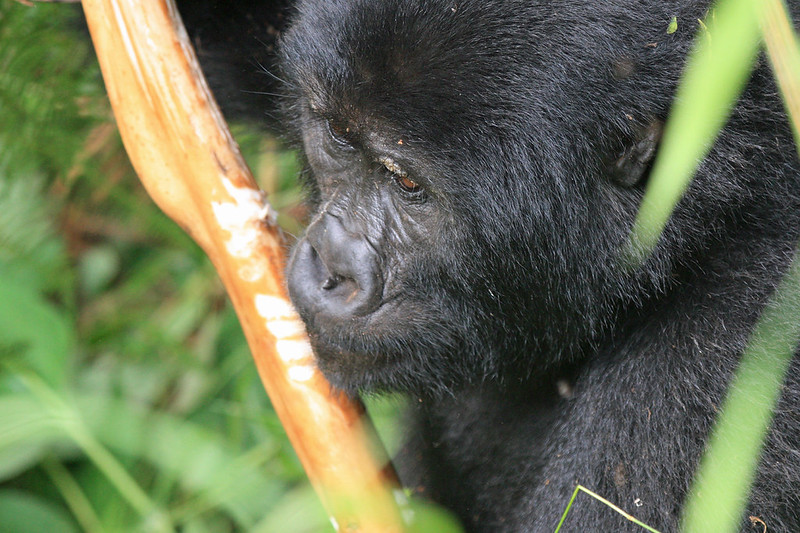
In the Realm of Giants – Bwindi & Mgahinga in Frames.
Wander through an elegant gallery capturing Uganda’s most exclusive gorilla sanctuaries, where ancient forests cradle the last mountain gorillas in a world of mist, mystery, and majesty.
Essential Planning Tips for Visiting Uganda’s National Parks.
Get ready for the wild heart of Africa with expert travel tips on when to visit, what to pack, where to go, and how to make the most of your safari across Uganda’s breathtaking national parks.
Why Uganda for Gorilla Trekking?
Uganda is not just a destination — it's the very soul of gorilla trekking. With over half of the world’s remaining mountain gorillas calling its misty forests home, Uganda offers the rarest encounters in their most authentic setting. Here, your journey is not rushed or crowded. Instead, you’re guided by experienced rangers through pristine jungles where gorillas live as they always have — wild, free, and magnificent
From insider travel insights to unforgettable trekking guides, our blog is your trusted path into Uganda’s wild heart — connecting you with mountain gorillas, breathtaking landscapes, and the soul-stirring adventures that make this land unlike any other.