

Updated
Uganda’s wildlife was devastated in the 1970s and 1980s, when years of conflict and lawlessness allowed poaching on a huge scale. Several species have since made strong comebacks: mountain gorillas, which grew from about 250 in the Virungas in 1981 to just over 1,000 across the Virungas and Bwindi today; elephants and Uganda kob in the savannah parks; Rothschild’s giraffe in Murchison Falls; and rhinos, which had disappeared entirely but are breeding again at Ziwa. Here are the main recovery stories, what made them possible, and the species still in trouble.
Mountain gorilla
A 1981 census counted only about 250 mountain gorillas in the Virunga volcanoes, and Bwindi’s population was also under pressure from hunting and forest clearance. Bwindi and Mgahinga became national parks in 1991, gorilla tourism started in Uganda in 1993, and ranger patrols, veterinary care and community programmes followed. In 2018 the IUCN moved the mountain gorilla from Critically Endangered to Endangered. Permits, now US$800, or US$600 in April, May and November, help pay for that protection. See our guide to how many mountain gorillas are left.
Rhinoceros
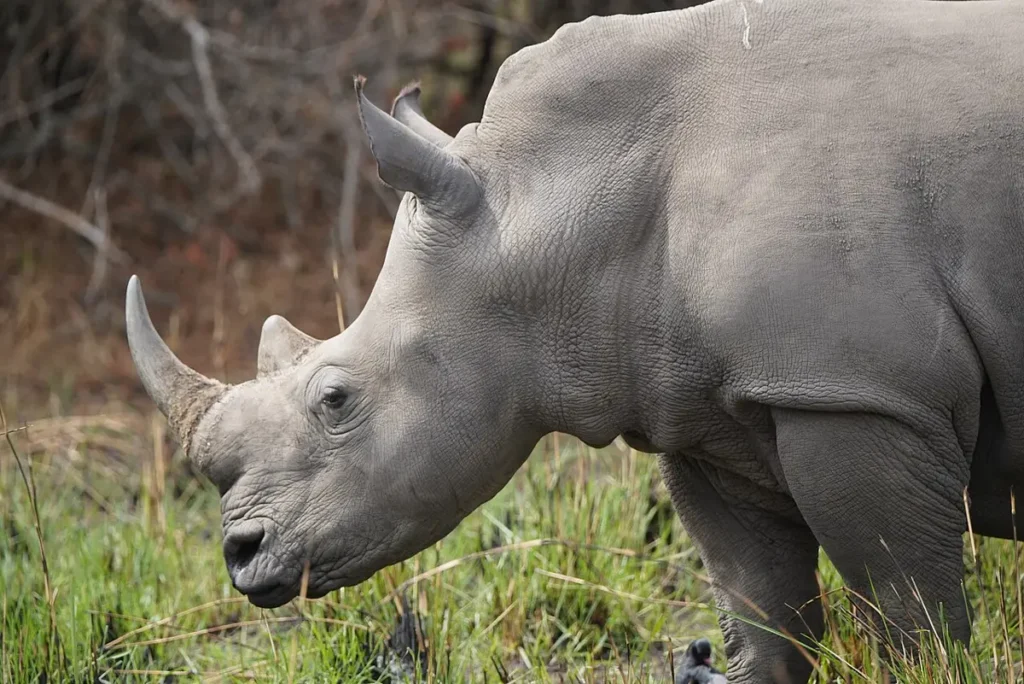
Uganda once had both black rhinos and northern white rhinos, but both were poached out by the early 1980s. In 2005, Ziwa Rhino Sanctuary received six southern white rhinos from Kenya and the United States. The first Uganda-born rhino in decades arrived in 2009, and the herd has grown steadily since, with the aim of eventually returning rhinos to the national parks. Visitors can track them on foot with rangers. See our guide to the Big Five in Uganda.
Elephant and Uganda kob
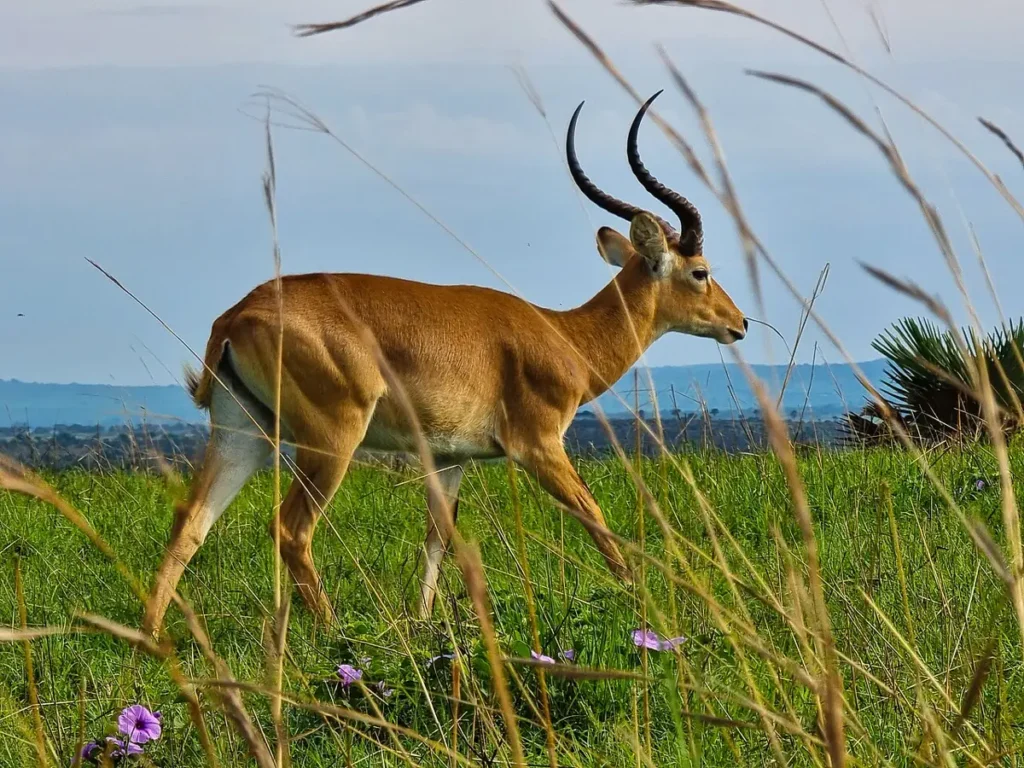
Elephant numbers in Uganda fell by more than 90% between the 1960s and the late 1980s, and the herds of Queen Elizabeth and Murchison Falls were reduced to a fraction of their former size. With better protection from the 1990s, both populations have grown several-fold, and elephants are again a common sight on game drives and boat trips. The Uganda kob, the antelope on the national coat of arms, followed a similar path and is now abundant on the Kasenyi plains and in Murchison.
Rothschild’s giraffe
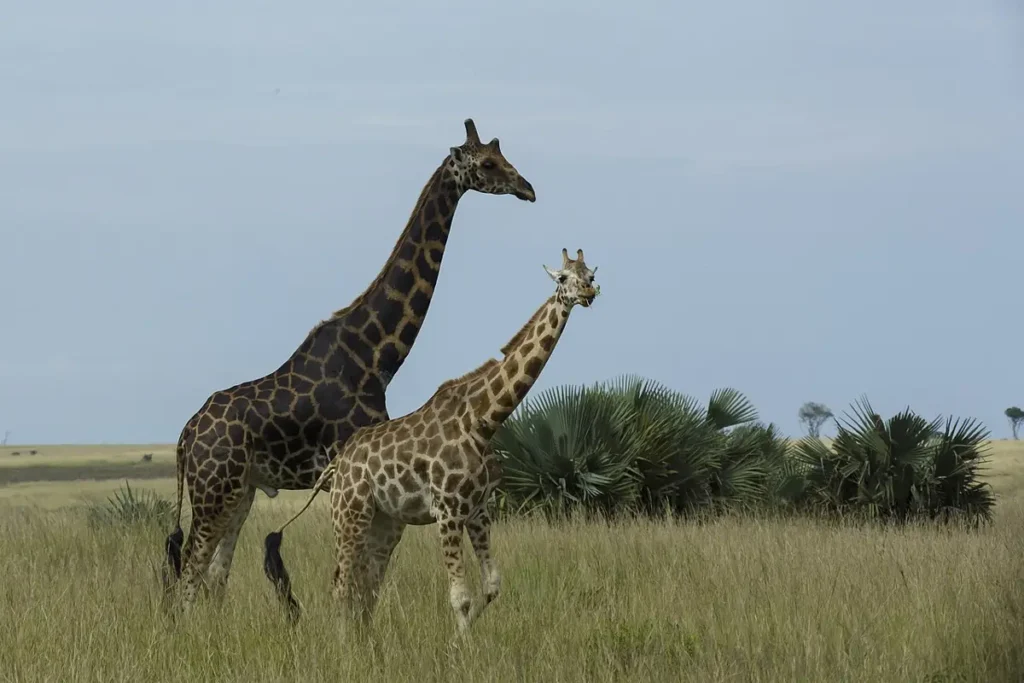
Rothschild’s giraffe, a type of northern giraffe, declined sharply across its range in Kenya and Uganda. Murchison Falls kept a small remnant population that has since grown to become the largest in the world, numbering well over a thousand. Giraffes have also been moved from Murchison to Lake Mburo (2015), Pian Upe and other areas to spread the risk, while Kidepo’s small population was boosted with animals from Kenya. See our guide to Rothschild’s giraffe in Uganda.
What made recovery possible
The common factors are clear: stable government and the return of park management after 1986, the creation of the Uganda Wildlife Authority in 1996, ranger patrols and anti-poaching units, tourism income that gives wildlife economic value, revenue sharing with communities next to the parks, and partnerships with conservation organisations and vets. Where these were combined, wildlife came back; where conflict continued, as in parts of eastern Congo, it did not.
Species still in trouble
Not every story is a success. Lion numbers in Queen Elizabeth have fallen because of poisoning by herders after attacks on livestock, and the tree-climbing lions of Ishasha are at risk. Wild dogs survive only as occasional visitors in Kidepo, and wetland birds such as the shoebill and grey crowned crane are threatened by swamp drainage. Chimpanzees outside parks face habitat loss on private land. See our guide to anti-poaching in Uganda.
Frequently asked questions
Mountain gorillas, elephants, Uganda kob, Rothschild’s giraffe and, through reintroduction, white rhinos.
In 2005, when six southern white rhinos arrived at Ziwa Rhino Sanctuary.
About 250 in the Virunga volcanoes; today there are just over 1,000 in total.
Lions in Queen Elizabeth, and wetland birds such as the shoebill and grey crowned crane.










