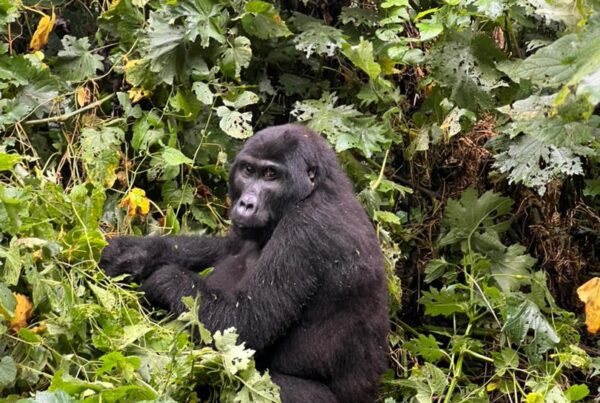
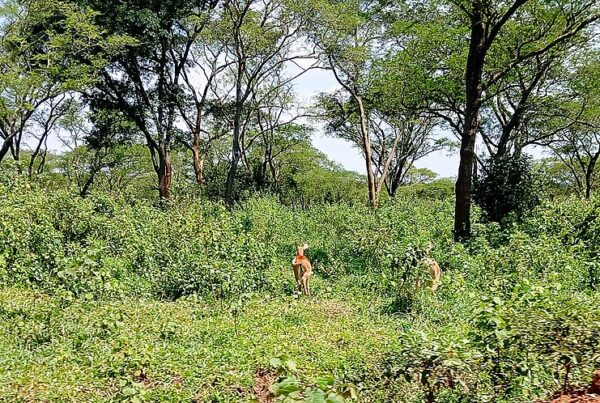
Christmas in Uganda is one of the most joyful and communally intense experiences of the Ugandan year — but it looks and feels very different from Christmas in Europe or North America: in Uganda, Christmas is primarily a village reunion event and a church celebration rather than a commercial retail season, with millions of Ugandans making the journey from Kampala and other cities back to their home villages in the days before December 25 to share the holiday with extended family, eat specific celebratory foods including whole roasted chicken, matoke, and pilao, and attend the Christmas Eve or Christmas Day church service that is the devotional centrepiece of the holiday. Christmas timing coincides with peak Uganda safari season — book gorilla permits early.
- Public holidays: December 25 (Christmas Day) and December 26 (Boxing Day) are both public holidays
- Character: primarily a religious and family reunion event; commercial gift-giving is present but less dominant than in Western contexts
- Peak travel: December 23-25 sees the highest road traffic of the year as Kampala empties to villages; expect significant delays on all routes
- Tourism impact: lodges are full over Christmas-New Year; gorilla permits sell out months in advance; prices are at annual peak
Christmas in Uganda is one of the most joyful and communally intense experiences of the Ugandan year — but it looks and feels very different from Christmas in Europe or North America. In Uganda, Christmas is primarily a family reunion event, a church celebration, and a communal feast rather than a commercial gift-giving season. In 2027, as in every year, Christmas transforms Ugandan social life in ways that visitors who happen to be in the country at that time will find both familiar in its core emotions and genuinely surprising in its specific expressions.
Christmas as homecoming
The most defining feature of Ugandan Christmas is the mass movement of people from cities back to their home villages. Kampala, Jinja, Gulu, and other urban centers empty out over the Christmas and New Year period as urban workers, students, and professionals return to their family homes — sometimes traveling hundreds of kilometers to reach the village where they grew up or where their parents still live. This homecoming pattern means that the transport network is under enormous strain in the week before Christmas Day, and buses, taxis, and boda-bodas are booked solid.
For rural Uganda, the Christmas homecoming brings a surge of energy, resources, and reunited families. Children who have been in boarding school return. Relatives who work in Kampala or Nairobi arrive with gifts. Extended families that are scattered across the country reassemble around the family compound. The atmosphere in villages over Christmas is one of genuine celebration — the ordinary routines of farming and daily work are suspended and the focus turns entirely to family and community.
Church on Christmas morning
Christmas Day begins for the majority of Ugandan families with church. Ugandan churches — whether Anglican, Catholic, or Pentecostal — are extraordinary on Christmas morning. Congregations dress in their finest clothes: men in kanzus and suit jackets, women in brilliant gomesis. Choirs that have been rehearsing for weeks perform with exceptional energy. Children’s programs, nativity plays, and dramatic presentations add a theatrical dimension that Western churches often lack.
The Christmas morning church service in a rural Ugandan congregation is one of the most genuine and moving religious experiences available in the country. The combination of beautiful singing, prayerful community, colorful dress, and the evident joy of people celebrating something they genuinely believe creates an atmosphere that visitors with any sensitivity to communal spiritual experience will find deeply affecting.
The Christmas feast
After church comes food — and Ugandan Christmas food is a serious undertaking. A Christmas goat or chicken (larger families may slaughter a cow) is the centerpiece of a feast that begins cooking early on Christmas morning and continues through the afternoon. Matoke (steamed banana), rice, Irish potatoes, groundnut stew, beans, chapati, and a variety of vegetables accompany the roasted or stewed meat. Soft drinks are purchased in bulk. In families where someone has returned from the city with extra resources, the feast may include bought cakes, biscuits, and other commercial treats that supplement home cooking.
The Christmas meal is a communal event — neighbors drop in, relatives arrive unannounced, and Ugandan hospitality means that anyone present when food is being served is included without ceremony. Visitors who find themselves in a Ugandan village or family home over Christmas should not hesitate to accept the inevitable invitation to eat — refusing hospitality at Christmas is considered at best unusual and at worst rude.
Christmas gifts in Uganda
Gift-giving exists at Christmas in Uganda but is far less commercially dominant than in Western contexts. Children receive new clothes — the Christmas outfit is a serious tradition, with parents making special effort to clothe their children well for the season. Small amounts of cash are given by elders to children. Some families exchange practical gifts — food items, household goods, fabric. The commercial Christmas of expensive electronics and luxury items exists in upper-middle-class Kampala, but it is not the mainstream experience of Ugandan Christmas.
New Year’s Eve in Kampala
New Year’s Eve in Kampala is a large public celebration centered on church watch-night services (ending at midnight with prayer and singing) and on commercial events at bars, hotels, and outdoor venues. The Serena Hotel and Sheraton Kampala host ticketed New Year’s Eve galas. Outdoor concerts in public spaces attract large crowds. The fireworks display over Kampala is modest by international city standards but the energy in the streets at midnight is genuine and infectious.
For visitors in Uganda over Christmas 2027, the experience depends enormously on where you are. In Kampala, Christmas is festive but relatively quiet as the city empties. In rural areas near Bwindi, Kibale, or Murchison Falls, Christmas means crowded matatus, full community gatherings, and the extraordinary warmth of Ugandan communal life at its most celebratory. Gorilla trekking during Christmas requires permits booked months in advance — the $800 permit demand at peak season is substantial and the slots fill early.
What food is eaten at Christmas in Uganda?
Christmas food in Uganda follows specific traditions that differ from Western Christmas meals. Roasted chicken is the centrepiece of most Ugandan Christmas celebrations — a whole chicken, often free-range (kikooko chicken, the local village breed with superior flavour) roasted over charcoal or in an oven; the chicken’s presence signals celebration in a way that in other contexts everyday protein does not. Matoke (steamed green banana) is the starch base of most central and western Ugandan Christmas meals; it is prepared in banana leaves and accompanied by a groundnut sauce or beef stew. Pilao (spiced rice): East African-style pilao rice with whole spices (cardamom, cloves, cinnamon) and meat is prepared for Christmas in many urban Ugandan households and reflects the Arabic-Swahili influence on East African cuisine. Mandazi (fried dough similar to doughnuts): a festive sweet that children in particular associate with Christmas. Soda and beer: soft drinks and local beer (Nile Special, Club beer, Bell Lager) are part of the celebration in households that consume alcohol; non-alcoholic celebrations use soda and juice. For visitors at safari lodges over Christmas: most lodges prepare a special Christmas dinner that typically combines Western menu items (turkey or roast beef) with Ugandan dishes.
How does Christmas church attendance work in Uganda?
Church attendance at Christmas in Uganda is massive and significant in a way that visitors from more secular societies may not anticipate. In Uganda’s Christian majority (approximately 85%), the Christmas Eve midnight mass or Christmas morning service is a non-negotiable family event: the entire household attends in their best clothing — new outfits purchased specifically for Christmas are the norm. Church choirs prepare for Christmas for months; the Christmas service at most Ugandan churches features elaborate choir performances, sometimes with full musical productions and gospel bands. Church services on Christmas Day typically begin at 6am in Catholic and Anglican traditions and run until mid-morning; Pentecostal churches often have multiple services to accommodate the congregation. For visitors in Kampala over Christmas: attending a Christmas morning service at a large church (Namirembe Cathedral, Rubaga Cathedral, Watoto Church) is a genuinely moving cultural experience; the scale of attendance, the quality of the music, and the collective joy of the congregation combine into something exceptional. Dress formally — not casual trekking gear; new or best clothes communicate respect and participation in the spirit of the day.
Is Christmas a good or bad time to visit Uganda for a safari?
Christmas and New Year in Uganda is simultaneously the most rewarding and the most logistically challenging time to visit for a safari. Why it is rewarding: the December-January period is in Uganda’s short dry season; wildlife is concentrated around water sources; the weather in the parks is typically good with less rain than the April or November peak. Why it is challenging: gorilla permits sell out for December 24-January 2 many months in advance; book 9-12 months ahead for this period. Lodge accommodation on the western circuit is fully booked and prices are at the annual peak (premium of 20-40% above mid-year rates). Road travel: the December 23-26 period sees the highest road volumes of the year as urban Ugandans travel to villages; build significant extra time into any road transfer scheduled around these dates. Domestic air alternatives: flying Entebbe to Kihihi or Kasese avoids the road congestion entirely and is strongly recommended for Christmas-week western circuit travel. The overall verdict: Christmas in Uganda is a wonderful time to visit if booked far in advance; it combines peak wildlife experience with the opportunity to observe a genuinely distinctive and joyful Ugandan cultural celebration.
How is Christmas in Uganda different from Christmas in Kenya or Tanzania?
Christmas celebrations across East Africa share the church-centred, family-reunion structure but have national character differences. Uganda: the most deeply Christian of the three countries; church attendance rates are among the highest in Africa; the village-reunion migration pattern is very pronounced; gift-giving is present but less commercial than in Kenya. Kenya: a more developed commercial Christmas season in Nairobi than in Kampala; shopping mall Christmas decorations and retail promotions are more visible; the coastal areas (Mombasa) have a Muslim-inflected cultural character where Christmas is less dominant. Tanzania: the Zanzibari and coastal culture is predominantly Muslim; mainland Tanzania has a similar Christian majority pattern to Uganda; the Swahili cultural influence on coastal Christmas food produces pilao and biryani as distinctively Tanzanian Christmas dishes. Across all three: the church choir performance is the cultural centrepiece; the communal meal with extended family is the social centrepiece; and the emphasis is on presence (being there) rather than presents (what you brought).
What happens in Uganda between Christmas and New Year?
The period between Christmas and New Year in Uganda has a distinct character that differs from the hectic commercial build-up before December 25. December 26 (Boxing Day): a public holiday; families visit other relatives; village celebrations continue; in Kampala, Boxing Day football matches are traditional and draw large crowds. December 27-30: the traffic returning to Kampala from villages begins; shopping malls and restaurants in Kampala start to fill up as the city revives. The week between Christmas and New Year is when many safari lodges have their highest occupancy of the year — visitors who have spent Christmas in a city or at the coast travel to the game parks for the post-Christmas week. New Year’s Eve: Kampala has large public celebrations including concerts at outdoor venues, church services (many denominations hold overnight “watch night” services that run from late December 31 into January 1); fireworks are not a Ugandan tradition but some hotels and outdoor venues stage them. New Year’s Day: public holiday; family and quiet; some church services. The January 1-5 period sees urban Ugandans completing their return to Kampala and the city returning to normal weekday pace.
- Beach Holidays
- How to Join Low Season Gorilla Trekking During Easter Holidays 2026
- Why Savvy Travellers Are Ditching Middle East Holidays for Uganda Safaris in 2026
- Uganda Public Holidays 2026: When to Plan Your Trip Around
- 10 Reasons Uganda Should Be Your Next Holiday and Not a Safari Cliche
- Why Gen Z Is Choosing Gorilla Trekking Over Beach Holidays in 2026
- Christmas Gorilla Trekking Uganda: Something Completely Different This Year
- Summer Holiday Gorilla Trekking Uganda: School-Age Kids at Home, You Go
- Gorilla Trekking Uganda Eid Holiday: Long Weekend in the Forest
- Gorilla Trekking Uganda Thanksgiving Week: American Holiday Special